
- Főoldal

- Digitális kép
- Watteau
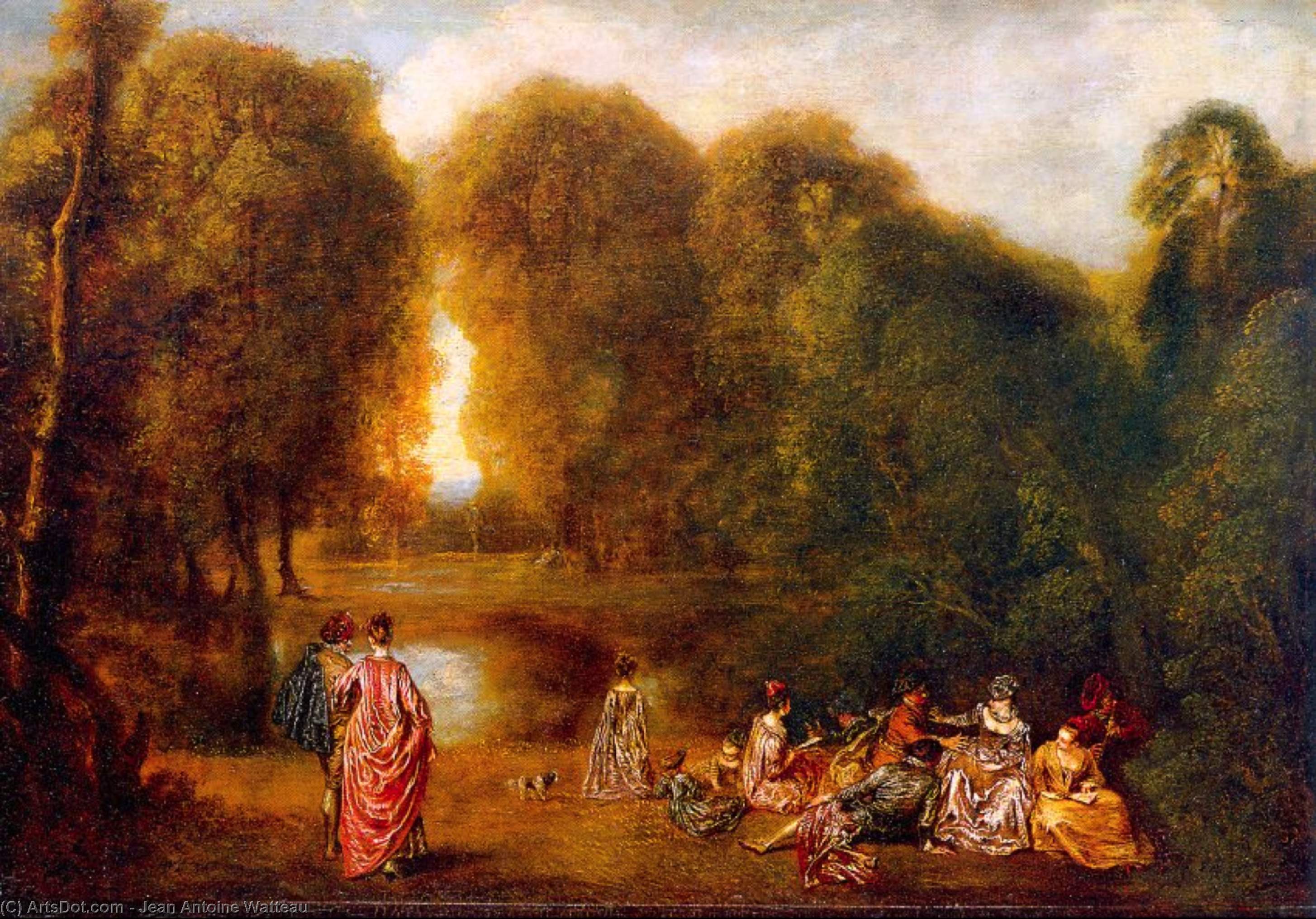
- Gathering in a Park
 Nyomat vásárlása Készíttetnék festményként
 Megosztás
 Megosztás
 Details
 Kedvencekhez ad

 Letöltés
 Hasonló alkotások
 X-Ray
X-Ray
 Diavetítés
Gathering in a Park


Vásároljon egy nagy felbontású, javított digitális képet, amely sokkal jobb minőségű, mint az online előnézet.
Minden fájlt szakembereink a legmodernebb eszközök és precíz, kézi retusálás segítségével készítenek el aprólékosan. Gondoskodunk arról, hogy minden kép kivételes tisztasággal, pontos színhelyességgel és részletgazdag finomsággal rendelkezzen.
A végleges fájl 72 órán belül e-mailben megérkezik, professzionális, szerkesztői és nyomtatási környezetbe optimalizálva az azonnali használathoz. Ez ugyanaz a minőség, amelyben a legmeghatározóbb tervezőstúdiók, kiadók és galériák is megbízhatnak.
 Olvasson tovább
Digitális alkotás
Töltsön le nagy felbontású fájlt személyes kiállításokhoz, nyomtatáshoz és kreatív projektekhez.
Minden digitális kép rendeléséhez tartozó extrák
Szakértői digitális kézbesítés, garantáltan
Amikor a ArtsDot.com weboldalt választja, nem csupán egy képet kap – professzionálisan felmagasított digitális műalkotást kap, amely precizitással készült, és amelyet megelégsedési gwarancia tesz biztoslássá. Az alábbiakban automatikusan minden benne 】

Gyors e-mail teslimítés
A nagy felbontású digitális képmásolatát a megrendelést követő 72 órán belül e-mailben elküldjük Önnek – azonnal használható formátumban.

MI-alapú digitális feldolgozású fájl
Műve professzionális módon kerül optimalizálásra fejlett mesterséges intelligencia eszközök és manuális szerkesztés segítségével, biztosítva a maximális részletességet, tisztaságot és színpontosságot.

Örök életű ingyenes újradelivery
Véletlenül törölted vagy elvesztetted a fájlodat? Ne aggódj – bármikor ingyenesen újra megküldjük neked.

Nincs importköltség – soha
Élvezze műalkotásait azonnal, vám, illeték vagy szállítási költség nélkül – a digitális letöltések mindig adamentesek.

Színpontosság Garancia
Professzionális eszközök és színkezelés segítségével garantáljuk, hogy digitális képe a lehető legpontosabban tükrözze az eredeti színeket.

60 napos elégedettségi garancia
Ha nemມີ elégedett a digitális képpel, 60 napon belül átmunkáljuk azt, vagy 100% visszatérítjük az amountot – kérdés nélkül.

100% Pénzvisszatérítési garancia
Nem érheted el a teljes elégedettséget? 60 napon belül teljes visszatérítést kapsz a digitális fájlod megérkezése után – kérdés बिना.

Tömegrendelési kedvezmények
Vásároljon 3 képet, spóroljon 10%-et - Vásároljon 5-öt, spóroljon 15%-et - Vásároljon 10+ képet, spóroljon 20%-at. Kiváló kreatív projektekhez, galériákhoz és ügynökségekhez.
A gyűjtemény leírása
Gathering in a Park – Jean Antoine Watteau’s Delicate Embrace of Leisure
Jean Antoine Watteau's *Gathering in a Park*, completed in 1718, transcends mere depiction; it embodies the very spirit of Rococo artistry—a shimmering distillation of elegance, pastoral tranquility, and fleeting pleasure. Now residing within the hallowed halls of the Musée du Louvre, Paris, this painting isn’t simply observed; it's felt. Watteau masterfully captures a moment suspended in time, inviting viewers into an idealized vision of aristocratic society indulging in the simple joys of companionship amidst nature.
- Composition & Atmosphere: The scene unfolds with remarkable grace—a carefully orchestrated tableau featuring figures strolling through a verdant landscape. Watteau’s genius lies in his ability to create depth and movement, guiding the eye across the canvas as if mirroring the leisurely pace of life itself. Two dogs punctuate the composition, adding an element of playful spontaneity that contrasts beautifully with the refined postures of the attendees.
- Rococo Style & Technique: Watteau’s contribution to art history is undeniable—he spearheaded the Rococo movement, prioritizing lightness and delicacy over the grandeur of Baroque predecessors. His brushstrokes are remarkably subtle, layering translucent washes of color to achieve an ethereal luminosity. The artist skillfully employs chiaroscuro – dramatic contrasts between light and shadow – to sculpt form and heighten emotional impact, particularly in the faces of the figures.
- Symbolism & Narrative: Beyond its aesthetic beauty, *Gathering in a Park* speaks volumes about the cultural values of its era. The idyllic setting symbolizes Arcadia—the pastoral ideal—representing innocence, harmony, and escape from worldly concerns. Watteau’s depiction of courtship rituals subtly explores themes of desire and affection, reflecting the societal pressures surrounding marriage and social status.
- Context Within Watteau's Oeuvre: Considered alongside Watteau’s other celebrated works like *Studies of Women’s Heads* and *La Finette*, *Gathering in a Park* exemplifies his distinctive approach to portraying human experience. He skillfully blends realism with fantasy, creating scenes that are both believable and imbued with imaginative beauty—a hallmark of his artistic vision.
- Emotional Resonance: Watteau's masterpiece evokes a profound sense of serenity and wistful contemplation. The painting’s muted palette – dominated by pastel hues – contributes to its melancholic charm, capturing the bittersweet awareness that these fleeting moments of beauty are destined to pass. It remains an enduring testament to the power of art to transport us beyond the everyday into realms of idealized emotion.
If you yearn to experience Watteau’s captivating vision without venturing abroad, ArtsDot presents exquisitely crafted oil painting reproductions that faithfully reproduce the artwork's nuances. Explore /art/list/?Filter=8DP7HW-Jean-Antoine-Watteau-Gathering-in-a-Park to immerse yourself in the artistry of this timeless masterpiece.
Hasonló műalkotások


Művész életrajza
A Delicate Brushstroke: The Life and Art of Jean-Antoine Watteau
Jean-Antoine Watteau, a name synonymous with the blossoming Rococo style, emerged from the northern French city of Valenciennes in 1684. His brief but incandescent career irrevocably altered the course of eighteenth-century painting, shifting its focus from the grandeur and drama of the Baroque to an intimate world of elegance, leisure, and subtle emotion. Unlike many artists who followed a clearly defined path, Watteau’s journey was marked by initial struggles for recognition within the established art institutions of Paris. Born into a family of modest means—his father a master roofer—young Jean-Antoine displayed an early aptitude for drawing, initially sketching the colorful characters and bustling scenes of his hometown streets. This formative experience instilled in him a keen eye for observation and a fascination with everyday life, themes that would permeate his later work. His initial training under local artists Jacques-Albert Gérin and Julien provided a foundation, but it was his move to Paris around 1702 that truly ignited his artistic development.From Theatrical Scenes to *Fêtes Galantes*
In the vibrant heart of Paris, Watteau entered the workshop of Claude Gillot, a painter specializing in theatrical designs and the popular genre of *fêtes galantes*—depictions of aristocratic outdoor entertainments. This apprenticeship proved pivotal. Gillot’s influence exposed Watteau to the world of commedia dell’arte, with its masked characters and playful narratives, which would become a recurring motif throughout his oeuvre. However, Watteau’s artistic sensibilities didn’t neatly align with the rigid categories favored by the Académie Royale de Peinture et de Sculpture. His genre paintings were deemed unsuitable for official recognition, leading to initial rejection when he attempted to compete for the prestigious Prix de Rome. Undeterred, and demonstrating a remarkable resilience, Watteau persevered, eventually gaining acceptance as a *maître amateur* in 1717—a status that allowed him to exhibit his work independently. This period marked a crucial turning point, allowing him to fully develop his unique style characterized by luminous colors, delicate brushwork, and an air of wistful melancholy. He began to move away from direct theatrical representation towards more poetic and evocative scenes, inventing the *fête galante* as a distinct genre—idyllic gatherings in park-like settings where aristocratic figures engaged in flirtatious pursuits and refined pastimes.The Essence of Rococo: Style and Masterpieces
Watteau’s paintings are instantly recognizable for their distinctive qualities. He possessed an unparalleled ability to capture the elegance and refinement of aristocratic life, not through bombastic displays of power or wealth, but through subtle gestures, nuanced expressions, and a masterful use of light and color. His figures exude a poetic grace and a delicate emotional depth that sets them apart from the more formal portraits of his predecessors. The Country Dance (1718-1721), perhaps one of his most celebrated works, exemplifies this perfectly—a vibrant scene depicting carefree rustic life with exquisite detail and an underlying sense of longing. Other masterpieces such as Ceres (Summer) (1705) demonstrate his skill in portraying the beauty of nature and the human form, while The Embarkation for Cythera (1717) and its companion piece, Pilgrimage to Cythera, are iconic depictions of mythological journeys to the island of love, imbued with a sense of mystery and romantic yearning. Even his theatrical portraits, like Gilles (1719), possess an enigmatic quality that invites contemplation. Watteau’s technique was equally innovative; he employed a feathery brushstroke and a delicate layering of colors to create a shimmering effect, capturing the fleeting beauty of light and atmosphere.Influences and Development
Watteau's artistic lineage is complex, drawing inspiration from diverse sources. He deeply admired Venetian Renaissance masters like Titian and Veronese, particularly their rich color palettes and dynamic compositions. The influence of Flemish artists such as Rubens is also evident in his energetic brushwork and sensuous figures. However, Watteau didn’t simply imitate these predecessors; he synthesized their influences into something entirely new and uniquely his own—a style that became the hallmark of Rococo painting. His early training under Jacques-Albert Gérin exposed him to the theatrical traditions of commedia dell'arte, which profoundly shaped his approach to composition and characterization. The works of Rembrandt, with their masterful use of light and shadow, also exerted a significant influence on Watteau’s technique. Crucially, he studied the paintings of Charles Le Brun, the official painter of Louis XIV, recognizing the importance of formal structure and compositional balance, though he ultimately rejected the rigid conventions of court painting in favor of his own more expressive style.Legacy and Enduring Influence
Watteau's artistic lineage is complex, drawing inspiration from diverse sources. He possessed an unparalleled ability to capture the elegance and refinement of aristocratic life, not through bombastic displays of power or wealth, but through subtle gestures, nuanced expressions, and a masterful use of light and color. His figures exude a poetic grace and a delicate emotional depth that sets them apart from the more formal portraits of his predecessors. Despite a tragically short life—he succumbed to tuberculosis in 1721 at the age of just thirty-seven—Watteau left an indelible mark on art history. His work profoundly influenced generations of artists, including Fragonard and Boucher, who further developed the themes and techniques he pioneered. He redefined genre painting, elevating it to a level of artistic sophistication previously reserved for historical or religious subjects. Today, his paintings are treasured in major museums worldwide—from the National Gallery of Art in Washington D.C. to the Museo del Prado in Madrid—continuing to captivate audiences with their beauty, grace, and enduring appeal, solidifying his place as one of the most important and beloved artists of the Rococo period.
Watteau
1684 - 1721 , Francia
Rövid tények
- Artistic Movement Or Style: Rokokó
- Artists Or Movements Influenced By This Artist:
- Fragonard
- Boucher
- Artists Who Influenced This Artist:
- Titian
- Rubens
- Date Of Birth: 1684
- Date Of Death: 1721
- Full Name: Jean-Antoine Watteau
- Nationality: Francia
- Notable Artworks:
- A Country Dance
- Ceres (Summer)
- The Marriage Contract
- Place Of Birth: Valenciennes, Francia

