

 Küldés
 Megosztás
 Részletek
 Útmutató

 Letöltés
 Hasonló darabok
 Diavetítés
 Kérdések és válaszok
 Statisztika
Kul-e Farah relief I


 Összes részlet megjelenítése
Az ezen az oldalon megjelenített műalkotások szerzői jogi védelem alatt állnak, ami azt jelenti, hogy törvényileg nem készíthetünk és nem adhatunk el belőlük pontos másolatokat. Ez a védelem olyan nemzetközi megállapodások alapján érvényesül, mint például a Berni Egyezmény és a nemzeti jogszabályok által, beleértve azokat is, amelyeket meghatározott Az USA szerzői jogi törvénye – 17. cím.
Ez a módszer teljes mértékben megfelel a szerzői jogi szabályozásnak, mivel nem tartalmazza a védett műalkotás másolását vagy duplikálását. Ehelyett ez egy kreatív újinterpretáció – egy új festmény, amely az eredetivel való összefüggései miatt hatással van rá, de nem az az.
Giclée / Műnyomat
Múzeumi minőségű giclée vagy vászonnyomat, gyors gyártással és rugalmas finomítási lehetőségekkel. ( Kézzel festett másolat rendelése Áttérés digitális képre)




































Válasszon előre meghatározott méreteink közül, amelyek megfelelnek a műalkotás eredeti arányainak.

Írja be a keretének vagy a falának megfelelő szélességet és magasságot. A nyomatot csak le lehet vágni, soha nem tehető nagyobbá, mint az eredeti kép, így egy eltérő alakú méretnél a kép egy része elveszik. Mielőtt bármit kinyatintanánk, küldünk egy digitális próbamodellt jóváhagyásra. Az oldalon látható kép nem tartalmazza a valós levágást — ezt csak a próbamodell mutatja meg.
Világszerte történő kiszállítás területére mindössze 2 hét alatt, a szokásos 4-5 hét helyett. (5 november)

Ingyenes globális expressz szállítás

Prémium minőségű len vászon

Teljes körű szállítási biztosítás

Vámvisszatérítési Garancia

Hiteles színarányosság garancia

100 napos visszaküldési lehetőség (csak hibás termékek esetén)

100% pénzvisszatérítési garancia

Több darab vásárlásakor kedvezmény
 Az üvegkeretes opció csak 110 cm alatti méretben érhető el

Kul-e Farah relief I
Giclée / Műnyomat
Reprodukció mérete
-


Összesített ár
Ft 20605
A Silent Witness to Elamite Grandeur
Perched high above the landscape, carved into a vertical niche some five and a half meters from the ground, the Kul-e Farah relief I stands as a profound testament to the enduring spirit of the Elamite highland tradition. This ancient masterpiece is not merely a carving on stone; it is a monumental dialogue between man and nature, frozen in time since approximately 500 BC. The relief serves as a vital historical link, embodying the sophisticated artistic language of an era that flourished in the ancient Near East. To gaze upon this work is to witness the intersection of political authority and artistic devotion, where every line etched into the rock face speaks of a civilization deeply rooted in its rugged, mountainous terrain.
The composition of the relief is both intricate and commanding, showcasing a scene of figures positioned with a deliberate sense of hierarchy and presence. The artistry lies in the way the carver utilized the natural contours of the rock to breathe life into the subjects, creating a sense of depth that invites the viewer to contemplate the lives of those depicted. Within the vertical niche, the relief integrates multiple elements of elite representation, drawing from much older traditions of valley carvings to assert the prestige of its creators. For the discerning collector or lover of antiquity, this piece offers a window into a world where art was used to solidify the identity of rulers and the sanctity of their lands.
The Language of Power and Inscription
Beyond its visual majesty, the Kul-e Farah relief I is a literary treasure, housing a complex narrative written in stone. The surface is adorned with twenty-four horizontal registers of an inscription that remains one of the most significant, yet enigmatic, archaeological finds of the region. This text provides a rare glimpse into the political landscape of the time, identifying the local ruler Hanni, son of Tahhi, who served as the "caretaker, protector, and ruler" of Ayapir. His role as a vassal to the Elamite king Shutur-Nahhunte highlights the intricate web of loyalty and governance that defined the period between 625 and 585 BC. The presence of nine additional epigraphs, delicately inscribed over the skirts of the carved figures, adds a layer of rhythmic detail that enhances the relief's textural complexity.
For interior designers and curators of historical reproductions, this artwork offers an unparalleled opportunity to introduce a sense of profound history and intellectual depth into a space. The interplay between the rugged texture of the stone and the precise, delicate epigraphs creates a visual tension that is both intellectually stimulating and aesthetically grounding. A high-quality reproduction of this relief does more than decorate a wall; it anchors a room with the weight of millennia, providing a conversation piece that bridges the gap between modern luxury and ancient heritage.
An Eternal Legacy in Stone
The emotional impact of the Kul-e Farah relief I stems from its sheer resilience. Despite the passage of over two thousand years, the figures and their stories remain remarkably well-preserved, offering a hauntingly beautiful connection to the Elamite civilization. The way the light plays across the carved surfaces—mimicking the natural sunlight that has illuminated this niche for centuries—creates an ever-changing aesthetic experience. It is a work that celebrates the concept of permanence in an impermanent world.
Owning or displaying a tribute to this relief allows one to participate in the preservation of human memory. Whether integrated into a contemporary gallery setting or used as a focal point in a sophisticated study, the piece evokes a sense of awe and reverence. It invites the observer to look upward, much like the original viewers did, and to find inspiration in the enduring strength of the Elamite spirit and the masterful hands that carved it into the very bones of the earth.
Kérdések és válaszok
Hogyan tölthetem le a(z) „Kul-e Farah relief I”, Javier Álvarez-Mon alkotása képét?
A „Kul-e Farah relief I”, Javier Álvarez-Mon alkotása letölthető a mű Letöltés oldaláról, magas felbontású digitális kép letöltése formátumban.
Megtekinthető a „Kul-e Farah relief I”, Javier Álvarez-Mon alkotása alkotás rendelés előtt?
A „Kul-e Farah relief I”, Javier Álvarez-Mon alkotása előnézete megtekinthető a mű Előnézet oldalán.
Milyen szín vezeti a „Kul-e Farah relief I”, Javier Álvarez-Mon alkotása kompozícióját?
A(z) Espresso (#3b2112) a(z) „Kul-e Farah relief I”, Javier Álvarez-Mon alkotása domináns színe.
Hasonló műalkotások


![[kőfaragott Alak, Szüzegyházi Kvadrát, Uxmal] — Octavio Medellín, Mexican Abstract Sculpture](/media/artworks/images-thumb/cd/72/cd72ede773e8f67633d88d21707b2444.jpg)


A művész életrajza
Javier Álvarez-Mon spanyol archeológus és és történész, aki a Közel-Kelet őgén kultúráira specializálódott. 1969-ben született Madridban, és 2001-ben szerezte meg archeológia doktorátusát a madridi Complutense Egyetemen. Jelenleg a Spanyol Országos Kutatási Tanácsa (CSIC) kutatója, valamint a barcelonai Egyetem elamita kutatócsoportjának vezetője.
Képzés és karrier
Javier Álvarez-Mon képzése az archeológia és a történelem köré épült, különös tekintettel az őg Közel-Keletre. Kutatásai az elamita kultúrára fókuszálnak, számos olyan tanulmányt és könyvet publikálva témában, mint például Az elamita világ (2018) és Elam: történelem, művészet és archeológia (2021).Kutatások és publikációk
Javier Álvarez-Mon kutatásai az elamita kultúra feltárására irányultak, és számos olyan szakmai művet tett közzétételre, amely alapvető fontosságú a téma megértéséhez. Legfontosabb publikációi közé tartozik:- Az elamita világ (2018)
- Elam: történelem, művészet és archeológia (2021)
- Az elamita kultúra (2015)
- Elam: a régió története (2012)
Együttműködések és projektek
Javier Álvarez-Mon számos más kutatóval együttműködött, és számos jelentős kutatási projektben vett részt. Legkiemelkedőbb tevékenysége közé tartozik:- Elamita projekt: egy az elamita kultúra kutatására irányuló projekt, amelyet a Spanyol Országos Kutatási Tanács (CSIC) finanszírozza.
- Iráni ásásprojekt: egy iráni archeológiai ásási projekt, amelyet a barcelonai Egyetem támogat.
- Az elamita kultúra tanulmányozási projekt: az elamita kultúra kutatására szolgáló projekt, amelyet a barcelonai Egyetem finanszíroz.
Munkássága jelentősége
Javier Álvarez-mond munkája kiemfontosságú az elamita kultúra és az őg Közel-Kelet történelmének megértéséhez. Kutatásai előre mozdultatták a térség ismereteit, és számos szakmai publikációt eredményeztek. Néhány cikke és könyve elérhető a https://ArtsDot.com oldalon, ahol további információk találhatók munkásságáról és publikációiról. További információ más művészekről és festőkről is megtalálható a Museo de la Real Academia de Bellas Artes de San Fernando és a Musée de la Chasse et de la Nature múzeumokban.
Javier Álvarez-Mon
1969 - , Spanyolország
Kapcsolódó cikkek

The Enduring Legacy of Woodblock Printmaking: Technique, History & Artistic Expression
Explore the rich history of woodblock printmaking – from ancient techniques to Ukiyo-e masterpieces. Discover expert insights on collecting, preserving & appreciating this enduring art form.

Sculpting with Soul: An Expert Guide to the Tactile Elegance of Plaster Relief Art
Discover the captivating world of plaster relief art. Our expert guide explores the history, techniques, and curation of textured bas-relief, helping collectors bring depth, light, and soulful dimension to their modern interiors through sophisticated sculptural masterpieces.

A kő ereje a festészetben: 10 ikonikus műalkotás, melyek lenyűgöznek színpalettájukkal | ArtsDot
Fedezze fel a 10 leghíresebb festményt, melyek a kő erejével ragadják meg! Leonardo da Vinci-tól Monet-ig, ismerje meg a műalkotások történetét és inspirálódjon otthona dekorációjához. Vászonképek, reprodukciók – ArtsDot.
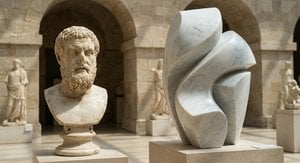
The Enduring Allure of Marble in Art History: From Classical Sculpture to Modern Abstraction
Explore the captivating history of marble sculpture from ancient Greece to modern art. Discover renowned artists like Canova & Michelangelo, carving techniques, and investment insights at ArtsDot.

Barbara Hepworth: A Sculptural Dialogue with Form, Space & the Human Condition
Explore the profound world of Barbara Hepworth's sculpture. Discover her artistic evolution, iconic forms, and lasting influence on modern art. A guide for collectors & enthusiasts.