


 Előnézet
 Megosztás
 Megosztás
 Részletek
 Útmutató

 Letöltés
 Hasonló darabok
 X-ray felvétel
 Diavetítés
 Statisztika
Nāve


 Tovább olvasom
Vásároljon nagy felbontású, javított digitális képet, amely minőségében messze felülmúlja az online előnézetet.
Minden fájlt szakembereink a legmodernebb eszközök és precíz, kézi retusálás segítségével készítenek el aprólékosan. Gondoskodunk arról, hogy minden kép kivételes tisztasággal, pontos színhelyességgel és részletgazdag finomsággal rendelkezzen.
A végleges fájl 72 órán belül e-mailben megérkezik, professzionális, szerkesztői és nyomtatási környezetbe optimalizálva az azonnali használathoz. Ez ugyanaz a minőség, amelyben a legmeghatározóbb tervezőstúdiók, kiadók és galériák is megbízhatnak.
Digitális kép
Töltsön le nagy felbontású fájlt személyes kiállításokhoz, nyomtatáshoz és kreatív projektekhez. ( Váltás nyomtatványra Kézzel festett másolat vásárlása)
Minden digitális kép rendeléséhez tartozó extrák
Szakértői digitális kézbesítés, garantáltan
Amikor a ArtsDot.com szolgáltatást választja, nem csupán egy képet kap – professzionálisan felmagasított digitális műalkotást kap, amely precizitással készült, és amelyet megelégsedési gwarancia tesz biztoslássá. Az alábbiakban automatikusan minden benne 】

Gyors e-mail teslimítés
A nagy felbontású digitális képmásolatát a megrendelést követő 72 órán belül e-mailben elküldjük Önnek – azonnal használható formátumban.

MI-alapú digitális képjavítás
Műve professzionális módon kerül optimalizálásra fejlett mesterséges intelligencia eszközök és manuális szerkesztés segítségével, biztosítva a maximális részletességet, tisztaságot és színpontosságot.

Örök életű ingyenes újradatás
Véletlenül törölted vagy elvesztetted a fájlodat? Ne aggódj – bármikor ingyen újra megküldjük neked.

Nincs importköltség – soha
Élvezze műalkotásait azonnal, vám, illeték vagy szállítási költség nélkül – a digitális letöltések mindig adamentesek.

Színpontosság garantálása
Professzionális eszközök és színkezelés segítségével garantáljuk, hogy digitális képe a lehető legpontosabban tükrözze az eredeti színeket.

100 napos elégedettségi garancia
Ha nemມີ elégedett a digitális képével, 100 napon belül felülvizsgáljuk vagy 100% visszatérítjük az amountot – kérdés बिना.

100% Pénzvisszatérítési garancia
Nem tetszett a vásárlás? 100 napon belül teljes visszatérítést garantálunk a digitális fájl megvételétől számítva – kérdés nélkül.

Tömegrendelési kedvezmények
Vásároljon 3 képet, spóroljon 10%-et - Vásároljon 5-öt, spóroljon 15%-et - Vásároljon 10+ képet, spóroljon 20%-at. Kiváló kreatív projektekhez, galériákhoz és ügynökségekhez.
Understanding the Artist's Vision
Janis Rozentāls was a prominent Latvian artist known for his contributions to the development of Latvian art. His work often featured everyday scenes, portraits, and landscapes, but Nāve stands out for its unique blend of realism and symbolism. The painting depicts a woman holding a baby in her arms, surrounded by other elements that add to the overall meaning of the piece.- The woman's gentle gaze towards the baby conveys a sense of care and nurturing.
- The presence of a cat and bird in the scene may symbolize the cycle of life and death.
- The two bottles in the background could represent the duality of life and death.
Appreciating the Artistic Value
Nāve is not only a significant work by Janis Rozentāls but also an important piece in the history of Latvian art. Its themes and symbolism continue to fascinate art lovers today. For those interested in exploring more of Janis Rozentāls' work, https://ArtsDot.com offers high-quality reproductions of his paintings, including Nāve. Visit Nāve, 1897 by Janis Rozentāls to discover more about this captivating piece.The Latvian National Museum of Arts is home to an extensive collection of Latvian art, including works by Janis Rozentāls. To learn more about the museum and its collections, visit https://ArtsDot.com. For a deeper understanding of Janis Rozentāls' life and work, see his biography on Wikipedia.
Hasonló műalkotások


Művész életrajza
A Pioneer of Latvian Painting: The Life and Art of Janis Rozentāls
Janis Rozentāls (1866-1916) stands as a monumental figure in the history of Latvian art, a painter who played a crucial role in forging a distinct national artistic identity during a period of profound cultural and political transformation. Born on March 18, 1866, in the modest surroundings of Bebri Farmstead in Courland Governorate – then part of the Russian Empire – Rozentāls’s journey from the son of a blacksmith to a celebrated artist is a testament to his unwavering dedication and exceptional talent. His early life was deeply intertwined with the rural Latvian landscape, an environment that would indelibly shape his artistic vision and serve as a constant source of inspiration throughout his career. He received his initial education at H. Krause’s Elementary School in Saldus, followed by studies at Kuldīga District School; however, it was a burning desire to express himself artistically that propelled him towards Riga at the age of fifteen, marking the beginning of his formal artistic training.Blending Tradition and Modernity: Artistic Development and Style
Rozentāls is rightfully recognized as one of the key founders of professional fine arts in Latvia. His work represents a fascinating synthesis of influences – primarily Impressionism and Art Nouveau – yet always filtered through a uniquely Latvian sensibility. He didn’t simply adopt these styles; he actively transformed them, imbuing them with a character that resonated deeply with the burgeoning national consciousness of his time. A defining characteristic of his compositions is an intentional asymmetry coupled with a flowing, wavelike rhythm – hallmarks of Art Nouveau. However, Rozentāls masterfully balanced this decorative quality with a subtle understanding of tonal variations and color relationships, preventing his work from becoming overly ornamental or losing its emotional depth. He skillfully combined flatness with soft transitions, creating images that were both visually striking and profoundly evocative. His subject matter was remarkably diverse, encompassing portraits that offered intimate glimpses into the inner lives of his subjects, landscapes celebrating the breathtaking beauty of Latvian nature – particularly vibrant spring scenes brimming with life and color – and symbolic works inspired by biblical narratives and mythological themes. In 1910, he undertook a significant commission to create decorative friezes for the Riga Latvian Society, showcasing his ability to work on a monumental scale while maintaining artistic integrity and a deep connection to his subject matter. Beyond painting, Rozentāls was also a prolific graphic artist, producing book designs, magazine illustrations, posters, and drawings – demonstrating the breadth of his creative talent and versatility.A Finnish Interlude: Marriage and Artistic Exchange
A pivotal moment in Rozentāls’s life unfolded in 1902 when he met Elli Forssell, a captivating Finnish singer, in Riga. Their marriage in 1903 proved to be more than just a personal union; it served as a catalyst for artistic exchange and broadened his horizons immeasurably. The connection with Finland profoundly influenced his interests, leading him to deeply appreciate the work of Finnish artists such as Gallen-Kallela, Järnefelt, Halonen, and Saarinen. He wrote extensively about their art, recognizing in them a kindred spirit – a shared commitment to expressing national identity through innovative artistic forms. From 1905 to 1916, the family resided in Helsinki, providing Rozentāls with an immersive experience of Finnish culture and further enriching his artistic perspective. This period was marked by continued artistic productivity; he seamlessly integrated his Latvian roots with the influences of his adopted environment, creating a truly unique and compelling body of work.Lasting Legacy: Major Works and Historical Significance
Rozentāls’s legacy is firmly established through a remarkable collection of works that continue to captivate audiences today. His portraits – including those of A. Dombrovskis, Rūdolfs Blaumanis, and his beloved wife Elli Forssell – are not merely likenesses but insightful studies of character and personality, capturing the essence of their subjects with remarkable sensitivity. Landscapes such as “From Church” (1894) and “Picnic” (1913) beautifully capture the serene beauty of the Latvian countryside, imbued with a sense of nostalgia and reverence for nature’s enduring spirit. His symbolic works – including "Temptation" and "Eve with the Apple" – explore universal themes of morality, desire, and spirituality with a unique blend of realism and symbolism, inviting viewers to contemplate profound questions about human existence. He also created altar pieces for Latvian churches, adapting his style to suit a broader audience while consistently maintaining artistic quality and a deep connection to his heritage. Janis Rozentāls died on December 26, 1916, in Helsinki, Finland, but was later reburied in Forest Cemetery, Riga, in 1920. His impact extends far beyond his paintings; the Janis Rozentāls Art High School in Riga stands as a lasting testament to his dedication to artistic education, and a memorial museum located in the building he designed in Saldus preserves his life and work for future generations. He remains a pivotal figure in Latvian art history, celebrated not only for his artistic achievements but also for his significant contribution to the development of a distinct national identity through art – truly a pioneer.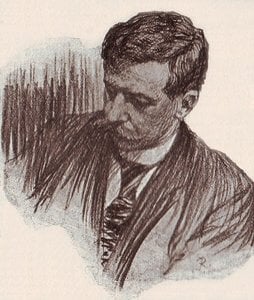
Janis Rozentāls
1866 - 1916 , Lettország
Rövid tények
- Artistic Movement Or Style: Impressionizmus, Art Nouveau
- Artists Or Movements Influenced By This Artist: ['Finnish art']
- Date Of Birth: 1866. március 18.
- Date Of Death: 1916. decz. 26.
- Full Name: Janis Rozentāls
- Nationality: Lettország
- Notable Artworks:
- Haladás
- Templomról
- Picnic
- Csábítás
- Place Of Birth: Saldus, Lettország