

 Megtekintés
 Küldés
 Megosztás
 Részletek
 Útmutató

 Letöltés
 Hasonló darabok
 X-ray felvétel
 Diavetítés
 Q&A
Q&A Statisztika
The White Peacock

- 191.0 x 166.0 cm


 Összes részlet megjelenítése
Giclée / Műnyomat
Múzeumi minőségű giclée vagy vászonnyomat, gyors gyártással és rugalmas finomítási lehetőségekkel. ( Kézzel festett másolat rendelése Áttérés digitális képre)




P118B Ft10

P118H Ft10

P118W Ft10

P438Z Ft10

P508JH Ft12

P508YH Ft12

P805H Ft10

P805Z Ft10

P919BZ Ft10

P919G Ft10

P919XJ Ft10

P959ZH Ft10

P968JZ Ft12

W106C Ft8

W218G Ft10

W218JH Ft8

W218Y Ft10

W307PJ Ft10

W316G Ft10

W316PJ Ft8

W316Y Ft10

W398PJ Ft8

W4111J Ft10

W500HY Ft15

W500JH Ft15

W692G Ft12

W849H Ft8

W940BG Ft15

W953PJ Ft8




Válasszon előre meghatározott méreteink közül, amelyek megfelelnek a műalkotás eredeti arányainak.

Írja be a keretének vagy a falának megfelelő szélességet és magasságot. A nyomatot csak le lehet vágni, soha nem tehető nagyobbá, mint az eredeti kép, így egy eltérő alakú méretnél a kép egy része elveszik. Mielőtt bármit kinyatintanánk, küldünk egy digitális próbamodellt jóváhagyásra. Az oldalon látható kép nem tartalmazza a valós levágást — ezt csak a próbamodell mutatja meg.
Világszerte történő kiszállítás területére mindössze 2 hét alatt, a szokásos 4-5 hét helyett. (2 november)

Ingyenes globális expressz szállítás

Prémium minőségű len vászon

Teljes körű szállítási biztosítás

Vámvisszatérítési Garancia

Hiteles színarányosság garancia

100 napos visszaküldési lehetőség (csak hibás termékek esetén)

100% pénzvisszatérítési garancia

Több darab vásárlásakor kedvezmény
 Az üvegkeretes opció csak 110 cm alatti méretben érhető el

The White Peacock
Giclée / Műnyomat
Reprodukció mérete
-


Összesített ár
Ft 20306
A Symphony of Light and Decay
In the quiet, shadowed corners of the Dutch Golden Age, Jan Weenix crafted a visual language that spoke far more profoundly than mere imitation. His masterpiece, “The White Peacock,” completed in 1693, stands as a breathtaking testament to the Baroque era’s obsession with the tension between life and death. At first glance, the viewer is arrested by the luminous presence of the central figure: a magnificent white peacock, its plumage spread in an elaborate, ethereal display that seems to catch a light source from beyond the frame. Yet, as the eye wanders from this brilliant centerpiece, the scene reveals a more somber narrative. Perched upon a decaying tree stump and accompanied by a resting brown hare and the stillness of lifeless birds, the painting presents a poignant meditation on the cyclical rhythms of existence—a delicate dance between vibrant beauty and inevitable ruin.
Weenix’s technical mastery is nothing short of extraordinary, utilizing the chiaroscuro technique to sculpt form out of the darkness. Through painstaking detail, he renders the tactile reality of the natural world; one can almost feel the softness of the peacock's feathers, the coarse fur of the hare, and the rough, weathered texture of the decomposing wood. His brushstrokes, though seamlessly blended to create an illusion of profound depth, possess a controlled energy that breathes life into the organic matter. This meticulous realism serves a higher purpose, elevating the work from a simple animal study to a complex psychological landscape. The dramatic contrasts between light and shadow do more than just define shape; they imbue the atmosphere with a palpable sense of drama and mystery, drawing the collector into a world where every shadow holds a secret.
Symbolism and the Baroque Soul
To gaze upon “The White Peacock” is to engage with a rich tapestry of seventeenth-century symbolism. In the lexicon of the era, the peacock was often a symbol of nobility, pride, and even immortality due to its perceived ability to renew itself. However, by placing this regal creature amidst symbols of mortality—the dead birds and the decaying stump—Weenix creates a powerful vanitas motif. This juxtaposition reminds the viewer of the fleeting nature of earthly glory and the inescapable reality of decay. For the modern connoisseur or interior designer, this duality offers an incredible emotional depth; the painting does not merely decorate a space, it anchors it with intellectual weight and a sense of timeless contemplation.
The historical context of Amsterdam during this period adds another layer of intrigue to the work. As a period of intense artistic experimentation, the Dutch Baroque sought to explore themes that resonated with the cultural anxieties of an era grappling with change. Weenix, trained in the tradition of his father Jan Baptist Weenix, brought a refined sensitivity to these themes, blending the grandeur of the Baroque with a quiet, observational intimacy. For those seeking to incorporate a high-quality reproduction into a curated collection, this piece offers more than aesthetic pleasure; it provides a window into a vanished world of philosophical inquiry and unparalleled artistic devotion.
Kérdések és válaszok
A „The White Peacock” 1693-es dátuma Jan Weenix pályájának mely szakaszára tekintthető?
A "The White Peacock", amely 1693 évben készült, Jan Weenix pályájának Mature Baroque szakaszába tartozik.
Milyen formájú és méretű „The White Peacock”, Jan Weenix alkotása?
A "The White Peacock" formátuma Portrait, az eredeti mérete pedig 191 x 166 cm. Mindkét információ hasznos, ha reprodukciót tervezünk.
Milyen méretet és vízszintes vagy függőleges elrendezést javasolnak a „The White Peacock”, Jan Weenix alkotása nyomtatványához?
A "The White Peacock" esetében a javasolt nyomtatási beállítás a Large méret és a Portrait orientáció.
Hasonló műalkotások


A művész életrajza
A holland realizmus öröksége: Jan Weenix élete és művészete
Jan Weenix, aki 1641-ben született Amsterdamban, egy mélyen művészi hagyományokba ágyazott családtagnak bizonyult, apjától, az becsületes Jan Baptist Weenixtől örökölve a festészet iránti szenvedélyét. Bár korai éveinek pontos részletei még mindig kissé rejtélyesek, egyértelmű, hogy fiatal Jan az apja műtermében kapta meg alapvető képzéseit, elsajátítva azokat a technikákat, amelyek elengedhetetlenek voltak a szűzlet és az állati motívumok ábrázolásához – ez a holland aranykorú művészet egyik legmeghatározóbb jellemzője volt. Ez a családi hatás nem csupán technikai jellegű volt; mély alázatot sowed a természet aprólékos megfigyelésébe és az elkötelezettséget a szépség lenyűgöző realizmusmal való megjelenítéséhez. Az idősebb Weenix saját művészeti utazása, beleértve az olaszországi tartózkodásait is, amelyek olaszos érzékiséggel árasztották meg munkásságát, kétségtelenül formálták Jan fejlődő esztétikai ízlését is. Bár kezdetben apja hírnege árnyékolta, Jan hamar ki tudta váltani magát, egyedülálló utat törve be a 17. századi holland festészet vibráló tájában.A barokk stílus virágzása
Weenix művészeti stílusa a barokk korszak csúcsán virágzott ki, tükrözve az kor drámaiság iránti vágyát, a gazdag részletgazdagságot és a dinamikus kompozíciók szeretetét. Nem dolgozott magányosan; kortársai, mint Hendrick Cornelisz Vroom, a tengeri festészet mestere, vagy más állatábrázoló specialisták, például Melchióz de Hondecoeter és Gillis Claesz d'Hondecoeter hatásai finoman formálták megközelítését. Weenix azonban ezeket a kortárs inspirációkat egy teljesen saját stílusba olvasztotta össze. Vászai olyan fotóyszerű precizitással jellemzhetők, amely a textúrák ábrázolásában tűnik fel – a tollak fényében, a szőr puhaságában, a gyümölcsök finom áttetszőségében –, mindezt mesteri ecsettéggel és a fény és árnyék mély ismeretével érte el. A chiaroscuro, vagy fény-árnyék játék drámai váltakozása olyan mélységet és vizuális érdekességet teremt, amely lenyűgöző realizussal vonja a nézőt a jelenbe. Élethús színpalettája tovább éleszt alanyait, azonnali közelség és vitalitás érzését kölcsönözve nekik. Kivételes képességgel rendelkezett a keret elemeinek elrendezésében, kiegyensúlyozott és harmonikus kompozíciókat alkotva, amelyek egyszerre vonzóak és narratív szempontból is magával ragadóak.Remekművek és megbízások
Pályája során Jan Weenix hatalmas mennyiségű olyan művet alkotott, amelyeket technikai brillanciájukról és lenyűgöző témáikról ismert a művészet története. Olyan festmények, mint a Vadászat és gyümölcsszűzlet kerti vázzal mellett (1714), példaként szolgálnak arra a képességére, hogy különféle elemeket – vadmadarakat, buja gyümölcsöket, építészeti részleteket – egy összetett és vizuálisan lenyűgöző egységgé gyúrjon. A Still Life with a Hare and other Game (1697) felmutatja az állati anatomia és textúra mesteri uralmát, alanyai élethű minőségét rendkívüli pontossággal örökítve meg. Még kisebb alkotásai, mint például az Ülő majom (1685 előtt), szintén felfedik azt a tehetséget, amellyel az állatokat személyességgel és kifejező karakterrel ruházta fel. Ez a készség nem maradt észrevétlen a neves megbízódók számára sem. 1702-ben Weenix meghívást kapott Johann Wilhelm, a palatinus elektorsági udvarába, ahol más híres művészekkel együtt dolgozott, hatalmas méretű vadászatokat készítve a Schloss Bensberg számára – ami growing hírnevének és művészeti tudásának bizonyítékaként szolgált. Ezek a megbízások egyszerre biztosították számára anyagi biztonságot és lehetőséget arra, hogy tovább finomítsa képességeit.
Jan Weenix
1641 - 1719 , Hollandia
Rövid információk
- Artistic Movement Or Style: Holland barokk
- Artists Or Movements Influenced By This Artist: ['Maria Weenix']
- Artists Who Influenced This Artist:
- Jan Baptist Weenix
- Hendrick Vroom
- Date Of Birth: 1641
- Date Of Death: 1719
- Full Name: Jan Weenix
- Nationality: Holland
- Notable Artworks:
- Vadászati és gyümölcs ábrázolású csendstill élet
- Csillapító still élet nyúlkalászlal
- Egy ülő majom
- A fehér pavian
- Place Of Birth: Amszterdam, Holland
Kapcsolódó cikkek
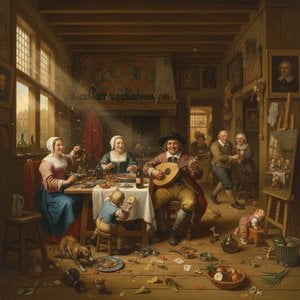
Jan Steen: A Master of Dutch Genre Painting & the Golden Age
Explore the life & art of Jan Steen, a leading Dutch Golden Age painter renowned for his humorous genre scenes & insightful social commentary. Discover his techniques, legacy, and collecting tips.

Oil on Canvas: A Historical & Technical Exploration of a Timeless Artistic Medium
Explore the rich history & enduring techniques of oil painting on canvas. Discover the science behind its longevity, conservation practices, and contemporary relevance. Expert insights for art enthusiasts.

A Hollandi Barokk 10 Mesterműve: Festmények, Amelyek Megváltoztatták a Világot | ArtsDot
Fedezze fel a holland barokk 10 legikonikusabb műalkotását! Rembrandt, Vermeer és más mesterek festményeinek története, technikája és időtálló szépsége. Művészeti reprodukciók prémium minőségben – ArtsDot.com.

A Fehér Szín Mesterei: 10 Híres Festmény, Amelyek Elvarázsolnak – ArtsDot.com
Fedezze fel a 10 legikonikusabb fehér tónusú festményt! Monet, Van Gogh és más mesterek alkotásainak története. Vászonképek, reprodukciók – inspiráció otthonába. ArtsDot.com: minőségi művészet online.

Golden Age Reflections: Dutch Baroque Painting & Cultural Innovation
Explore the Dutch Golden Age of painting! Discover key artists like Vermeer & ter Borch, their innovative techniques, and the rich cultural context behind these Baroque masterpieces. Learn about collecting & appreciating this iconic art period.

