

 Megtekintés
 Küldés
 Megosztás
 Részletek
 Útmutató

 Letöltés
 Hasonló darabok
 X-ray felvétel
 Diavetítés
 Kérdések és válaszok
 Statisztika
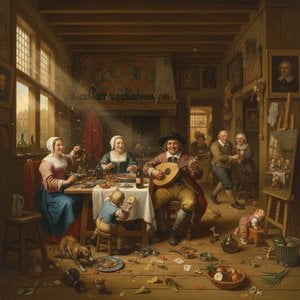
Genre Scene

- 22.0 x 35.0 cm


 Összes részlet megjelenítése
Giclée / Műnyomat
Múzeumi minőségű giclée vagy vászonnyomat, gyors gyártással és rugalmas finomítási lehetőségekkel. ( Kézzel festett másolat rendelése Áttérés digitális képre)




P118B Ft10

P118H Ft10

P118W Ft10

P438Z Ft10

P508JH Ft12

P508YH Ft12

P805H Ft10

P805Z Ft10

P919BZ Ft10

P919G Ft10

P919XJ Ft10

P959ZH Ft10

P968JZ Ft12

W106C Ft8

W218G Ft10

W218JH Ft8

W218Y Ft10

W307PJ Ft10

W316G Ft10

W316PJ Ft8

W316Y Ft10

W398PJ Ft8

W4111J Ft10

W500HY Ft15

W500JH Ft15

W692G Ft12

W849H Ft8

W940BG Ft15

W953PJ Ft8




Válasszon előre meghatározott méreteink közül, amelyek megfelelnek a műalkotás eredeti arányainak.

Írja be a keretének vagy a falának megfelelő szélességet és magasságot. A nyomatot csak le lehet vágni, soha nem tehető nagyobbá, mint az eredeti kép, így egy eltérő alakú méretnél a kép egy része elveszik. Mielőtt bármit kinyatintanánk, küldünk egy digitális próbamodellt jóváhagyásra. Az oldalon látható kép nem tartalmazza a valós levágást — ezt csak a próbamodell mutatja meg.
Világszerte történő kiszállítás területére mindössze 2 hét alatt, a szokásos 4-5 hét helyett. (8 november)

Ingyenes globális expressz szállítás

Prémium minőségű len vászon

Teljes körű szállítási biztosítás

Vámvisszatérítési Garancia

Hiteles színarányosság garancia

100 napos visszaküldési lehetőség (csak hibás termékek esetén)

100% pénzvisszatérítési garancia

Több darab vásárlásakor kedvezmény
 Az üvegkeretes opció csak 110 cm alatti méretben érhető el

Genre Scene
Giclée / Műnyomat
Reprodukció mérete
-


Összesített ár
Ft 20530
A Window into Seventeenth-Century Life: Jan Miel’s “Genre Scene”
Jan Miel's "Genre Scene," painted circa 1650s, is more than just a depiction of rural life; it’s a meticulously crafted portal into the heart of early modern Europe. This oil on copper painting, measuring a modest 22 x 35 cm, offers a remarkably intimate glimpse into the daily rhythms and social interactions of a Flemish village during the mid-17th century. Far from being merely a snapshot, Miel’s work is imbued with a subtle narrative complexity that invites contemplation long after the initial viewing.
The scene unfolds within a sun-drenched landscape – rolling hills punctuated by scattered trees and a subtly clouded sky – establishing an immediate sense of tranquility. At the forefront, three figures engage in seemingly simple activities: a man, likely a farmer or shepherd, directs his attention towards the viewer with a gesture suggesting both authority and perhaps a touch of wry amusement; a second figure, clad in brown, tends to a donkey, its open mouth hinting at either feeding or playful interaction; and finally, a woman in a vibrant yellow dress interacts with a goat, her posture conveying warmth and connection. These figures aren’t presented as grand heroes or historical figures; they are ordinary people, caught in the everyday tapestry of rural existence.
The Baroque Influence: Earth Tones and Dramatic Light
Miel's masterful technique firmly anchors this scene within the Baroque style, a period characterized by its dramatic use of light and shadow, rich textures, and an emphasis on realism. The palette is dominated by earthy tones – ochres, browns, greens – creating a sense of groundedness and naturalism. The artist’s skillful manipulation of oil paint allows for subtle gradations in color and tone, imbuing the figures with volume and depth. Notice particularly how light falls across the landscape, casting long shadows that define the forms and create a palpable sense of atmosphere. The copper panel itself contributes to the painting's visual impact; its reflective surface enhances the luminosity of the colors and adds a subtle sheen to the scene.
A Glimpse into the Bamboccianti Tradition
“Genre Scene” is deeply rooted in the artistic tradition known as ‘Bamboccianti,’ which flourished in Rome during the 17th century. This movement, spearheaded by artists like Pieter van Laer, sought to depict scenes of everyday life – often featuring humble subjects engaged in their trades or leisure activities – with a keen eye for realism and social commentary. The Bamboccianti rejected the idealized portrayals favored by earlier Renaissance painters, instead focusing on the realities of urban and rural life. Miel’s work exemplifies this shift, presenting a believable and unvarnished depiction of village life, free from romantic embellishment.
Symbolism and Social Commentary
Beyond its surface realism, “Genre Scene” subtly hints at social dynamics and perhaps even moral considerations. The farmer's direct gaze towards the viewer invites engagement, suggesting a connection between the observer and the depicted scene. The interaction between the woman and the goat evokes themes of domesticity and rural labor. While seemingly simple, these details contribute to a richer understanding of the painting’s meaning. The inclusion of animals – the donkey, the goat, and the dogs – further reinforces the painting's connection to the land and its inhabitants.
A Legacy Preserved: The Hermitage Museum
Today, “Genre Scene” resides within the esteemed collection of the Hermitage Museum in St. Petersburg, Russia, a testament to Miel’s enduring artistic legacy. Its presence there speaks to the painting's significance as a pivotal work in the development of genre painting and its continued appeal to art lovers across centuries. Reproductions of this captivating artwork offer a remarkable opportunity to experience the artistry and insight of Jan Miel, transporting viewers back in time to witness a fleeting moment in the vibrant tapestry of seventeenth-century Europe.
Kérdések és válaszok
Melyik szobához ajánlott a „Genre Scene”, Jan Miel alkotása?
A „Genre Scene”, Jan Miel alkotása ajánlott egy Living Room számára. Ez a javaslat a mű témáján, színein és hangulatán alapul.
Hol és milyen célra ajánlott a "Genre Scene"?
A "Genre Scene" művet Reflective célokra javasoljuk, a legalkalmasabb helyszín pedig egy Living Room.
Milyen technika és milyen méret jellemzi az eredeti „Genre Scene”, Jan Miel alkotása alkotást?
Az eredeti „Genre Scene”, Jan Miel alkotása egy Oil On Copper alkotás, amelynek mérete 22 x 35 cm. A technika és a méret az eredeti műre vonatkozik.
Hasonló műalkotások


A művész életrajza
Jan Miel: A híd a holland realizmus és a barokk pompásága között
Jan Miel (1599–1663) a xvii. század művészeti tájában meghatározó alakként áll fent, testét hítozva a flamandra hagyományok és az olasz innováció lenyűgöző találkozásának. Bár születési helyét Antwerpen vagy ’s-Hertogenbosch is megnevezheti, Belgium Beverenében született művész korai élete viszonylag sötétben 못한, így életrajzi részletei ritkák maradnak. A tudományos kutatásokból azonban egy olyan lenyűgöző művészeti utazás rajzolódik ki, amelyet stilisztikai fejlődés és olyan kollaboratív törekvések jellemeztek, amelyek végleg rögzítették helyét Róma és Torino vibráló kulturális környezetében.
Formálódó éveit elsősorban Antwerpenben töltötte, ahol olyan neves flamandra mesterek hatásait szívta magába, mint Anthony van Dyck. Bár képzése pontos körvonala elérhetetlen marad, kétségtelenül mély elismerést ébresztett benne a precíz megfigyelés és a kifinomult technika iránt – tulajdonságok, amelyek későbbi életművének meghatározó elemei lettek. A klasszikus rajztudásban és a portretúra alapozása olyan esszenciális eszköztárral ruházta fel, amely később képes volt meghaladni a regionális határokat is.
A római átalakulás és a Bamboccianti szellemiség
Miel 1636 körül Rómaに való megérkezése fordulópontot jelentett művészeti pályáján. Gyorsan csatlakozott a Bentvueghels nevű befolyásos társuláshoz, amely a Föld örök városában élő holland és flamandra művészek közössége volt. E testvériségben vette fel emlékezetes becenevet is: „bieco”, ami egy jellegzetes szúró tekintetét tükrözte – egy olyan karakterisztika, amely később művészneve szinonimává vált. Ez a társasági hálózat mély kapcsolatokat teremtett egy szélesebb művészeti közösségen belül, amelyet Pieter van Laer Bamboccianti stílusa mélyen meghatározott.
Ez a mozgalom Róma és környezetének alsóbb rétegeinek mindennapi életét volt feladatul tűzőtt, elkerülve a magasrenesszáns művészet idealizált pompáját egy sokkal kézzelfoghatóbb és közvetlenebb ábrázolás érdekében. Miel teljes szívvel magába fogadta ezt a trendet, lenyűgöző műgenre alkotásokkal, amelyek a városi létezés szellemét ragadták meg figyelemre méltó realizmussal és érzékenységgel. Műveiben gyakran megjelentek:
- Élettel teli utcai jelenetek utazókkal, kereskedőkkel és munkásokkal.
- A fény mesteri használata, amely a római sikátorok poros, napsütötte hangulatát idézi meg.
- Az emberi érzelmek finom kölcsönhatása a zsúfolt, kaotikus környezetben.
- A textúrák – az anyagok, a kő és a föld – aprólékos figyelme.
Evolució a klasszicizmus és a udvari fenség felé
Pályafutása előrehaladtával Miel művészeti víziója jelentős metamorfózisán ment keresztül. Bár továbbra is a műgenre alkotások mestere maradt, elmozdult a Bamboccianti stílus nyers realizmusától, és inkább klasszicizáló történelmi festmények irányába fordult. Ez a váltás az európai művészet szélesebb körű trendjét tükrözte, ahol a barokk nyers energiáját egyre inkább felváltotta a rend, a nemesség és a klasszikus alegória iránti vágy.
Ez az evolúció végül tekintélyes megbízásokhoz vezetett, legkiemelkedebben pedig Savoj trónбороja, II. Bertalan (Charles Emanuel II) udvari művészeként szolgált. Torinoi udvari szolgálatában Miel munkássága formálisabb és pompásabb karaktert öltött fel. Korábbi római jeleneteinek intimitása áldozta fel magát nagyobb skálájú és összetettebb kompozícióknak, amelyek királyi mecénása hatalmát és presztízsét voltak hivatottak tükrözni. Ez a korszak képviseli szakmai eredménye csúcspontját, ahol részletgazdag flamandra gyökerei találkoztak az európai arisztokrácia által követelt nagyszabású, áramló narratívákkal.
Jan Miel történelmi jelentősége abban rejlik, hogy képes volt navigálni ezen különálló világok között. Olyan művész volt, aki képes volt szépséget találni egy római utcai gyermek szerény küzdelmeiben és méltóságot az ősi epikus történetekben is. Áthidalva a szakadékot hetente realizmusa és a déli klasszicizmus dramatikus közötti, Miel maradandót hagyott a xvii. századi kanonban, biztosítva örökségét a barokk kor valódi kosmopolitájaként.

Jan Miel
1599 - 1663 , Belgium
Rövid információk
- Artistic Movement Or Style: Bamboccianti, Klasszicista
- Artists Or Movements Influenced By This Artist: ['Pieter van Laer']
- Artists Who Influenced This Artist: ['Anthony van Dyck']
- Date Of Birth: 1599 Beveren, Belgium
- Date Of Death: 1663
- Full Name: Jan Miel
- Nationality: Flandriai
- Notable Artworks:
- Tájkép két kosz harccsal
- Római méskilcc szerencsejátékot játszó parasztokkal
- Place Of Birth: Beveren, Belgium
Kapcsolódó cikkek

Jan Brueghel the Elder: A Master of Flemish Landscape & Allegory – Exploring Innovation & Influence
Explore the captivating world of Jan Brueghel the Elder, a Flemish Baroque master renowned for his stunning landscapes & allegorical paintings. Discover his collaborations with Rubens and lasting artistic legacy.

Jacob Jordaens: Baroque Dynamism & Genre Innovation of the Antwerp School
Discover Jacob Jordaens, a leading Flemish Baroque painter renowned for his dynamic compositions & realistic genre scenes. Explore his life, art, and lasting influence with ArtsDot.

Barokk dráma: A nagyság és az érzelem bevonása a kortárs belső terekbe
Fedezze fel a barokk stílus nagyságát és drámáját! Ismerje meg a belsőépítészet jellegzetességeit, inspirálódjon híres enteriőrökből, és valósítsa meg álmai luxus otthonát szakértő útmutatásunkkal.

The Visceral Stage: Exploring Dramatic Narratives & Emotional Intensity in Baroque Art
Explore the dramatic world of Baroque art! Discover iconic masters like Caravaggio & Rembrandt, their techniques, and the movement's lasting impact. Expert insights for collectors & enthusiasts at ArtsDot.
Jan Steen: A Master of Dutch Genre Painting & the Golden Age
Explore the life & art of Jan Steen, a leading Dutch Golden Age painter renowned for his humorous genre scenes & insightful social commentary. Discover his techniques, legacy, and collecting tips.