


 Megtekintés
 Küldés
 Megosztás
 Részletek
 Útmutató

 Letöltés
 Hasonló darabok
 X-ray felvétel
 Diavetítés
 Statisztika
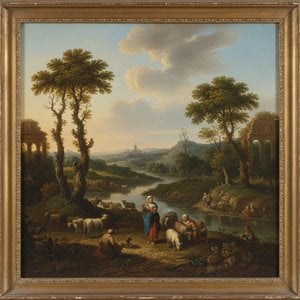
Landscape

 Összes részlet megjelenítése
Kézzel készített olajfestmény reprodukció
Kézzel festett olajvastú vászon, az Ön által választott méretben és keretben, művészeink készítik meglévőre. ( Váltás nyomtatványra Áttérés digitális képre)




































Válasszon előre meghatározott méreteink közül, amelyek megfelelnek a műalkotás eredeti arányainak.

Írja be a kívánt szélességet és magasságot, hogy illeszkedjen a keretéhez vagy a falához. Mivel ez kézzel festett alkotás, egy eltérő formájú méret esetén a művész akár festhet is valamivel többet a kép körül, vagy korolathat is belőle — az Ön döntésének megfelelően. A festés megkezdése előtt küldünk egy digitális tervezetet jóváhagyásra. Az oldalon látható kép nem tartalmazza a végeredményt — csak a tervezet mutatja meg a valódi eredményt.
A rendelést követően a ArtsDot.com csapata e-mailt küld az ügyfélnek az instrukciókért, és biztosít egy előnézeti képet (mockup).
Világszerte elérhető szállítás () 3-4 hét alatt a szokásos 5 hét helyett. (26 október). A minőség nem kérdőjelezhető.

Ingyenes globális expressz szállítás

Prémium minőségű len vászon

Teljes körű szállítási biztosítás

Vámvisszatérítési Garancia

Hiteles színarányosság garancia

100 napos visszaküldési lehetőség (csak hibás termékek esetén)

100% pénzvisszatérítési garancia

Több darab vásárlásakor kedvezmény
 Az üvegkeretes opció csak 110 cm alatti méretben érhető el

Landscape
Reprodukciós technika
Reprodukció mérete
-


Összesített ár
Ft 124365
Hasonló műalkotások


A művész életrajza
A Life Dedicated to Floral Splendor: Jan Frans van Dael
Jan Frans van Dael, born in Antwerp in 1764 and passing away in Paris in 1840, was a Flemish painter who cultivated a remarkable career specializing in the delicate art of still life—particularly flowers and fruit. While his name may not be as instantly recognizable as some of the Old Masters, Van Dael’s work embodies a refined elegance and technical skill that secured him patronage among the highest echelons of French society during the Empire and Restoration periods. His journey reflects a fascinating intersection of Flemish tradition and Parisian sophistication.
Early Training and Parisian Embrace
Van Dael's artistic beginnings were rooted in architectural drawing at the Antwerp Academy, where he distinguished himself by winning first prizes in 1784 and 1785. However, his path took a decisive turn when he relocated to Paris in 1786. Initially residing within the artists’ quarters of the Louvre, he found himself amidst a vibrant community that included fellow painters like Piat Joseph Sauvage, Gerard van Spaendonck, and Pierre-Joseph Redouté—artists who would significantly influence his development. He initially worked as a decorator, contributing to projects at prestigious châteaux such as St. Cloud, Bellevue, and Chantilly. This early experience honed his meticulous attention to detail and appreciation for decorative arts, qualities that would later define his still lifes.
The Bloom of a Unique Style
Under the guidance of van Spaendonck, Van Dael transitioned from decoration to flower painting, discovering a true calling. He regularly exhibited at the Paris Salon between 1793 and 1833, steadily gaining recognition for his compositions. His success wasn’t merely aesthetic; it was also strategic. Van Dael skillfully blended the sober composition and precise detail characteristic of Flemish flower painting—think Roelandt Savery—with a distinctly French-inspired monumentality. This fusion appealed to the tastes of an increasingly discerning clientele, including Empress Josephine, who owned five of his works, and later, Marie-Louise Bonaparte, Louis XVIII, and Charles X.
Patronage and Artistic Legacy
Van Dael’s career flourished under imperial and royal patronage. He wasn't simply *painting* flowers; he was crafting opulent displays that reflected status and refined taste. His compositions often featured a diverse array of species, meticulously studied from life, demonstrating his botanical knowledge alongside artistic skill. He became a member of the Academies of Antwerp and Amsterdam, solidifying his position within the art world. Beyond his own creations, Van Dael was also an avid collector of works by other flower artists—both contemporaries and masters like Jan Davidsz. de Heem, Abraham Mignon, Rachel Ruysch, and Jan van Huysum—suggesting a deep engagement with the history of his chosen genre.
A Lasting Impression
Jan Frans van Dael’s influence extended beyond his own brushstrokes. He nurtured a generation of pupils, including Jean Benner-Fries, Elise Bruyère, Laurent Coste, Vicomtesse Iphigénie Decaux-Milet-Moreau, Henriëtte Geertruida Knip, Elisa-Emilie Le Mire, Auguste Piquet de Brienne, Christiaan van Pol, and Jean Ulrich Tournier. He spent his entire active career in France, dying in Paris in 1840 and finding final rest alongside his friend van Spaendonck in the Père Lachaise cemetery. Today, his works can be admired in museums like Museum Smidt Van Gelder in Antwerp, offering a glimpse into the serene beauty and technical mastery of an artist who dedicated his life to capturing the ephemeral splendor of flowers.

Jan Frans Van Dael
1764 - 1840 , Belgium
Rövid információk
- Full Name: Jan Frans van Dael
- Nationality: Dutch
- Date Of Birth: 1764
- Date Of Death: 1840
- Place Of Birth: Antwerp, Belgium
- Notable Artworks:
- Vase de Fleurs
- Basket of Fruit
- Flower Still-Life
- Artistic Movement Or Style: Dutch Landscape Painting
- Artists Who Influenced This Artist:
- Jan van Eyck
- Simon Fokke
- John Greenwood
- Gerard van Spaendonck
- Artists Or Movements Influenced By This Artist: ['Dutch Golden Age']
Kapcsolódó cikkek

A Hollandi Aranykor 10 Mesterműve: Festmények, Amelyek Megváltoztatták a Világot | ArtsDot.com
Fedezze fel a Hollandi Aranykor 10 legikonikusabb műalkotását! Rembrandt, Vermeer és más mesterek festményeinek történeteit olvassa el. Barokk stílus, klasszikus művészet – inspirálódjon otthon dekorációjához a ArtsDot.com-on! Fedezze fel a teljes gyűjteményt online.
Nicolaes Berchem: Dutch Golden Age Pastoralism & the Evolution of Landscape Painting
Explore the captivating world of Nicolaes Berchem, a leading Dutch Golden Age painter. Discover his idyllic landscapes, masterful technique & lasting influence on art history. Learn more at ArtsDot.

Golden Light & Dutch Skies: Bringing the Magic of Dutch Golden Age Landscapes into Your Home
Transform your home with the breathtaking light of Dutch Golden Age landscapes. Discover how hand-painted oil reproductions of masterworks like Ruisdael and Vermeer bring timeless elegance, atmosphere, and soulful texture to modern interiors. Elevate your space with museum-quality art.

Golden Age Reflections: Dutch Baroque Painting & Cultural Innovation
Explore the Dutch Golden Age of painting! Discover key artists like Vermeer & ter Borch, their innovative techniques, and the rich cultural context behind these Baroque masterpieces. Learn about collecting & appreciating this iconic art period.

Illuminating Innovation: Exploring the Dutch Golden Age of Painting
Explore the Dutch Golden Age of painting with ArtsDot. Discover Rembrandt, Vermeer & other Masters. Learn about key characteristics, iconic artworks, and lasting influence. Expert insights for collectors & enthusiasts.