

 Megtekintés
 Küldés
 Megosztás
 Részletek
 Útmutató

 Letöltés
 Hasonló darabok
 X-ray felvétel
 Diavetítés
 Kérdések és válaszok
 Statisztika
Still Life with Fish and Shells


 Összes részlet megjelenítése
Giclée / Műnyomat
Múzeumi minőségű giclée vagy vászonnyomat, gyors gyártással és rugalmas finomítási lehetőségekkel. ( Kézzel festett másolat rendelése Áttérés digitális képre)




P118B Ft10

P118H Ft10

P118W Ft10

P438Z Ft10

P508JH Ft12

P508YH Ft12

P805H Ft10

P805Z Ft10

P919BZ Ft10

P919G Ft10

P919XJ Ft10

P959ZH Ft10

P968JZ Ft12

W106C Ft8

W218G Ft10

W218JH Ft8

W218Y Ft10

W307PJ Ft10

W316G Ft10

W316PJ Ft8

W316Y Ft10

W398PJ Ft8

W4111J Ft10

W500HY Ft15

W500JH Ft15

W692G Ft12

W849H Ft8

W940BG Ft15

W953PJ Ft8




Válasszon előre meghatározott méreteink közül, amelyek megfelelnek a műalkotás eredeti arányainak.

Írja be a keretének vagy a falának megfelelő szélességet és magasságot. A nyomatot csak le lehet vágni, soha nem tehető nagyobbá, mint az eredeti kép, így egy eltérő alakú méretnél a kép egy része elveszik. Mielőtt bármit kinyatintanánk, küldünk egy digitális próbamodellt jóváhagyásra. Az oldalon látható kép nem tartalmazza a valós levágást — ezt csak a próbamodell mutatja meg.
Világszerte történő kiszállítás területére mindössze 2 hét alatt, a szokásos 4-5 hét helyett. (12 november)

Ingyenes globális expressz szállítás

Prémium minőségű len vászon

Teljes körű szállítási biztosítás

Vámvisszatérítési Garancia

Hiteles színarányosság garancia

100 napos visszaküldési lehetőség (csak hibás termékek esetén)

100% pénzvisszatérítési garancia

Több darab vásárlásakor kedvezmény
 Az üvegkeretes opció csak 110 cm alatti méretben érhető el

Still Life with Fish and Shells
Giclée / Műnyomat
Reprodukció mérete
-


Összesített ár
Ft 20495
A Feast for the Eyes: Decoding James Ensor’s Still Life with Fish and Shells
James Ensor's *Still Life with Fish and Shells*, painted in 1898, is far more than a depiction of inanimate objects; it’s a vibrant, unsettling exploration of life, decay, and the anxieties simmering beneath the surface of fin-de-siècle Europe. This oil on canvas exemplifies Ensor's pivotal role in the development of Expressionism, showcasing his unique ability to imbue everyday subjects with profound psychological weight. The painting presents an opulent arrangement of marine life – fish, shells, lobster – alongside domestic items like bowls and a blue pitcher, all crowded onto a wooden table.Ensor’s Artistic Vision & Technique
Born in Ostend, Belgium, James Ensor (1860-1949) rejected academic conventions, forging his own path through bold experimentation. He was deeply influenced by Symbolism and early Fauvism, but ultimately developed a style uniquely his own – characterized by intense subjectivity, rough brushwork, and a fascination with the grotesque. In *Still Life with Fish and Shells*, Ensor’s technique is immediately striking. He employs loose, visible brushstrokes, creating a textured surface that feels both energetic and slightly chaotic. The colors are vivid – blues, whites, pinks, and browns intermingle – not to realistically represent the objects, but to convey an emotional state. This isn’t about precise representation; it's about *feeling*.Symbolism & Interpretation
The seemingly simple subject matter is laden with symbolic meaning. Fish and shells have long been associated with both abundance and mortality. The glistening, yet ultimately lifeless, fish can be interpreted as symbols of fleeting pleasure and the inevitability of decay. The shells, remnants of living creatures, further reinforce this theme. The crowded composition itself suggests a sense of claustrophobia and excess – perhaps reflecting the anxieties of a rapidly changing world. Some scholars suggest Ensor’s still lifes also contain veiled self-portraits or references to his personal life, adding another layer of intrigue.Historical Context & Expressionist Roots
*Still Life with Fish and Shells* emerges from a period of significant artistic upheaval. The late 19th century saw artists questioning traditional values and exploring new ways to express inner experience. Expressionism, as a movement, sought to convey subjective emotions rather than objective reality. Ensor was a precursor to this shift, anticipating the emotional intensity and distorted forms that would become hallmarks of Expressionist painting in the early 20th century. His work paved the way for artists like Edvard Munch and Ernst Ludwig Kirchner.Emotional Impact & Interior Design Considerations
This painting is not merely decorative; it’s provocative. It evokes a complex range of emotions – from fascination and delight to unease and even a touch of melancholy. Its rich colors and dynamic composition make it a compelling focal point for any interior space.- In a modern setting, the painting's bold palette can add a dramatic contrast.
- Its slightly unsettling quality lends itself well to spaces that embrace individuality and artistic expression.
- Consider pairing it with neutral tones to allow the artwork to truly shine.
Kérdések és válaszok
Milyen típusú műalkotás „Still Life with Fish and Shells”, James Ensor alkotása?
A „Still Life with Fish and Shells”, James Ensor alkotása művészeti alkotás a WallArt kategóriába tartozik. Ez a besorolás határozza meg az eredeti alkotás típusát.
Milyen módon kapcsolódik a "Still Life with Fish and Shells" stílusa alkotójának korához?
A „Still Life with Fish and Shells”, James Ensor alkotása a Expressionism irányzat alkotása, mely alkotójának 19. század korszakából származik.
Mennyire harmonikusak „Still Life with Fish and Shells”, James Ensor alkotása színei?
A "Still Life with Fish and Shells" színharmóniája úgy van rögzítve, mint Balanced Harmony.
Hasonló műalkotások


Kapcsolódó cikkek

A 19. század festészete: 10 ikonikus műalkotás a történelemből
Fedezze fel a 19. század festészetének 10 legikonikusabb műalkotását! Monet, Manet és más mesterek remekművei romantikától az impresszionizmusig. Múzeumi minőségű reprodukciók otthonába ArtsDot.com-on. Ismerje meg a történeteket és inspirálódjon!

James Ensor's Grotesque Visions: Social Commentary & Artistic Innovation
Explore the unsettling yet captivating world of James Ensor, a pioneer of Expressionism. Discover his satirical masterpieces, symbolic imagery & lasting influence on modern art. High-quality reproductions available at ArtsDot.

James Abbott McNeill Whistler 25 Mesterműve: Hangulatok és Elegancia a Falakon
Fedezze fel James Abbott McNeill Whistler 25 legszebb művét! Ismerje meg a Nocturnok, portrék és az amerikai impresszionizmus mesterét. Elegáns faliképek otthonába – ArtsDot.com kínálatából. Böngésszen online!

The Bountiful Still Life: Symbolism & Artistic Representation of Fruit Across Art History
Explore the rich history of still life painting & the symbolism of fruit across art movements. Discover masterpieces from Caravaggio to Cézanne with ArtsDot – expert guidance & museum-quality reproductions.
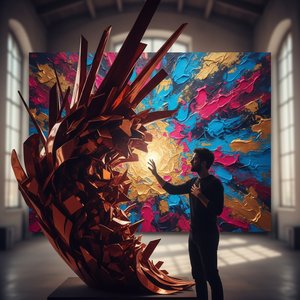
The Resonance of Boldness: Exploring Emotional Impact & Artistic Expression
Explore the powerful world of Expressionism with ArtsDot. Discover key artists like Kirchner & Rothko, understand its emotional impact, and learn how to collect this influential art movement. Expert insights for discerning collectors.


