


 Előnézet
 Megosztás
 Megosztás
 Részletek
 Útmutató

 Letöltés
 Hasonló darabok
 X-ray felvétel
 Diavetítés
 Statisztika
Pivoines et pavots


 Tovább olvasom
Giclée / Műnyomat
Múzeumi minőségű giclée vagy vászonnyomat, gyors gyártással és rugalmas finomítási lehetőségekkel. ( Kézzel festett másolat vásárlása Áttérés digitális képre)




P118B Ft10

P118H Ft10

P118W Ft10

P438Z Ft10

P508JH Ft12

P508YH Ft12

P805H Ft10

P805Z Ft10

P919BZ Ft10

P919G Ft10

P919XJ Ft10

P959ZH Ft10

P968JZ Ft12

W106C Ft8

W218G Ft10

W218JH Ft8

W218Y Ft10

W307PJ Ft10

W316G Ft10

W316PJ Ft8

W316Y Ft10

W398PJ Ft8

W4111J Ft10

W500HY Ft15

W500JH Ft15

W692G Ft12

W849H Ft8

W940BG Ft15

W953PJ Ft8




Válasszon előre meghatározott méreteink közül, amelyek megfelelnek a műalkotás eredeti arányainak.

Írja be a keretének vagy a falának megfelelő szélességet és magasságot. A nyomatot csak le lehet vágni, soha nem tehető nagyobbá, mint az eredeti kép, így egy eltérő alakú méretnél a kép egy része elveszik. Mielőtt bármit kinyatintanánk, küldünk egy digitális próbamodellt jóváhagyásra. Az oldalon látható kép nem tartalmazza a valós levágást — ezt csak a próbamodell mutatja meg.
Világszerte történő kiszállítás területére mindössze 2 hét alatt, a szokásos 4-5 hét helyett. (24 október)

Ingyenes globális expressz szállítás

Prémium minőségű len vászon

Teljes körű szállítási biztosítás

Vámvisszatérítési Garancia

Tökéletes színarányosság garancia

100 napos visszaküldési garancia (csak gyártási hibás termékek esetén)

100% pénzvisszatérítési garancia

Több darab vásárlásakor kedvezmény
 Az üvegkeretes opció csak 110 cm alatti méretben érhető el

Pivoines et pavots
Giclée / Műnyomat
Reprodukció méretei
-


Összesített ár
Ft 19932
A World of Masks and Shadows: Unveiling “Pivoines et Pavots”
James Ensor’s “Pivoines et pavots” (1893) isn't merely a still life; it’s a meticulously constructed stage for unsettling beauty, a window into the artist’s uniquely fractured psyche. Painted during a period of intense experimentation and social commentary, this work embodies the core tenets of Ensor’s artistic vision – a deliberate blurring of reality and dream, a fascination with masks and disguise, and a subtle yet potent critique of bourgeois society. The painting depicts an arrangement of vases overflowing with vibrant flowers—red poppies (pavots) and delicate pink peonies (pivoines)—a seemingly idyllic scene rendered through Ensor’s signature dark palette and unsettling juxtapositions. Yet, beneath the surface blooms a sense of unease, a feeling that something is profoundly *off*.The Artist's Context: Ostend and the Carnival Spirit
Born in Ostend, Belgium, in 1860, James Ensor’s artistic development was inextricably linked to his childhood environment. His father operated a souvenir shop brimming with exotic objects – masks, shells, and curiosities – that served as a constant source of inspiration. The annual carnival season in Ostend, a bustling hub of revelry and disguise, profoundly shaped Ensor's imagination. He frequently incorporated elements from the carnival—masks, puppets, skeletons—into his work, transforming everyday objects into symbols of hidden identities and societal anxieties. This connection to the theatrical world is powerfully evident in “Pivoines et pavots,” where the masks, though not explicitly visible, seem to permeate the entire composition, suggesting a layer of concealed meaning beneath the floral display. The painting was created during a time when Ensor was actively rejecting academic art traditions and forging his own distinct style—a style characterized by bold colors, distorted forms, and a deliberate rejection of naturalism.Symbolic Language: Flowers, Masks, and Mortality
The choice of flowers themselves is laden with symbolic weight. Red poppies, traditionally associated with remembrance and mortality, stand in stark contrast to the delicate pink peonies, representing beauty and fleeting youth. The presence of vases—one large, one smaller—could be interpreted as a commentary on social hierarchy or perhaps simply an arrangement reflecting Ensor’s own artistic control over his subject matter. Crucially, the inclusion of a potted plant adds another layer of complexity, suggesting a connection to nature that is both alluring and ultimately unsettling. The masks, though absent in their literal form, are powerfully evoked through the overall atmosphere of concealment and deception. Skeletons, frequently appearing in Ensor’s work, serve as potent reminders of mortality and the fragility of human existence—a theme subtly woven into the vibrant colors and carefully constructed arrangement of flowers.Technique and Emotional Impact: A Masterclass in Expression
Ensor's technique in “Pivoines et pavots” is a masterful blend of observation and distortion. He employs a rich, dark palette—deep blues, greens, and browns—to create a sense of claustrophobia and unease. The flowers are rendered with meticulous detail, yet their colors are intensified and slightly unnatural, contributing to the painting’s dreamlike quality. The composition is carefully balanced, but there's an underlying tension, a feeling that the scene is poised on the brink of collapse. This deliberate manipulation of color and form reflects Ensor’s Expressionist approach—a rejection of objective representation in favor of conveying subjective emotions and psychological states. “Pivoines et pavots” isn’t simply a pretty still life; it's an emotionally charged exploration of themes such as identity, mortality, and the anxieties of modern society. It invites viewers to confront their own perceptions of beauty and reality, prompting reflection on the hidden meanings beneath the surface.ArtsDot offers high-quality hand-painted reproductions of James Ensor’s “Pivoines et pavots,” allowing you to bring this captivating artwork into your home or office. Experience the unsettling beauty and profound symbolism of Ensor's masterpiece firsthand.
Gyakran Ismételt Kérdések
Milyen hangulatot közvetít a „Pivoines et pavots”, James Ensor alkotása a Expressionism & Surrealism irányzaton belül?
A Expressionism & Surrealism irányzaton belül, a "Pivoines et pavots" egy Melancholic hangulatban készült.
Milyen hangulatot áraszt egy enteriőrben „Pivoines et pavots”, James Ensor alkotása?
A „Pivoines et pavots”, James Ensor alkotása Dramatic hangulata tökéletesen illeszkedik a javasolt helyszínhez: egy Living Room.
Hányan tekintik meg a(t): "Pivoines et pavots"?
A „Pivoines et pavots”, James Ensor alkotása statisztikái a mű Statisztika oldalán érhetőek el: a mű havi látogatottsága, a művész alkotásainak megtekintése, valamint az utóbbi időszaki látogatók országos és nyelvi lebontása.
Hasonló műalkotások


A művész életrajza
A Life Immersed in Masks and Shadows: The World of James Ensor
James Sidney Edouard Ensor (Oostende, 1860. április 13. – Oestende, 1949. november 19.) belga expresszionista festő. Élete egy különleges keverék volt: apja angol, anyja belgák, ami talán a művész egész életében visszatérő témáihoz, a maszkokhoz és a hamis arcokhoz vezetett. A gyermekkorában, Ostend városka hangulatos tengerparti üdülőhelyén töltött évei nagyban befolyásolták őt – a karnaválok bizarr látlelete, a különös tárgyak, a szórakozás és a kalandok mind a művész fantáziáját ébresztették meg. Szülei egy emléktárgy-üzletet üzték, ahol maszkokat is árultak – ezek nagy hatással voltak későbbi munkásságára. Hosszú életének nagy részét Oostendében élte le, teljes magányosságban.From Somber Realism to Grotesque Visions
Ensor korai művei inkább a hagyományos megközelítést tükrözik, azaz realista képeket festettek, melyek mély árnyalatúak és szomorúak. Művei, mint például *Russian Music* (1881) és *The Drunkards* (1883), egybenzős tehetséget mutatnak, de még ezekben az eleinte is feltűnő, zavaró képek jelei láthatók. Egy fordulópontot jelentett a művész életében, amikor a színeinek világossága nőtt, és a témái egyre bizarrabbak lettek. Elkezdte, hogy vásznait szellemekkel, sírszemélyekkel, harcoló koporsókkel és alegorikus alakokkal tölti meg – egy olyan világgal, amely a fantázia és a groteszk határán áll. Ez nem csupán stilisztikai változás volt; egy tudatos kutatás a lényeges emberi létezés sötétebb oldalai iránt, egy társadalmi normákat elutasító és az irracionálisra való hajlanás. Stílusa azonnal felismerhető volt: merész festői, élénk színei és színházi hangulata – egyedi vizuális nyelv, amely...Masterpieces of Disquiet: Key Works and Recurring Themes
Ensor művészetében számos darab emelkedett ikonikus státusszra. *The Scandalized Masks* (1883) egykorai kiemelkedő alkotása, amely a maszkok erejét és képességeit mutatja be, hogy feltárják a rejtett érzelmeket. Talán legkontroversobb műve, *Christ's Entry into Brussels* (1888-1889), ma már világszerte elismert mesterdarab – egy szatíra vallási alázatlanságra és társadalmi közömbösségre. A Krisztus ostendában megjelenő, groteszk maszkokkal öltözött tömegének képe mélyen megrendítő, és a vallásos ideálok és az emberi viselkedés közötti szakadékot mutatja be. *Skeletons Fighting over a Hanged Man* (1891) egy szívszorító meditatív alkotás halállal, hanyatlással és az élet értelmetlenségével kapcsolatban, míg *Tribulations of Saint Anthony* (1887) összetett alegorikus témákat jelenít meg a szenvedélyről, a bűnről és a spirituális küzdelmekről. A művész egész életében visszatérő téma a halál, a társadalmi kritikák, vallási szatíra és az elképzelés végtelen ereje – témák, amelyek örök érvényűek.A Pioneer of Modernism: Influences and Legacy
Bár Ensor ellenállta az egyszerű kategóriazást, művészi utóbbania összetett és izgalmas. A korai munkái hatása Bruegel a Nagyra volt jellemző, akinek zsúfolt képei és morálisan megítélő történetei inspirálták őt is. Goya munkássága is fontos szerepet játszott Ensor életművének kialakításában. James Abbott McNeill Whistler estételi szürrealizmusának hangsúlyozása is befolyásolta a művész stílusát. Azonban Ensor nem csupán egy utódot volt; összehangolt ezeket az érveket valami teljesen eredetiébe. Ma őt tekintik kulcsfigurává a 19. századi szimbolizmus és a korai 20. századi expresszionizmus és szürrealizmus átmenetében – egy igazi modern művészpénzső. Független, merészen kihívó stílusa, groteszk képeinek használata és az akadémiai normák elutasítása útját cleared a következő generációk számára. Bár kezdetben ellenállást talált munkájának, Ensor később jutott el elismertséghez, amikor 1929-ben báróssá nevezte ki Albert I király, és 1933-ban kapta meg a Légion d'Honneur kitüntetését. Halálával 1949-ben Oostendében, egy rövid betegség után búcsúzott el, hátrahagyva egy olyan művészeti örökséget, amely ma is magunkba foglalja és szórakoztatja a közönséget. *A hagyománynak örököse az művészet erejének tanúsága, ami szembenézhet a kellemetlen igazságokkal és feltárja az emberi létezés mélységeit.*
James Ensor
1860 - 1949 , Belgium
Gyors információk
- Artistic Movement Or Style: Kifejező, szürreális
- Artists Or Movements Influenced By This Artist:
- Kifejezőművészet
- Szürrealizmus
- Artists Who Influenced This Artist:
- Bruegel
- Goya
- Whistler
- Date Of Birth: 1860. ápril 13.
- Date Of Death: 1949. nov 19.
- Full Name: James Sidney Edouard Ensor
- Nationality: Belga
- Notable Artworks:
- A Szánalmas Maszkok
- Skeptikusok
- Krisztus bejárása
- Szentháromszéki szenvázatok
- Place Of Birth: Ostend, Belgium
Kapcsolódó cikkek
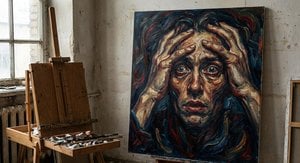
Figurative Expressionism: Emotional Intensity & Subjective Reality in 20th-Century Art
Explore the powerful world of Figurative Expressionism with ArtsDot. Discover key artists like Kirchner & Beckmann, understand its emotional depth, and learn how to collect this influential 20th-century art movement.

The Raw Emotion of Expressionism: A Deep Dive into its History, Characteristics & Enduring Influence
Explore the raw emotion of Expressionism with ArtsDot. Discover its history, key artists like Kirchner & Munch, and lasting influence on modern art. Expert insights for collectors & enthusiasts.

Sir Alfred James Munnings legszebb 25 festménye – A vidéki Anglia és a lovak mestere | ArtsDot
Fedezze fel Sir Alfred James Munnings 25 legszebb festményét! Ismerje meg a vidéki Anglia és a lovak mesterének életművét, technikáját és inspirációit. Vásároljon exkluzív reprodukciókat a ArtsDot.com-on – múzeumi minőségben!

James Ensor's Grotesque Visions: Social Commentary & Artistic Innovation
Explore the unsettling yet captivating world of James Ensor, a pioneer of Expressionism. Discover his satirical masterpieces, symbolic imagery & lasting influence on modern art. High-quality reproductions available at ArtsDot.

James Abbott McNeill Whistler 25 Mesterműve: Hangulatok és Elegancia a Falakon
Fedezze fel James Abbott McNeill Whistler 25 legszebb művét! Ismerje meg a Nocturnok, portrék és az amerikai impresszionizmus mesterét. Elegáns faliképek otthonába – ArtsDot.com kínálatából. Böngésszen online!


