


A kép az Ön választásai alapján készült: , .
A gyűjtemény leírása
Witness the cunning and captivating Loki! Hermann Ernst Freund's bronze sculpture embodies Norse mythology’s trickster god with dynamic pose & intricate detail, a Romantic masterpiece.
 Összes részlet megjelenítése
A művész életrajza
Hermann Ernst Freund (1786-1840): Danish sculptor famed for Nordic mythology & the Ragnarok Frieze. A key figure in Romantic Nationalism & Neoclassicism.
Kézzel készített olajfestmény reprodukció
Kézzel festett olajvastú vászon, az Ön által választott méretben és keretben, művészeink készítik meglévőre. ( Váltás nyomtatványra Áttérés digitális képre)
Több információ erről a festményről
 Küldés
 Megosztás
 Részletek
 Útmutató

 Letöltés
 Hasonló darabok
 Diavetítés
 Kérdések és válaszok
 Statisztika
Rendelje meg festményét négy egyszerű lépésben
Ne siessen! Bármely választ módosítható; az rendelési összesítőben megjelenő ár minden egyes döntésre reagál.
1 Az első lépés négyből
Melyik méretet szeretné?
Ezek a méretek megőrzik az eredeti festmény arányait. A rajz bemutatja a választott méretet egy falon, egy kétszáz centiméteres kanapé felett.
Vagy adja meg a saját méreteit
Válasszon előre meghatározott méreteink közül, amelyek megfelelnek a műalkotás eredeti arányainak.

Írja be a kívánt szélességet és magasságot, hogy illeszkedjen a keretéhez vagy a falához. Mivel ez kézzel festett alkotás, egy eltérő formájú méret esetén a művész akár festhet is valamivel többet a kép körül, vagy korolathat is belőle — az Ön döntésének megfelelően. A festés megkezdése előtt küldünk egy digitális tervezetet jóváhagyásra. Az oldalon látható kép nem tartalmazza a végeredményt — csak a tervezet mutatja meg a valódi eredményt.
2 A négy lépésből a második
Hogyan kívánja előkészíteni: feltekercselve, vászonra feszítve vagy keretezve?
Az alábbi árak az első lépésben választott méretre vonatkoznak.
Válaszd ki a feszített vászon széleit
Válassza ki a keretet

Fehér Ft1

Elmosódott szélek Ft1

Kiterjesztett Ft1

P118B Ft10

P118H Ft10

P118W Ft10

P438Z Ft10

P508JH Ft12

P508YH Ft12

P805H Ft10

P805Z Ft10

P919BZ Ft10

P919G Ft10

P919XJ Ft10

P959ZH Ft10

P968JZ Ft12

W106C Ft8

W218G Ft10

W218JH Ft8

W218Y Ft10

W307PJ Ft10

W316G Ft10

W316PJ Ft8

W316Y Ft10

W398PJ Ft8

W4111J Ft10

W500HY Ft15

W500JH Ft15

W692G Ft12

W849H Ft8

W940BG Ft15

W953PJ Ft8

H24-GOLD Ft30

H24-SILVER Ft30

H36-GOLD Ft45

H36-SILVER Ft45
Keretezett
Keretprofil: . A kerettel együtt vett teljes méret: .
3 A négy lépésből a harmadik
Szeretne változtatni valamit a festményen?
A legtöbb ember nemet mond erre. Mivel minden festmény kézzel készül, művészünk képes az Ön igényei szerint is átalakítani azt.
A megrendelést követően a ArtsDot.com csapat e-mailt küld a vásárlónak az instrukciókkal, és biztosítja a tervezeti előnézetet
4 A négy lépés közül a negyedik
Néhány felületfinisz
Mindegyik opcionális. A már kiválasztott válaszok nem jelentnek plusz költséget.
Ki festette?
Világszerte elérhető szállítás () 3-4 hét alatt a szokásos 5 hét helyett. (4 november). A minőség nem kérdőjelezhető.
Egy felirat, mint egy múzeumban?
A gravírozott bronztábla részletei
This elegant plaque features the artist's name and the title of the artwork, finely engraved for a timeless presentation.
It is made from bronze with a refined, elegant finish. The text is precisely laser-engraved for a sharp and permanent result. Measuring 9x2 cm, the plaque is compact yet easy to read. It's built to be durable and scratch-resistant, offering a professional, museum-quality look. Mounting is simple thanks to the included adhesive backing.
Átlátszó akril tábla részletei
The plaque includes essential engraved details such as the artist's name, the title of the artwork, the date it was created, the type of media used-like oil on canvas or watercolor-a brief description of the piece, and a QR code that links to the complete artwork information.
It is crafted from clear acrylic, offering a sleek, modern appearance. The text is UV-engraved in black to ensure strong visual contrast. With a size of 10x15 cm, it ensures optimal readability. It comes equipped with two metal hooks for secure wall mounting. The plaque is designed to be weather-resistant, making it suitable for various environments, and it includes interactive features that work seamlessly with smartphone scanning.
Fekete akril tábla részletei
This elegant plaque includes engraved information such as the artist's name, the title of the artwork, the date it was created, the type of media used (like oil on canvas or watercolor), a short description of the artwork, and a QR code for quick access to more information.
The plaque itself is made from refined black acrylic with a premium finish. The text is laser-engraved in white for high contrast and readability. Its size is 10x15 cm, designed to be easy to read. It comes with two metal hooks for professional mounting. The design is sleek and fits any interior style. It is also weather-resistant and durable, with built-in digital integration for mobile compatibility.
Egy védőréteg?
Mikor lenne szüksége rá?
✓ Ellenőrizés és rendelés
Az Ön által megrendelt festmény

Loki
Reprodukciós technika
Reprodukció mérete
-

Kiváló mesterművész
Nagyobb részletesség, finomság és bővített gyártási idő
-

Reprodukció keretezése
-
-
A bármely oldalsó méretét túlszálaló 105 cm (kb. 41 hüvelyk) meghaladó műalkotások vagy reprodukciók esetében a keret összeszerelhető készletként, szétszerelve kerül szállításra. Ez a módszer biztosítja a biztonságos szállítást, és megakadályozza a szállítás során fellépő sérüléseket.
Szakmész összeszerelést igényel – ez nem DIY (önösszeszerelhető) termék.
A készletet egy tapasztalt keretező szakembernek kell összeszerelnie és a vásznat feszítenie kell, fa ragasztó (nem tartalmazza a csomag), vásznfeszítő fogó és szorítók használatával, amelyek a ragasztó száradásáig a keretrészeket egymáshoz vuôngjba tartják. A helytelen összeszerelés vagy a nem egyenletes vásznfeszítés maradandó károsíthatja a műalkotást, és ez nem része a garanciánknak.
 A bármely oldalsó méretét túlszálaló 105 cm (kb. 41 hüvelyk) meghaladó műalkotások vagy reprodukciók esetében a keret összeszerelhető készletként, szétszerelve kerül szállításra. Ez a módszer biztosítja a biztonságos szállítást, és megakadályozza a szállítás során fellépő sérüléseket.
A készlet tartalmazza az összes tömörfa rudat, pontosan méretre vágva.
A mellékelt csavarokkal, valamint a sarokszerekhez szükséges faütő ragasztóval kell összeszerelnie (ez nem tartalmazható a csomagban), így a keretrendezőnek külön kell beszereznie.
A csomag nem tartalmazza a szükséges professzionális eszközöket: egy vászonfeszítőt és klipseket a rácsok vízszintes tartásához a ragasztó megszáradásáig.
Fontos:
A sarokcsatlakozásokhoz fánylagra van szükség, a keretrudakat szorítókapcsokkal kell rögzíteni, amíg a rag teljesen meg nem szárad, a kész keretre feszített vászonhoz pedig vászonfeszítő fogat szükséges. Ezek egyike sem található meg a készletben. Kérjük, rendelés előtt győződjön meg róla, hogy rendelkezik tapasztalt keretező szakemberrel.

Névtábla
-
-

Védőréteg (Lakk)
Fényes lakk (intenzívabb színek, védelem a fény és a nedvesség hatása ellen)
-

Műalkotásom egyedi igényre szabása
Példák a módosíthatóságra: az arc kicserélése az ügyfél fotójára; háziállat hozzáadása (pl. macska helyett kutya); rejtett üzenet elhelyezése a háttérben; a háttér tájainak vagy elemeinek megváltoztatása.
-

Sürgős
Világszerte szóló szállítás () mindössze 3-4 hét alatt, a szokásos 5 hét helyett. (4 november). A minőség nem kérdőjelezhető.
-
Express szállítás
Világszerte elérhető szállítás területre 5 héten belül. (11 november).
A szállítás díja tartalmazza
Összesített ár
Ft 86168
Az üvegkeretes opció csak 110 cm alatti méretben érhető el
Minden rendelés mellé tartalmazva
- Ingyenes globális expressz szállítás
- Prémium minőségű len vászon
- Teljes körű szállítási biztosítás
- Vámvisszatérítési Garancia
- Hiteles színarányosság garancia
- 100 napos visszaküldési lehetőség (csak hibás termékek esetén)
- 100% pénzvisszatérítési garancia
- Több darab vásárlásakor kedvezmény


The Sculptor's Vision: Hermann Ernst Freund and the Enigmatic Loki
Hermann Ernst Freund’s “Loki” stands as a compelling testament to the burgeoning Romantic movement’s fascination with ancient mythology, specifically the complex and often contradictory narratives of Norse lore. Crafted in Rome during a pivotal decade of his artistic development – 1818-1820 – this bronze sculpture transcends mere representation; it embodies a potent distillation of Loki's character: cunning trickster, shapeshifter, and harbinger of chaos, yet simultaneously imbued with an unsettling intelligence and a hint of tragic vulnerability. Freund’s decision to focus on this notoriously ambiguous figure speaks volumes about the era’s shifting artistic sensibilities – a move away from the rigid formality of Neoclassicism towards a more emotionally charged exploration of folklore and the darker aspects of human nature.
- Historical Context: The early 19th century witnessed a fervent revival of interest in Germanic mythology, fueled by nationalist sentiment and a desire to forge unique cultural identities. Figures like Adam Oehlenschläger championed Norse themes, inspiring artists and writers alike.
- Thorvaldsen’s Influence: Freund's time as assistant to the renowned Bertel Thorvaldsen profoundly shaped his artistic approach, instilling in him a mastery of classical form and technique while simultaneously encouraging him to experiment with subject matter beyond traditional Greek and Roman themes.
Form and Texture: A Study in Bronze
The sculpture’s power lies not only in its subject but also in Freund's masterful manipulation of bronze – a medium he expertly wielded throughout his career. The figure is rendered with remarkable anatomical detail, capturing the muscularity and coiled energy of Loki mid-pose. Note the deliberate roughness of the surface, achieved through careful polishing and patination; this textural contrast emphasizes the figure’s physicality while simultaneously hinting at an underlying sense of unease. The drapery, flowing and dynamic, is sculpted with a remarkable degree of realism, suggesting both movement and a subtle suggestion of concealment – mirroring Loki's ability to blend seamlessly into various roles.
Technique: The bronze casting process itself contributes significantly to the sculpture’s impact. The inherent qualities of the metal—its weight, its capacity for detail, and its potential for surface treatment—are fully exploited by Freund, creating a work that is both imposing and intimate.Symbolism and Narrative
Loki's pose – seated, one leg extended, head turned in a gesture of deliberate observation – immediately conveys his characteristic cunning. The subtle suggestion of a smirk plays upon the viewer’s expectations, inviting speculation about his intentions. The presence of wings, a clear reference to Norse mythology, reinforces his status as a supernatural being, capable of transformation and wielding considerable power. However, it is not merely a depiction of brute force; there's an element of calculated strategy in Loki’s stance, reflecting his role as a master manipulator.
- The Serpent: The implied presence of the serpent (often interpreted as Jörmungandr, the world serpent) reinforces Loki’s association with chaos and destruction.
- Shapeshifting: The wings symbolize his ability to assume various forms, highlighting his deceptive nature.
Emotional Resonance and Legacy
“Loki” is more than just a sculpture; it’s an evocation of the complexities inherent in Norse mythology – a world populated by gods and giants, heroes and monsters, where fate is often capricious and morality ambiguous. Freund's work captures this spirit with remarkable sensitivity, inviting viewers to contemplate the nature of trickery, intelligence, and the enduring power of myth. Reproductions of this piece offer a tangible connection to a pivotal moment in Romantic art history, allowing us to experience firsthand the artistic vision of a sculptor who dared to delve into the shadowy depths of Norse legend. It remains a potent symbol of both the allure and the danger inherent in embracing the unknown.
Kérdések és válaszok
Van-e útmutató a(z) „Loki”, Hermann Ernst Freund alkotása alkotáshoz?
A "Loki" útmutatója a mű Útmutató oldala – egy kinyomtatható adatlap, amely bemutatja a művet a leírással, a szerzői megjegyzéssel és az azonosító táblázattal (művész, dátumok, technika, eredeti méret, gyűjtemény) együtt.
Mi a "Loki" formátuma?
A „Loki”, Hermann Ernst Freund alkotása Portrait formátumú alkotás. A formátum a kompozíció arányait határozza meg.
A „Loki”, Hermann Ernst Freund alkotása jogtalanul védett (public domain)?
A „Loki”, Hermann Ernst Freund alkotása szerzői jogi státusza: a mű közösségi tulajdon – a szerzői jog lejártt. Ez határozza meg, hogy a kép másolatai szabadon készíthetők-e.
Hasonló műalkotások


Hermann Ernst Freund
1786 - 1840, Germany
A művész életrajza
Hermann Ernst Freund: Life and Legacy
Early Life and Training
Hermann Ernst Freund (1786-1840) was a German-born Danish sculptor who achieved recognition for his pioneering work in Nordic mythology and, most notably, the ambitious *Ragnarok Frieze*. Born near Bremen, Germany, he initially pursued training as a smith before dedicating himself to the world of art. He enrolled at the Art Academy in Copenhagen, where his talent quickly shone through, earning him all four silver and gold medals.
Roman Period and Influences
Following his graduation, Freund embarked on a decade-long sojourn in Rome (1810-1820). This period proved pivotal to his artistic development. He became the closest assistant to the renowned sculptor Bertel Thorvaldsen, gaining invaluable experience and refining his skills. His work during this time, such as the marble bust of Bernhard Severin Ingemann (1820), demonstrates a clear influence of Thorvaldsen’s Neoclassical style.
Embracing Nordic Mythology
Upon returning to Denmark, Freund distinguished himself as an early proponent of Romantic Nationalism. He was the first Danish sculptor to actively engage with themes from Nordic mythology, creating a series of twelve statuettes between 1822 and 1829. These included compelling representations of figures like Loki (1822), Odin (bronze, 1827), and Thor (1829). His approach skillfully blended the grandeur of ancient Greek and Roman mythological traditions with distinctly Norse subject matter.
Major Achievements and Artistic Style
- Ragnarok Frieze: Freund’s magnum opus, a monumental frieze depicting the apocalyptic events of Ragnarök (the end of the world in Norse mythology). Though completed posthumously by Herman Wilhelm Bissen after his death in 1840, it represented years of dedicated work. Sadly, the original was destroyed in the Christianborg fire of 1884; however, a plaster cast remains at Statens Museum for Kunst.
- Church of Our Lady Decoration: Freund prepared models for figures intended to adorn the Church of Our Lady in Copenhagen, though the commission ultimately went to Thorvaldsen.
- Sculptural Style: Freund’s style is characterized by a harmonious blend of Neoclassical precision and Romantic emotionality. His figures possess both anatomical accuracy and a sense of dramatic narrative.
Later Life and Legacy
In 1829, Freund was appointed professor at the Academy, solidifying his position within the Danish art world. Inspired by his travels in Southern Italy, he had his official residence, Materialgaard, decorated in a Pompeiian style. He mentored several young artists including Georg Hilker, Heinrich Eddelien, Constantin Hansen and Christen Købke who assisted with the decoration of Materialgaard based on Freund’s designs.
Historical Significance
Hermann Ernst Freund played a crucial role in shaping Danish sculpture during the Golden Age. His pioneering exploration of Nordic mythology not only revitalized national artistic identity but also established a unique and enduring legacy. The largest collection of his works is housed at the Glyptotek in Copenhagen, ensuring that future generations can appreciate his contributions to art history. He remains an important figure for understanding the intersection of Neoclassicism, Romanticism, and National Identity in 19th-century Danish art.
Kapcsolódó cikkek

The Enduring Form: Sculpture Across History, Technique & Emotional Resonance
Explore the rich history of sculpture with ArtsDot. Discover key techniques, influential artists & investment potential for discerning collectors. Expert insights into valuing and collecting timeless masterpieces.

The Enduring Form: Exploring Themes & Techniques in Sculpture Across Historical Periods
Explore the rich history of sculpture from ancient masterpieces to contemporary innovations. Discover key techniques, influential artists & investment potential for discerning art collectors.
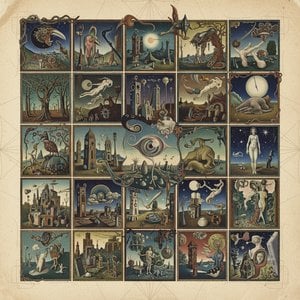
Max Ernst Mesterek: A 25 Leglenyűgözőbb Kép, Ami Megváltoztatja a Terét – ArtsDot
Fedezze fel Max Ernst 25 legikonikusabb művét! Merüljön el a szürrealizmus, dadaizmus világában és ismerje meg a német festő álomképeit. Művészeti reprodukcióinkkal egyedi faliképekkel varázsolja otthonát galériává – ArtsDot.