


 Megtekintés
 Küldés
 Megosztás
 Részletek

 Letöltés
 Hasonló darabok
 X-ray felvétel
 Diavetítés
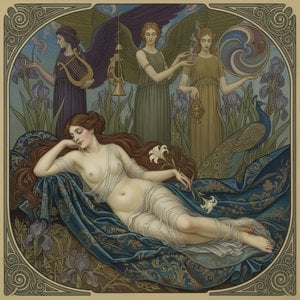
Halcyone

 Összes részlet megjelenítése
Giclée / Műnyomat
Múzeumi minőségű giclée vagy vászonnyomat, gyors gyártással és rugalmas finomítási lehetőségekkel. ( Kézzel festett másolat rendelése Kép letöltése)




































Válasszon előre meghatározott méreteink közül, amelyek megfelelnek a műalkotás eredeti arányainak.

Megadhat saját méreteket is egy konkrét kerethez vagy helyszínhez igazítva. Amennyiben a kiválasztott méret nem egyezik az eredeti kép arányokkal, a műalkotást le fogjuk vágni, vagy kiegészítjük a képet tükrözött vagy egyszínű szélekkel. A gyártás megkezdése előtt egy digitális tervezetet küldünk jóváhagyásra.
Kérjük, vegye figyelembe, hogy a képernyőn látható előnézet nem tükrözi a tényleges levágást vagy kiegészítést. Csak a tervezet mutatja pontosan a végső kompozíciót.
Bár az egyedi méretek is elérhetőek, az eredeti arányok megőrzése érdekében azt javasoljuk, hogy válasszon a előre meghatározott listából származó méretet.
Világszerte történő kiszállítás területére mindössze 2 hét alatt, a szokásos 4-5 hét helyett. (26 augusztus)

Ingyenes globális expressz szállítás

Prémium minőségű len vászon

Teljes körű szállítási biztosítás

Vámvisszatérítési Garancia

Hiteles színpontosság garancia

60 napos visszaküldési lehetőség (csak hibás termékek esetén)

100% pénzvisszatérítési garancia

Több darab vásárlása esetén kedvezmény
 Az üvegkeretes opció csak 110 cm alatti méretben érhető el

Halcyone
Giclée / Műnyomat
Reprodukció mérete
-


Összesített ár
$ 62
Hasonló műalkotások


A művész életrajza
A mitoszokba és a szépségbe merülve élt élet
Herbert James Draper, egy név, amely a viktoriánus és edvardi művészet egei között visszhangzik, 1863-ban született Londonban – egy olyan városban, amely egyszerre teli az ipari fejlődés erejével és a klasszikus ideálok vágyos újjászületésével. Egy gyümölcskereskedő fiaként pályája a kereskedelem helyett az esztétikai kifejezés birodalma felé terelte. Bár a Bruce Castle School korai oktatása alapot biztosított számára, Draper művészeti sorsa a Royal Academy Schools szentélyeiben kezdődött meg valóban alakulni. Azonnali tehetséget és ambíciót demonstrált, tulajdonságokat, amelyek 1ren 1889-ben elismerték, amikor megszerezte a tekintélyes Royal Academy Arany Medált és egy utazási ösztöndíjat is. Ez a felbecсülhetetlen lehetőség arra vezette őt, hogy 1888 és 1892 között Rómában és Párizsban formálódó utazásokat tehessen, amelyek mélyen meghatározták művészeti érzékét. Ezek az európai tartózkodások nem csupán földrajzi változások voltak; a klasszikus hagyomány szívének belemerülését jelentették, elősegítve az ideál hóalt formák és a kifinomult kompozíciók iránti mély elismerését, amelyek stílusának jellegzetességeivé váltak.Egy neoklasszikus vízió felemelkedése
Draper művészeti érettsége körülbelül 1894 körül virágzott ki, jelezve a fókusz határok jelentős eltolódását a görög mitológia gazdag szövetségéből származó narratívák felé. Nem csupán mítoszokat illusztrált; egy egyértelműen személyes lencsén keresztül értelmezte és álmodta újra őket. Stílusát gyakran neoklasszikusnak nevezik, és ez teljesen jogos: művészetét klasszikus művészetre és szobrászatra vonatkozó mély tisztelet áradja át. Azonban túl egyszerű lenne őt csupán klasszikusnak címzni. Draper ügyesen integrálta az esztétikus mozgalom elemeit is, előtérbe helyezve a szépséget és a szenzuális vonzerőt finom érzéssel. Ez az ötvözet olyan egyedi esztétikát teremtett, amely lenyűgözte a kortársakat. Az 1898-ban befejezett Az Ikarusz gyászát (The Lament for Icarus) e felkelő tehetség bizonyítékaként állja magát. A festmény jelentős elismerést nyert, amely a 1900-as párizsi Exposition Universelle-en szerzett arany medálban és a Tate Gallery későbbi beszerzésében kulminált. Ez a siker megszilárdította hírnevét és jelezte egy meghatározó művész megjelenését. Ennek az időszaknak számos más jelentős alkotása közé tartozik a Odysseusz és a szirének (Ulysses and the Sirens, 1909), a A Kelpie (1903) és az Ariadne, amelyek mindegyike bizonyítja formájának, kompozíciójának és az érzelmekkel teli történetmesélésének mesteri tudását. A vászon oltre Draper készségeit díszítőtervezési projektekben is felhasználta, különösen a londoni Drapers' Hall mennyezetének díszítésében, demonstrálva művészi sokoldalúságát.A szenzualitás és a mitológiai vonzerő témái
Draper életművének ismétlődő motívuma a női alakok ábrázolása – amelyek gyakran egyszerre testesítik meg a szépséget és a veszély finom alapszintjét. Női alakjai nem csupán passzív alanyok; lenyűgálló vonzerőt besitzen, amely néha ragadozóvá válik, amint azt a A hajnal kapui (The Gates of Dawn, 1899) és a A vízi nixi (The Water Nixie, 1908) című alkotások mutatják. Ezek a festmények a kísértés, a vágy és a mitológiai találkozásokban rejlő hatalmi dinamika témáit járják körül. Nem félett attól, hogy alakjaiba olyan szenzuálitást átszövjön, amely egyszerre volt ünnepelt és kissé nyugtalanító, tükrözve a viktoriánus és edvardi korok nőiességhez való összetett hozzáállását. Képessége az alakok fluiditásának és a bőr fényességének megörökítésében jelentősen hozzájárult ezek a művek lenyűgöző minőségéhez. Technikai precizitása apró részletekre összpontosított, olyan felületeket alkotva, amelyek úgy tűnnek, mintha élettel vibrálnának.Elismerés, átalakulás és örökség
Draper élete során jelentős hírnevet szerzett, 1890 óta rendszeresen kiállított a Royal Academy-n, és keresett portréfestővé vált London elitje körében. Annak ellenére, hogy sikeres volt, soha nem váltta be a Royal Academy tagjává vagy társaságos tagjává – ami különös hiányosság, tekintettel tehetségére és népszerűségére. Ahogy a művészeti ízlés a 2rendszerű évszázad elején változott, és a mitológiai jelenetek valamikor elkerültek a kedvességből, Draper fokozatosan portréfestés felé terelte figyelmét, alkalmazkodva a művészeti piac változó igényeihez. 1920-ban, 56 éves korában hunyt el arterioszklerózis miatt, hátrahagyva olyan munkásságot, amely egyszerre tapasztalta meg a dicsőséget és a relatív feledtséget. Az utóbbi években azonban jelentős újraébredés mutatkozott Draper festményei iránti érdeklődésben. A Tengeri szentpé (The Sea Maiden) 2010-es eladása vitákat váltott ki a művészeti alkotások pénzügyi nehézségek kezelésére történő értékesítésének etikájáról, de egyúttal megújult figyelmet csalott művészi eredményeire. Simon Toll átfogó tanulmánya marad munkásságának meghatározó modern elemzése, értékes katalógust nyújt rajzairól és festményeiről. Draper öröksége abban rejlik, hogy egyedülálló képességgel képesett összeegyeztetni a klasszikus hatásokat a viktoriánus érzékiséggel, olyan műveket alkotva, amelyek egyszerre esztétikailag gyönyörködtetőek és mélyen idézik fel mitológiai narratívákat. Részvételét a jelentős változások korszakában az brit művészetben folyamatos elismerésre és értékelésre érdemes.Tartós benyomás
- Hatások: Klasszikus szobrászat, az esztétikus mozgalom, görög mitológia.
- Főbb jellemzők: Neoklasszikus stílus, ideálisizált formák, kifinomult kompozíciók, a női alakok szenzuális ábrázolása, mitológiai témák.
- Legfontosabb alkotások: Az Ikarusz gyászát, Odysseusz és a szirének, A Kelpie, Ariadne, A hajnal kapui, A vízi nixi.
- Történelmi jelentőség: Fremdt alak a brit művészetben a viktoriánus és edvardi időszakokban, összekötve a klasszikus hagyományt a modern érzékiséggel. Műve tükrözi kortársának kulturális szorongásait és esztétikai preferenciáit.

Herbert James Draper
1863 - 1920 , Egyesült Királyság
A művészről röviden
- Artistic Movement Or Style: Neoclassical
- Date Of Birth: November 26, 1863
- Date Of Death: September 22, 1920
- Full Name: Herbert James Draper
- Nationality: British
- Notable Artworks:
- Lament for Icarus
- Ulysses & Sirens
- The Kelpie
- Ariadne
- Place Of Birth: London, UK
Kapcsolódó cikkek

Dante Gabriel Rossetti 25 Mesterműve: Szépség és Lelkiség a Vásznon – ArtsDot
Fedezze fel Dante Gabriel Rossetti 25 legszebb művészeti alkotását! Ismerje meg a prerafaeliták titkait, a viktoriánus festészet szépségét és a romantikus szimbolizmus mélységeit. Prémium minőségű art reprodukciók a ArtsDot-on – inspiráció otthonába!
Herbert James Draper: Symbolism, Sensuality & the Aesthetic Movement
Explore the captivating world of Herbert James Draper, a master of Victorian Neoclassical painting. Discover his sensual mythological scenes, symbolic depth & influence on the Aesthetic Movement. Learn more at ArtsDot.

James Abbott McNeill Whistler 25 Mesterműve: Hangulatok és Elegancia a Falakon
Fedezze fel James Abbott McNeill Whistler 25 legszebb művét! Ismerje meg a Nocturnok, portrék és az amerikai impresszionizmus mesterét. Elegáns faliképek otthonába – ArtsDot.com kínálatából. Böngésszen online!

Sir Alfred James Munnings legszebb 25 festménye – A vidéki Anglia és a lovak mestere | ArtsDot
Fedezze fel Sir Alfred James Munnings 25 legszebb festményét! Ismerje meg a vidéki Anglia és a lovak mesterének életművét, technikáját és inspirációit. Vásároljon exkluzív reprodukciókat a ArtsDot.com-on – múzeumi minőségben!

Escape into Beauty: A Curated Guide to the Dreamy World of Pre-Raphaelite Romanticism
Embark on a visual journey through Pre-Raphaelite Romanticism. Discover the vivid details, mythic narratives, and luminous colors of this iconic era, and learn how to bring this timeless, dreamy beauty into your home with museum-quality art reproductions.

