

 Megtekintés
 Küldés
 Megosztás
 Részletek
 Útmutató

 Letöltés
 Hasonló darabok
 X-ray felvétel
 Diavetítés
 Kérdések és válaszok
 Statisztika
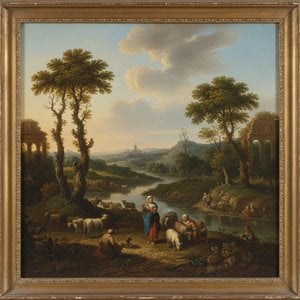
Classical Landscape

- 49.0 x 73.0 cm


 Összes részlet megjelenítése
Giclée / Műnyomat
Múzeumi minőségű giclée vagy vászonnyomat, gyors gyártással és rugalmas finomítási lehetőségekkel. ( Kézzel festett másolat rendelése Áttérés digitális képre)




P118B Ft10

P118H Ft10

P118W Ft10

P438Z Ft10

P508JH Ft12

P508YH Ft12

P805H Ft10

P805Z Ft10

P919BZ Ft10

P919G Ft10

P919XJ Ft10

P959ZH Ft10

P968JZ Ft12

W106C Ft8

W218G Ft10

W218JH Ft8

W218Y Ft10

W307PJ Ft10

W316G Ft10

W316PJ Ft8

W316Y Ft10

W398PJ Ft8

W4111J Ft10

W500HY Ft15

W500JH Ft15

W692G Ft12

W849H Ft8

W940BG Ft15

W953PJ Ft8




Válasszon előre meghatározott méreteink közül, amelyek megfelelnek a műalkotás eredeti arányainak.

Írja be a keretének vagy a falának megfelelő szélességet és magasságot. A nyomatot csak le lehet vágni, soha nem tehető nagyobbá, mint az eredeti kép, így egy eltérő alakú méretnél a kép egy része elveszik. Mielőtt bármit kinyatintanánk, küldünk egy digitális próbamodellt jóváhagyásra. Az oldalon látható kép nem tartalmazza a valós levágást — ezt csak a próbamodell mutatja meg.
Világszerte történő kiszállítás területére mindössze 2 hét alatt, a szokásos 4-5 hét helyett. (15 november)

Ingyenes globális expressz szállítás

Prémium minőségű len vászon

Teljes körű szállítási biztosítás

Vámvisszatérítési Garancia

Hiteles színarányosság garancia

100 napos visszaküldési lehetőség (csak hibás termékek esetén)

100% pénzvisszatérítési garancia

Több darab vásárlásakor kedvezmény
 Az üvegkeretes opció csak 110 cm alatti méretben érhető el

Classical Landscape
Giclée / Műnyomat
Reprodukció mérete
-


Összesített ár
Ft 20353
Hasonló műalkotások


A művész életrajza
The Master of the Roman Light: The Life and Art of Hendrik Frans van Lint
In the golden age of the Grand Tour, when travelers from across Europe flocked to the sun-drenched ruins and majestic piazzas of Italy, few artists captured the ephemeral magic of the landscape as poignantly as Hendrik Frans van Lint. Born in Antwerp in 1684, Van Lint carried the meticulous traditions of his Flemish heritage into the heart of Rome, where he would spend the most transformative years of his life. While his roots lay in the industrious artistic circles of Belgium, his soul became inextricably linked to the luminous atmosphere of the Roman Campagna. His journey was not merely a geographical migration but an artistic evolution, moving from the structured training of his youth toward a profound mastery of veduta—the art of the detailed, panoramic view.
Van Lint’s early years were steeped in the rigorous discipline of the Flemish Baroque. As the son of the painter Peter van Lint and a pupil to masters such as Peter van Bredael, he inherited a foundational respect for compositional clarity and technical precision. However, it was his move to Rome that truly ignited his creative spirit. Upon arriving in the eternal city, he joined the Schildersbent, a celebrated society of Netherlandish painters. It was within this vibrant community of expatriate artists that he earned the affectionate nickname "Studio"—a testament to his incredibly meticulous technique and his ability to render architectural details with such fidelity that they seemed almost etched by hand.
A Symphony of Architecture and Atmosphere
The work of Van Lint is characterized by a breathtaking duality: the rigid, structural permanence of classical architecture set against the soft, fleeting qualities of light and air. He was deeply influenced by the pioneering vedutismo of Caspar van Wittel, whose topographical accuracy provided a blueprint for capturing the essence of Italian urbanity. Yet, Van Lint refused to be bound by mere documentation. He drew immense inspiration from the classical ideal landscapes of Claude Lorrain, often imbuing his scenes with a nostalgic, Arcadian beauty that transcended simple topography.
His canvases frequently present a spectrum of views, ranging from the strictly accurate to the beautifully imagined. In his depictions of places like Caprarola or the Roman outskirts, one can observe a masterful use of light—a warm, golden glow that seems to breathe life into stone and foliage alike. His landscapes often feature:
- Architectural Grandeur: The precise rendering of villas, palaces, and ancient ruins that anchor the composition.
- Atmospheric Depth: A sophisticated use of perspective and haze to create a sense of vast, receding space.
- Genre Elements: Small, delicate figures—often peasants or travelers—that provide scale and a sense of lived reality to the sweeping vistas.
This ability to blend the topographical with the poetic made his work the ultimate souvenir for the 18th-century aristocrat. To own a Van Lint was to possess a window into the Roman ideal, a piece of the sun-soaked Italian dream captured with unparalleled grace.
Legacy and Historical Significance
The historical significance of Hendrik Frans van Lint lies in his role as a bridge between the meticulous Northern tradition and the emotive, light-driven sensibilities of the Southern Baroque. He did not merely record what he saw; he interpreted the atmosphere of an era. His paintings found homes in some of the most prestigious collections in Europe, including the Doria Pamphilj in Rome and the Palazzo Bianco in Genoa, ensuring that his vision of Italy would endure long after the era of the Grand Tour had faded.
Today, Van Lint is remembered as a virtuoso of the veduta style, an artist whose work remains a vital record of the aesthetic aspirations of the 18th century. His legacy persists in every brushstroke that captures the way light dances upon a Roman piazza or settles softly over a distant hill, reminding us of a time when art was the primary vessel for exploring the wonders of the wider world.

Hendrik Frans Van Lint
1684 - 1763 , Belgium
Rövid információk
- Full Name: Hendrik Frans van Lint
- Nationality: Belgian
- Date Of Birth: 1684
- Date Of Death: 1763
- Place Of Birth: Antwerp, Belgium
- Notable Artworks:
- Giacomo van Lint
- An extensive Italianate wooded landscape
- A classical river landscape with figures on a path and a palace in the distance
- Artistic Movement Or Style: Veduta Painting
- Artists Who Influenced This Artist: Caspar van Wittel
- Artists Or Movements Influenced By This Artist: Italian Baroque
Kapcsolódó cikkek

A Hollandi Barokk 10 Mesterműve: Festmények, Amelyek Megváltoztatták a Világot | ArtsDot
Fedezze fel a holland barokk 10 legikonikusabb műalkotását! Rembrandt, Vermeer és más mesterek festményeinek története, technikája és időtálló szépsége. Művészeti reprodukciók prémium minőségben – ArtsDot.com.

Evoking Tranquility: A Study of Serene Beauty in Visual Art Across Historical Movements
Explore the history of serene art & discover how landscape paintings evoke tranquility across movements. Find inspiration for calming home decor & museum-quality reproductions at ArtsDot.

Scenes of Daily Life: A Comprehensive Exploration of Genre Painting Through History
Explore the rich history of genre painting! Discover Dutch Masters & European artists who captured everyday life with stunning realism. Learn about symbolism, techniques & lasting influence.

A Rijksmuseum Gyöngyszemei: 25 Mestermű Élő Történelme – ArtsDot.com
Fedezze fel a Rijksmuseum 25 legikonikusabb műalkotását! Rembrandt, Vermeer és más holland mesterek történeteit olvashatja el. Vászonképek, faliképek – inspirálódjon otthoni dekorációjához a ArtsDot.com-on!
Nicolaes Berchem: Dutch Golden Age Pastoralism & the Evolution of Landscape Painting
Explore the captivating world of Nicolaes Berchem, a leading Dutch Golden Age painter. Discover his idyllic landscapes, masterful technique & lasting influence on art history. Learn more at ArtsDot.