
- Főoldal

- Olajfestmény reprodukció
- Avercamp, Hendrick
- Winter Landscape

 Nyomat vásárlása Kép letöltése
 Megosztás
 Megosztás
 Details
 Kedvencekhez ad

 Letöltés
 Hasonló alkotások
 X-Ray
X-Ray
 Diavetítés
Winter Landscape


Kézzel készített olajfestmény reprodukció
Kézzel festett olajvastú vászon, az Ön által választott méretben és keretben, művészeink készítik meglévőre.




P118B $10

P118H $10

P118W $10

P438Z $10

P508JH $12

P508YH $12

P805H $10

P805Z $10

P919BZ $10

P919G $10

P919XJ $10

P959ZH $10

P968JZ $12

W106C $8

W218G $10

W218JH $8

W218Y $10

W307PJ $10

W316G $10

W316PJ $8

W316Y $10

W398PJ $8

W4111J $10

W500HY $15

W500JH $15

W692G $12

W849H $8

W940BG $15

W953PJ $8




 Olvasson tovább
Válasszon előre meghatározott méreteink közül, amelyek megfelelnek a műalkotás eredeti arányainak.

Ön megadhat saját méreteket egy adott kerethez vagy térhez igazításhoz. Ha a kiválasztott méret nem egyezik az eredeti kép arányával, akkor a műalkotást levágjuk, vagy további kézzel festett elemekkel meghosszabbítjuk a festményt. A gyártás megkezdése előtt küldünk Önnek egy digitális előnézetet jóváhagyásra.
Kérjük, vegye figyelembe, hogy a képernyőn megjelenő előnézet nem tükrözi a tényleges vágást vagy kiterjesztést. Csak az előnézet fog pontosan mutatni a végső kompozíciót.
Bár egyedi méretek állnak rendelkezésre, javasoljuk, hogy válasszon egy méretet az előre meghatározott listából az eredeti arányok megőrzése érdekében.
A rendelést követően a ArtsDot.com csapata e-mailt küld az ügyfélnek az instrukciókért, és biztosít egy előnézeti képet (mockup).
Világszerte elérhető szállítás () 3-4 hét alatt a szokásos 5 hét helyett. (1 július). A minőség nem kérdőjelezhető.

Ingyenes globális expressz szállítás

Prémium minőségű len vászon

Teljes szállítási biztosítás

Vámvisszatérítési Garancia

Tökéletes színpontosság garancia

60 napos visszaküldési lehetőség (csak gyártási hibák esetén)

100%-os pénzvisszatérítési garancia

Kedvezmény több termény esetén
 Az üvegkeretes opció csak 110 cm alatti méretben érhető el

Winter Landscape
Reprodukciós technika
A reprodukció mérete
-


Összesített ár
-
A műalkotás leírása
A Frozen Moment in Time: Hendrick Avercamp’s “Winter Landscape with Skaters”
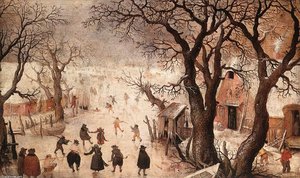
Hendrick Avercamp's "Winter Landscape with Skaters," painted around 1608, isn’t merely a depiction of a winter scene; it’s a vibrant snapshot of Dutch life frozen in time. This remarkable work, now residing within the hallowed halls of the Rijksmuseum in Amsterdam, transports us to a world where ice skating wasn't just recreation but a cornerstone of community and livelihood. Avercamp, a figure shrouded in intriguing circumstance – known as “de Stomme van Kampen” (the Mute of Kampen) due to his presumed deafness and muteness – possessed an extraordinary ability to translate the nuances of the Dutch winter onto canvas with startling clarity and warmth. He wasn’t simply painting snow; he was capturing a bustling, layered reality—a testament to human activity amidst the stark beauty of a frozen landscape.The Painter's Technique: A Symphony of Ink and Texture
Avercamp’s genius lay not in meticulous detail but in his masterful manipulation of ink – a technique heavily influenced by the Chinese landscape painters he studied during his pivotal journey to Ming China. He eschewed the smooth, blended brushstrokes favored by some contemporaries, instead embracing “hatsuboku,” or splattered ink. This method created a dynamic, almost chaotic texture that perfectly mirrored the unevenness and unpredictability of winter’s embrace. Notice how the snow drifts aren't uniformly white; they shimmer with subtle variations in tone, conveying depth and volume. The trees, rendered in dark, brooding hues, stand as silent witnesses to the revelry below. The use of aerial perspective—lighter colors receding into the distance—further enhances the illusion of space, drawing the eye deep into the winter scene. Avercamp’s choice of a wooden panel for this work also contributed to its unique character, allowing for a slightly textured surface that complements his expressive technique.A Window into 17th-Century Dutch Life
“Winter Landscape with Skaters” offers an unparalleled glimpse into the daily rhythms of early 17th-century Holland. It’s far more than just a winter scene; it's a social tableau, teeming with activity and human interaction. We see families bundled in furs, children building snowmen, men engaged in lively conversation, and even a dog scavenging amongst the frozen remains of a horse – a poignant reminder of the harsh realities beneath the festive surface. The inclusion of elements like a boat struggling to break free from the ice, a hunting scene, and a group of fishermen highlights the diverse occupations that sustained the Dutch populace during this period. Avercamp’s work isn't romanticized; it presents a realistic portrayal of life lived in close proximity to nature’s power, where survival depended on skill, resilience, and community.Symbolism and Emotional Resonance
Beyond its documentary value, the painting resonates with profound symbolism. The act of ice skating itself held significant cultural importance in the Netherlands – a time for social gatherings, friendly competition, and celebrating the arrival of winter. The presence of the church in the background subtly anchors the scene within a religious context, suggesting a connection between earthly pleasures and spiritual values. The painting’s overall mood is one of joyful exuberance tempered by an underlying awareness of nature's indifference. It evokes a sense of nostalgia for a simpler time, inviting us to contemplate the beauty and challenges of life in harmony with the seasons. The vibrant colors, despite depicting a cold landscape, create a feeling of warmth and vitality—a testament to Avercamp’s ability to capture not just what he saw but also what he felt.Bringing “Winter Landscape with Skaters” into Your Space
Reproductions of Hendrick Avercamp's "Winter Landscape with Skaters" offer a remarkable opportunity to infuse your home or office with the spirit of the Dutch Golden Age. The painting’s dynamic composition, rich textures, and evocative subject matter make it an ideal choice for creating a warm, inviting atmosphere. Consider pairing a high-quality reproduction with complementary colors – deep blues, greens, and browns – to evoke the feeling of a crisp winter day. Whether you're drawn to its historical significance or simply captivated by its beauty, this iconic painting is sure to become a cherished centerpiece in your collection.Hasonló műalkotások




A művész életrajza
Hendrick Avercamp (1585-1634) – A Pioneer of Dutch Winter
Hendrick Avercamp, a name synonymous with the shimmering, frozen landscapes of the Dutch Golden Age, was born in Amsterdam on January 27, 1585. His life story is as intriguing as his art—a tale marked by both artistic innovation and personal circumstance. From an early age, it became apparent that Avercamp lived within a world experienced differently than most; he was mute, and likely deaf, earning him the affectionate yet defining moniker “de Stomme van Kampen” – the Mute of Kampen. This perceived limitation, however, did not stifle his artistic voice but perhaps sharpened his observational skills, allowing him to translate the nuances of the Dutch winter onto canvas with unparalleled clarity and charm. He initially studied in Amsterdam under Pieter Isaacsz, a portrait painter, and possibly also received guidance from David Vinckboons, whose influence can be seen in Avercamp’s early works. In 1608, he relocated to Kampen, where he would spend the majority of his life and establish himself as a unique and celebrated artist.Early Life and Artistic Training
Avercamp’s father was appointed town apothecary, and the family moved to Kampen shortly after his birth. Soha nem tanult meg beszélni, mivel valószínűleg születésétől fogva siket volt. Édesanyja tanította írni és rajzolni – ez utóbbi különösen jól ment neki már gyerekkorában. He began his artistic training at a young age under the tutelage of Pieter Isaacsz, a portrait painter in Amsterdam, and possibly also benefited from instruction by David Vinckboons, whose style resonated with Avercamp’s own developing aesthetic. Vinckboons's influence is evident in Avercamp’s early compositions—particularly his use of atmospheric perspective and dramatic lighting—techniques that would become hallmarks of his distinctive oeuvre.The Winter Landscape: A Revolutionary Genre
Hendrick Avercamp stands out as one of the first dedicated landscape painters in 17th-century Holland, a period traditionally dominated by portraiture, history painting, and still life. He carved his niche by specializing in winter scenes—a subject rarely explored with such consistent focus before him. Unlike many of his contemporaries who idealized their subjects or sought to convey grand narratives, Avercamp presented a realistic—and often humorous—view of life, including playful details that hint at human foibles and everyday occurrences. His paintings aren’t merely depictions of cold weather; they are vibrant snapshots of Dutch life unfolding on the ice. Figures skate, sled, play *kolf* (a form of golf played on ice), and simply enjoy the frozen waterways, creating a lively tapestry of human activity against the stark beauty of the winter landscape. Avercamp’s skill lies in his ability to convey both the chill of the season and the warmth of communal enjoyment.Technique and Style: Mastering Aerial Perspective
Avercamp's mastery of aerial perspective—the subtle shifting of colors and details to create a convincing sense of depth—is arguably his most remarkable achievement. He achieved this effect by applying watercolor washes over pen and ink drawings, creating delicate and luminous effects that captured the ethereal quality of winter light. This technique allowed him to depict vast landscapes with astonishing accuracy, conveying not only the physical environment but also its psychological atmosphere. Furthermore, Avercamp employed *repoussoir*, placing foreground elements slightly in front of the picture plane to heighten the illusion of depth and create a dramatic visual impact. His meticulous attention to detail—from the textures of snowdrifts to the folds of clothing—contributed to the unparalleled realism of his paintings.Notable Works and Legacy
Avercamp’s most celebrated canvases include “Winter Landscape with Skaters,” which exemplifies his ability to capture the energy and dynamism of a Dutch winter scene, and “Street in Delfi,” showcasing Avercamp's skill in depicting town life amidst the frozen landscape. His work enjoyed considerable popularity during his lifetime and continues to inspire artists today. Avercamp’s legacy extends beyond his artistic achievements; he represents a triumph over adversity, demonstrating that creative expression can flourish even in the face of personal challenges. He died peacefully in Kampen on May 15, 1634, leaving behind a body of work that remains a testament to the enduring beauty and power of Dutch landscape painting—a frozen moment preserved forever on canvas. Avercamp’s nephew and pupil Barent Avercamp (1612-79) carried on his style in an accomplished manner, ensuring that Avercamp's artistic vision would continue to resonate for generations to come.
Avercamp, Hendrick
1585 - 1634 , Holland
Rövid tények
- Artistic Movement Or Style: Dutch Golden Age painting
- Artists Who Influenced This Artist:
- Pieter Isaacsz
- David Vinckboons
- Date Of Birth: January 27, 1585
- Full Name: Hendrick Avercamp
- Nationality: Dutch
- Notable Artworks:
- Winter Landscape with Skaters
- Street in Delfi
- Place Of Birth: Amsterdam, Netherlands
Kapcsolódó cikkek

A Hollandi Aranykor 10 Mesterműve: Festmények, Amelyek Megváltoztatták a Világot | ArtsDot.com
Fedezze fel a Hollandi Aranykor 10 legikonikusabb műalkotását! Rembrandt, Vermeer és más mesterek festményeinek történeteit olvassa el. Barokk stílus, klasszikus művészet – inspirálódjon otthon dekorációjához a ArtsDot.com-on! Fedezze fel a teljes gyűjteményt online.

Jan Steen: A Master of Dutch Genre Painting & the Golden Age
Explore the life & art of Jan Steen, a leading Dutch Golden Age painter renowned for his humorous genre scenes & insightful social commentary. Discover his techniques, legacy, and collecting tips.

A hó varázsa a művészetben: 10 ikonikus festmény, melyek elvarázsolnak – ArtsDot
Fedezze fel a hó varázsát a művészetben! 10 ikonikus festmény Monet-tól Kandinsky-ig, melyek elvarázsolják Önt. Ismerje meg a történetüket és inspirálódjon otthona dekorációjához – ArtsDot.

Charles Leickert: Capturing the Dutch Golden Age Light – A Comprehensive Study of Technique, Context, and Legacy
Explore the captivating winter landscapes of Charles Leickert, a master of Dutch Golden Age light & atmosphere. Discover his techniques, symbolism, and lasting legacy – a comprehensive study for art enthusiasts and collectors.

Aelbert Cuyp: Illuminating the Dutch Golden Age with Light & Landscape
Explore the luminous landscapes of Aelbert Cuyp, a master of the Dutch Golden Age. Discover his unique light, serene riverside scenes & lasting influence on art history. Learn more at ArtsDot.



