

 Megtekintés
 Küldés
 Megosztás
 Részletek
 Útmutató

 Letöltés
 Hasonló darabok
 X-ray felvétel
 Diavetítés
 Kérdések és válaszok
 Statisztika
Across The River

 Összes részlet megjelenítése
Giclée / Műnyomat
Múzeumi minőségű giclée vagy vászonnyomat, gyors gyártással és rugalmas finomítási lehetőségekkel. ( Kézzel festett másolat rendelése Áttérés digitális képre)




































Válasszon előre meghatározott méreteink közül, amelyek megfelelnek a műalkotás eredeti arányainak.

Írja be a keretének vagy a falának megfelelő szélességet és magasságot. A nyomatot csak le lehet vágni, soha nem tehető nagyobbá, mint az eredeti kép, így egy eltérő alakú méretnél a kép egy része elveszik. Mielőtt bármit kinyatintanánk, küldünk egy digitális próbamodellt jóváhagyásra. Az oldalon látható kép nem tartalmazza a valós levágást — ezt csak a próbamodell mutatja meg.
Világszerte történő kiszállítás területére mindössze 2 hét alatt, a szokásos 4-5 hét helyett. (5 november)

Ingyenes globális expressz szállítás

Prémium minőségű len vászon

Teljes körű szállítási biztosítás

Vámvisszatérítési Garancia

Hiteles színarányosság garancia

100 napos visszaküldési lehetőség (csak hibás termékek esetén)

100% pénzvisszatérítési garancia

Több darab vásárlásakor kedvezmény
 Az üvegkeretes opció csak 110 cm alatti méretben érhető el

Across The River
Giclée / Műnyomat
Reprodukció mérete
-


Összesített ár
Ft 20456
Hasonló műalkotások


A művész életrajza
A Life Shaped by Light and Landscape
Born in Scarborough, North Yorkshire, on 13 June 1871, Harry Watson moved through the world with a keen eye for the subtle shifts of natural light. His early years were marked by a brief residence in Winnipeg, Canada, between 1881 and 1883, before returning to the English coast to begin his formal studies. He gathered his technical foundation at the Scarborough School of Art, followed by periods of study at the Lambeth School of Art and the Royal College of Art. It was during these years, from 1889 to 1894, that he earned various medals and a travelling scholarship to Italy, an experience that likely deepened his understanding of classical form.
Watson’s approach to the canvas was defined by a commitment to painting en plein air. He sought to capture the way sunlight interacted with its surroundings, a pursuit evident in works such as Sunlight Reflected Upon a Wide Riverscape and Reflected Light. His method often leaned toward an impressionistic style, utilizing loose brushwork to translate atmospheric conditions onto the surface of his oils and watercolours. This focus on the ephemeral qualities of light allowed him to bridge the gap between traditional representation and the more fluid techniques emerging in the early twentieth century.
The Quietude of the English Scene
While his training provided a rigorous structure, Watson’s subject matter often drifted toward the tranquil and the domestic. He possessed a particular affinity for the Scottish Highlands, where he documented the stillness of places like Loch Rannoch. In The Edge of Loch Rannoch, the artist employs subtle tonal variations to convey a sense of peace. His landscapes were rarely dramatic in a theatrical sense; instead, they offered a quiet observation of the natural world.
This sensitivity extended to his portraiture and depictions of social life. He captured members of the upper middle class in moments of leisure, imbuing these scenes with a psychological depth that moved beyond mere likeness. In A Tale by the Way, he presents a window into the customs of the Victorian and Edwardian eras. His ability to render textures—seen clearly in the impasto of Study Of A Young Girl In A Pink Dress—complemented his skill in portraying the soft, unhurried rhythms of daily life.
Professional Standing and Later Years
Watson’s career was marked by steady recognition within the British art establishment. He began exhibiting at the Royal Academy in 1896 and maintained active memberships in several prestigious organizations:
- The Royal Watercolour Society (R.W.S.) from 1915
- The Royal West of England Academy (R.W.A.) from 1927
- The Royal Institute of Oil Painters (R.O.I.) from 1932
Beyond the easel, he contributed to the instruction of others, teaching life drawing at the Regent Street Polytechnic starting in 1913. His technical knowledge was also codified in his 1930 publication, Figure Drawing. Even as he participated in broader cultural events, such as the painting competition at the 1932 Summer Olympics, his work remained rooted in the observation of light and form. He passed away on 17 September 1936, leaving behind a body of work held in collections ranging from the Tate Gallery to the Scarborough Art Gallery.

Harry Watson
1871 - 1936 , United Kingdom
Rövid információk
- Artistic Movement Or Style: Impressionism, Landscape and Portraiture
- Artists Who Influenced This Artist: ['Frederic Leighton']
- Full Name: Harry Watson
- Nationality: English
- Notable Artworks:
- The Edge of Loch Rannoch
- A Tale by The Way
- Across The River
- Study Of A Young Girl In A Pink Dress
- Place Of Birth: Scarborough, United Kingdom
- Date Of Birth: 1871
- Date Of Death: 1936
Kapcsolódó cikkek

A festészet forradalma: 10 ikonikus akvarellművészeti remekmű, melyek örökre megváltoztatták a művészetet
Fedezze fel a 10 legikonikusabb akvarell festményt, melyek megváltoztatták a művészetet! Ismerje meg Turner, Monet és más mesterek történetét. Vásároljon prémium minőségű reprodukciókat a ArtsDot.com-on – inspiráló faliképek otthonába!

Ephemeral Visions: Exploring the Artistic Legacy & Contemporary Practice of Watercolor Painting
Explore the captivating world of watercolor painting! Discover its rich history, essential techniques, influential artists & collecting tips. A comprehensive guide for art enthusiasts from ArtsDot.

Ephemeral Visions: Exploring the Artistic Legacy & Nuances of Watercolor Painting
Explore the captivating world of watercolor painting! Discover its rich history, essential techniques, influential artists & collecting tips from art experts. A comprehensive guide for enthusiasts.
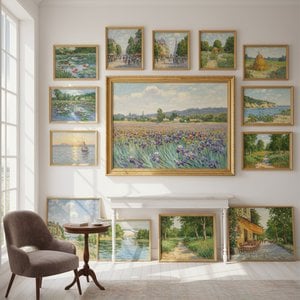
A 10 legikonikus impresszionista tájkép: Művészeti remekművek otthonába – ArtsDot.com
Fedezze fel a 10 legikonikus impresszionista tájkép festményt! Monet, Renoir és más mesterek alkotásainak története. Olajfestmények, vászonképek otthonába – ArtsDot.com kínálatából. Explore the full collection online!

Ephemeral Visions: Exploring the History & Emotional Resonance of Watercolor Painting
Explore the captivating history of watercolor painting, from ancient techniques to modern masters like Kandinsky & Blake. Discover essential artists, collecting tips & the emotional power of this luminous medium. Expert insights for art enthusiasts.