
- Főoldal

- Olajfestmény reprodukció
- Hans Von Aachen
- Bacchus, Ceres and Cupid

 Nyomat vásárlása Kép letöltése
 Megosztás
 Megosztás
 Details
 Kedvencekhez ad

 Letöltés
 Hasonló alkotások
 X-Ray
X-Ray
 Diavetítés
Bacchus, Ceres and Cupid
 Acrylic On Canvas
- WallArt
- Northern Mannerism
 163.0 x 113.0 cm
 Kunsthistorisches Museum
Kézzel készített olajfestmény reprodukció
Kézzel festett olajvastú vászon, az Ön által választott méretben és keretben, művészeink készítik meglévőre.




P118B $10

P118H $10

P118W $10

P438Z $10

P508JH $12

P508YH $12

P805H $10

P805Z $10

P919BZ $10

P919G $10

P919XJ $10

P959ZH $10

P968JZ $12

W106C $8

W218G $10

W218JH $8

W218Y $10

W307PJ $10

W316G $10

W316PJ $8

W316Y $10

W398PJ $8

W4111J $10

W500HY $15

W500JH $15

W692G $12

W849H $8

W940BG $15

W953PJ $8




 Olvasson tovább
Válasszon előre meghatározott méreteink közül, amelyek megfelelnek a műalkotás eredeti arányainak.

Ön megadhat saját méreteket egy adott kerethez vagy térhez igazításhoz. Ha a kiválasztott méret nem egyezik az eredeti kép arányával, akkor a műalkotást levágjuk, vagy további kézzel festett elemekkel meghosszabbítjuk a festményt. A gyártás megkezdése előtt küldünk Önnek egy digitális előnézetet jóváhagyásra.
Kérjük, vegye figyelembe, hogy a képernyőn megjelenő előnézet nem tükrözi a tényleges vágást vagy kiterjesztést. Csak az előnézet fog pontosan mutatni a végső kompozíciót.
Bár egyedi méretek állnak rendelkezésre, javasoljuk, hogy válasszon egy méretet az előre meghatározott listából az eredeti arányok megőrzése érdekében.
A rendelést követően a ArtsDot.com csapata e-mailt küld az ügyfélnek az instrukciókért, és biztosít egy előnézeti képet (mockup).
Világszerte elérhető szállítás () 3-4 hét alatt a szokásos 5 hét helyett. (1 július). A minőség nem kérdőjelezhető.

Ingyenes globális expressz szállítás

Prémium minőségű len vászon

Teljes szállítási biztosítás

Vámvisszatérítési Garancia

Tökéletes színpontosság garancia

60 napos visszaküldési lehetőség (csak gyártási hibák esetén)

100%-os pénzvisszatérítési garancia

Kedvezmény több termény esetén
 Az üvegkeretes opció csak 110 cm alatti méretben érhető el

Bacchus, Ceres and Cupid
Reprodukciós technika
A reprodukció mérete
-


Összesített ár
-
A műalkotás leírása
Bacchus, Ceres, and Cupid: A Baroque Dance of Divine Excess
Hans von Aachen’s “Bacchus, Ceres, and Cupid,” painted likely in the late 16th century, is more than just a depiction of mythological figures; it's a vibrant distillation of the Northern Mannerist style – a period characterized by its dramatic contrasts, elongated forms, and an intense exploration of psychological depth. The painting, now residing within the Kunsthistorisches Museum in Vienna, offers a glimpse into the artistic currents flowing between Italy, Germany, and beyond during this transformative era. Von Aachen’s work stands out not merely for its technical skill but also for its ability to imbue classical subjects with a palpable sense of energy and sensuality, reflecting the tastes of powerful patrons like Emperor Rudolf II of Prague.
The composition immediately draws the eye into a dynamic interplay of figures. Dominating the left side is Bacchus, the god of wine, rendered in robust musculature and adorned with a leafy crown – symbols of his intoxicating domain. His expression is one of unrestrained joy, a boisterous celebration that spills outwards, inviting the viewer to partake in his revelry. To his right sits Ceres, the goddess of agriculture, embodying abundance and fertility. She’s depicted with serene grace, holding a basket overflowing with fruits – a visual testament to her role as provider and sustainer. Finally, Cupid, the mischievous god of love, darts across the scene, an arrow poised in his hand, representing desire and passion. The positioning of these three deities isn't merely decorative; it’s carefully orchestrated to suggest a narrative arc—a dance between indulgence, sustenance, and the driving force of romantic longing.
A Mannerist Masterpiece: Technique and Style
Von Aachen’s mastery lies in his skillful manipulation of light and shadow, a hallmark of the Baroque style that was beginning to emerge during this period. The painting is bathed in dramatic chiaroscuro – stark contrasts between light and dark – which sculpts the figures and creates a sense of theatricality. Notice how the musculature of Bacchus is highlighted against the darker background, emphasizing his power and vitality. The elongated forms characteristic of Mannerism are evident throughout, lending an air of elegance and sophistication to the scene. Von Aachen’s brushwork is remarkably detailed, particularly in the rendering of drapery and the intricate patterns on the figures' attire. This meticulous attention to detail speaks to both his technical proficiency and his desire to capture the textures and nuances of the world around him.
The color palette is rich and vibrant, dominated by deep reds, golds, and blues – colors associated with royalty, wealth, and divine power. These hues are juxtaposed against earthy tones, creating a visual tension that mirrors the painting’s thematic complexity. The background landscape, rendered in muted greens and browns, serves as a grounding element, anchoring the figures within a believable, albeit stylized, setting.
Symbolism and Historical Context
“Bacchus, Ceres, and Cupid” is steeped in classical mythology, but it also carries layers of symbolic meaning. The arrangement of the three deities alludes to the Roman proverb “Sine Cerere et Bacchus friget Venus,” or "Without Ceres and Bacchus, Venus would freeze"—a reminder that pleasure, abundance, and love are essential components of a fulfilling life. The painting reflects the artistic tastes of Emperor Rudolf II, who was known for his patronage of both art and science, and whose court in Prague became a hub for cultural exchange between Northern and Southern Europe.
Von Aachen’s work is deeply intertwined with the broader context of the Renaissance and Mannerism. He drew inspiration from Italian masters like Raphael and Michelangelo, but he also incorporated elements of Netherlandish realism – particularly in his attention to detail and his use of light and shadow. His paintings were highly sought after by European nobility, who commissioned them as symbols of wealth, power, and sophistication.
A Timeless Appeal: Reproduction and Interpretation
Today, “Bacchus, Ceres, and Cupid” continues to captivate viewers with its dramatic composition, vibrant colors, and profound symbolism. Reproductions offer a wonderful opportunity to bring this masterpiece into your home or office, allowing you to appreciate its beauty and complexity on a daily basis. When selecting a reproduction, consider the quality of materials used – a high-quality print on archival paper will ensure that the colors remain true for years to come. Whether displayed as a statement piece in a grand salon or as a subtle accent in a smaller room, this painting’s enduring appeal is sure to spark conversation and inspire contemplation.
Hasonló műalkotások


A művész életrajza
korai élet és képzés
Hans von Aachen, a német festész, 1552-ben született Köln városában. Kevesen tudnak felőle a korai évekből, de úgy vélik, hogy művészeti képzését egy helyi festő, Leonardus Sievenhoven műtermében szerezte meg.művészeti stílus és hatások
Von Aachen munkássága a mannyerista stílusra jellemző élénk színek használatáról és drámai kompozíciókról ismerthető fel. Festményeiben gyakran találkozhatunk megnyújtott alakokkal, bonyolult részletekkel és feszültséget sugárzó hangulattal, amelynek jelentős hatást gyakorolt El Greco (Domenikos Theotokopoulos) művite. Néhány legkiemelkedőbb alkotása közé tartozik:- A feltámasztás (1585), egy festmény, amely a merész színek és a drámai fények mesteri használatát mutatja be.
- A szendelem (1590), egy olyan alkotás, amely demonstrates az egyetlen kompozíción belüli számos alak egyensúlyozásának képességét.
- Portré egy ismeretlen hölgyről (1595), egy portré, amely kiemeli képességét az emberi kifejezés finomságainak megörökítésében.
jelentős gyűjtemények és kiállítások
Von Aachen művei számos múzeumban megtalálhatóak, köztük:- Gemäldegalerie Alte Meister, Dresden, Németország – amely a 15. és 18. századi európai festészetet tartalmazó kiterjedt gyűjteményről híres.
- Museum Ostdeutsche Galerie, Regensburg, Németország – amely a keleti német művészet egyedülálló gyűjteményét mutatja be.
örökség
Hans von Aachen 1615-ben távozott erre a boldogul, magından összetett és érzelmileg töltött festményeket hagyva. Munkássága ma is inspirálja a művészeket és a művészbarátokat egyaránt, egyedülálló betekintést nyújtva a mannyerista művészet világába. Fedezze fel tovább Hans von Aachen életét és műveit az ArtsDot.com oldalon: [https://ArtsDot.com/@@/a@d3aquv](https://ArtsDot.com/@@/a@d3aquv) | felfedezés: Museum Ostdeutsche Galerie (Németország)
Hans Von Aachen
1552 - 1615 , Németország
Rövid tények
- Artistic Movement Or Style: Manierista festészet
- Artists Or Movements Influenced By This Artist: ['Reneszánsz művészet']
- Artists Who Influenced This Artist: ['El Greco']
- Date Of Birth: 1552, Köln, Németország
- Date Of Death: 1615
- Full Name: Hans von Aachen
- Nationality: Német
- Notable Artworks:
- A fizedelés
- A szembeszámítás
- Portré egy ismeretlen hölgyről
- Place Of Birth: Köln
Kapcsolódó cikkek

Pietro da Cortona: Baroque Grandeur & the Synthesis of Roman Painting
Explore the life & masterpieces of Pietro da Cortona, a defining figure of the Italian Baroque. Discover his stunning frescoes at Palazzo Barberini and lasting influence on Roman art history. Learn more with ArtsDot.

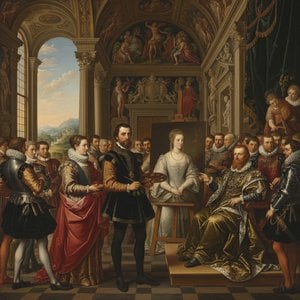
Hans von Aachen: Mannerism's Courtly Visionary & Imperial Portraiture
Explore the captivating world of Hans von Aachen, a leading Mannerist painter renowned for his exquisite imperial portraits & mythological scenes. Discover his legacy and influence on 16th-century European art.

A Barokk Mesterek 10 Legikonikusabb Remekműve – ArtsDot.com
Fedezze fel a barokk művészet 10 legpártosabb remekművét! Caravaggio, Rembrandt és Vermeer alkotásainak története – ArtsDot.com kínálatában exkluzív reprodukciók és inspiráló dekorációs ötletek várják Önt. Nézze meg most!

Nicolas Poussin: Classicism, Allegory & Order in 17th-Century French Painting
Explore the life & work of Nicolas Poussin, a master of French Classicism. Discover his allegorical paintings, Roman influences, and enduring impact on art history. Expert analysis & insights.

Echoes of Olympus: Mythological Narratives in Western Art Through the Ages
Explore the captivating history of mythological narratives in Western art! From ancient Greece to modern masterpieces, discover iconic artworks & symbolism. Expert analysis and high-quality reproductions at ArtsDot.

