


 Megtekintés
 Küldés
 Megosztás
 Részletek

 Letöltés
 Hasonló darabok
 X-ray felvétel
 Diavetítés
 Stats
StatsAimee
 Contemporary Realism
 2020
2020 21.0 x 29.0 cm
 Paintings in Hospitals
 Összes részlet megjelenítése
Kézzel készített olajfestmény reprodukció
Kézzel festett olajvastú vászon, az Ön által választott méretben és keretben, művészeink készítik meglévőre. ( Switch to Print Switch to Digital Image)




































Válasszon előre meghatározott méreteink közül, amelyek megfelelnek a műalkotás eredeti arányainak.

Ön megadhat saját méreteket egy adott kerethez vagy térhez igazításhoz. Ha a kiválasztott méret nem egyezik az eredeti kép arányával, akkor a műalkotást levágjuk, vagy további kézzel festett elemekkel meghosszabbítjuk a festményt. A gyártás megkezdése előtt küldünk Önnek egy digitális előnézetet jóváhagyásra.
Kérjük, vegye figyelembe, hogy a képernyőn megjelenő előnézet nem tükrözi a tényleges vágást vagy kiterjesztést. Csak az előnézet fog pontosan mutatni a végső kompozíciót.
Bár egyedi méretek állnak rendelkezésre, javasoljuk, hogy válasszon egy méretet az előre meghatározott listából az eredeti arányok megőrzése érdekében.
A rendelést követően a ArtsDot.com csapata e-mailt küld az ügyfélnek az instrukciókért, és biztosít egy előnézeti képet (mockup).
Világszerte elérhető szállítás () 3-4 hét alatt a szokásos 5 hét helyett. (8 szeptember). A minőség nem kérdőjelezhető.

Ingyenes globális expressz szállítás

Prémium minőségű len vászon

Teljes körű szállítási biztosítás

Vámvisszatérítési Garancia

Hiteles színpontosság garancia

100 napos visszaküldési lehetőség (csak hibás termékek esetén)

100% pénzvisszatérítési garancia

Több darab vásárlása esetén kedvezmény
 Az üvegkeretes opció csak 110 cm alatti méretben érhető el

Aimee
Reprodukciós technika
Reprodukció mérete
-


Összesített ár
$ 263
Hasonló műalkotások


A művész életrajza
Jean-Michel Basquiat: A Voice From the Streets and Beyond
Born in Brooklyn, New York, in 1960 to Haitian and Puerto Rican parents, Jean-Michel Basquiat’s life was a collision of cultures, experiences, and artistic impulses. His early years were marked by movement – leaving home at fifteen to live in Lower Manhattan, immersing himself in the vibrant, often chaotic, world of New York City's downtown art scene. This period, fueled by odd jobs and a burgeoning passion for painting and music (he played in a noise band), laid the foundation for his distinctive artistic voice. It was a time of experimentation, marked by the adoption of the pseudonym “SAMO,” a deliberate echo of the graffiti world he inhabited, and a series of cryptic statements scrawled across city walls – phrases like "Playing Art with Daddy’s Money" and "9 to 5 Clone” – that hinted at his critical perspective on societal structures.
Early Influences and the Rise of SAMO
Basquiat's artistic journey began not in formal studios, but on the streets. His early work as “SAMO” was deeply rooted in the graffiti subculture that thrived in New York during the late 1970s. This wasn’t simply tagging; it was a deliberate engagement with public space, a challenge to established norms, and an assertion of identity. These early pieces, often characterized by bold lettering and layered meanings, were more than just decoration—they were statements about the city itself, about the experience of being Black in America, and about the burgeoning art world that was beginning to take notice. The “Times Square Show” of 1980, a collaborative exhibition with Al Diaz, catapulted Basquiat into the public eye, though it also marked a shift in his artistic direction. Diaz’s departure from the project left Basquiat to largely carry the show's momentum, solidifying his individual identity and setting the stage for his solo career.
The 1980s: A Collision of Worlds
The critical turning point in Basquiat’s career arrived with René Ricard’s 1981 article, “The Radiant Child,” published in *New York* magazine. This piece, which described Basquiat as a "new kind of artist," effectively launched him into the mainstream art world. Ricard's assessment captured the zeitgeist of the decade – a period marked by significant social and political upheaval, often referred to as the “culture wars.” Basquiat’s work resonated deeply with this context, reflecting anxieties about race, class, and power. He wasn’t simply painting; he was engaging in a dialogue with the art market, with critics, and with society at large. His canvases became a platform for confronting issues of racial injustice, tokenism, and the commodification of art – themes that were both deeply personal and universally relevant.
Style and Symbolism: Jazz, History, and Personal Narrative
Basquiat’s visual language was remarkably complex and layered. Often compared to the improvisational nature of jazz music, his paintings evolved through a constant influx of information – a chaotic yet controlled blend of anatomical diagrams, historical references (particularly African art and iconography), text fragments, lists, inventories, and symbols. These elements weren't randomly assembled; they were carefully interwoven to create works that demanded multiple interpretations. He frequently incorporated personal narratives, reflecting his own experiences as a Black artist navigating the predominantly white art world. His use of crowns, for example, became a recurring motif, symbolizing both royalty and vulnerability – a potent visual shorthand for his complex identity.
Legacy and Impact
Despite his tragically short life—he died of a heroin overdose in 1988 at the age of twenty-seven—Basquiat’s impact on contemporary art is undeniable. His work continues to be studied, admired, and fiercely debated. His paintings have achieved extraordinary levels of value on the secondary market, demonstrating both the commercial success and critical recognition he garnered during his lifetime. More importantly, Basquiat's legacy extends beyond monetary value; he challenged conventional notions of artistic identity, pushed the boundaries of visual language, and offered a powerful critique of social and political issues—a voice that remains profoundly relevant today. His work serves as a vital reminder of the complexities of representation, the power of art to provoke dialogue, and the enduring importance of confronting uncomfortable truths.

han han
1982 - , China
A művészről röviden
- Artistic Movement Or Style: Neo-Expressionism
- Artists Or Movements Influenced By This Artist:
- Jazz
- Black art history
- Artists Who Influenced This Artist:
- Andy Warhol
- Graffiti artists
- Date Of Birth: 1960
- Date Of Death: 1988
- Full Name: Jean-Michel Basquiat
- Nationality: American
- Notable Artworks:
- Untitled (1982)
- Dustheads
- Echoes in the Rain
- Place Of Birth: Brooklyn, New York
Kapcsolódó cikkek

Oil on Canvas: A Historical & Technical Exploration of a Timeless Artistic Medium
Explore the rich history & enduring techniques of oil painting on canvas. Discover the science behind its longevity, conservation practices, and contemporary relevance. Expert insights for art enthusiasts.

The Enduring Legacy of Oil on Canvas: Technique, History & Aesthetic Impact
Explore the rich history & techniques of oil painting – from Renaissance masters to Impressionism. Discover pigments, layering methods, and why this timeless medium endures. Expert insights for artists & art enthusiasts.

A kék árnyalatai: 10 ikonikus festmény a Slate Blue szín jegyében | ArtsDot.com
Fedezze fel a 10 legikonikusabb festményt, melyeket a Slate Blue szín ural! Monet, Renoir és más mesterek művei inspirálnak. Vászonképek eladás, otthon dekoráció tippek a ArtsDot.com-on. Explore the full collection online!
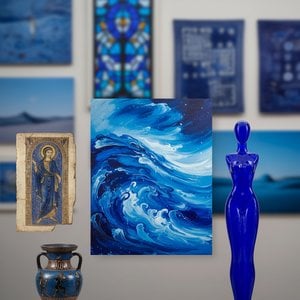
The Allure of Azure: Exploring the Symbolic & Aesthetic Depths of Blue in Art History
Explore the rich history of blue in art! Discover its symbolism, from ancient pigments to modern masterpieces by Kandinsky & Seurat. Uncover the psychological impact and cultural meanings behind this captivating hue.

The Enduring Power of Painting: A Historical & Contemporary Exploration of Form and Emotion
Explore the rich history & enduring techniques of oil painting with ArtsDot. Discover masterpieces, learn about art collecting, and find authentic handmade reproductions crafted by skilled artists.