
- Főoldal

- Olajfestmény reprodukció
- gu na
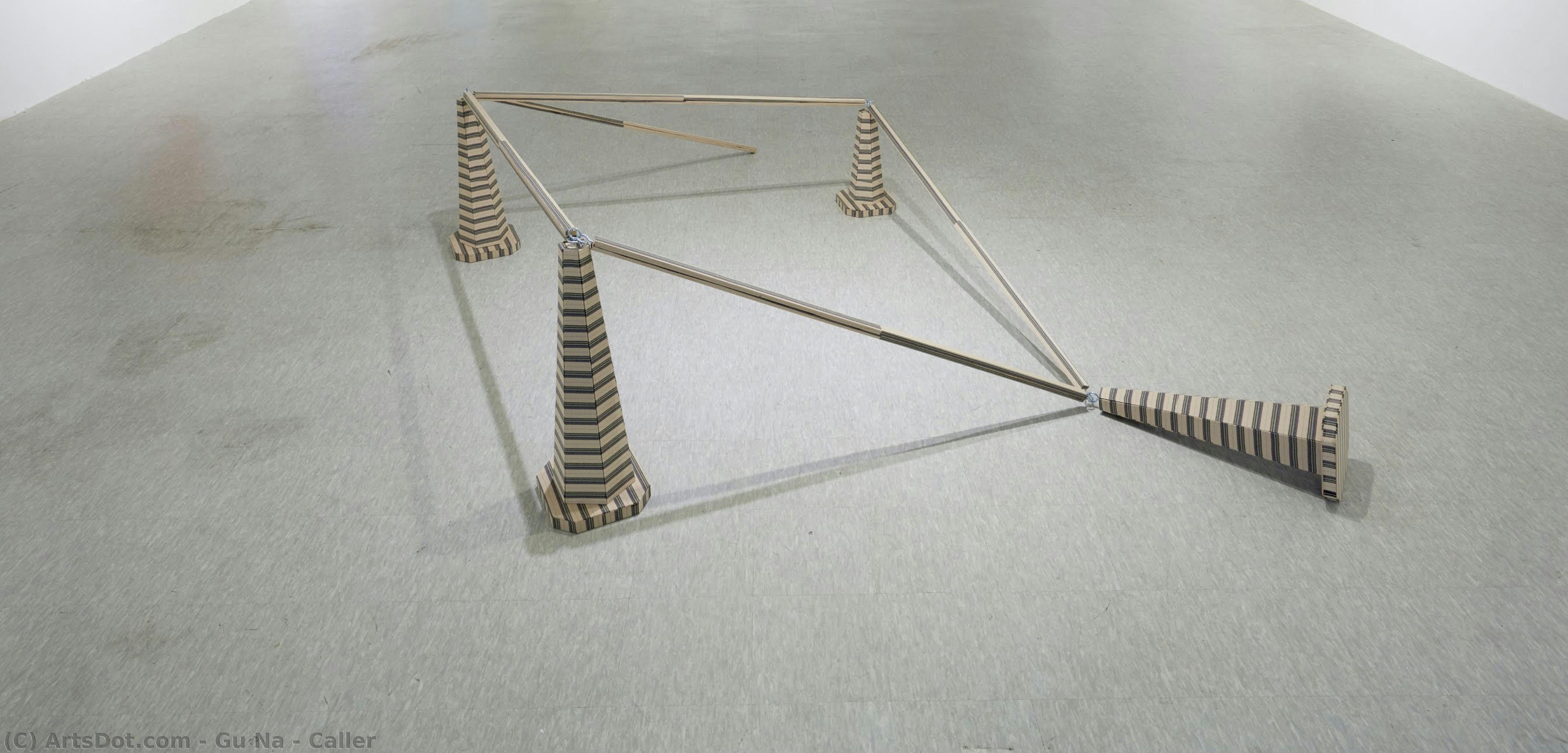
- Caller
 Preview
 Nyomat vásárlása Kép letöltése
 Megosztás
 Megosztás
 Részletek
 Kedvencekhez ad

 Letöltés
 Hasonló alkotások
 X-ray felvétel
 Diavetítés
Caller
 173.0 x 130.0 cm
 Gyeonggi Creation Center
 Tovább olvasom
Kézzel készített olajfestmény reprodukció
Kézzel festett olajvastú vászon, az Ön által választott méretben és keretben, művészeink készítik meglévőre.




































Válasszon előre meghatározott méreteink közül, amelyek megfelelnek a műalkotás eredeti arányainak.

Ön megadhat saját méreteket egy adott kerethez vagy térhez igazításhoz. Ha a kiválasztott méret nem egyezik az eredeti kép arányával, akkor a műalkotást levágjuk, vagy további kézzel festett elemekkel meghosszabbítjuk a festményt. A gyártás megkezdése előtt küldünk Önnek egy digitális előnézetet jóváhagyásra.
Kérjük, vegye figyelembe, hogy a képernyőn megjelenő előnézet nem tükrözi a tényleges vágást vagy kiterjesztést. Csak az előnézet fog pontosan mutatni a végső kompozíciót.
Bár egyedi méretek állnak rendelkezésre, javasoljuk, hogy válasszon egy méretet az előre meghatározott listából az eredeti arányok megőrzése érdekében.
A rendelést követően a ArtsDot.com csapata e-mailt küld az ügyfélnek az instrukciókért, és biztosít egy előnézeti képet (mockup).
Világszerte elérhető szállítás () 3-4 hét alatt a szokásos 5 hét helyett. (25 július). A minőség nem kérdőjelezhető.

Ingyenes globális expressz szállítás

Prémium minőségű len vászon

Teljes szállítási biztosítás

Vámvisszatérítési Garancia

Tökéletes színpontosság garancia

60 napos visszaküldési lehetőség (csak gyártási hibák esetén)

100%-os pénzvisszatérítési garancia

Kedvezmény több termény esetén
 Az üvegkeretes opció csak 110 cm alatti méretben érhető el

Caller
Reprodukciós technika
A reprodukció mérete
-


Összesített ár
-
A műalkotás leírása
A művész életrajza
Gu Na: A Pioneer of Modern Calligraphy
Gu Na (古干), born July 28, 1942, in Changsha, Hunan Province, China, stands as a monumental figure in the history of Chinese art. Revered as the “Father of Modern Calligraphy,” he fundamentally reshaped artistic expression through his unwavering dedication to blending traditional aesthetics with innovative techniques—a legacy that continues to inspire artists globally. His journey began amidst the turbulent backdrop of post-revolutionary China, where he honed his craft at the Central Art Academy, laying the groundwork for a career marked by groundbreaking experimentation and profound cultural significance.- Early Influences: Gu Gan’s formative years were deeply impacted by the intellectual ferment surrounding Mao Zedong's Cultural Revolution. This period instilled in him a fervent belief in artistic integrity and a commitment to serving the nation through art, shaping his worldview and informing his creative process.
- Formal Training & Artistic Vision: Graduating from the Central Art Academy in 1962, Gu Gan embarked on a path of rigorous study under luminaries like Xu Zhengyu, absorbing the principles of traditional calligraphy while simultaneously embracing modernist ideas. He envisioned calligraphy not merely as an art form but as a conduit for conveying profound philosophical concepts and capturing the essence of human experience.
The Breakthrough: Embracing Abstract Expressionism
Gu Gan’s artistic breakthrough arrived in the late 1970s when he began to explore abstract expressionist techniques—a daring departure from conventional calligraphy styles. Influenced by artists like Willem de Kooning and Franz Kline, he experimented with bold brushstrokes, unconventional color palettes, and fragmented compositions, pushing the boundaries of what was considered acceptable within Chinese artistic discourse. This stylistic shift signaled a pivotal moment in his oeuvre, establishing him as a visionary innovator who championed artistic freedom and challenged established norms.- Experimentation & Innovation: Gu Gan’s exploration of abstraction involved meticulously analyzing the underlying structure of characters—their geometric components and their relationships to each other—and translating these insights into visual representations. He skillfully manipulated color, texture, and spatial arrangement to evoke emotional resonance and convey complex ideas.
- Recognition & Critical Acclaim: His pioneering approach garnered considerable acclaim from critics and fellow artists alike, cementing his reputation as a trailblazer who dared to redefine the artistic landscape of China. Notably, he secured the prestigious honor of designing the wine label for Château Mouton Rothschild in 1998—a testament to his artistic prowess and international recognition.
Notable Achievements & Artistic Legacy
Gu Gan’s prolific output spanned decades, resulting in a vast collection of paintings that exemplify his distinctive style and intellectual depth. He achieved considerable success in exhibitions across Asia and Europe, showcasing his work to audiences worldwide. His contributions extended beyond artistic creation; he served as Chief Editor of People's Literature Publishing House and held positions within prominent artistic organizations—demonstrating his unwavering commitment to fostering artistic excellence and promoting cultural dialogue.- Major Exhibitions: Gu Gan’s paintings have graced prestigious venues such as the British Museum, Shanghai Art Fair, and Taipei Art Fair, attracting critical attention and establishing him as a leading figure in contemporary Chinese art.
- Influence on Subsequent Artists: His innovative approach to calligraphy continues to inspire younger generations of artists—who recognize his pioneering spirit and embrace his willingness to challenge conventions—solidifying his enduring legacy as a transformative force within the realm of artistic expression.
Concluding Reflections
Gu Na’s artistic journey represents more than just stylistic evolution; it embodies a profound engagement with philosophical ideas and a steadfast belief in the power of art to communicate complex truths. He remains an exemplar of artistic integrity, demonstrating that true creativity lies in embracing experimentation while honoring tradition—a lesson that resonates powerfully across cultures and generations. His work stands as a beacon of innovation and continues to captivate audiences worldwide, ensuring his place among the most influential artists of the 20th century.
gu na
1992 - , China
Rövid tények
- Artistic Movement Or Style: Modernist School of Chinese Calligraphy
- Artists Or Movements Influenced By This Artist:
- Zao Wou-ki
- Xu Lei
- Artists Who Influenced This Artist: ['']
- Date Of Birth: July 28, 1942
- Full Name: Gu Gan
- Nationality: Chinese
- Notable Artworks:
- Heart to Heart
- Label for Wine by Château Mouton Rothschild
- The Red Golden Age
- Place Of Birth: Changsha, Hunan Province

