

 Megtekintés
 Küldés
 Megosztás
 Részletek
 Útmutató

 Letöltés
 Hasonló darabok
 X-ray felvétel
 Diavetítés
 Kérdések és válaszok
 Statisztika
Strips


 Összes részlet megjelenítése
Az ezen az oldalon megjelenített műalkotások szerzői jogi védelem alatt állnak, ami azt jelenti, hogy törvényileg nem készíthetünk és nem adhatunk el belőlük pontos másolatokat. Ez a védelem olyan nemzetközi megállapodások alapján érvényesül, mint például a Berni Egyezmény és a nemzeti jogszabályok által, beleértve azokat is, amelyeket meghatározott Az USA szerzői jogi törvénye – 17. cím.
Ez a módszer teljes mértékben megfelel a szerzői jogi szabályozásnak, mivel nem tartalmazza a védett műalkotás másolását vagy duplikálását. Ehelyett ez egy kreatív újinterpretáció – egy új festmény, amely az eredetivel való összefüggései miatt hatással van rá, de nem az az.
Giclée / Műnyomat
Múzeumi minőségű giclée vagy vászonnyomat, gyors gyártással és rugalmas finomítási lehetőségekkel. ( Kézzel festett másolat rendelése Áttérés digitális képre)




P118B Ft10

P118H Ft10

P118W Ft10

P438Z Ft10

P508JH Ft12

P508YH Ft12

P805H Ft10

P805Z Ft10

P919BZ Ft10

P919G Ft10

P919XJ Ft10

P959ZH Ft10

P968JZ Ft12

W106C Ft8

W218G Ft10

W218JH Ft8

W218Y Ft10

W307PJ Ft10

W316G Ft10

W316PJ Ft8

W316Y Ft10

W398PJ Ft8

W4111J Ft10

W500HY Ft15

W500JH Ft15

W692G Ft12

W849H Ft8

W940BG Ft15

W953PJ Ft8




Válasszon előre meghatározott méreteink közül, amelyek megfelelnek a műalkotás eredeti arányainak.

Írja be a keretének vagy a falának megfelelő szélességet és magasságot. A nyomatot csak le lehet vágni, soha nem tehető nagyobbá, mint az eredeti kép, így egy eltérő alakú méretnél a kép egy része elveszik. Mielőtt bármit kinyatintanánk, küldünk egy digitális próbamodellt jóváhagyásra. Az oldalon látható kép nem tartalmazza a valós levágást — ezt csak a próbamodell mutatja meg.
Világszerte történő kiszállítás területére mindössze 2 hét alatt, a szokásos 4-5 hét helyett. (7 november)

Ingyenes globális expressz szállítás

Prémium minőségű len vászon

Teljes körű szállítási biztosítás

Vámvisszatérítési Garancia

Hiteles színarányosság garancia

100 napos visszaküldési lehetőség (csak hibás termékek esetén)

100% pénzvisszatérítési garancia

Több darab vásárlásakor kedvezmény
 Az üvegkeretes opció csak 110 cm alatti méretben érhető el

Strips
Giclée / Műnyomat
Reprodukció mérete
-


Összesített ár
Ft 20530
Kérdések és válaszok
Milyen módon kapcsolódik a "Strips" stílusa alkotójának korához?
A „Strips”, Gordon Bennett Ao alkotása a Contemporary Folk Art irányzat alkotása, mely alkotójának Kortárs művészet korszakából származik.
Mikor készült a "Strips"?
A „Strips”, Gordon Bennett Ao alkotása alkotása 2005-ben készült.
Milyen nemzetiség áll a „Strips” Contemporary Folk Art-ének hátterében?
A "Strips" alkotását Gordon Bennett Ao készítette, aki Australia-ban született, a Contemporary Folk Art irányzat keretein belül. A művész származása összeköti a művet a Contemporary Folk Art stílussal, amelyet Australia művészei gyakoroltak.
Hasonló műalkotások


A művész életrajza
A pionérművész az ausztrál őslakkozott művészetben
Gordon Bennett Ao, az aborigén és anglo-celtikus származású kiemelkedő ausztrál művész, megsemmíthetetlen nyomot hagyott a kortárs művészeti pályán. 1955. október 9-én született Monto, Queensland területén, életútja pedig az identitás sokszínűségének élő tanújaként szolgált, amelyet művészete révén merészenséggel fogalmazott meg. Mielőtt teljes egészében a művészetnek szentelte magát, Bennett a 32. életévéig az ausztrál telekommunikációnál dolgozott, ez a váltás pedig jelezte prolific művészi pályafutása kezdetét. Vibráló és gondolkaltat easy műveiről ismert, Bennett alkotásai alapjaiban kérdőjeleztek meg az identitásról, a történelemről és a tudás felépítéséről alkotott elképzeléseket. Merész stílusának emberi megközelítése világszerte rezonált a közönséggel. A kortárs ausztrál őslakkozott művészet egyik vezető alakjaként munkái nemcsak örökségét tükröztek, hanem utat is törtek a jövő generációi aborigén művészei számára.Jelentős művek és kiállítások
Bár Bennett kiemelkedő műveinek pontos listáját nem tüntetjük fel itt, a művészet világáig való hozzájárulásait részletesen dokumentálják az ArtsDot.com oldalon. Néhány alkotása az art movements 1/2 szekcióban is megtalálható, ami egy pillantást enged a művész művészi fejlődésébe.Örökség és hatás
Bennett hatása túlmutat saját generációján, új művészeket inspirálva a fel identities és a kulturális örökség témáinak felfedezésére. Az ősi ausztrál művészet megőrzéséért tett tettei biztosították az ausztrál őslakkozott művészet globális szintű folyamatos relevanciáját és elismertetését.Gordon Bennett Ao emlékezete
Bennett 2014. június 3-án hunyt el, de hagyatékát az örökótás őrzi. Azok számára, akik kíváncsiak további műveire vagy mélyebben is megismernék az ausztrál őslakkozott művészet világát, az ArtsDot.com oldalon található prints that you can afford egyedülálló lehetőséget kínál arra, hogy haptikus, megfizethető módon élvezhessék művészetét.- A legfontosabb tanulság: Gordon Bennett Ao élete és munkái erőteljes emlékeztetőként szolgálnak arra a hatásra, amelyet egyetlen művész gyakorolhat a szélesebb kulturális tájra.
- Jövőbeli irányok: ahogy haladunk előre, elengedhetetlen, hogy továbbra is ünnepeljük és támogassuk azokat a művészeket, akik, mint Bennett, megkérdőjelezik perceptíciónkat és tágítják a világ iránti megértésünket.
Következtetés
Gordon Bennett Ao lenyűgöző utazása, bár korán megszakadt, maradandó nyomot hagyott a művészet világában. Öröksége iránytűként szolgál a jövő generációi számára, új hangokat és látásmódokat inspirálva az állandóan változó kortárs ausztrál őslakkozott művészet táján.
Gordon Bennett Ao
1955 - 2014 , Australia
Rövid információk
- Artistic Movement Or Style: Narratív realizmus
- Artists Or Movements Influenced By This Artist: ['Szociális realizmus']
- Artists Who Influenced This Artist: ['Charles White']
- Date Of Birth: 1955
- Date Of Death: 2014
- Full Name: Kerry James Marshall
- Nationality: amerikai
- Notable Artworks:
- Cím nélküli (A alak)
- Kicsi ívek
- Időtöltések
- Place Of Birth: Mount Ommanoo, Ausztrália
Kapcsolódó cikkek

Gordon Parks: A Poetic Lens on American Life – Photography, Social Justice & Storytelling
Explore the profound work of Gordon Parks, a groundbreaking photographer who documented American life with unparalleled empathy and artistry. Discover his iconic images & lasting impact on social justice through Life magazine & beyond.
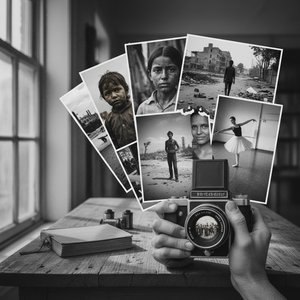
Witnessing History: Documentary Photography as an Art Movement
Explore the powerful history of documentary photography – from its origins to contemporary masters like Gordon Parks. Discover how this art form shapes our understanding of society and witness pivotal moments in time.

Sir John Watson Gordon: A Study in Scottish Landscape Painting & Tonal Impressionism
Explore the captivating portraits of Sir John Watson Gordon, a leading Scottish master. Discover his evolution from neoclassical style to atmospheric Tonalism and influence on 19th-century British art. Learn about his iconic sitters & legacy.