


 Előnézet
 Megosztás
 Megosztás
 Részletek
 Útmutató

 Letöltés
 Hasonló darabok
 X-ray felvétel
 Diavetítés
 Statisztika
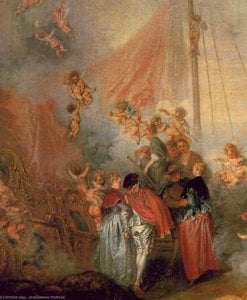
The Immaculate Conception


 Tovább olvasom
Giclée / Műnyomat
Múzeumi minőségű giclée vagy vászonnyomat, gyors gyártással és rugalmas finomítási lehetőségekkel. ( Kézzel festett másolat vásárlása Áttérés digitális képre)




































Válasszon előre meghatározott méreteink közül, amelyek megfelelnek a műalkotás eredeti arányainak.

Írja be a keretének vagy a falának megfelelő szélességet és magasságot. A nyomatot csak le lehet vágni, soha nem tehető nagyobbá, mint az eredeti kép, így egy eltérő alakú méretnél a kép egy része elveszik. Mielőtt bármit kinyatintanánk, küldünk egy digitális próbamodellt jóváhagyásra. Az oldalon látható kép nem tartalmazza a valós levágást — ezt csak a próbamodell mutatja meg.
Világszerte történő kiszállítás területére mindössze 2 hét alatt, a szokásos 4-5 hét helyett. (24 október)

Ingyenes globális expressz szállítás

Prémium minőségű len vászon

Teljes körű szállítási biztosítás

Vámvisszatérítési Garancia

Tökéletes színarányosság garancia

100 napos visszaküldési garancia (csak gyártási hibás termékek esetén)

100% pénzvisszatérítési garancia

Több darab vásárlásakor kedvezmény
 Az üvegkeretes opció csak 110 cm alatti méretben érhető el

The Immaculate Conception
Giclée / Műnyomat
Reprodukció méretei
-


Összesített ár
Ft 19844
Hasonló műalkotások



A művész életrajza
The Venetian Master of Baroque Drama: The Life of Giuseppe Angeli
In the luminous, water-bound world of eighteenth-century Venice, few artists captured the profound tension between the earthly and the divine as masterfully as Giuseppe Angeli. Born in 1712, Angeli emerged during a period when the late Baroque style was reaching its most sophisticated and emotive peak. His life’s work serves as a vibrant window into the cultural soul of Venice, bridging the gap between intimate genre scenes of everyday Venetian life and the monumental, sweeping narratives of religious devotion. To study Angeli is to witness the evolution of a painter who could command both the quiet subtlety of a domestic moment and the thunderous grandeur of a celestial vision.
The foundation of Angeli’s brilliance was laid under the watchful eye of Giambattista Piazzetta, one of the most formidable figures in Venetian painting. From his mentor, Angeli inherited a profound understanding of chiaroscroll—the dramatic interplay of light and shadow—and a technique that prioritized emotional resonance over mere decorative flourish. This rigorous training allowed him to navigate the complex guild systems of the era with professional ease. By 1741, his ascent was formalized through his enrollment in the Venetian Academy of Fine Arts, an institution that would later become the stage for his greatest professional triumphs.
A Legacy of Instruction and Influence
Angeli was not merely a practitioner of art but a guardian of its future. His relationship with the Venetian Academy of Fine Arts transitioned from student to leader, a journey marked by deep intellectual commitment. In 1756, he began sharing his mastery through teaching, and by 1772, he had ascended to the prestigious position of President of the Academy. This role placed him at the heart of Venice's artistic evolution, where he shaped the pedagogical standards for a new generation of painters, ensuring that the traditions of the Baroque would endure even as the winds of Neoclassicism began to stir.
His influence extended far beyond the classroom, manifesting in grand architectural interventions that transformed sacred and secular spaces alike. His reputation was cemented by several monumental achievements:
- The Church of San Stae: Here, his ambitious canvases showcased a breathtaking mastery of perspective and color, drawing the faithful into a heightened state of spiritual contemplation.
- Villa Widmann-Foscari: In the lush landscapes near Padua, Angeli’s expansive fresco murals demonstrated an unparalleled command of scale, turning walls into immersive, narrative windows.
The Versatility of Vision: From Sacred to Secular
What truly distinguishes Angeli is his remarkable ability to pivot between scales and subjects without losing his stylistic signature. While his religious works, such as St Roch in Glory and Elijah Taken Up in a Chariot of Fire, utilize dramatic movement and biblical grandeur to evoke awe, his smaller-scale works offer a more intimate look at the human condition. In pieces like Lesson in Astronomy, one can sense the intellectual elegance of the era, where the pursuit of scientific knowledge was treated with the same reverence as spiritual enlightenment.
His oeuvre remains a testament to the enduring power of the Venetian school. Whether through the tender personifications found in works like Charity or the sweeping theatricality of his frescoes, Angeli’s art continues to resonate. He remains a pivotal figure whose work captures the twilight of the Baroque era—a period defined by its ability to find the extraordinary within the ordinary and the divine within the human experience.

Giuseppe Angeli
1712 - 1798 , Italy
Gyors információk
- Full Name: Giuseppe Angeli
- Nationality: Italian
- Date Of Birth: 1712
- Date Of Death: 1798
- Place Of Birth: Venice, Italy
- Notable Artworks:
- Elijah Taken Up in a Chariot of Fire
- St Roch in Glory
- Faith
- Charity
- Artistic Movement Or Style: Late Baroque
- Artists Who Influenced This Artist: ['Giambattista Piazzetta']

