


 Előnézet
 Megosztás
 Megosztás
 Részletek
 Útmutató

 Letöltés
 Hasonló darabok
 X-ray felvétel
 Diavetítés
 Statisztika
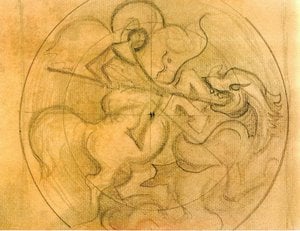
A Turtle
 Tovább olvasom
Kézzel készített olajfestmény reprodukció
Kézzel festett olajvastú vászon, az Ön által választott méretben és keretben, művészeink készítik meglévőre. ( Váltás nyomtatványra Áttérés digitális képre)




































Válasszon előre meghatározott méreteink közül, amelyek megfelelnek a műalkotás eredeti arányainak.

Ön megadhat saját méreteket egy adott kerethez vagy térhez igazításhoz. Ha a kiválasztott méret nem egyezik az eredeti kép arányával, akkor a műalkotást levágjuk, vagy további kézzel festett elemekkel meghosszabbítjuk a festményt. A gyártás megkezdése előtt küldünk Önnek egy digitális előnézetet jóváhagyásra.
Kérjük, vegye figyelembe, hogy a képernyőn megjelenő előnézet nem tükrözi a tényleges vágást vagy kiterjesztést. Csak az előnézet fog pontosan mutatni a végső kompozíciót.
Bár egyedi méretek állnak rendelkezésre, javasoljuk, hogy válasszon egy méretet az előre meghatározott listából az eredeti arányok megőrzése érdekében.
A rendelést követően a ArtsDot.com csapata e-mailt küld az ügyfélnek az instrukciókért, és biztosít egy előnézeti képet (mockup).
Világszerte elérhető szállítás () 3-4 hét alatt a szokásos 5 hét helyett. (23 szeptember). A minőség nem kérdőjelezhető.

Ingyenes globális expressz szállítás

Prémium minőségű len vászon

Teljes körű szállítási biztosítás

Vámvisszatérítési Garancia

Tökéletes színarányosság garancia

100 napos visszaküldési garancia (csak gyártási hibás termékek esetén)

100% pénzvisszatérítési garancia

Több darab vásárlásakor kedvezmény
 Az üvegkeretes opció csak 110 cm alatti méretben érhető el

A Turtle
Reprodukciós technika
Reprodukció méretei
-


Összesített ár
$ 263
Hasonló műalkotások


A művész életrajza
A Life Submerged in Tranquility: The World of Gerrit Willem Dijsselhof
Born in Zwollerkerspel, on the 2nd of August, 1866, Gerrit Willem Dijsselhof cultivated a deep and abiding connection to the natural world—a sensibility that would profoundly shape his artistic vision. His early years, spent immersed in the landscapes of the Netherlands, instilled within him a reverence for organic forms and subtle atmospheric effects. This foundational appreciation led him first to the Art Academy in The Hague, but it was his relocation to Amsterdam in 1884, and enrollment at the National School of Applied Arts, that truly set the course for his creative journey. It was here, amidst the burgeoning ideals of craftsmanship and aesthetic unity, that Dijsselhof discovered his unique artistic voice.The Allure of Aqua: Inspiration from Natura Artis Magistra
Dijsselhof’s artistic path took a distinctive turn with his discovery of Amsterdam’s renowned zoo and aquarium, Natura Artis Magistra, which had opened its doors just a decade prior. The mesmerizing world beneath the water's surface captivated him utterly. He became a frequent visitor, spending countless hours sketching and painting the fish within its glass walls. This wasn’t merely observational study; it was an immersion into a realm of ethereal beauty and tranquil movement. The aquarium provided not only subject matter but also a philosophical framework for his art—a microcosm reflecting the delicate balance and inherent harmony of nature. He began to translate this fascination onto canvas, initially employing delicate watercolor techniques that perfectly captured the play of light and color within the aquatic environment. Later, he expanded his repertoire to include oil painting, allowing for richer textures and more nuanced atmospheric effects. Pike and Perch in an Aquarium, and Gold- and Silverfish in an Aquarium stand as testaments to this enduring fascination, showcasing not just the physical forms of the fish but also their behavior and the serene ambiance of their underwater world.Arts & Crafts Ideals and a Versatile Talent
Dijsselhof’s artistic development was deeply intertwined with the principles of the Arts and Crafts movement. This philosophy, which championed craftsmanship, natural forms, and a rejection of industrial mass production, resonated profoundly with his sensibilities. He embraced the idea that art should be integrated into everyday life, and this belief led him to expand his creative pursuits beyond painting. From 1897 onwards, he collaborated with the firm E.J. van Wisselingh & Co., Amsterdam, designing furniture that reflected the same aesthetic principles as his paintings—organic forms, meticulous craftsmanship, and a harmonious blend of function and beauty. This versatility demonstrated Dijsselhof’s remarkable talent and his commitment to creating a holistic artistic vision. His landscapes and floral studies, such as Autumn Day and Tulip Fields, further reveal his ability to capture the essence of the Dutch countryside with sensitivity and grace.Notable Achievements & Artistic Style
Dijsselhof’s distinctive style is characterized by its understated elegance and masterful execution. He skillfully blended meticulous naturalistic observation with an aesthetic deeply rooted in craftsmanship—a combination that resulted in artworks imbued with a profound sense of tranquility and contemplation. His use of watercolor, particularly for aquarium scenes, allowed him to achieve remarkable luminosity and subtlety, capturing the shimmering reflections of light on water surfaces. Simultaneously, his oil paintings benefited from richer textures and deeper color palettes, conveying an emotional depth that complemented the visual beauty of his subjects. He achieved particular renown for his depictions of Natura Artis Magistra’s fish—works that transcended mere representation to become expressions of wonder and admiration for the natural world.Legacy & Historical Significance
Gerrit Willem Dijsselhof passed away in Overveen in 1924, leaving behind a body of work that offers a unique window into the artistic sensibilities of the Dutch Arts and Crafts movement. His aquarium paintings are particularly noteworthy for their atmospheric quality, detailed observation, and muted color palettes—qualities that evoke a sense of serenity and contemplation. He wasn’t simply depicting fish; he was capturing an entire mood, a feeling of peaceful immersion in another world. While perhaps not widely known internationally, Dijsselhof remains a respected figure within Dutch art history, celebrated for his distinctive style and unwavering dedication to portraying the beauty of the natural realm. His contribution lies in successfully blending meticulous naturalistic observation with an aesthetic deeply rooted in craftsmanship, creating artworks that are both visually captivating and emotionally resonant.
Gerrit Willem Dijsselhof
1866 - 1924 , Holland
Gyors információk
- Artistic Movement Or Style: Arts & Crafts
- Artists Who Influenced This Artist:
- William Morris
- Walter Crane
- Date Of Birth: 1866
- Date Of Death: 1924
- Full Name: Gerrit Willem Dijsselhof
- Nationality: Dutch
- Notable Artworks:
- Pike and Perch in an Aquarium
- Gold- and Silverfish in Aquarium
- Autumn Day
- Tulip Fields
- Place Of Birth: Vollerkerk, Netherlands