

 Megtekintés
 Küldés
 Megosztás
 Részletek
 Útmutató

 Letöltés
 Hasonló darabok
 X-ray felvétel
 Diavetítés
 Kérdések és válaszok
 Statisztika
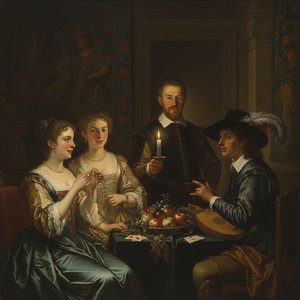
The Merry Fiddler

- 108.0 x 89.0 cm


 Összes részlet megjelenítése
Giclée / Műnyomat
Múzeumi minőségű giclée vagy vászonnyomat, gyors gyártással és rugalmas finomítási lehetőségekkel. ( Kézzel festett másolat rendelése Áttérés digitális képre)




P118B Ft10

P118H Ft10

P118W Ft10

P438Z Ft10

P508JH Ft12

P508YH Ft12

P805H Ft10

P805Z Ft10

P919BZ Ft10

P919G Ft10

P919XJ Ft10

P959ZH Ft10

P968JZ Ft12

W106C Ft8

W218G Ft10

W218JH Ft8

W218Y Ft10

W307PJ Ft10

W316G Ft10

W316PJ Ft8

W316Y Ft10

W398PJ Ft8

W4111J Ft10

W500HY Ft15

W500JH Ft15

W692G Ft12

W849H Ft8

W940BG Ft15

W953PJ Ft8




Válasszon előre meghatározott méreteink közül, amelyek megfelelnek a műalkotás eredeti arányainak.

Írja be a keretének vagy a falának megfelelő szélességet és magasságot. A nyomatot csak le lehet vágni, soha nem tehető nagyobbá, mint az eredeti kép, így egy eltérő alakú méretnél a kép egy része elveszik. Mielőtt bármit kinyatintanánk, küldünk egy digitális próbamodellt jóváhagyásra. Az oldalon látható kép nem tartalmazza a valós levágást — ezt csak a próbamodell mutatja meg.
Világszerte történő kiszállítás területére mindössze 2 hét alatt, a szokásos 4-5 hét helyett. (8 november)

Ingyenes globális expressz szállítás

Prémium minőségű len vászon

Teljes körű szállítási biztosítás

Vámvisszatérítési Garancia

Hiteles színarányosság garancia

100 napos visszaküldési lehetőség (csak hibás termékek esetén)

100% pénzvisszatérítési garancia

Több darab vásárlásakor kedvezmény
 Az üvegkeretes opció csak 110 cm alatti méretben érhető el

The Merry Fiddler
Giclée / Műnyomat
Reprodukció mérete
-


Összesített ár
Ft 20545
A Symphony of Light and Shadow
In the heart of the Dutch Golden Age, few artists captured the ephemeral magic of a single moment as profoundly as Gerard van Honthorst. His masterpiece, The Merry Fiddler, serves as a breathtaking window into a world of nocturnal joy and theatrical intensity. Created in 1623, this work is far more than a mere portrait of a musician; it is a masterclass in the dramatic interplay of light and darkness. As the viewer approaches the canvas, they are immediately enveloped by the artist's signature use of tenebrism—a technique heavily influenced by Caravaggio that allows deep, velvety shadows to emerge from the periphery, only to be pierced by sudden, radiant pools of illumination. This deliberate manipulation of light does not simply reveal the subject; it sculptively defines him, pulling the violinist from the gloom and thrusting his exuberant energy into the viewer's space.
The composition centers on a man lost in the passion of his craft, his face alight with a genuine, infectious smile that suggests the music is as much a spiritual release as it is entertainment. Dressed in opulent attire that whispers of Italian sophistication, the musician wears a blue garment accented by shimmering gold trim, a detail that catches the light and adds a layer of tactile luxury to the scene. Flanking him are two observers, their attentive expressions acting as emotional anchors that guide our own gaze toward the center of the musical performance. This arrangement creates a sense of intimacy, making the spectator feel less like an outsider looking in and more like a silent guest seated at the very table where the melody unfolds.
The Legacy of the Utrecht Caravaggisti
To understand the depth of The Merry Fiddler, one must look to the transformative journey Honthorst undertook during his time in Rome. As a prominent member of the Utrecht Caravaggisti, Honthorst absorbed the raw, visceral energy of the Italian Baroque and brought it back to the Netherlands, where he earned the evocative nickname Gherardo delle Notti—Gerard of the Nights. This title reflects his unparalleled ability to depict scenes lit by candlelight or hidden flames, creating an atmosphere that feels both secretive and profoundly human. In this painting, the light source is unseen yet palpable, casting a warm, flickering glow that breathes life into the textures of fabric, skin, and wood.
For the discerning collector or interior designer, this artwork offers much more than historical significance; it provides a powerful emotional anchor for any curated space. The painting’s ability to command attention through contrast makes it an ideal centerpiece for rooms designed for contemplation or sophisticated entertaining. Whether placed in a library filled with classical literature or a modern lounge seeking a touch of Old World grandeur, the piece brings with it a sense of narrative tension and timeless elegance. It is a celebration of life's fleeting, joyful moments, captured forever through the masterful brushstrokes of a man who knew exactly how to make the darkness sing.
Kérdések és válaszok
Mely paletta és domináns szín határozza meg a "The Merry Fiddler" alkotást?
A "The Merry Fiddler" alkotást egy Earthy színekből álló paletta határozza meg, melyet Black (#0f0607) dominál.
Melyik helyiségbe illik jól a "The Merry Fiddler" reprodukciója az otthonunkban?
A „The Merry Fiddler”, Gerard van Honthorst alkotása számára a javasolt helyszín egy Living Room. Természetesen ez az ajánlás az Ön belső terehez is igazítható.
Hogyan építhető be „The Merry Fiddler”, Gerard van Honthorst alkotása a lakberendezésbe?
A „The Merry Fiddler”, Gerard van Honthorst alkotása ajánlott Statement célokra, lehetőleg egy Living Room helyiségbe. A felhasználás módja és a tér kialakítása együtt segít eldönteni, hogy melyik reprodukció illik bele.
Hasonló műalkotások


A művész életrajza
A Master of Light and Shadow: The Life and Art of Gerard van Honthorst
Gerard van Honthorst emerged from Utrecht in 1592, a pivotal figure poised to illuminate the Dutch Golden Age with his dramatic artistry. Initially guided by his father, a decorative painter, young Gerard’s talent blossomed under the tutelage of Abraham Bloemaert, establishing a solid foundation in draftsmanship and composition. However, it was a transformative journey to Rome that irrevocably altered the course of his artistic development. There, amidst the fervent energy of the Italian Baroque, he encountered the groundbreaking work of Caravaggio – an encounter that would define his signature style and earn him the evocative nickname “Gherardo delle Notti,” or Gerard of the Nights. The dramatic use of *tenebrism*, a technique employing stark contrasts between light and dark, became Honthorst’s hallmark, imbuing his canvases with a palpable sense of drama and emotional intensity. He wasn't merely imitating Caravaggio; he was translating the Italian master’s innovations into a distinctly Dutch sensibility, focusing on intimate scenes illuminated by artificial light sources – candles, lamps, and fires – creating an atmosphere both realistic and deeply theatrical. This mastery over light wasn’t simply technical skill; it was a means of revealing character, of drawing the viewer into the emotional core of each scene.From Roman Acclaim to Dutch Mastery
Honthorst's time in Rome was marked by considerable success and patronage. He found favor amongst the city’s elite, including Vincenzo Giustiniani, for whom he created the powerful “Christ Before the High Priest,” a work that exemplifies his masterful command of light and shadow. This painting, now residing in London’s National Gallery, showcases not only his technical skill but also his ability to convey profound psychological depth within his figures. He further solidified his reputation by working for Cosimo II de' Medici, Grand Duke of Tuscany, demonstrating an adaptability and versatility that would serve him well throughout his career. Upon returning to Utrecht around 1620, Honthorst quickly established himself as a leading portrait painter in the Dutch Republic. His ability to capture not just physical likeness but also the character and social standing of his sitters made him highly sought after by wealthy merchants, nobles, and even royalty. He became president of the Guild of St. Luke in Utrecht in 1623, a testament to his growing influence within the artistic community. This period saw a flourishing of commissions, allowing Honthorst to refine his style and establish a distinctive voice within Dutch painting.A Courtly Artist: Commissions and Collaborations
The reach of Honthorst’s talent extended beyond the Netherlands. His work attracted the attention of Sir Dudley Carleton, who enthusiastically recommended him to prominent English aristocrats like the Earl of Arundel and Lord Dorchester. This led to commissions from Queen Elizabeth of Bohemia, sister of Charles I, who employed him as both a painter and drawing master for her children. These royal connections culminated in significant works such as the allegorical depiction of Charles and Henrietta Maria as Diana and Apollo, now housed at Hampton Court Palace. Honthorst’s willingness to collaborate with other artists also speaks to his open-mindedness and artistic generosity. He famously hosted Peter Paul Rubens during a visit to Utrecht, even painting him in a playful scene depicting Diogenes searching for an honest man – a testament to the mutual respect between these two Baroque giants. These collaborations weren’t simply about sharing workload; they were intellectual exchanges that enriched the artistic landscape.The Utrecht Caravaggisti and His Distinct Style
Honthorst was a key figure in the *Utrecht Caravaggisti* movement – a group of Dutch painters who embraced Caravaggio's dramatic realism and *tenebrism*. Alongside artists like Hendrick ter Brugghen and Dirck van Baburen, he helped to establish a distinctly Dutch interpretation of Italian Baroque style. His emphasis on genre scenes illuminated by artificial light, his masterful portraits, and his ability to convey emotional depth through skillful use of chiaroscuro left an indelible mark on the development of Dutch Golden Age painting. He wasn’t simply copying Caravaggio; he was distilling the essence of the Italian master's techniques and applying them to the specific context of the Dutch Republic. This resulted in a unique style characterized by its dramatic lighting, dynamic compositions, and psychological insight. The *Utrecht Caravaggisti* group shared a common interest in exploring themes of morality, faith, and human nature through a lens of intense emotion and theatricality.Legacy and Enduring Influence
Gerard van Honthorst’s influence resonated far beyond his lifetime. He was a pivotal figure in art history, bridging the gap between Italian Baroque painting and Dutch Golden Age artistry. His paintings continue to captivate audiences today, offering a glimpse into the dramatic world of 17th-century Europe. His ability to seamlessly blend Italian influences with Dutch sensibilities ensured his lasting legacy, inspiring generations of artists who followed. He died in Utrecht in 1656, leaving behind a body of work that continues to illuminate the artistic landscape and remind us of the power of light and shadow to reveal the human condition.
Gerard van Honthorst
1590 - 1656 , Holland
Rövid információk
- Artistic Movement Or Style: Barokk, Caravaggisti
- Artists Or Movements Influenced By This Artist: ['Utrecht Caravaggisti']
- Artists Who Influenced This Artist: ['Caravaggio']
- Date Of Birth: 1590. nov. 4.
- Date Of Death: 1656. ápr. 27.
- Full Name: Gerard van Honthorst
- Nationality: Hollandi
- Notable Artworks:
- Krisztus Kajafás előtt
- Diana és Apolló
- A fogorvos
- Place Of Birth: Utrecht, Holland
Kapcsolódó cikkek

A Hollandi Aranykor 10 Mesterműve: Festmények, Amelyek Megváltoztatták a Világot | ArtsDot.com
Fedezze fel a Hollandi Aranykor 10 legikonikusabb műalkotását! Rembrandt, Vermeer és más mesterek festményeinek történeteit olvassa el. Barokk stílus, klasszikus művészet – inspirálódjon otthon dekorációjához a ArtsDot.com-on! Fedezze fel a teljes gyűjteményt online.

Rembrandt legikonikusabb művei: 25 mestermű a vászonon – ArtsDot
Fedezze fel Rembrandt van Rijn 25 legikonikusabb művét! Barokk portrék, bibliai jelenetek és önarcképek a Holland aranykorból. Művészeti reprodukciók prémium minőségben – ArtsDot. Explore the full collection online!

Golden Age Reflections: Dutch Baroque Painting & Cultural Innovation
Explore the Dutch Golden Age of painting! Discover key artists like Vermeer & ter Borch, their innovative techniques, and the rich cultural context behind these Baroque masterpieces. Learn about collecting & appreciating this iconic art period.

A Hollandi Barokk 10 Mesterműve: Festmények, Amelyek Megváltoztatták a Világot | ArtsDot
Fedezze fel a holland barokk 10 legikonikusabb műalkotását! Rembrandt, Vermeer és más mesterek festményeinek története, technikája és időtálló szépsége. Művészeti reprodukciók prémium minőségben – ArtsDot.com.
Gerard van Honthorst: Illuminating the Dutch Golden Age with Caravaggism & Courtly Grace
Explore the captivating world of Gerard van Honthorst, a Dutch Golden Age master renowned for his dramatic chiaroscuro & courtly portraits. Discover his life, art, and lasting influence on Baroque painting.
