
- Főoldal

- Olajfestmény reprodukció
- Gerard van Honthorst
- Shepherd Playing the Flute, and Four Shepherdesses, Gerard van Honthorst, 1632

 Nyomat vásárlása Kép letöltése
 Megosztás
 Megosztás
 Details
 Kedvencekhez ad

 Letöltés
 Hasonló alkotások
 X-Ray
X-Ray
 Diavetítés
Shepherd Playing the Flute, and Four Shepherdesses, Gerard van Honthorst, 1632
 Baroque
 1632
1632- Renaissance
 92.0 x 175.0 cm
Kézzel készített olajfestmény reprodukció
Kézzel festett olajvastú vászon, az Ön által választott méretben és keretben, művészeink készítik meglévőre.




P118B $10

P118H $10

P118W $10

P438Z $10

P508JH $12

P508YH $12

P805H $10

P805Z $10

P919BZ $10

P919G $10

P919XJ $10

P959ZH $10

P968JZ $12

W106C $8

W218G $10

W218JH $8

W218Y $10

W307PJ $10

W316G $10

W316PJ $8

W316Y $10

W398PJ $8

W4111J $10

W500HY $15

W500JH $15

W692G $12

W849H $8

W940BG $15

W953PJ $8




 Olvasson tovább
Válasszon előre meghatározott méreteink közül, amelyek megfelelnek a műalkotás eredeti arányainak.

Ön megadhat saját méreteket egy adott kerethez vagy térhez igazításhoz. Ha a kiválasztott méret nem egyezik az eredeti kép arányával, akkor a műalkotást levágjuk, vagy további kézzel festett elemekkel meghosszabbítjuk a festményt. A gyártás megkezdése előtt küldünk Önnek egy digitális előnézetet jóváhagyásra.
Kérjük, vegye figyelembe, hogy a képernyőn megjelenő előnézet nem tükrözi a tényleges vágást vagy kiterjesztést. Csak az előnézet fog pontosan mutatni a végső kompozíciót.
Bár egyedi méretek állnak rendelkezésre, javasoljuk, hogy válasszon egy méretet az előre meghatározott listából az eredeti arányok megőrzése érdekében.
A rendelést követően a ArtsDot.com csapata e-mailt küld az ügyfélnek az instrukciókért, és biztosít egy előnézeti képet (mockup).
Világszerte elérhető szállítás () 3-4 hét alatt a szokásos 5 hét helyett. (1 július). A minőség nem kérdőjelezhető.

Ingyenes globális expressz szállítás

Prémium minőségű len vászon

Teljes szállítási biztosítás

Vámvisszatérítési Garancia

Tökéletes színpontosság garancia

60 napos visszaküldési lehetőség (csak gyártási hibák esetén)

100%-os pénzvisszatérítési garancia

Kedvezmény több termény esetén
 Az üvegkeretes opció csak 110 cm alatti méretben érhető el

Shepherd Playing the Flute, and Four Shepherdesses, Gerard van Honthorst, 1632
Reprodukciós technika
A reprodukció mérete
-


Összesített ár
-
A műalkotás leírása
Gerard van Honthorst’s “Shepherd Playing the Flute, and Four Shepherdesses”: A Window into Dutch Pastoral Idyl
“Shepherd Playing the Flute, and Four Shepherdesses,” painted in 1632 by Gerard van Honthorst, offers a captivating glimpse into the burgeoning pastoral genre within early Dutch art. Emerging primarily from Utrecht during the 1610s and 20s, this style was heavily influenced by the dramatic innovations of Caravaggio, and Honthorst’s work in this vein represents his final, most ambitious exploration of this theme. This oblong format, characterized by close-cropped figures and a silhouetted figure on the left, distinguishes it from earlier iterations within his oeuvre, aligning it more closely with the artist's celebrated “merry companies” scenes – groups depicting convivial gatherings of musicians and revelers.
The painting’s subject matter—a scene of shepherds and shepherdesses engaged in leisure—was particularly fashionable amongst the courtly circles of The Hague. Honthorst’s works, frequently commissioned by the courts of the King and Queen of Bohemia, as well as Frederik Hendrik and Amalia van Solms, were intended to adorn their palaces. This particular piece likely held a place within one of these opulent settings, perhaps even conceived as an overdoor – a large painting designed to be hung above a doorway, creating a dramatic visual effect. Unlike some of Honthorst’s other pastoral scenes which drew inspiration from literary texts, this work appears to be independent in its conception, focusing instead on a sensual and evocative portrayal of rural life.
A Baroque Masterclass: Light, Shadow, and Composition
Honthorst's masterful command of light and shadow – a hallmark of the Baroque style – is immediately apparent. The painting’s composition is dominated by a dramatic interplay between illumination and darkness, echoing Caravaggio’s influence. The diffused daylight bathes the figures in a warm glow, highlighting their forms and creating a sense of depth within the lush landscape. Notice the meticulous brushwork, layering paint to achieve a remarkable level of texture and detail, particularly evident in the drapery and the delicate rendering of skin tones. The flattened perspective, while not strictly realistic, contributes to the painting’s dynamic energy and enhances the overall theatrical effect.
- Technique: Oil on canvas, utilizing a technique known as “chiaroscuro” for its dramatic use of light and shadow.
- Brushwork: Meticulous and layered, creating rich textures and a sense of volume.
- Perspective: Flattened perspective to enhance the dynamic composition and create a heightened sense of depth.
Symbolism and Interpretation: A Scene of Rustic Delight
Beyond its technical brilliance, “Shepherd Playing the Flute” is rich in symbolic meaning. The flute itself represents joy and harmony, while the grapes held by one of the shepherdesses symbolize abundance and fertility – common motifs within pastoral art. The reclining figures, particularly the bare-breasted shepherdess, invite interpretation. While some scholars have suggested a moralizing reading, linking the imagery to the “Maechdenplicht” (a maiden’s obligation to remain a virgin), it's more likely that Honthorst intended a celebration of sensual pleasure and the carefree spirit of rural life. The shepherd’s attentive gaze towards the singing shepherdess suggests an intimate connection, further emphasizing the painting’s focus on human emotion and interaction.
A Window to 17th-Century Dutch Society
Painted in 1632, during a period of significant artistic innovation in the Netherlands, this work offers a valuable insight into the tastes and values of the time. The popularity of pastoral scenes reflects a broader cultural fascination with idealized rural life – a retreat from the complexities and pressures of urban existence. “Shepherd Playing the Flute, and Four Shepherdesses” stands as a testament to Gerard van Honthorst’s skill and vision, capturing not just a picturesque scene but also the spirit of a vibrant era in Dutch art history.
Hasonló műalkotások


A művész életrajza
A Master of Light and Shadow: The Life and Art of Gerard van Honthorst
Gerard van Honthorst emerged from Utrecht in 1592, a pivotal figure poised to illuminate the Dutch Golden Age with his dramatic artistry. Initially guided by his father, a decorative painter, young Gerard’s talent blossomed under the tutelage of Abraham Bloemaert, establishing a solid foundation in draftsmanship and composition. However, it was a transformative journey to Rome that irrevocably altered the course of his artistic development. There, amidst the fervent energy of the Italian Baroque, he encountered the groundbreaking work of Caravaggio – an encounter that would define his signature style and earn him the evocative nickname “Gherardo delle Notti,” or Gerard of the Nights. The dramatic use of *tenebrism*, a technique employing stark contrasts between light and dark, became Honthorst’s hallmark, imbuing his canvases with a palpable sense of drama and emotional intensity. He wasn't merely imitating Caravaggio; he was translating the Italian master’s innovations into a distinctly Dutch sensibility, focusing on intimate scenes illuminated by artificial light sources – candles, lamps, and fires – creating an atmosphere both realistic and deeply theatrical. This mastery over light wasn’t simply technical skill; it was a means of revealing character, of drawing the viewer into the emotional core of each scene.From Roman Acclaim to Dutch Mastery
Honthorst's time in Rome was marked by considerable success and patronage. He found favor amongst the city’s elite, including Vincenzo Giustiniani, for whom he created the powerful “Christ Before the High Priest,” a work that exemplifies his masterful command of light and shadow. This painting, now residing in London’s National Gallery, showcases not only his technical skill but also his ability to convey profound psychological depth within his figures. He further solidified his reputation by working for Cosimo II de' Medici, Grand Duke of Tuscany, demonstrating an adaptability and versatility that would serve him well throughout his career. Upon returning to Utrecht around 1620, Honthorst quickly established himself as a leading portrait painter in the Dutch Republic. His ability to capture not just physical likeness but also the character and social standing of his sitters made him highly sought after by wealthy merchants, nobles, and even royalty. He became president of the Guild of St. Luke in Utrecht in 1623, a testament to his growing influence within the artistic community. This period saw a flourishing of commissions, allowing Honthorst to refine his style and establish a distinctive voice within Dutch painting.A Courtly Artist: Commissions and Collaborations
The reach of Honthorst’s talent extended beyond the Netherlands. His work attracted the attention of Sir Dudley Carleton, who enthusiastically recommended him to prominent English aristocrats like the Earl of Arundel and Lord Dorchester. This led to commissions from Queen Elizabeth of Bohemia, sister of Charles I, who employed him as both a painter and drawing master for her children. These royal connections culminated in significant works such as the allegorical depiction of Charles and Henrietta Maria as Diana and Apollo, now housed at Hampton Court Palace. Honthorst’s willingness to collaborate with other artists also speaks to his open-mindedness and artistic generosity. He famously hosted Peter Paul Rubens during a visit to Utrecht, even painting him in a playful scene depicting Diogenes searching for an honest man – a testament to the mutual respect between these two Baroque giants. These collaborations weren’t simply about sharing workload; they were intellectual exchanges that enriched the artistic landscape.The Utrecht Caravaggisti and His Distinct Style
Honthorst was a key figure in the *Utrecht Caravaggisti* movement – a group of Dutch painters who embraced Caravaggio's dramatic realism and *tenebrism*. Alongside artists like Hendrick ter Brugghen and Dirck van Baburen, he helped to establish a distinctly Dutch interpretation of Italian Baroque style. His emphasis on genre scenes illuminated by artificial light, his masterful portraits, and his ability to convey emotional depth through skillful use of chiaroscuro left an indelible mark on the development of Dutch Golden Age painting. He wasn’t simply copying Caravaggio; he was distilling the essence of the Italian master's techniques and applying them to the specific context of the Dutch Republic. This resulted in a unique style characterized by its dramatic lighting, dynamic compositions, and psychological insight. The *Utrecht Caravaggisti* group shared a common interest in exploring themes of morality, faith, and human nature through a lens of intense emotion and theatricality.Legacy and Enduring Influence
Gerard van Honthorst’s influence resonated far beyond his lifetime. He was a pivotal figure in art history, bridging the gap between Italian Baroque painting and Dutch Golden Age artistry. His paintings continue to captivate audiences today, offering a glimpse into the dramatic world of 17th-century Europe. His ability to seamlessly blend Italian influences with Dutch sensibilities ensured his lasting legacy, inspiring generations of artists who followed. He died in Utrecht in 1656, leaving behind a body of work that continues to illuminate the artistic landscape and remind us of the power of light and shadow to reveal the human condition.
Gerard van Honthorst
1590 - 1656 , Holland
Rövid tények
- Artistic Movement Or Style: Barokk, Caravaggisti
- Artists Or Movements Influenced By This Artist: ['Utrecht Caravaggisti']
- Artists Who Influenced This Artist: ['Caravaggio']
- Date Of Birth: 1590. nov. 4.
- Date Of Death: 1656. ápr. 27.
- Full Name: Gerard van Honthorst
- Nationality: Hollandi
- Notable Artworks:
- Krisztus Kajafás előtt
- Diana és Apolló
- A fogorvos
- Place Of Birth: Utrecht, Holland
Kapcsolódó cikkek

A Hollandi Aranykor 10 Mesterműve: Festmények, Amelyek Megváltoztatták a Világot | ArtsDot.com
Fedezze fel a Hollandi Aranykor 10 legikonikusabb műalkotását! Rembrandt, Vermeer és más mesterek festményeinek történeteit olvassa el. Barokk stílus, klasszikus művészet – inspirálódjon otthon dekorációjához a ArtsDot.com-on! Fedezze fel a teljes gyűjteményt online.


A Barokk Festészet 10 Mesterműve: A Látványos Stílus Győzelme – ArtsDot
Fedezze fel a barokk festészet 10 legikonikusabb művét! Caravaggio, Rembrandt, Rubens és Vermeer remekművei – történetükkel, technikájukkal. Luxus otthon dekoráció inspirációk, olajfestmény reprodukciók magas minőségben. ArtsDot.com: a barokk stílus szépsége online!

Rembrandt van Rijn: A Life Illuminated – Innovation, Emotion, and the Dutch Golden Age
Explore the life & art of Rembrandt van Rijn, a Dutch Golden Age master. Discover his innovative techniques, iconic paintings like 'The Night Watch', and enduring legacy. Expert insights for collectors & enthusiasts.

Willem van de Velde the Elder: Master of Maritime Painting & Chronicler of the Dutch Golden Age
Discover the captivating maritime paintings of Willem van de Velde the Elder, a master chronicler of the Dutch Golden Age. Explore his unparalleled realism and lasting influence on naval art history.
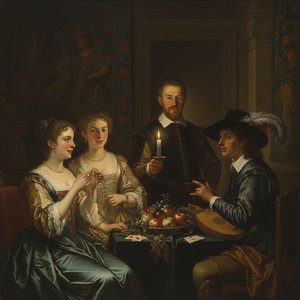
Gerard van Honthorst: Illuminating the Dutch Golden Age with Caravaggism & Courtly Grace
Explore the captivating world of Gerard van Honthorst, a Dutch Golden Age master renowned for his dramatic chiaroscuro & courtly portraits. Discover his life, art, and lasting influence on Baroque painting.


