


 Előnézet
 Megosztás
 Megosztás
 Részletek
 Útmutató

 Letöltés
 Hasonló darabok
 X-ray felvétel
 Diavetítés
 Statisztika
Viaduct at Estaque


 Tovább olvasom
Vásároljon nagy felbontású, javított digitális képet, amely minőségében messze felülmúlja az online előnézetet.
Minden fájlt szakembereink a legmodernebb eszközök és precíz, kézi retusálás segítségével készítenek el aprólékosan. Gondoskodunk arról, hogy minden kép kivételes tisztasággal, pontos színhelyességgel és részletgazdag finomsággal rendelkezzen.
A végleges fájl 72 órán belül e-mailben megérkezik, professzionális, szerkesztői és nyomtatási környezetbe optimalizálva az azonnali használathoz. Ez ugyanaz a minőség, amelyben a legmeghatározóbb tervezőstúdiók, kiadók és galériák is megbízhatnak.
Digitális kép
Töltsön le nagy felbontású fájlt személyes kiállításokhoz, nyomtatáshoz és kreatív projektekhez. ( Váltás nyomtatványra Kézzel festett másolat vásárlása)
Minden digitális kép rendeléséhez tartozó extrák
Szakértői digitális kézbesítés, garantáltan
Amikor a ArtsDot.com szolgáltatást választja, nem csupán egy képet kap – professzionálisan felmagasított digitális műalkotást kap, amely precizitással készült, és amelyet megelégsedési gwarancia tesz biztoslássá. Az alábbiakban automatikusan minden benne 】

Gyors e-mail teslimítés
A nagy felbontású digitális képmásolatát a megrendelést követő 72 órán belül e-mailben elküldjük Önnek – azonnal használható formátumban.

MI-alapú digitális képjavítás
Műve professzionális módon kerül optimalizálásra fejlett mesterséges intelligencia eszközök és manuális szerkesztés segítségével, biztosítva a maximális részletességet, tisztaságot és színpontosságot.

Örök életű ingyenes újradatás
Véletlenül törölted vagy elvesztetted a fájlodat? Ne aggódj – bármikor ingyen újra megküldjük neked.

Nincs importköltség – soha
Élvezze műalkotásait azonnal, vám, illeték vagy szállítási költség nélkül – a digitális letöltések mindig adamentesek.

Színpontosság garantálása
Professzionális eszközök és színkezelés segítségével garantáljuk, hogy digitális képe a lehető legpontosabban tükrözze az eredeti színeket.

100 napos elégedettségi garancia
Ha nemມີ elégedett a digitális képével, 100 napon belül felülvizsgáljuk vagy 100% visszatérítjük az amountot – kérdés बिना.

100% Pénzvisszatérítési garancia
Nem tetszett a vásárlás? 100 napon belül teljes visszatérítést garantálunk a digitális fájl megvételétől számítva – kérdés nélkül.

Tömegrendelési kedvezmények
Vásároljon 3 képet, spóroljon 10%-et - Vásároljon 5-öt, spóroljon 15%-et - Vásároljon 10+ képet, spóroljon 20%-at. Kiváló kreatív projektekhez, galériákhoz és ügynökségekhez.
Georges Braque's Viaduct at Estaque: A Pioneering Vision of Cubism
Georges Braque’s “Viaduct at Estaque,” painted in 1908, stands as a pivotal work in the development of modern art, specifically foreshadowing the radical shifts that would define Cubism. This vibrant depiction isn't merely a landscape; it’s a carefully constructed exploration of form and space, a deliberate dismantling of traditional perspective, and an early manifesto for a new way of seeing. The painting captures a dramatic bridge spanning a valley nestled amongst the rugged peaks of Estaque, a region near Marseille, France – a location that profoundly influenced Braque's artistic vision.
- Subject Matter: The scene is dominated by the imposing viaduct itself, rendered with an almost obsessive attention to detail. Smaller bridges weave through the landscape, creating a complex network of lines and planes that challenge the viewer’s sense of depth.
- Color Palette: Braque employs a rich, earthy palette – ochres, browns, greens, and blues – reflecting the natural tones of the Provençal countryside. These colors aren't blended smoothly; instead, they are applied in distinct, often fractured planes, contributing to the painting’s fragmented appearance.
- Composition: The composition is deliberately unbalanced, with a strong diagonal thrust created by the viaduct and the receding hills. This disrupts traditional compositional rules, further emphasizing Braque's desire to challenge established artistic conventions.
The Birth of Cubism – Deconstructing Reality
"Viaduct at Estaque" is widely considered one of the earliest examples of what would become known as Cubism. Braque, alongside Pablo Picasso, was instrumental in developing this revolutionary style, which emerged from a shared desire to represent objects and figures from multiple viewpoints simultaneously. The painting’s fractured planes and geometric forms are hallmarks of this approach. Rather than depicting a single, unified perspective, Braque presents the viaduct as a collection of interlocking shapes – a deliberate rejection of Renaissance ideals of linear perspective and illusionistic space.
The influence of Paul Cézanne is undeniable; Braque admired Cézanne’s exploration of form and his use of geometric simplification. However, unlike Cézanne's subtle distortions, Braque pushes this fragmentation to a more extreme degree, anticipating the radical departures that would characterize Cubism.
Technique and Materials – A Masterful Approach
Braque executed “Viaduct at Estaque” primarily in oil on canvas. His technique is characterized by meticulous brushwork and a careful layering of paint. He utilized *alla prima* (wet-on-wet) painting to achieve the vibrant colors and sharp edges, building up the image rapidly without extensive underpainting. The application of paint is deliberately rough and textured, adding to the sense of visual disruption.
- Plane Structure: Braque’s focus on defining individual planes is central to his technique. He breaks down forms into their constituent geometric elements, presenting them as independent shapes within the composition.
- Color Theory: The use of complementary colors – blues and oranges, greens and reds – intensifies the visual impact of the painting and contributes to its dynamic energy.
Symbolic Resonance and Emotional Impact
"Viaduct at Estaque" transcends a simple depiction of a landscape; it embodies a profound shift in artistic thinking. The fragmented forms can be interpreted as representing the breakdown of traditional values and beliefs, reflecting the anxieties and uncertainties of the early 20th century. The viaduct itself – a symbol of connection and transition – becomes a metaphor for the challenges and possibilities of modernity.
The painting’s emotional impact is one of both fascination and unease. The viewer is confronted with a world that is simultaneously familiar and alien, inviting contemplation on the nature of perception and representation. This artwork continues to resonate today as a testament to Braque's pioneering vision and his enduring contribution to the history of art.
Hasonló műalkotások


Művész életrajza
Early Life and Artistic Foundations
Georges Braque, born in Argenteuil, France, in 1882, embarked on a path deeply intertwined with the evolving landscape of modern art. His upbringing within a family of house painters and decorators instilled in him not only a technical mastery of materials—a direct inheritance from his father and grandfather—but also an early appreciation for form and structure. This wasn’t merely a trade; it was a foundation, a grounding in the tangible world that would later inform his radical departures from traditional representation. Though initially following in his family's footsteps, working as a house painter, Braque’s inherent artistic inclinations soon asserted themselves, leading him to formal training at the École des Beaux-Arts in Le Havre, marking the beginning of his journey toward becoming one of the most influential painters of the 20th century. This academic grounding—a blend of practical craftsmanship and rigorous study—proved crucial as he later deconstructed and reimagined established artistic conventions.
Moving to Paris in 1902, Braque continued his studies at the Académie Humbert, immersing himself in the vibrant and increasingly experimental artistic milieu of the city. It was here that he encountered artists like Marie Laurencin and Francis Picabia, forging connections that would profoundly shape his early development—relationships built on shared ambition and a desire to push the boundaries of art. His initial works reflected the prevailing influences of Impressionism and Post-Impressionism, capturing fleeting moments of light and color with a sensitivity reminiscent of Monet and Renoir. However, a pivotal encounter in 1905 – specifically, his exposure to the bold colors and expressive freedom of Fauvism—ignited a new direction in his artistic exploration, a shift away from traditional representation towards a more subjective and emotionally charged approach.
The Embrace of Fauvism and the Dawn of Cubism
Braque’s adoption of Fauvist principles – characterized by intense, non-naturalistic color and emotional expression – is vividly exemplified in paintings like The Patience. This period saw him working alongside artists such as Henri Matisse and André Derain, experimenting with vibrant palettes—often jarringly bright and unconventional—and simplified forms designed to evoke a particular mood or feeling. It wasn’t merely imitation; Braque infused Fauvism with a unique sensibility, tempering the movement's unrestrained exuberance with a more restrained and analytical approach. He sought to capture not just what he *saw*, but what he *felt*—a deeply personal response to the world around him.
A turning point arrived in 1907 with his exposure to the retrospective exhibition of Paul Cézanne's work at the Autumn Salon. Cézanne’s emphasis on geometric forms, multiple perspectives, and a systematic approach to depicting objects profoundly impacted Braque, laying the groundwork for his groundbreaking collaboration with Pablo Picasso. Beginning in 1908, these two artistic titans embarked on a period of intense intellectual exchange—a true partnership of equals—that would give birth to Cubism—a revolutionary movement that shattered traditional notions of representation and fundamentally altered the course of modern art.
Together, Braque and Picasso developed Analytical Cubism, dissecting objects into fragmented geometric shapes and presenting multiple viewpoints simultaneously. Works like Houses at L'Estaque demonstrate this early phase, showcasing a radical departure from conventional perspective and a focus on the underlying structure of forms—reducing everything to its essential components. The palette became deliberately muted, emphasizing form over color, as they sought to represent the totality of an object’s presence rather than merely its appearance. This wasn't simply about depicting a scene; it was about exploring the *idea* of an object.
Innovation Through Fragmentation and Collage
The partnership between Braque and Picasso continued to push the boundaries of artistic expression, leading to the development of Synthetic Cubism around 1912. This phase saw the introduction of collage—the incorporation of real-world materials such as newspaper clippings, wallpaper, and textured fabrics into paintings – a radical departure from traditional painting techniques. This innovation challenged the established hierarchy between painting and sculpture, blurring the lines between art and life and reflecting a growing interest in the relationship between representation and reality. Braque’s pioneering use of *papier collé* (pasted paper) marked a significant turning point in his artistic evolution. He didn't just paint; he built upon the canvas, layering textures and fragments to create new visual experiences.
The influence of Cézanne remained strong throughout this period, particularly in Braque’s exploration of line and surface. He experimented with techniques like stenciling letters onto his canvases—a playful gesture that hinted at a broader engagement with language and communication – and meticulously rendered wood grain and marble to achieve great levels of dimension and tactile quality within his paintings. These details weren't merely decorative; they were integral to the overall composition, adding layers of complexity and meaning.
Later Years and Enduring Legacy
Following World War I, Braque’s style evolved beyond the strict confines of early Cubism, incorporating elements of classical composition and a renewed interest in still life. While retaining the geometric influences that had defined his earlier work, he developed a more nuanced and contemplative approach to painting—a shift towards greater serenity and harmony. His later landscapes and interiors are characterized by their evocative atmosphere and subtle harmonies of color, reflecting a deeper understanding of light and shadow.
Throughout his career, Georges Braque remained committed to exploring the fundamental principles of form, space, and representation. He continued to experiment with different materials and techniques, pushing the boundaries of artistic expression until his death in 1963. His influence on subsequent generations of artists is immeasurable—shaping the course of modern art and inspiring countless painters, sculptors, and collagists. Braque’s legacy extends beyond his individual artworks; he fundamentally altered our understanding of how we perceive and represent the world around us – a true pioneer who dared to challenge conventions and redefine the possibilities of painting.
Influences and Notable Works
- Influenced By: Henri Matisse, André Derain, Paul Cézanne
- Key Works: Houses at L'Estaque, The Patience, Violin and Palette, Mandola
- Impact on Art History: Revolutionized 20th-century art through Cubism; challenged traditional notions of perspective and representation.
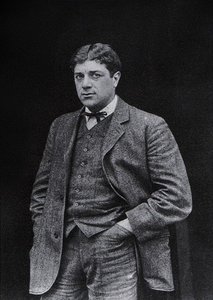
Georges Braque
1882 - 1963 , Franciaország
Rövid tények
- Artistic Movement Or Style: Kubizmus, Fauvizmus
- Artists Or Movements Influenced By This Artist: ['Pablo Picasso']
- Artists Who Influenced This Artist:
- Henri Matisse
- Paul Cézanne
- Date Of Birth: 1882. 5. 13.
- Date Of Death: 1963. 8. 31.
- Full Name: Georges Braque
- Nationality: Francia
- Notable Artworks:
- Házak L'Estaque-ban
- A türelmi szobor
- Szórófa
- Mandolin
- Place Of Birth: Argenteuil, Francia