 Nyomat vásárlása Kép letöltése
 Megosztás
 Megosztás
 Details
 Kedvencekhez ad

 Letöltés
 Hasonló alkotások
 X-Ray
X-Ray
 Diavetítés
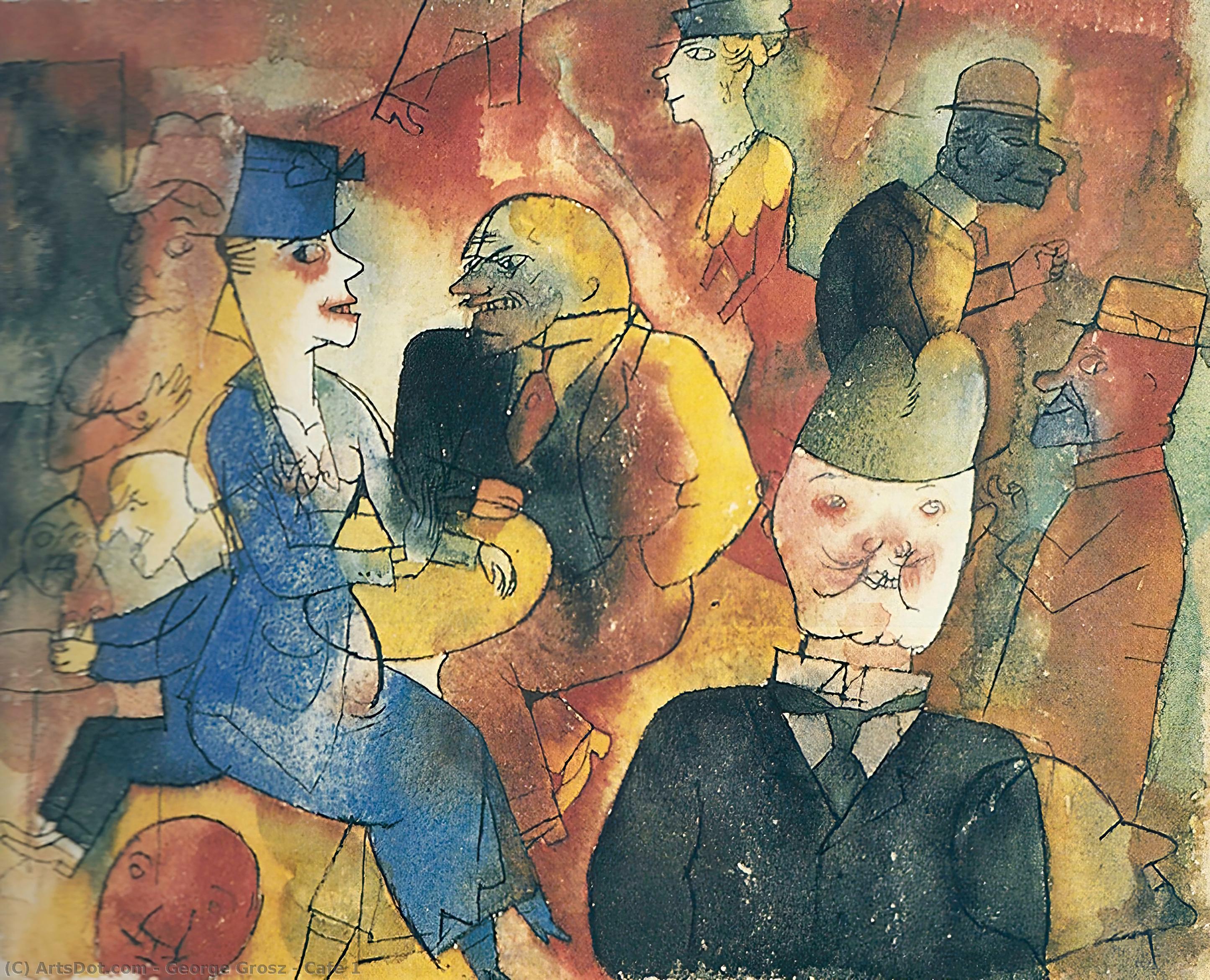
Café 1

Kézzel készített olajfestmény reprodukció
Kézzel festett olajvastú vászon, az Ön által választott méretben és keretben, művészeink készítik meglévőre.




P118B $10

P118H $10

P118W $10

P438Z $10

P508JH $12

P508YH $12

P805H $10

P805Z $10

P919BZ $10

P919G $10

P919XJ $10

P959ZH $10

P968JZ $12

W106C $8

W218G $10

W218JH $8

W218Y $10

W307PJ $10

W316G $10

W316PJ $8

W316Y $10

W398PJ $8

W4111J $10

W500HY $15

W500JH $15

W692G $12

W849H $8

W940BG $15

W953PJ $8




 Olvasson tovább
Válasszon előre meghatározott méreteink közül, amelyek megfelelnek a műalkotás eredeti arányainak.

Ön megadhat saját méreteket egy adott kerethez vagy térhez igazításhoz. Ha a kiválasztott méret nem egyezik az eredeti kép arányával, akkor a műalkotást levágjuk, vagy további kézzel festett elemekkel meghosszabbítjuk a festményt. A gyártás megkezdése előtt küldünk Önnek egy digitális előnézetet jóváhagyásra.
Kérjük, vegye figyelembe, hogy a képernyőn megjelenő előnézet nem tükrözi a tényleges vágást vagy kiterjesztést. Csak az előnézet fog pontosan mutatni a végső kompozíciót.
Bár egyedi méretek állnak rendelkezésre, javasoljuk, hogy válasszon egy méretet az előre meghatározott listából az eredeti arányok megőrzése érdekében.
A rendelést követően a ArtsDot.com csapata e-mailt küld az ügyfélnek az instrukciókért, és biztosít egy előnézeti képet (mockup).
Világszerte elérhető szállítás () 3-4 hét alatt a szokásos 5 hét helyett. (1 július). A minőség nem kérdőjelezhető.

Ingyenes globális expressz szállítás

Prémium minőségű len vászon

Teljes szállítási biztosítás

Vámvisszatérítési Garancia

Tökéletes színpontosság garancia

60 napos visszaküldési lehetőség (csak gyártási hibák esetén)

100%-os pénzvisszatérítési garancia

Kedvezmény több termény esetén
 Az üvegkeretes opció csak 110 cm alatti méretben érhető el

Café 1
Reprodukciós technika
A reprodukció mérete
-


Összesített ár
-
Hasonló műalkotások


A művész életrajza
A Satirist of Shattered Worlds: The Life and Art of George Grosz
George Grosz, born Georg Ehrenfried Groß in Berlin in 1893, was a visual chronicler of societal decay and political upheaval. His art wasn’t merely *of* its time—the tumultuous Weimar Republic and the rise of fascism—it was a visceral reaction to it, a furious indictment rendered in jagged lines and grotesque caricatures. Grosz didn't simply depict Berlin; he dissected it, exposing its moral rot with unflinching honesty. The early years of his life were marked by instability following his father’s death, an event that propelled his mother into managing an officers’ mess, placing the young Georg amidst a world of Prussian militarism and rigid social hierarchies—a world he would later relentlessly satirize. His formal artistic training began with meticulous copies of traditional Dutch masters like Eduard von Grützner, honing technical skill before he abandoned academic conventions for a far more provocative path. This early discipline, however, provided the foundation upon which his uniquely expressive style would be built.Dada, New Objectivity, and the Birth of a Critical Vision
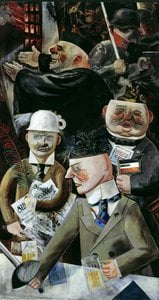
Grosz’s artistic development was inextricably linked to the avant-garde movements that flourished in post-World War I Germany. He became a central figure in Berlin Dada, embracing its nihilistic spirit and anti-establishment fervor. However, unlike some of his Dadaist contemporaries who reveled in pure absurdity, Grosz channeled Dada's rebellious energy into pointed social commentary. His work during this period—pieces like *The Pit* (1921) and *The Pillars of Society* (1926)—are searing indictments of the German bourgeoisie, the military elite, and the corrupt political system that led the nation to disaster. He wasn’t interested in aesthetic beauty; he sought to shock, provoke, and expose hypocrisy. This commitment to social critique evolved into his participation in *Neue Sachlichkeit* (New Objectivity), a movement characterized by its realistic yet unsentimental depiction of contemporary life. While sharing New Objectivity's focus on realism, Grosz infused it with a uniquely biting satire that distinguished him from other artists associated with the group. His paintings and drawings weren’t simply representations of reality; they were distorted reflections of a society teetering on the brink of collapse. The use of exaggerated features, sharp angles, and unsettling compositions served to amplify his critique, forcing viewers to confront the uncomfortable truths he exposed.Exile and Transformation: A New World, A Shifting Style
The ascent of Nazism forced Grosz into exile in 1933. He found refuge in the United States, becoming a naturalized citizen in 1938. This relocation marked a significant turning point in his artistic career. Removed from the immediate context that fueled his most potent work, and confronted with a different set of social and political realities, Grosz’s style began to shift. The overtly aggressive caricatures gave way to more subdued landscapes and portraits, often tinged with a sense of melancholy and disillusionment. He experimented with looser brushstrokes and a wider range of colors, moving away from the stark black-and-white palette that had defined his earlier work. While he continued to exhibit and teach at the Art Students League in New York, his work lacked the raw urgency of his Berlin period. He struggled to find his footing in a new environment, grappling with feelings of alienation and artistic uncertainty. The apocalyptic visions that emerged during this time—paintings depicting desolate landscapes and fragmented figures—reflected not only the horrors unfolding in Europe but also his own internal turmoil.Key Works and Recurring Themes
Grosz’s oeuvre is marked by a consistent engagement with themes of social injustice, political corruption, and the dehumanizing effects of modernity. *The Pit* (1921) offers a particularly harrowing depiction of urban poverty and exploitation, while *The Pillars of Society* (1926) satirizes the moral decay of the German elite. His work frequently features grotesque figures, distorted perspectives, and unsettling juxtapositions—elements that contribute to its overall sense of unease and critique. Recurring motifs include military uniforms, opulent interiors, and scenes of debauchery, all serving as symbols of societal excess and moral corruption. Grosz’s ability to capture the psychological state of a nation on the verge of collapse is arguably his greatest achievement.Legacy and Enduring Relevance
George Grosz returned to Berlin in 1959, shortly before his death, a poignant return to the city that had both inspired and haunted him. His legacy extends far beyond the historical context of Weimar Germany. He remains a powerful example of an artist who dared to confront uncomfortable truths and challenge societal norms. His work serves as a cautionary tale about the dangers of political extremism, social injustice, and unchecked power.- Satirical Power: Grosz’s masterful use of caricature continues to inspire artists and commentators today.
- Social Commentary: His unflinching critique of societal ills remains remarkably relevant in a world still grappling with inequality, corruption, and political polarization.
- Historical Witness: His art provides invaluable insight into the social and political climate of interwar Germany, offering a visceral understanding of the forces that led to World War II.

George Grosz
1893 - 1959 , Németország
Rövid tények
- Artistic Movement Or Style: Dada, Új Objektivitás
- Date Of Birth: 1893. 26. július
- Date Of Death: 1959. 6. július
- Full Name: George Grosz
- Nationality: Német
- Notable Artworks:
- A Pit
- Pillars Society
- Place Of Birth: Berlin, Németország
Kapcsolódó cikkek

Urban Visions: A Historical & Artistic Exploration of the Cityscape in Painting
Explore the evolution of cityscape painting from historical maps to Impressionist masterpieces. Discover artists like Caillebotte, Utrillo & Matsumoto Shunsuke. Find museum-quality reproductions at ArtsDot.


George Goodwin Kilburne: Capturing Victorian Sentimentality Through Genre Painting
Explore the evocative Victorian paintings of George Goodwin Kilburne. Discover his detailed scenes of domestic life, masterful use of light, and lasting impact on British genre painting. Learn more at ArtsDot.

Concrete Visions: Exploring the Urban Landscape in Painting – From Realism to Contemporary Art
Explore the evolution of cityscape painting from Realism to contemporary art with ArtsDot. Discover key artists & invest in timeless urban visions. Expert guidance, museum-quality reproductions.
Reflecting Society: A Visual Exploration of Social Scenes in Art History
Explore the powerful world of social realism and genre painting! Discover how artists throughout history reflected society's realities & critiqued power structures. Learn about key movements, iconic works, and their enduring legacy.

Concrete Visions: Exploring Representations of Urban Life in Modern & Contemporary Art
Explore the evolution of cityscape painting from Realism to contemporary art. Discover key artists & invest in timeless urban visions with ArtsDot's expert guidance and museum-quality reproductions.