


 Megtekintés
 Küldés
 Megosztás
 Részletek

 Letöltés
 Hasonló darabok
 X-ray felvétel
 Diavetítés
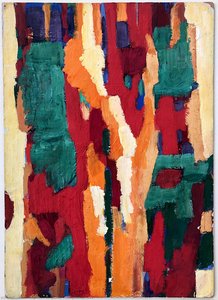
Ms. Kupka between vertical


 Összes részlet megjelenítése
Vásároljon nagy felbontású, javított digitális képet, amely minőségében messze felülmúlja az online előnézetet.
Minden fájlt szakembereink a legmodernebb eszközök és precíz, kézi retusálás segítségével készítenek el aprólékosan. Gondoskodunk arról, hogy minden kép kivételes tisztasággal, pontos színhelyességgel és részletgazdag finomsággal rendelkezzen.
A végleges fájl 72 órán belül e-mailben megérkezik, professzionális, szerkesztői és nyomtatási környezetbe optimalizálva az azonnali használathoz. Ez ugyanaz a minőség, amelyben a legmeghatározóbb tervezőstúdiók, kiadók és galériák is megbízhatnak.
Digitális kép
Töltsön le nagy felbontású fájlt személyes kiállításokhoz, nyomtatáshoz és kreatív projektekhez. ( Nyomat rendelése Kézzel festett másolat rendelése)
Minden digitális kép rendeléséhez tartozó extrák
Szakértői digitális kézbesítés, garantáltan
Amikor a ArtsDot.com szolgáltatást választja, nem csupán egy képet kap – professzionálisan felmagasított digitális műalkotást kap, amely precizitással készült, és amelyet megelégsedési gwarancia tesz biztoslássá. Az alábbiakban automatikusan minden benne 】

Gyors e-mail teslimítés
A nagy felbontású digitális képmásolatát a megrendelést követő 72 órán belül e-mailben elküldjük Önnek – azonnal használható formátumban.

MI-alapú digitális fejlesztésű fájl
Műve professzionális módon kerül optimalizálásra fejlett mesterséges intelligencia eszközök és manuális szerkesztés segítségével, biztosítva a maximális részletességet, tisztaságot és színpontosságot.

Örök életű ingyenes újradelivery
Véletlenül törölted vagy elvesztetted a fájlodat? Ne aggódj – bármikor ingyen újra megküldjük neked.

Nincs importköltség – soha
Élvezze műalkotásait azonnal, vám, illeték vagy szállítási költség nélkül – a digitális letöltések mindig adamentesek.

Színpontosság garantálása
Professzionális eszközök és színkezelés segítségével garantáljuk, hogy digitális képe a lehető legpontosabban tükrözze az eredeti színeket.

60 napos elégedettségi garancia
Ha nemມີ elégedett a digitális képpel, 60 napon belül átmunkáljuk azt, vagy 100% visszatérítjük az amountot – kérdés nélkül.

100% Pénzvisszatérítési garancia
Nem érheted el a teljes elégedettséget? 60 napon belül teljes visszatérítést kapsz a digitális fájlod megérkezése után – kérdés nélkül.

Tömegrendelési kedvezmények
Vásároljon 3 képet, spóroljon 10%-et - Vásároljon 5-öt, spóroljon 15%-et - Vásároljon 10+ képet, spóroljon 20%-at. Kiváló kreatív projektekhez, galériákhoz és ügynökségekhez.
A gyűjtemény részletei
A Symphony of Color and Form: The Essence of Ms. Kupka Between Vertical
In the vast landscape of early twentieth-century modernism, few works capture the electric transition from representation to pure abstraction as poignantly as František Kupka’s “Ms. Kupka Between Vertical.” This masterpiece serves not merely as a portrait, but as a profound manifesto of the Orphic Cubist movement—a style that sought to infuse the structural rigor of Cubism with the lyrical, light-filled energy of Orphism. At first glance, the viewer is met with a striking central figure, likely a depiction of Kupka herself, draped in a vibrant red dress and anchored by a cool blue headband. Yet, this recognizable human element is quickly swept into a cosmic dance of geometric shapes and swirling hues. The painting acts as a window into a world where the boundaries between the physical subject and the spiritual atmosphere dissolve, inviting the observer to experience art as a pure, sensory phenomenon.
The technique employed by Kupka is nothing short of revolutionary for its era. Moving away from the heavy, earth-toned palettes of traditional Cubism, he utilizes a masterful manipulation of color temperature to create depth and movement. The juxtaposition of warm reds against deep, rhythmic blues creates a visual tension that mimics the pulse of life itself. His brushstrokes are expressive and spontaneous, eschewing meticulous detail in favor of capturing an underlying energy. This approach allows the background—a kaleidoscope of abstract, interlocking forms—to breathe alongside the subject, creating a sense of dynamism that was heavily influenced by the Futurist fascination with speed and motion. For the discerning collector or interior designer, this piece offers a sophisticated focal point that brings both intellectual depth and a vibrant, modern vitality to any curated space.
The Spiritual Resonance of Abstraction
To truly appreciate “Ms. Kupka Between Vertical,” one must understand the philosophical currents that flowed through Kupka’s studio. Deeply influenced by Theosophy and the search for universal truths, the artist viewed color and line as tools to access a higher, primordial reality. The verticality suggested in the title and the composition serves as a symbolic bridge between the terrestrial and the divine. The swirling geometric patterns are not merely decorative; they represent the unseen forces of nature—the vibrations and rhythms that connect all living things. This spiritual dimension imbues the artwork with an emotional weight that transcends its abstract form, offering a sense of transcendence and peace to those who linger before it.
For those seeking to integrate fine art into contemporary interiors, this work provides an unparalleled opportunity to introduce a sense of historical significance and avant-garde elegance. A high-quality reproduction of this piece does more than decorate a wall; it establishes a dialogue between the history of the Czech avant-garde and the modern aesthetic. The painting’s ability to balance bold, energetic movement with a structured, rhythmic composition makes it an ideal centerpiece for spaces that value both drama and harmony. It remains a timeless testament to the moment when art broke free from the constraints of reality to explore the infinite possibilities of the human imagination.
Hasonló műalkotások




A művész életrajza
A Pioneer of Abstraction: The Life and Art of František Kupka
František Kupka, a name resonating with the dawn of abstract art, was born in 1871 in Opočno, Bohemia—a landscape that would subtly inform his later explorations of form and color. His journey from academic training to radical abstraction wasn’t a swift leap but rather a gradual unfolding, deeply influenced by spiritual currents and a relentless pursuit of visual truth. Initially steeped in historical and patriotic themes during his studies at the Academy of Fine Arts in Prague and then Vienna, Kupka's early work demonstrated technical skill yet lacked the distinctive voice that would soon define him. It was his move to Paris in 1894 that proved pivotal, immersing him in a vibrant artistic milieu where he briefly attended the Académie Julian and later studied with Jean-Pierre Laurens at the École des Beaux-Arts. However, it wasn’t merely formal training but the intellectual ferment of fin-de-siècle Paris—the burgeoning interest in symbolism, Neo-Impressionism, and Fauvism—that truly ignited his artistic evolution.The Path to Pure Abstraction: Influences and Innovations
Kupka’s artistic trajectory wasn't solely driven by aesthetic considerations; it was profoundly shaped by philosophical and spiritual inquiries. His engagement with Theosophy, a mystical system blending Eastern religions and Western esotericism, proved particularly influential. This belief system posited an underlying unity to all things and sought to reveal hidden realities beyond the visible world—a concept that resonated deeply with Kupka’s artistic aspirations. He began to believe that art could transcend mere representation and access these deeper truths through the manipulation of color, form, and line. This conviction led him away from depicting recognizable objects and towards a more subjective, internal exploration of visual experience. His early experiments involved blurring the boundaries between figuration and abstraction, as seen in works like *The Beginning of Life*, where symbolic imagery intertwined with emerging abstract elements. He wasn’t alone in this quest; Kupka engaged with contemporary scientific theories regarding color and light, seeking to understand their psychological effects on the viewer, believing that properly composed color had the ability to allow people to enter a transcendental state. This fusion of spiritual inquiry and scientific observation became a hallmark of his approach. He began to see color not as a descriptive element but as an independent force capable of evoking emotion and conveying meaning directly.Orphic Cubism and Beyond: A Unique Visual Language
By the early 1910s, Kupka had embarked on a path that would lead him to become one of the pioneers of abstract art. His paintings from this period, such as *Amorpha: Fugue in Two Colors* (1912), were among the first truly non-representational works exhibited publicly, challenging conventional notions of artistic representation. He wasn’t interested in simply dismantling form—as some Cubists were doing—but rather in creating a new visual language based on pure abstraction. This led to his association with Orphic Cubism (also known as Orphism), a movement spearheaded by Robert Delaunay that emphasized the dynamic interplay of color and light. However, Kupka’s approach differed from Delaunay's; while both explored abstract forms, Kupka often retained a sense of underlying structure and rhythm, evoking musical compositions in his paintings—hence the frequent use of terms like “fugue” and “disks.” His *Disks of Newton* series exemplifies this exploration, depicting circular forms that seem to vibrate with energy and suggest the forces governing the universe. He wasn’t merely creating aesthetically pleasing arrangements; he was attempting to visualize underlying cosmic principles.Key Works and Artistic Development
Kupka's artistic development can be traced through a series of key works. *The Beginning of Life* (1898) demonstrates his early interest in symbolism, drawing on religious imagery—particularly Buddhist motifs—to represent the cycle of birth and renewal. His experiments with pointillism, influenced by Seurat’s work, are evident in paintings like *Around a Point* (1903), where he meticulously applied tiny dots of color to create luminous effects. The transition to pure abstraction began around 1910, culminating in masterpieces such as *Fugue in Red and Blue* (1912) and *Amorpha: Fugue in Two Colors* (1912). These paintings are characterized by their dynamic compositions, vibrant color palettes, and a sense of rhythmic movement. Kupka’s later works, particularly those created during World War I, often featured geometric forms and bold colors, reflecting the turmoil and uncertainty of the era. He continued to explore abstract concepts throughout his career, experimenting with different techniques and approaches until his death in 1957.Legacy and Lasting Influence
František Kupka's contributions extended beyond his individual paintings. As a founding member of Abstraction-Création in 1931, an international group dedicated to promoting abstract art, he played a vital role in shaping the course of modernism. His work was recognized internationally, featured in landmark exhibitions like “Cubism and Abstract Art” at the Museum of Modern Art in New York in 1936. Though often overshadowed by more prominent figures like Kandinsky or Mondrian, Kupka’s pioneering spirit and unique visual language have secured his place as a crucial figure in the history of abstract art. His legacy continues to inspire artists today, reminding us that abstraction isn't merely about eliminating representation but about unlocking new possibilities for expression and revealing hidden dimensions of reality. He sought not to depict what he saw, but what he felt—and in doing so, he opened up a universe of visual experience. His dedication to exploring the fundamental elements of art – color, form, line – remains profoundly relevant, demonstrating that true innovation lies in questioning established norms and embracing the power of pure abstraction.Museums Featuring Kupka’s Work
- Solomon R. Guggenheim Museum (New York, United States)
- The Paris Museum of Modern Art (Paris, France)
- Galerie Manés (Prague, Czech Republic)

Kupka František
1871 - 1957 , Csehország
Érdekességek
- Artistic Movement Or Style: Absztrakt művészet, Orfista kubizmus
- Artists Or Movements Influenced By This Artist: ['Orphism']
- Date Of Birth: 1871. szeptember 23.
- Date Of Death: 1957. június 24.
- Full Name: František Kupka
- Nationality: Cseh
- Notable Artworks:
- Diszkek Newton (Studium két színben)
- A szív színe
- Place Of Birth: Opočno, Csehország

