

- 81.0 x 65.0 cm


A kép az Ön választásai alapján készült: , .
A gyűjtemény leírása
Explore Frank Edwin Scott’s ‘Cabs,’ an evocative Impressionistic winter landscape featuring horse-drawn carriages. Discover a textured oil painting capturing fleeting light & urban charm.
A művész életrajza
Discover Frank Edwin Scott’s evocative Parisian scenes! Capturing iconic locations like Notre Dame & Place de la Concorde, his works showcase Impressionistic charm.
 Összes részlet megjelenítése
Kézzel készített olajfestmény reprodukció
Kézzel festett olajvastú vászon, az Ön által választott méretben és keretben, művészeink készítik meglévőre. ( Váltás nyomtatványra Áttérés digitális képre)
Több információ erről a festményről
 Megtekintés
 Küldés
 Megosztás
 Részletek
 Útmutató

 Letöltés
 Hasonló darabok
 X-ray felvétel
 Diavetítés
 Kérdések és válaszok
 Statisztika
Rendelje meg festményét négy egyszerű lépésben
Ne siessen! Bármely választ módosítható; az rendelési összesítőben megjelenő ár minden egyes döntésre reagál.
1 Az első lépés négyből
Melyik méretet szeretné?
Ezek a méretek megőrzik az eredeti festmény arányait. A rajz bemutatja a választott méretet egy falon, egy kétszáz centiméteres kanapé felett.
Vagy adja meg a saját méreteit
Válasszon előre meghatározott méreteink közül, amelyek megfelelnek a műalkotás eredeti arányainak.

Írja be a kívánt szélességet és magasságot, hogy illeszkedjen a keretéhez vagy a falához. Mivel ez kézzel festett alkotás, egy eltérő formájú méret esetén a művész akár festhet is valamivel többet a kép körül, vagy korolathat is belőle — az Ön döntésének megfelelően. A festés megkezdése előtt küldünk egy digitális tervezetet jóváhagyásra. Az oldalon látható kép nem tartalmazza a végeredményt — csak a tervezet mutatja meg a valódi eredményt.
2 A négy lépésből a második
Hogyan kívánja előkészíteni: feltekercselve, vászonra feszítve vagy keretezve?
Az alábbi árak az első lépésben választott méretre vonatkoznak.
Válaszd ki a feszített vászon széleit
Válassza ki a keretet

Fehér Ft1

Elmosódott szélek Ft1

Kiterjesztett Ft1

P118B Ft10

P118H Ft10

P118W Ft10

P438Z Ft10

P508JH Ft12

P508YH Ft12

P805H Ft10

P805Z Ft10

P919BZ Ft10

P919G Ft10

P919XJ Ft10

P959ZH Ft10

P968JZ Ft12

W106C Ft8

W218G Ft10

W218JH Ft8

W218Y Ft10

W307PJ Ft10

W316G Ft10

W316PJ Ft8

W316Y Ft10

W398PJ Ft8

W4111J Ft10

W500HY Ft15

W500JH Ft15

W692G Ft12

W849H Ft8

W940BG Ft15

W953PJ Ft8

H24-GOLD Ft30

H24-SILVER Ft30

H36-GOLD Ft45

H36-SILVER Ft45
Keretezett
Keretprofil: . A kerettel együtt vett teljes méret: .
3 A négy lépésből a harmadik
Szeretne változtatni valamit a festményen?
A legtöbb ember nemet mond erre. Mivel minden festmény kézzel készül, művészünk képes az Ön igényei szerint is átalakítani azt.
A megrendelést követően a ArtsDot.com csapat e-mailt küld a vásárlónak az instrukciókkal, és biztosítja a tervezeti előnézetet
4 A négy lépés közül a negyedik
Néhány felületfinisz
Mindegyik opcionális. A már kiválasztott válaszok nem jelentnek plusz költséget.
Ki festette?
Világszerte elérhető szállítás () 3-4 hét alatt a szokásos 5 hét helyett. (3 november). A minőség nem kérdőjelezhető.
Egy felirat, mint egy múzeumban?
A gravírozott bronztábla részletei
This elegant plaque features the artist's name and the title of the artwork, finely engraved for a timeless presentation.
It is made from bronze with a refined, elegant finish. The text is precisely laser-engraved for a sharp and permanent result. Measuring 9x2 cm, the plaque is compact yet easy to read. It's built to be durable and scratch-resistant, offering a professional, museum-quality look. Mounting is simple thanks to the included adhesive backing.
Átlátszó akril tábla részletei
The plaque includes essential engraved details such as the artist's name, the title of the artwork, the date it was created, the type of media used-like oil on canvas or watercolor-a brief description of the piece, and a QR code that links to the complete artwork information.
It is crafted from clear acrylic, offering a sleek, modern appearance. The text is UV-engraved in black to ensure strong visual contrast. With a size of 10x15 cm, it ensures optimal readability. It comes equipped with two metal hooks for secure wall mounting. The plaque is designed to be weather-resistant, making it suitable for various environments, and it includes interactive features that work seamlessly with smartphone scanning.
Fekete akril tábla részletei
This elegant plaque includes engraved information such as the artist's name, the title of the artwork, the date it was created, the type of media used (like oil on canvas or watercolor), a short description of the artwork, and a QR code for quick access to more information.
The plaque itself is made from refined black acrylic with a premium finish. The text is laser-engraved in white for high contrast and readability. Its size is 10x15 cm, designed to be easy to read. It comes with two metal hooks for professional mounting. The design is sleek and fits any interior style. It is also weather-resistant and durable, with built-in digital integration for mobile compatibility.
Egy védőréteg?
Mikor lenne szüksége rá?
✓ Ellenőrizés és rendelés
Az Ön által megrendelt festmény

Cabs
Reprodukciós technika
Reprodukció mérete
-

Kiváló mesterművész
Nagyobb részletesség, finomság és bővített gyártási idő
-

Reprodukció keretezése
-
-
A bármely oldalsó méretét túlszálaló 105 cm (kb. 41 hüvelyk) meghaladó műalkotások vagy reprodukciók esetében a keret összeszerelhető készletként, szétszerelve kerül szállításra. Ez a módszer biztosítja a biztonságos szállítást, és megakadályozza a szállítás során fellépő sérüléseket.
Szakmész összeszerelést igényel – ez nem DIY (önösszeszerelhető) termék.
A készletet egy tapasztalt keretező szakembernek kell összeszerelnie és a vásznat feszítenie kell, fa ragasztó (nem tartalmazza a csomag), vásznfeszítő fogó és szorítók használatával, amelyek a ragasztó száradásáig a keretrészeket egymáshoz vuôngjba tartják. A helytelen összeszerelés vagy a nem egyenletes vásznfeszítés maradandó károsíthatja a műalkotást, és ez nem része a garanciánknak.
 A bármely oldalsó méretét túlszálaló 105 cm (kb. 41 hüvelyk) meghaladó műalkotások vagy reprodukciók esetében a keret összeszerelhető készletként, szétszerelve kerül szállításra. Ez a módszer biztosítja a biztonságos szállítást, és megakadályozza a szállítás során fellépő sérüléseket.
A készlet tartalmazza az összes tömörfa rudat, pontosan méretre vágva.
A mellékelt csavarokkal, valamint a sarokszerekhez szükséges faütő ragasztóval kell összeszerelnie (ez nem tartalmazható a csomagban), így a keretrendezőnek külön kell beszereznie.
A csomag nem tartalmazza a szükséges professzionális eszközöket: egy vászonfeszítőt és klipseket a rácsok vízszintes tartásához a ragasztó megszáradásáig.
Fontos:
A sarokcsatlakozásokhoz fánylagra van szükség, a keretrudakat szorítókapcsokkal kell rögzíteni, amíg a rag teljesen meg nem szárad, a kész keretre feszített vászonhoz pedig vászonfeszítő fogat szükséges. Ezek egyike sem található meg a készletben. Kérjük, rendelés előtt győződjön meg róla, hogy rendelkezik tapasztalt keretező szakemberrel.

Névtábla
-
-

Védőréteg (Lakk)
Fényes lakk (intenzívabb színek, védelem a fény és a nedvesség hatása ellen)
-

Műalkotásom egyedi igényre szabása
Példák a módosíthatóságra: az arc kicserélése az ügyfél fotójára; háziállat hozzáadása (pl. macska helyett kutya); rejtett üzenet elhelyezése a háttérben; a háttér tájainak vagy elemeinek megváltoztatása.
-

Sürgős
Világszerte szóló szállítás () mindössze 3-4 hét alatt, a szokásos 5 hét helyett. (3 november). A minőség nem kérdőjelezhető.
-
Express szállítás
Világszerte elérhető szállítás területre 5 héten belül. (10 november).
A szállítás díja tartalmazza
Összesített ár
Ft 86168
Az üvegkeretes opció csak 110 cm alatti méretben érhető el
Minden rendelés mellé tartalmazva
- Ingyenes globális expressz szállítás
- Prémium minőségű len vászon
- Teljes körű szállítási biztosítás
- Vámvisszatérítési Garancia
- Hiteles színarányosság garancia
- 100 napos visszaküldési lehetőség (csak hibás termékek esetén)
- 100% pénzvisszatérítési garancia
- Több darab vásárlásakor kedvezmény


Hasonló műalkotások


Frank Edwin Scott
1863 - 1929
A művész életrajza
The Luminous Legacy of Frank Edwin Scott
Born into a lineage defined by the pursuit of discovery, Frank Edwin Scott entered the world on November 27, 1863, in Edinburgh, Scotland. His heritage was one of profound exploration; his father, Robert Falcon Scott, would become a legendary figure in Antarctic exploration, while his mother, Eleanor Falconer Scott, nurtured a deep devotion to the intricate wonders of botany. This unique upbringing, steeped in both the rigorous observation of science and the delicate beauty of the natural world, provided the foundational duality of Scott’s artistic soul. From his earliest years, he possessed an innate ability to translate the textures of life onto paper, a talent that would eventually lead him away from the rugged landscapes of his youth toward the vibrant, light-drenched streets of Paris.
Scott's formal journey into the realm of fine art began at the prestigious Slade School of Fine Art in London. Under the tutelage of masters such as Frederic Leighton and Joseph Hibbert, he mastered the disciplined techniques of the Beaux Arts aesthetic. Yet, the rigid confines of academic tradition could not contain his burgeoning spirit. Driven by a desire to capture the ephemeral, Scott found himself drawn to the revolutionary movement of Impressionism. He sought to move beyond static representation, instead chasing the fleeting dance of light and the atmospheric shifts that define a single moment in time. This transition marked his true emergence as an artist, as he began to prioritize the sensory experience of the eye over the structured dictates of the academy.
A Parisian Vision: Light, Color, and Movement
The heart of Scott’s creative evolution beat within the bustling studios of Montmartre. Immersing himself in the epicenter of the Impressionist movement, he found a kindred spirit in the works of Claude Monet, Pierre-Auguste Renoir, and Alfred Sisley. These encounters were more than mere social engagements; they were intellectual catalysts that fueled his experimentation with plein air painting. By venturing outdoors to directly observe the world, Scott learned to manipulate oil on canvas to replicate the shimmering reflections of the Seine and the soft, hazy glow of Parisian twilight. His brushwork became increasingly fluid, characterized by a luminous quality that breathed life into his subjects.
His repertoire serves as a visual love letter to Paris, capturing iconic landmarks with an intimacy that transcends mere topography. In works such as Place de la Concorde no. V, one can witness his mastery of depth and texture, where statues atop pillars and the distant silhouette of a clock tower are brought to life through energetic strokes and the inclusion of dynamic elements like scattered birds. Similarly, his depictions of Place St. Germain des Pres showcase his ability to render the bustling energy of city streets, balancing the grandeur of historic churches with the transient movement of pedestrians. Whether capturing the melancholic atmosphere of a twilight scene at Quai de la Seine or the somber realism of a Portrait de Jeune Homme, Scott’s work remains anchored in an acute sensitivity to tonal variation and the emotional weight of light.
Historical Significance and Artistic Endurance
Though his life was cut short in 1929, Frank Edwin Scott left behind a body of work that stands as a testament to the enduring charm of the Impressionist era. His ability to bridge the gap between the scientific precision inherited from his family and the emotive freedom of modernism allowed him to create scenes that feel both structurally sound and atmospherically ethereal. The presence of his works in esteemed institutions, such as the Smithsonian American Art Museum and the Hirshhorn Museum and Sculpture Garden, underscores his lasting contribution to the transatlantic art dialogue.
Today, Scott’s paintings continue to resonate with viewers who seek the nostalgic beauty of a bygone Paris. His legacy is found in:
- The mastery of light: His unique ability to render sunlight on water and foliage.
- Urban intimacy: His skill in transforming crowded cityscapes into poetic, atmospheric narratives.
- Technical evolution: The transition from academic rigor to the expressive freedom of Impressionistic brushstrokes.
Through his eyes, the streets of Paris were not merely locations, but living, breathing canvases of color and emotion, forever preserved in the soft, luminous glow of his enduring masterpieces.
Kapcsolódó cikkek

A Romantikus Tájképfestészet 10 Legikonikusabb Műalkotása – ArtsDot.com
Fedezze fel a romantikus tájképfestészet 10 legikonikusabb műalkotását! Caspar David Friedrich, J.M.W. Turner és más mesterek festményeinek története – inspiráló olajfestmények otthonába. ArtsDot.com: múzeumi minőségű reprodukciók és egyedi dekorációk online.

A 10 legikonikus impresszionista tájkép: művészeti remekművek otthonába | ArtsDot.com
Fedezze fel a 10 legikonikus impresszionista tájkép festményt! Monet, Renoir, Degas és más művészek remekművei. Vászonképek, faliképek otthonába – inspirálódjon ArtsDot.com-on! Explore the full collection online.
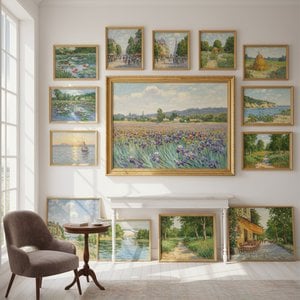
A 10 legikonikus impresszionista tájkép: Művészeti remekművek otthonába – ArtsDot.com
Fedezze fel a 10 legikonikus impresszionista tájkép festményt! Monet, Renoir és más mesterek alkotásainak története. Olajfestmények, vászonképek otthonába – ArtsDot.com kínálatából. Explore the full collection online!