

 Előnézet
 Megosztás
 Megosztás
 Részletek

 Letöltés
 Hasonló alkotások
 X-ray felvétel
 Diavetítés
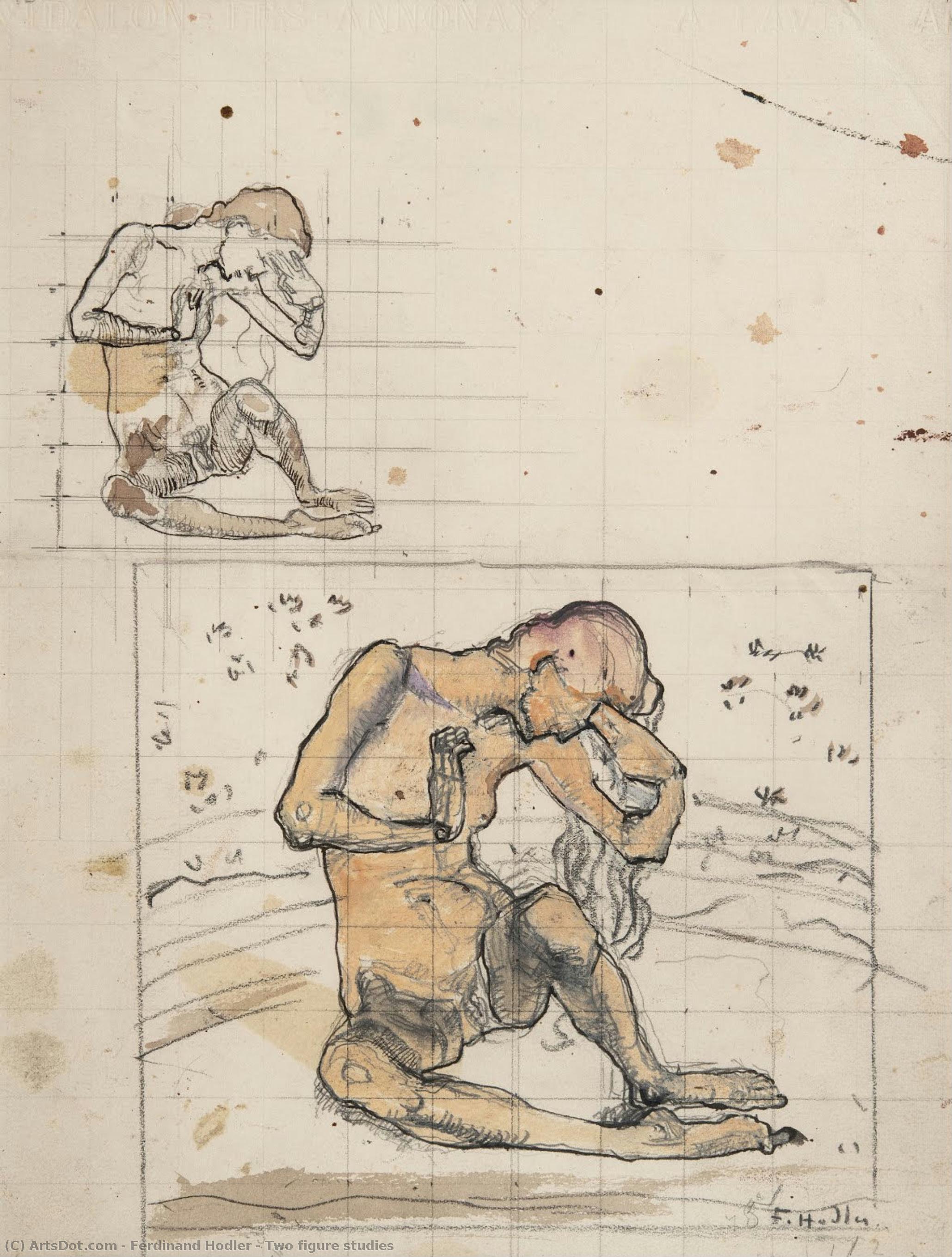
Two figure studies
 Acrylic On Canvas
- WallArt
- Symbolism
 1899
1899 31.0 x 24.0 cm
 Bosnia-Herzegovina Országos Galériája
 Tovább olvasom
Giclée / Műnyomat
Múzeumi minőségű giclée vagy vászonnyomat, gyors gyártással és rugalmas finomítási lehetőségekkel. ( Áttérés a kézzel festett másolatra Képváltás)




P118B $10

P118H $10

P118W $10

P438Z $10

P508JH $12

P508YH $12

P805H $10

P805Z $10

P919BZ $10

P919G $10

P919XJ $10

P959ZH $10

P968JZ $12

W106C $8

W218G $10

W218JH $8

W218Y $10

W307PJ $10

W316G $10

W316PJ $8

W316Y $10

W398PJ $8

W4111J $10

W500HY $15

W500JH $15

W692G $12

W849H $8

W940BG $15

W953PJ $8




Válasszon előre meghatározott méreteink közül, amelyek megfelelnek a műalkotás eredeti arányainak.

Megadhat saját méreteket is egy konkrét kerethez vagy helyszínhez igazítva. Amennyiben a kiválasztott méret nem egyezik az eredeti kép arányokkal, a műalkotást le fogjuk vágni, vagy kiegészítjük a képet tükrözött vagy egyszínű szélekkel. A gyártás megkezdése előtt egy digitális tervezetet küldünk jóváhagyásra.
Kérjük, vegye figyelembe, hogy a képernyőn látható előnézet nem tükrözi a tényleges levágást vagy kiegészítést. Csak a tervezet mutatja pontosan a végső kompozíciót.
Bár az egyedi méretek is elérhetőek, az eredeti arányok megőrzése érdekében azt javasoljuk, hogy válasszon a előre meghatározott listából származó méretet.
Világszerte történő kiszállítás területére 2 hét alatt, a szokásos 4-5 hét helyett. 9 augusztus

Ingyenes globális expressz szállítás

Prémium minőségű len vászon

Teljes szállítási biztosítás

Vámvisszatérítési Garancia

Tökéletes színpontosság garancia

60 napos visszaküldési lehetőség (csak gyártási hibák esetén)

100%-os pénzvisszatérítési garancia

Kedvezmény több termény esetén
 Az üvegkeretes opció csak 110 cm alatti méretben érhető el

Two figure studies
Giclée / Műnyomat
A reprodukció mérete
-


Összesített ár
$ 62
Termékinformációk
A Portrait of Melancholy: Exploring Ferdinand Hodler’s “Two Figure Studies”
The artwork "Two Figure Studies" by Ferdinand Hodler stands as a testament to the profound influence of Symbolism on late 19th-century European art. Executed in 1899, this deceptively simple drawing offers a glimpse into Hodler's deeply personal vision—a vision born from grief and imbued with an unwavering fascination for the human condition. The piece resides within the Kunsthaus Zürich’s collection, ensuring its enduring presence as a cornerstone of Swiss artistic heritage.Subject Matter and Composition
At first glance, “Two Figure Studies” presents two nude male figures positioned in profile against a muted backdrop. One figure sits passively on the ground, while the other stands behind him, gazing downwards with an expression of quiet contemplation. The positioning is deliberate—a careful choreography designed to convey vulnerability and introspection. Hodler’s masterful use of line creates a sense of stillness, mirroring the emotional weight carried by his subjects. The subtle shading contributes to the overall atmosphere of melancholy, hinting at unspoken sorrow and confronting themes of mortality.Style and Technique: Hodler's Signature Aesthetic
Hodler’s artistic style is instantly recognizable—characterized by its deliberate flatness, muted color palettes, and emphasis on tonal variations rather than precise delineation. He eschewed academic conventions, prioritizing emotional resonance over realistic representation. This approach aligns perfectly with the tenets of Symbolism, which sought to express inner feelings and ideas through abstracted forms and suggestive imagery. Hodler’s technique involved meticulous pencil sketching followed by subtle blending—a process that allowed him to capture not just the physical appearance of his subjects but also their psychological state. The drawing's surface is remarkably smooth, achieved through painstaking layering of graphite tones, demonstrating Hodler’s dedication to achieving a profound sense of atmosphere.Historical Context and Influences
Hodler emerged during a period marked by intellectual ferment—the Symbolist movement challenged the dominant Impressionistic aesthetic, advocating for art that transcended mere visual perception. Artists like Edvard Munch and Gustave Moreau similarly explored themes of anxiety, death, and spirituality through stylized imagery. Hodler’s own personal experiences—the tragic loss of his family—fueled his artistic exploration of grief and existential questioning. He drew inspiration from Japanese prints (Ukiyo-e), particularly those depicting landscapes and figures rendered in monochrome, influencing his compositional choices and tonal harmonies.Symbolism and Emotional Impact
The drawing’s symbolism extends beyond its depiction of two men. The nude posture represents vulnerability and exposure—a confrontation with the fragility of human existence. The downward gaze signifies contemplation and acceptance of fate. Hodler skillfully utilizes color (though restrained) to amplify the emotional impact, creating a visual experience that resonates with profound sadness. “Two Figure Studies” isn’t merely an image; it's a meditation on loss, remembrance, and the enduring power of human emotion—a timeless exploration of the human psyche that continues to captivate viewers today. It invites contemplation about confronting difficult truths and finding beauty within sorrow.Conclusion: Hodler’s Legacy
Ferdinand Hodler remains an artist whose work embodies the spirit of Symbolism's quest for emotional truth. “Two Figure Studies” exemplifies his distinctive style—characterized by its understated elegance and haunting introspection. Its enduring appeal lies in its ability to communicate complex feelings with remarkable simplicity, securing Hodler’s place as a pivotal figure in Swiss art history and inspiring artists across generations.Hasonló műalkotások


A művész életrajza
A Life Etched in Symbolism: The World of Ferdinand Hodler
Ferdinand Hodler, a name inextricably linked to the landscape of Swiss painting and the evocative language of symbolism, emerged from modest beginnings to become one of the most significant artists of the late 19th and early 20th centuries. Born in Bern, Switzerland, in 1853, his life was profoundly shaped by early loss – a recurring theme that would deeply inform his artistic vision. The untimely deaths of his father and two younger brothers before he reached adolescence cast a long shadow, instilling within him a contemplative awareness of mortality and the fleeting nature of existence. These experiences, interwoven with an acute sensitivity to the beauty and power of the natural world, became central tenets of his evolving oeuvre. Initially apprenticed to decorative painters, Hodler’s innate talent quickly transcended mere craftsmanship; he yearned for formal training and artistic exploration beyond the constraints of commercial work. This ambition led him to Geneva in 1871, where he immersed himself in study, attending science lectures alongside diligently copying masterpieces at the city's museum – a rigorous education that laid the foundation for his future innovations.From Realism to ‘Parallelism’: Forging a Unique Vision
Hodler’s artistic journey was characterized by constant evolution and an unwavering pursuit of expressive power. His early works reflected the prevailing realist style of the time – portraits, landscapes, and genre scenes executed with meticulous detail. However, he soon found himself constrained by these conventions, seeking a means to convey deeper emotional truths and philosophical ideas. This quest led him towards Symbolism, a movement that rejected naturalistic representation in favor of subjective experience and evocative imagery. Yet Hodler didn’t simply adopt the tenets of Symbolism; instead, he forged his own unique path, developing what he termed “parallelism.” This distinctive style involved arranging figures and forms in rhythmic, almost geometric patterns, creating a sense of both harmony and tension – a visual representation of interconnectedness. It was an attempt to depict not just *what* he saw, but *how* he felt – the underlying emotional currents that connected all things. The Night, completed in 1890, proved to be a pivotal work, marking his definitive turn towards symbolist imagery and sparking considerable controversy with its depiction of recumbent figures suggestive of death and repose. Despite initial criticism, the painting garnered attention in Paris, establishing Hodler’s reputation beyond Switzerland's borders and signaling the arrival of a truly original voice.Landmarks in Paint: Key Works and Their Significance
Throughout his prolific career, Hodler produced a remarkable body of work that continues to resonate with audiences today. The Day, completed in 1893, stands as one of his most ambitious and celebrated achievements – a monumental historical painting showcasing his mastery of composition and symbolism. Housed at the Kunsthaus Zürich, this artwork is a powerful meditation on life, death, and renewal, rendered with an arresting blend of realism and visionary intensity. The sheer scale and emotional weight of The Day cemented Hodler’s position as a leading figure in European art. Other notable works include numerous depictions of the Swiss Alps, imbued with a sense of awe-inspiring grandeur, and portraits that reveal his profound understanding of human psychology. He frequently revisited themes of loss and mourning, perhaps reflecting his own childhood traumas, but always infused them with a sense of dignity and resilience. His paintings weren’t merely representations; they were emotional landscapes, inviting viewers to contemplate the fundamental questions of existence. Works like Truth II (1897) demonstrate Hodler's ability to blend classical forms with modern sensibilities, creating images that are both timeless and strikingly contemporary – a testament to his innovative spirit.Influences and Historical Context
Hodler’s artistic development was shaped by a confluence of influences. His early training under Ferdinand Sommer instilled in him the fundamentals of landscape painting, while his study of works by Holbein, Titian, and Velázquez exposed him to classical techniques and compositional principles. However, it was his encounter with Symbolism that truly liberated his imagination. He drew inspiration from poets like Stéphane Mallarmé and Arthur Rimbaud, embracing their exploration of dreams, myths, and the subconscious. Hodler’s work also resonated with broader cultural currents of the late 19th and early 20th centuries – a period marked by rapid social change, scientific advancements, and a growing sense of existential anxiety. His paintings offered a visual language for grappling with these complex issues, providing solace and insight in an increasingly uncertain world. The rise of Expressionism in the early 20th century can be seen as a direct consequence of Hodler’s pioneering work in exploring subjective emotion and distorted forms.A Lasting Legacy
Ferdinand Hodler's influence extended far beyond the borders of Switzerland. His innovative use of symbolism and his development of “parallelism” paved the way for Expressionism, with its emphasis on subjective emotion and distorted forms. Artists who followed in his footsteps recognized him as a precursor to their own explorations of inner experience. Hodler’s work also resonated with broader cultural currents of the late 19th and early 20th centuries – a period marked by rapid social change, scientific advancements, and a growing sense of existential anxiety. His paintings offered a visual language for grappling with these complex issues, providing solace and insight in an increasingly uncertain world. Today, Hodler’s works are held in major museums across Europe and beyond, ensuring that his artistic vision continues to inspire and challenge generations of viewers. He remains a towering figure in Swiss art history, celebrated not only for his technical skill but also for his profound emotional depth and unwavering commitment to exploring the mysteries of the human condition.
Ferdinand Hodler
1853 - 1918 , Svájc
Rövid tények
- Artistic Movement Or Style: Szimbolizmus, Parallélizmusa
- Artists Or Movements Influenced By This Artist: ['Expressionizmus']
- Artists Who Influenced This Artist:
- Courbet
- Gauguin
- Date Of Birth: 1853. március 14.
- Date Of Death: 1918. május 19.
- Full Name: Ferdinand Hodler
- Nationality: Svajci
- Notable Artworks:
- A Éjjel
- A Nap
- Igazság II
- Place Of Birth: Bern, Svájc
Kapcsolódó cikkek

A Fehér Szín Mesterei: 10 Híres Festmény, Amelyek Elvarázsolnak – ArtsDot.com
Fedezze fel a 10 legikonikusabb fehér tónusú festményt! Monet, Van Gogh és más mesterek alkotásainak története. Vászonképek, reprodukciók – inspiráció otthonába. ArtsDot.com: minőségi művészet online.

A Fekete Szín Mesterei: 10 Híres Festmény, Amelyek Elvarázsolnak – ArtsDot.com
Fedezze fel a 10 leghíresebb, fekete tónusú festményt! Rembrandt, Goya és Manet remekművei elvarázsolják. Művészettörténet, inspiráció otthonába – ArtsDot.com kínálatából. Fedezze fel a teljes gyűjteményt online!

Ferdinand Hodler: Symbolism, Parallelism & the Quest for Universal Harmony
Explore the captivating world of Ferdinand Hodler, Swiss Symbolist painter renowned for his evocative landscapes & pioneering 'parallelism'. Discover his life, key works, and lasting influence on art history. Own a hand-painted reproduction today!

Monochrome Visions: Exploring the Aesthetic & Historical Significance of Black & White Photography
Explore the rich history & artistic power of black and white photography. From early techniques to iconic masters like Ansel Adams, discover why monochrome continues to captivate art lovers today. Expert insights for collectors.
A sötét szépség: 10 híres festmény a 'Mars Black' árnyalataiban | ArtsDot
Fedezze fel a 10 leghíresebb festményt, melyeket a 'Mars Black' mély árnyalatai dominálnak! Rembrandt, Goya és Picasso remekművei – történetük, technikájuk és időtlenségük. Múzeumi minőségű művészeti reprodukciók otthonába. Fedezze fel a teljes gyűjteményt a ArtsDot.com-on!



