


A kép az Ön választásai alapján készült: , .
A gyűjtemény leírása
Explore Ferdinand Hodler’s evocative Composition Study—a striking black and white depiction of men wielding swords amidst a contemplative gathering—capturing the symbolic spirit of late 19th-century Swiss art. Discover this captivating artwork and bring its timeless beauty into your home.
 Összes részlet megjelenítése
A művész életrajza
A szimbolizmus és a paralelizm mestere, Hodler alkotója a monumentális Nap című művésznek. Fedezd fel ikonikus művei reprodukcióit ma!
Rendelje meg a négy egyszerű lépésben
Ne siessen! Bármely választ módosítható; az rendelési összesítőben megjelenő ár minden egyes döntésre reagál.
1 Az első lépés négyből
Melyik méretet szeretné?
Ezek a méretek megőrzik az eredeti festmény arányait. A rajz bemutatja a választott méretet egy falon, egy kétszáz centiméteres kanapé felett.
Vagy adja meg a saját méreteit
Válasszon előre meghatározott méreteink közül, amelyek megfelelnek a műalkotás eredeti arányainak.

Írja be a kívánt szélességet és magasságot, hogy illeszkedjen a keretéhez vagy a falához. Mivel ez kézzel festett alkotás, egy eltérő formájú méret esetén a művész akár festhet is valamivel többet a kép körül, vagy korolathat is belőle — az Ön döntésének megfelelően. A festés megkezdése előtt küldünk egy digitális tervezetet jóváhagyásra. Az oldalon látható kép nem tartalmazza a végeredményt — csak a tervezet mutatja meg a valódi eredményt.
2 A négy lépésből a második
Hogyan kívánja előkészíteni: feltekercselve, vászonra feszítve vagy keretezve?
Az alábbi árak az első lépésben választott méretre vonatkoznak.
Válaszd ki a feszített vászon széleit
Válassza ki a keretet

Fehér Ft1

Elmosódott szélek Ft1

Kiterjesztett Ft1

P118B Ft10

P118H Ft10

P118W Ft10

P438Z Ft10

P508JH Ft12

P508YH Ft12

P805H Ft10

P805Z Ft10

P919BZ Ft10

P919G Ft10

P919XJ Ft10

P959ZH Ft10

P968JZ Ft12

W106C Ft8

W218G Ft10

W218JH Ft8

W218Y Ft10

W307PJ Ft10

W316G Ft10

W316PJ Ft8

W316Y Ft10

W398PJ Ft8

W4111J Ft10

W500HY Ft15

W500JH Ft15

W692G Ft12

W849H Ft8

W940BG Ft15

W953PJ Ft8

H24-GOLD Ft30

H24-SILVER Ft30

H36-GOLD Ft45

H36-SILVER Ft45
Keretezett
Keretprofil: . A kerettel együtt vett teljes méret: .
3 A négy lépésből a harmadik
Szeretne változtatni valamit a festményen?
A legtöbb ember nemet mond erre. Mivel minden festmény kézzel készül, művészünk képes az Ön igényei szerint is átalakítani azt.
A megrendelést követően a ArtsDot.com csapat e-mailt küld a vásárlónak az instrukciókkal, és biztosítja a tervezeti előnézetet
4 A négy lépés közül a negyedik
Néhány felületfinisz
Mindegyik opcionális. A már kiválasztott válaszok nem jelentnek plusz költséget.
Ki festette?
Világszerte elérhető szállítás () 3-4 hét alatt a szokásos 5 hét helyett. (20 november). A minőség nem kérdőjelezhető.
Egy felirat, mint egy múzeumban?
A gravírozott bronztábla részletei
This elegant plaque features the artist's name and the title of the artwork, finely engraved for a timeless presentation.
It is made from bronze with a refined, elegant finish. The text is precisely laser-engraved for a sharp and permanent result. Measuring 9x2 cm, the plaque is compact yet easy to read. It's built to be durable and scratch-resistant, offering a professional, museum-quality look. Mounting is simple thanks to the included adhesive backing.
Átlátszó akril tábla részletei
The plaque includes essential engraved details such as the artist's name, the title of the artwork, the date it was created, the type of media used-like oil on canvas or watercolor-a brief description of the piece, and a QR code that links to the complete artwork information.
It is crafted from clear acrylic, offering a sleek, modern appearance. The text is UV-engraved in black to ensure strong visual contrast. With a size of 10x15 cm, it ensures optimal readability. It comes equipped with two metal hooks for secure wall mounting. The plaque is designed to be weather-resistant, making it suitable for various environments, and it includes interactive features that work seamlessly with smartphone scanning.
Fekete akril tábla részletei
This elegant plaque includes engraved information such as the artist's name, the title of the artwork, the date it was created, the type of media used (like oil on canvas or watercolor), a short description of the artwork, and a QR code for quick access to more information.
The plaque itself is made from refined black acrylic with a premium finish. The text is laser-engraved in white for high contrast and readability. Its size is 10x15 cm, designed to be easy to read. It comes with two metal hooks for professional mounting. The design is sleek and fits any interior style. It is also weather-resistant and durable, with built-in digital integration for mobile compatibility.
Egy védőréteg?
Mikor lenne szüksége rá?
✓ Ellenőrizés és rendelés
Az Ön által megrendelt festmény

Composition study
Reprodukciós technika
Reprodukció mérete
-

Kiváló mesterművész
Nagyobb részletesség, finomság és bővített gyártási idő
-

Reprodukció keretezése
-
-
A bármely oldalsó méretét túlszálaló 105 cm (kb. 41 hüvelyk) meghaladó műalkotások vagy reprodukciók esetében a keret összeszerelhető készletként, szétszerelve kerül szállításra. Ez a módszer biztosítja a biztonságos szállítást, és megakadályozza a szállítás során fellépő sérüléseket.
Szakmész összeszerelést igényel – ez nem DIY (önösszeszerelhető) termék.
A készletet egy tapasztalt keretező szakembernek kell összeszerelnie és a vásznat feszítenie kell, fa ragasztó (nem tartalmazza a csomag), vásznfeszítő fogó és szorítók használatával, amelyek a ragasztó száradásáig a keretrészeket egymáshoz vuôngjba tartják. A helytelen összeszerelés vagy a nem egyenletes vásznfeszítés maradandó károsíthatja a műalkotást, és ez nem része a garanciánknak.
 A bármely oldalsó méretét túlszálaló 105 cm (kb. 41 hüvelyk) meghaladó műalkotások vagy reprodukciók esetében a keret összeszerelhető készletként, szétszerelve kerül szállításra. Ez a módszer biztosítja a biztonságos szállítást, és megakadályozza a szállítás során fellépő sérüléseket.
A készlet tartalmazza az összes tömörfa rudat, pontosan méretre vágva.
A mellékelt csavarokkal, valamint a sarokszerekhez szükséges faütő ragasztóval kell összeszerelnie (ez nem tartalmazható a csomagban), így a keretrendezőnek külön kell beszereznie.
A csomag nem tartalmazza a szükséges professzionális eszközöket: egy vászonfeszítőt és klipseket a rácsok vízszintes tartásához a ragasztó megszáradásáig.
Fontos:
A sarokcsatlakozásokhoz fánylagra van szükség, a keretrudakat szorítókapcsokkal kell rögzíteni, amíg a rag teljesen meg nem szárad, a kész keretre feszített vászonhoz pedig vászonfeszítő fogat szükséges. Ezek egyike sem található meg a készletben. Kérjük, rendelés előtt győződjön meg róla, hogy rendelkezik tapasztalt keretező szakemberrel.

Névtábla
-
-

Védőréteg (Lakk)
Fényes lakk (intenzívabb színek, védelem a fény és a nedvesség hatása ellen)
-

Műalkotásom egyedi igényre szabása
Példák a módosíthatóságra: az arc kicserélése az ügyfél fotójára; háziállat hozzáadása (pl. macska helyett kutya); rejtett üzenet elhelyezése a háttérben; a háttér tájainak vagy elemeinek megváltoztatása.
-

Sürgős
Világszerte szóló szállítás () mindössze 3-4 hét alatt, a szokásos 5 hét helyett. (20 november). A minőség nem kérdőjelezhető.
-
Express szállítás
Világszerte elérhető szállítás területre 5 héten belül. (27 november).
A szállítás díja tartalmazza
Összesített ár
Ft 85522
Az üvegkeretes opció csak 110 cm alatti méretben érhető el
Minden rendelés mellé tartalmazva
- Ingyenes globális expressz szállítás
- Prémium minőségű len vászon
- Teljes körű szállítási biztosítás
- Vámvisszatérítési Garancia
- Hiteles színarányosság garancia
- 100 napos visszaküldési lehetőség (csak hibás termékek esetén)
- 100% pénzvisszatérítési garancia
- Több darab vásárlásakor kedvezmény


A Study in Quiet Tension: Decoding Ferdinand Hodler’s “Composition Study”
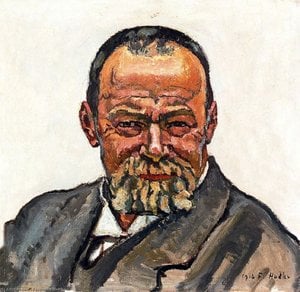
Ferdinand Hodler's "Composition Study," executed in 1899, isn’t merely a depiction of figures; it’s an exploration of psychological depth and the subtle interplay between stillness and movement—a hallmark of Symbolist art. The photograph captures a meticulously crafted painting that speaks volumes about its era and Hodler’s artistic sensibilities. Measuring 28 x 39 cm, this piece exemplifies Hodler's signature style: characterized by muted tones, flattened perspectives, and an almost dreamlike quality that prioritizes mood over precise realism.- Subject Matter & Context: The scene portrays a group of men wielding swords—a potent visual metaphor for power, defense, and perhaps even aggression—standing before what appears to be a larger assemblage. Hodler’s work emerged during the Symbolist movement, which reacted against Impressionism's focus on capturing fleeting sensory impressions. Instead, Symbolists sought to express inner emotions and spiritual truths through evocative imagery and symbolic references.
- Technique: Hodler employed tempera paint on canvas—a technique known for its luminosity and durability—allowing him to achieve a velvety surface finish that contributes significantly to the painting’s ethereal atmosphere. The artist skillfully utilized chiaroscuro, manipulating light and shadow to sculpt forms and heighten dramatic effect.
- Symbolism & Emotional Resonance: Beyond the obvious depiction of weaponry, “Composition Study” delves into themes of vulnerability and resilience. The central figure's gaze directs towards his right, suggesting introspection and a confrontation with inner turmoil amidst the surrounding presence of armed men. Hodler’s deliberate simplification of form—the flattened planes and muted palette—amplifies this emotional impact, inviting viewers to contemplate the complexities of human experience.
- Historical Significance: The painting reflects the anxieties of its time – a period marked by political instability and burgeoning militarism. However, Hodler transcends mere historical documentation; he transforms these concerns into universal meditations on courage, contemplation, and the enduring spirit of humanity.
Kérdések és válaszok
Milyen technika és milyen méret jellemzi az eredeti „Composition study”, Ferdinand Hodler alkotása alkotást?
A "Composition study" alkotás Acrylic technikával készült, eredeti mérete pedig 28 x 39 cm.
Mely művészeti irányba és mely korszakba sorolható a „Composition study”, Ferdinand Hodler alkotása?
A „Composition study”, Ferdinand Hodler alkotása a Symbolism irányzat alkotása, mely alkotójának 19. század korszakából származik.
Milyen színharmóniát mutat be „Composition study”, Ferdinand Hodler alkotása?
A „Composition study”, Ferdinand Hodler alkotása színei Unified Palette harmóniát mutatnak be. A harmónia azt írja le, hogyan kapcsolódnak egymáshoz a színek.
Több információ erről a festményről
 Megtekintés
 Váltás nyomtatványra
 Küldés
 Megosztás
 Részletek
 Útmutató

 Letöltés
 Hasonló darabok
 X-ray felvétel
 Diavetítés
 Kérdések és válaszok
 Statisztika
Hasonló műalkotások


Ferdinand Hodler
1853 - 1918, Svájc
A művész életrajza
A halandóság architektúrája
Hodler Ferdinand 1853-ban született Svájc, Bern városában, korai éveket a csendes, kitartó gyász határozott. Mielőtt a kamaszévesztet into, a tbc, amely elvitte az apját és két fiatalabb testvérét, üresítette a családot. Ez a korai találkozás a veszteséggel ismétlődő motívummá vált művészetében, egy árnyékként, amely a läröcképzés szerény kezdeteitől a professzionális karrierje csúcspontjáig követte őt. Dekoratív festőként kezdte képzését, segítve bátyja helyett a reklámfeliratok készítésében; ez a gyakorlati oktatás pontos kontrollt impartált számára a vonal és a forma felett. Ez a mesteri alapozatás biztosította azt a technikai szigorúságot, amely később támogatotta komplexebb filozófiai törekvéseit is.
1871-ben Genfbe való költözése szakított a fiatossági évek kereskedelmi igényeitől. A városban mélyebb kapcsolódást keresett a művészethez, tudományos előadásokra járt, és a helyi múzeumban a mesterek műveit másolta. Itt kezdődött meg az elmozdulás korai tájképei és portréi apróbb, aprmányos realizalmától. Már nem elég volt neki csupán visszaadni az Alpok látnivalóit vagy egy modell külső külsejét; az élet mögöttes ritmusait akarta megörökíteni. Ez az átmenet az objektívől a szubjektív felé végül sajátos vizuális nyelv kialakításához vezetett.
A párhuzamosság logikája
A modern festészet fejlődésében Hodler legjelentősebb hozzájárulása a párhuzamosság (parallelizmus) elmélete volt. Ez nem csupán kompozíciós technika volt, hanem egy olyan módja a világnak a szemlélésének, amely egy összefüggő, ritmikus mintázatok soraként tekintette azt. Megfigyelte, hogyan tükrözik egymást gyakran a természet formái – egy hegyoldal, egy emberi végtag íve vagy a víz tükröződése – egy strukturált, geométrikus harmóniában. A figurák és a táj elemei ismétlődő, ritmikus cadencnában történő elrendezésével megpróbálta ábrázolni azt a strukturális rendet, amely szerint ő irányítja a természet világát. Ez a megközelítés lehetővé tette számára, hogy áthidalja a szakadékot egy jelen fizikai valósága és a megfigyelő érzelmi állapota között.
Műve gyakran a szimbolizmus és egy strukturáltabb, modern érzékenység közötti térben helyezkedett el. Az olyan alkotásokban, mint a 1890-ben elkészült Az éjszaka, a fekvő alakokon keresztül kutatta az elக்szunyasztottság és a halandóság témáit, ami a korabeli uralkodó ízlések kihívása volt. Képesége a klasszikus forma ötvözésére a modern, szinte strukturális intenzitással a 1897-es Igazság II című művében nyilvánul meg. Nem támaszkodott a kortársai kaotikus ecsettel való munkálkodására; helyette tudatos, gyakran visszafogott oker, barna és zöld árnyalatokat használt a tartósság és a súly érzetének megteremtésére. Vászai nem csupán ablakok voltak egy jelenbe, hanem szervezett környezetek, ahol az emberi szellem és a táj egy közös geometria által kötődött össze.
Egy élet a tájakban
A svájci táj állandó jelenessé vált művészetében, különösen az Alpok pompás látnete. A hegyeket nem csupán földrajzi domborzatokként, hanem spirituális entitásként tekintette. Az Eiger, a Mönch és a Jungfrau ábrázolói, vagy a Dents du Midi nézetei a hegyek skáláját az érzelmi rezonancia nyelvére fordítási vágyát tükrözik. Gyakran alkalmazott rétegezési folyamatot, ahol vékony színes átmosásokat alkalmazott a vastagabb impastó felett a specifikus fényesség elérése érdekében, különösen a Genfi-tó feletti fény későbbi tanulmányai során. Ezek a művek a hangulat mesteri uralmát demonstrates, megörökítve az Alpok fényének ködös, éterikus minőségét anélkül, hogy feladta volna a terep strukturális integritását.
1918-as genfi halálaig Hodler svájci művésztörténetének központi alakjává vált. Hatása látható az expreszionizmus fejlődésében is, mivel szubjektív érzelmeire és ritmikus formáira való hangsúlyozása alapja lett azoknak, akik a hagyományos ábrázoláson túlra akartak lépni. Mély pszichológiai mélységű festő maradt, amelynek eszközei a létezés és a halál alapvető kérdéseinek szembenállását szolgáltatták. Öröksége abban rejlik, ahogyan kényszerítette a nézőt, hogy a világ felszínén túlkeressen: hogy megtalálja azokat a néma, ismétlődő mintákat, amelyek összefogják azt.




Kapcsolódó cikkek

Karl Blossfeldt's 'Urformen der Kunst': Pioneering Botanical Photomicrography & Aesthetic Form
Explore Karl Blossfeldt's groundbreaking *Urformen der Kunst* & pioneering botanical photography. Discover the aesthetic power of nature, New Objectivity influences, and his lasting impact on modern art. Learn about collecting key works.

Ferdinand Hodler: Symbolism, Parallelism & the Quest for Universal Harmony
Explore the captivating world of Ferdinand Hodler, Swiss Symbolist painter renowned for his evocative landscapes & pioneering 'parallelism'. Discover his life, key works, and lasting influence on art history. Own a hand-painted reproduction today!

Mastering Parallelism: The 25 Most Iconic Artworks by Ferdinand Hodler
Immerse yourself in the rhythmic beauty of Ferdinand Hodler. Explore 25 iconic masterpieces of Swiss Symbolism and Parallelism. From evocative landscapes to profound portraits, find inspiration for museum-quality art reproductions. Discover all masterpieces on ArtsDot.com.