


 Előnézet
 Megosztás
 Megosztás
 Részletek
 Útmutató

 Letöltés
 Hasonló darabok
 X-ray felvétel
 Diavetítés
 Statisztika
Damiette - Apple Trees


 Tovább olvasom
Giclée / Műnyomat
Múzeumi minőségű giclée vagy vászonnyomat, gyors gyártással és rugalmas finomítási lehetőségekkel. ( Kézzel festett másolat vásárlása Áttérés digitális képre)




P118B Ft10

P118H Ft10

P118W Ft10

P438Z Ft10

P508JH Ft12

P508YH Ft12

P805H Ft10

P805Z Ft10

P919BZ Ft10

P919G Ft10

P919XJ Ft10

P959ZH Ft10

P968JZ Ft12

W106C Ft8

W218G Ft10

W218JH Ft8

W218Y Ft10

W307PJ Ft10

W316G Ft10

W316PJ Ft8

W316Y Ft10

W398PJ Ft8

W4111J Ft10

W500HY Ft15

W500JH Ft15

W692G Ft12

W849H Ft8

W940BG Ft15

W953PJ Ft8




Válasszon előre meghatározott méreteink közül, amelyek megfelelnek a műalkotás eredeti arányainak.

Írja be a keretének vagy a falának megfelelő szélességet és magasságot. A nyomatot csak le lehet vágni, soha nem tehető nagyobbá, mint az eredeti kép, így egy eltérő alakú méretnél a kép egy része elveszik. Mielőtt bármit kinyatintanánk, küldünk egy digitális próbamodellt jóváhagyásra. Az oldalon látható kép nem tartalmazza a valós levágást — ezt csak a próbamodell mutatja meg.
Világszerte történő kiszállítás területére mindössze 2 hét alatt, a szokásos 4-5 hét helyett. (21 október)

Ingyenes globális expressz szállítás

Prémium minőségű len vászon

Teljes körű szállítási biztosítás

Vámvisszatérítési Garancia

Tökéletes színarányosság garancia

100 napos visszaküldési garancia (csak gyártási hibás termékek esetén)

100% pénzvisszatérítési garancia

Több darab vásárlásakor kedvezmény
 Az üvegkeretes opció csak 110 cm alatti méretben érhető el

Damiette - Apple Trees
Giclée / Műnyomat
Reprodukció méretei
-


Összesített ár
Ft 19590
Jean Baptiste Armand Guillaumin’s “Damiette – Apple Trees”: A Symphony of Light and Rural Tranquility
Ferdinand Guillaumin, born in Paris in 1841, stands as a pivotal figure within the Impressionist movement—a collective dedicated to capturing fleeting moments of visual experience. His painting "Damiette - Apple Trees," completed in 1884, exemplifies this artistic ethos beautifully, presenting us with more than just a landscape; it’s an invitation into a realm of serene contemplation and vibrant sensory perception.
- Subject Matter: The artwork depicts a picturesque rural scene—a verdant meadow dotted with apple trees laden with fruit. This deliberate choice reflects the Impressionists' fascination with portraying the natural world as it appears to the eye, prioritizing atmosphere over meticulous detail.
- Style & Technique: Guillaumin’s approach aligns perfectly with Impressionist principles. Short, broken brushstrokes dominate the canvas—a technique designed to mimic the dappled light filtering through foliage and creating an illusion of movement. Vivid, unblended colors are employed liberally, eschewing traditional blending methods in favor of capturing the immediacy of color perception.
The composition itself is carefully considered. Warm hues—primarily yellows and reds—are strategically positioned to draw the viewer’s gaze towards the center of the painting, where a cluster of figures adds a touch of human presence to the idyllic landscape. These individuals are rendered with softer contours than the trees, subtly emphasizing the grandeur of nature while grounding the scene in human experience.
Historical Context: Created during the height of Impressionism’s influence—a reaction against academic painting's rigid conventions—"Damiette - Apple Trees" embodies the movement’s spirit of experimentation and its desire to represent subjective perception. It speaks to a broader cultural preoccupation with capturing beauty in everyday life, mirroring the Romantic era’s emphasis on emotion and imagination.
Symbolism & Emotional Impact: Beyond its aesthetic qualities, the painting carries symbolic resonance. Apple trees, traditionally associated with fertility and abundance, symbolize prosperity and renewal—themes prevalent throughout Impressionist art. The overall effect is profoundly calming; Guillaumin’s masterful use of color and light evokes a feeling of peace and contentment, transporting the viewer to a tranquil corner of rural France.
“Damiette - Apple Trees” resides in the collections of prestigious institutions like Musée d'Orsay, cementing Guillaumin’s legacy as one of Impressionism’s most lyrical voices. For those seeking to experience this masterpiece firsthand—or to adorn their homes with a stunning reproduction—visit ArtsDot.com.
To delve deeper into Guillaumin's life and artistic journey, explore his Wikipedia page: https://en.wikipedia.org/wiki/Armand_Guillaumin.
Gyakran Ismételt Kérdések
Maradt-e a "Damiette - Apple Trees" mű a művész hon országában?
Nem – a műtárgy külföldön található. Ferdinand Guillaumin születési országa Franciaország, a „Damiette - Apple Trees” eredeti művét pedig France-ban tároló múzeum található.
Milyen felhasználásra ajánlott a "Damiette - Apple Trees" nyomata?
A „Damiette - Apple Trees”, Ferdinand Guillaumin alkotása javasolt felhasználása Accent. Emellett más célokra is alkalmas lehet.
Milyen érzést kelt „Damiette - Apple Trees”, Ferdinand Guillaumin alkotása színei?
A „Damiette - Apple Trees”, Ferdinand Guillaumin alkotása egy Earthy színpalettát ötvöz a Tranquil hangulatú tónussal.
Hasonló műalkotások


A művész életrajza
early life and career
Jean Baptiste Armand Guillaumin, a french impressionist painter and lithographer, was born on february 16, 1841 in paris, the grandson of jean joseph guillaumin who was a notary by trade. Sent to school early, he demonstrated an aptitude for drawing from a young age, nurturing his artistic inclinations throughout his formative years. His initial training focused on traditional academic techniques, yet Guillaumin swiftly embraced the burgeoning impressionist movement, captivated by its revolutionary approach to capturing fleeting moments of light and color.contribution to impressionism
Guillaumin’s involvement with impressionism wasn't merely stylistic; it represented a profound shift in artistic philosophy. He actively participated in Salon exhibitions alongside fellow luminaries like Claude Monet and Camille Pissarro, showcasing his distinctive vision – landscapes imbued with ethereal beauty and bathed in vibrant hues. His brushstrokes were loose and expressive, prioritizing spontaneity over meticulous detail—a hallmark of the movement’s ethos. Guillaumin's canvases often depicted serene scenes of rural France, rendered with a sensitivity to atmospheric conditions and subtle tonal variations. He skillfully blended pigments to achieve luminous effects, mirroring Monet’s pioneering explorations into optical perception.notable works and associations
Guillaumin’s artistic legacy rests upon a collection of remarkable paintings that continue to inspire admiration. Among his most celebrated compositions are “Garden in Janville in June,” a masterpiece capturing the tranquil splendor of a summer afternoon; “River Scene,” which exemplifies his masterful depiction of water reflections and tonal harmonies; and “View of Puy de Dôme,” showcasing an ambitious attempt to convey the grandeur of volcanic landscapes. His artistic collaborations extended beyond exhibitions, fostering connections with fellow artists who shared similar aesthetic sensibilities. Notably, he maintained close ties with Claude Monet, whose influence can be discerned in Guillaumin’s palette and compositional choices.style and influences
Guillaumin's style is characterized by a harmonious blend of impressionistic techniques and symbolic elements—a testament to his intellectual curiosity and artistic versatility. Like Vincent van Gogh, he experimented with bold colors and expressive brushwork, pushing the boundaries of conventional representation. However, unlike Monet’s predominantly optical explorations, Guillaumin infused his paintings with evocative imagery rooted in mythology and folklore, reflecting a fascination with the subconscious realm.legacy and remembrance
Ferdinand Guillaumin passed away on june 26, 1927, leaving behind an enduring contribution to french art history. His works are housed in prestigious institutions such as the Musée d’Orsay and Tiroler Landesmuseum Ferdinandeum, ensuring that his artistic vision continues to resonate with audiences worldwide. Explore more of Guillaumin's captivating oeuvre on ArtsDot: ferdinand guillaumin | 3 artworks impressionism art movement
Ferdinand Guillaumin
1841 - 1927 , Franciaország
Gyors információk
- Artistic Movement Or Style: Impressionizmus
- Artists Or Movements Influenced By This Artist: ['Symbolizmus']
- Artists Who Influenced This Artist:
- Claude Monet
- Vincent van Gogh
- Paul Cézanne
- Date Of Birth: Feb 16, 1841
- Date Of Death: Jun 26, 1927
- Full Name: Jean Baptiste Armand Guillaumin
- Nationality: Francia
- Notable Artworks:
- Garden in Janville
- River Scene
- View of Puy de Dôme
- Place Of Birth: Paris, Francia
Kapcsolódó cikkek

A Romantikus Tájképfestészet 10 Legikonikusabb Műalkotása – ArtsDot.com
Fedezze fel a romantikus tájképfestészet 10 legikonikusabb műalkotását! Caspar David Friedrich, J.M.W. Turner és más mesterek festményeinek története – inspiráló olajfestmények otthonába. ArtsDot.com: múzeumi minőségű reprodukciók és egyedi dekorációk online.

Paul Cézanne 25 Mesterműve: A Modern Művészet Úttörői | ArtsDot
Fedezze fel Paul Cézanne 25 legikonikusabb művét! Ismerje meg a posztimpresszionizmus úttörőjének festményeit, technikáját és inspirációit. Vászonképek, portrék, tájképfestmények – minden otthonba. Böngéssze gyűjteményünket a ArtsDot-on!

Arboreal Echoes: A Historical & Artistic Exploration of Trees in Painting
Explore the rich history of trees in painting! Discover symbolism, Romantic masterpieces by Caspar David Friedrich & beyond. A curated journey for art enthusiasts.

A 10 legikonikus impresszionista tájkép: művészeti remekművek otthonába | ArtsDot.com
Fedezze fel a 10 legikonikus impresszionista tájkép festményt! Monet, Renoir, Degas és más művészek remekművei. Vászonképek, faliképek otthonába – inspirálódjon ArtsDot.com-on! Explore the full collection online.
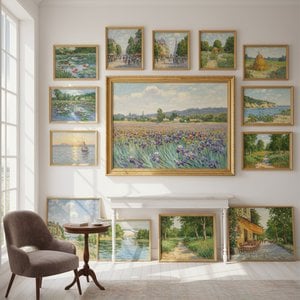
A 10 legikonikus impresszionista tájkép: Művészeti remekművek otthonába – ArtsDot.com
Fedezze fel a 10 legikonikus impresszionista tájkép festményt! Monet, Renoir és más mesterek alkotásainak története. Olajfestmények, vászonképek otthonába – ArtsDot.com kínálatából. Explore the full collection online!