
 Acrylic On Canvas
- WallArt
- Post-Impressionism
 61.0 x 110.0 cm
 Royal BC Museum

The picture follows your choices: , .
A gyűjtemény leírása
Emily Carr's 'Roots' captures a mystical forest scene with horned creatures and a lone figure, blending Indigenous themes with her signature style. A captivating exploration of nature and mystery.
 Összes részlet megjelenítése
A művész életrajza
Emily Carr (1871–1945), Kanada első nemzeti jelentőségű művésze és írója volt, aki különleges tájképeivel és őslakos kultúráival meghatározta a kanadai modernizmust. Élete Vancouver Islandon kezdődött és itt kötött szoros kapcsolatot az őslakos népekkel és természet szépségeivel. Együtt a Hetek csoportával Kanada egyik legnagyobb művésze lett, és alkotásai világszerte ismertek és nagyra értékelik.
Kézzel készített olajfestmény reprodukció
Kézzel festett olajvastú vászon, az Ön által választott méretben és keretben, művészeink készítik meglévőre. ( Váltás nyomtatványra Áttérés digitális képre)
More about this painting
 Megtekintés
 Küldés
 Megosztás
 Részletek
 Útmutató

 Letöltés
 Hasonló darabok
 X-ray felvétel
 Diavetítés
 Q&A
Q&A Statisztika
Order your painting in four simple steps
Take your time. You can change any answer; the price in your order card follows each choice.
1 Step one of four
Which size would you like?
These sizes keep the proportions of the original painting. The drawing shows your choice on a wall, above a two-metre sofa.
Or give your own measurements
Válasszon előre meghatározott méreteink közül, amelyek megfelelnek a műalkotás eredeti arányainak.

Írja be a kívánt szélességet és magasságot, hogy illeszkedjen a keretéhez vagy a falához. Mivel ez kézzel festett alkotás, egy eltérő formájú méret esetén a művész akár festhet is valamivel többet a kép körül, vagy korolathat is belőle — az Ön döntésének megfelelően. A festés megkezdése előtt küldünk egy digitális tervezetet jóváhagyásra. Az oldalon látható kép nem tartalmazza a végeredményt — csak a tervezet mutatja meg a valódi eredményt.
2 Step two of four
How should it be prepared: rolled, stretched or framed?
The prices below are for the size you chose in step one.
Choose the edges of the stretched canvas
Choose your frame

White Ft1

Blurside Ft1

Extended Ft1

P118B Ft10

P118H Ft10

P118W Ft10

P438Z Ft10

P508JH Ft12

P508YH Ft12

P805H Ft10

P805Z Ft10

P919BZ Ft10

P919G Ft10

P919XJ Ft10

P959ZH Ft10

P968JZ Ft12

W106C Ft8

W218G Ft10

W218JH Ft8

W218Y Ft10

W307PJ Ft10

W316G Ft10

W316PJ Ft8

W316Y Ft10

W398PJ Ft8

W4111J Ft10

W500HY Ft15

W500JH Ft15

W692G Ft12

W849H Ft8

W940BG Ft15

W953PJ Ft8

H24-GOLD Ft30

H24-SILVER Ft30

H36-GOLD Ft45

H36-SILVER Ft45
Keretezett
Moulding: . Overall size with the frame: .
3 Step three of four
Would you like anything changed in the painting?
Most people answer no. Because each painting is made by hand, our artist can also adapt it for you.
After order, ArtsDot.com team will email client for instructions and provide a mockup preview
4 Step four of four
A few finishing options
All of them are optional. The answers already selected cost nothing extra.
Who paints it?
Világszerte elérhető szállítás () 3-4 hét alatt a szokásos 5 hét helyett. (30 október). A minőség nem kérdőjelezhető.
A nameplate, as in a museum?
A gravírozott bronztábla részletei
This elegant plaque features the artist's name and the title of the artwork, finely engraved for a timeless presentation.
It is made from bronze with a refined, elegant finish. The text is precisely laser-engraved for a sharp and permanent result. Measuring 9x2 cm, the plaque is compact yet easy to read. It's built to be durable and scratch-resistant, offering a professional, museum-quality look. Mounting is simple thanks to the included adhesive backing.
Átlátszó akril tábla részletei
The plaque includes essential engraved details such as the artist's name, the title of the artwork, the date it was created, the type of media used-like oil on canvas or watercolor-a brief description of the piece, and a QR code that links to the complete artwork information.
It is crafted from clear acrylic, offering a sleek, modern appearance. The text is UV-engraved in black to ensure strong visual contrast. With a size of 10x15 cm, it ensures optimal readability. It comes equipped with two metal hooks for secure wall mounting. The plaque is designed to be weather-resistant, making it suitable for various environments, and it includes interactive features that work seamlessly with smartphone scanning.
Fekete akril tábla részletei
This elegant plaque includes engraved information such as the artist's name, the title of the artwork, the date it was created, the type of media used (like oil on canvas or watercolor), a short description of the artwork, and a QR code for quick access to more information.
The plaque itself is made from refined black acrylic with a premium finish. The text is laser-engraved in white for high contrast and readability. Its size is 10x15 cm, designed to be easy to read. It comes with two metal hooks for professional mounting. The design is sleek and fits any interior style. It is also weather-resistant and durable, with built-in digital integration for mobile compatibility.
A protective varnish?
When do you need it?
✓ Check and order
Your painting, as you ordered it

Roots
Reprodukciós technika
Reprodukció mérete
-

Kiváló mesterművész
Nagyobb részletesség, finomság és bővített gyártási idő
-

Reprodukció keretezése
-
-
A bármely oldalsó méretét túlszálaló 105 cm (kb. 41 hüvelyk) meghaladó műalkotások vagy reprodukciók esetében a keret összeszerelhető készletként, szétszerelve kerül szállításra. Ez a módszer biztosítja a biztonságos szállítást, és megakadályozza a szállítás során fellépő sérüléseket.
Szakmész összeszerelést igényel – ez nem DIY (önösszeszerelhető) termék.
A készletet egy tapasztalt keretező szakembernek kell összeszerelnie és a vásznat feszítenie kell, fa ragasztó (nem tartalmazza a csomag), vásznfeszítő fogó és szorítók használatával, amelyek a ragasztó száradásáig a keretrészeket egymáshoz vuôngjba tartják. A helytelen összeszerelés vagy a nem egyenletes vásznfeszítés maradandó károsíthatja a műalkotást, és ez nem része a garanciánknak.
 A bármely oldalsó méretét túlszálaló 105 cm (kb. 41 hüvelyk) meghaladó műalkotások vagy reprodukciók esetében a keret összeszerelhető készletként, szétszerelve kerül szállításra. Ez a módszer biztosítja a biztonságos szállítást, és megakadályozza a szállítás során fellépő sérüléseket.
A készlet tartalmazza az összes tömörfa rudat, pontosan méretre vágva.
A mellékelt csavarokkal, valamint a sarokszerekhez szükséges faütő ragasztóval kell összeszerelnie (ez nem tartalmazható a csomagban), így a keretrendezőnek külön kell beszereznie.
A csomag nem tartalmazza a szükséges professzionális eszközöket: egy vászonfeszítőt és klipseket a rácsok vízszintes tartásához a ragasztó megszáradásáig.
Fontos:
A sarokcsatlakozásokhoz fánylagra van szükség, a keretrudakat szorítókapcsokkal kell rögzíteni, amíg a rag teljesen meg nem szárad, a kész keretre feszített vászonhoz pedig vászonfeszítő fogat szükséges. Ezek egyike sem található meg a készletben. Kérjük, rendelés előtt győződjön meg róla, hogy rendelkezik tapasztalt keretező szakemberrel.

Névtábla
-
-

Védőréteg (Lakk)
Fényes lakk (intenzívabb színek, védelem a fény és a nedvesség hatása ellen)
-

Műalkotásom egyedi igényre szabása
Példák a módosíthatóságra: az arc kicserélése az ügyfél fotójára; háziállat hozzáadása (pl. macska helyett kutya); rejtett üzenet elhelyezése a háttérben; a háttér tájainak vagy elemeinek megváltoztatása.
-

Sürgős
Világszerte szóló szállítás () mindössze 3-4 hét alatt, a szokásos 5 hét helyett. (30 október). A minőség nem kérdőjelezhető.
-
Express szállítás
Világszerte elérhető szállítás területre 5 héten belül. (6 november).
A szállítás díja tartalmazza
Összesített ár
Ft 85993
Az üvegkeretes opció csak 110 cm alatti méretben érhető el
Included with every order
- Ingyenes globális expressz szállítás
- Prémium minőségű len vászon
- Teljes körű szállítási biztosítás
- Vámvisszatérítési Garancia
- Hiteles színarányosság garancia
- 100 napos visszaküldési lehetőség (csak hibás termékek esetén)
- 100% pénzvisszatérítési garancia
- Több darab vásárlásakor kedvezmény


The Canvas as a Portal: Unveiling “Roots” by Emily Carr
Emily Carr's "Roots," painted circa 1929, isn’t merely a depiction of two magnificent horned creatures amidst the dense foliage of British Columbia; it’s a profound meditation on connection – to the land, to ancient spirits, and perhaps, to something deeply within ourselves. The painting immediately draws the viewer into a shadowed realm, a twilight forest where light filters through the canopy in dappled patterns, creating an atmosphere thick with mystery and reverence. Carr masterfully employs a muted palette of browns, greens, and greys, punctuated by flashes of ochre and umber, lending the scene a timeless quality that transcends its specific time and place. The composition is deliberately unbalanced, drawing our eye to the central figures – these imposing beasts – while the human element, partially obscured on the right, feels almost secondary, an observer rather than a participant in this primal drama.
A Post-Impressionist Tapestry: Technique and Style
Carr’s style firmly resides within the realm of Post-Impressionism, yet she transcends simple imitation. She builds upon the Impressionists' focus on capturing fleeting moments of light and color, but imbues her work with a heightened sense of emotional intensity and symbolic weight. The brushstrokes are thick and expressive, particularly evident in the rendering of the animals’ fur – each strand meticulously applied to convey texture and movement. Carr utilizes a technique reminiscent of Japanese woodblock prints, employing strong outlines and flattened planes of color to define the forms against the richly textured background. This deliberate simplification allows her to focus on conveying mood and atmosphere rather than photographic realism. The layering of paint creates an almost sculptural quality, giving the canvas a tangible presence that invites close examination.
- Medium: Oil on Canvas
- Size: 61 x 110 cm (approximately 24 x 43.5 inches)
- Brushwork: Thick, expressive, and layered – a hallmark of Carr’s distinctive style.
Echoes of Indigenous Lore and the Spirit of the Land
“Roots” is deeply rooted in Carr's lifelong fascination with First Nations culture and spirituality. The horned creatures themselves are often interpreted as representations of Thunderbird, powerful spirits associated with storms, rain, and protection within Nuu-chah-nulth cosmology. Their presence evokes a sense of ancient power and the enduring connection between humanity and the natural world. The partially visible human figure suggests an attempt to understand or perhaps appease these forces – a recognition of our place within this intricate web of life. Carr’s meticulous documentation of totem poles, as evidenced in her extensive writings and other paintings, reveals a profound respect for Indigenous traditions and a desire to bridge the gap between Western art and First Nations storytelling. The painting can be seen as an attempt to capture not just the visual appearance of these creatures but also the spiritual significance they held for the people who revered them.
Symbolism and Emotional Resonance: A Journey into the Heart of the Forest
Beyond its immediate visual appeal, “Roots” resonates with a profound emotional depth. The darkened forest creates a sense of both vulnerability and awe, inviting us to contemplate our own relationship to nature and the mysteries that lie hidden within it. The animals’ gaze – directed off-camera – suggests a narrative beyond what is immediately visible, prompting questions about their purpose and their connection to the human observer. Carr's work consistently explores themes of isolation, spirituality, and the search for meaning in a rapidly changing world. “Roots” serves as a poignant reminder of the enduring power of the natural landscape and the importance of preserving its cultural heritage. It’s a painting that stays with you long after you’ve turned away, prompting reflection on our place within the grand scheme of things.
Kérdések és válaszok
Menny amountnyi fényt tűnik úgy vissza a "Roots" színei?
A „Roots”, Emily Carr alkotása fényerőségi értéke Dark.
A „Roots”, Emily Carr alkotása jogtalanul védett (public domain)?
A „Roots”, Emily Carr alkotása szerzői jogi státusza: a mű közösségi tulajdon – a szerzői jog lejártt. Ez határozza meg, hogy a kép másolatai szabadon készíthetők-e.
Hol tudom letölteni a(t) „Roots”, Emily Carr alkotása?
A "Roots" letölthető változatként is elérhető: a mű Letöltés oldala magas felbontású digitális kép letöltése lehetőséget kínál.
Hasonló műalkotások


Emily Carr
1871 - 1945, Kanada
A művész életrajza
A Life Rooted in the Landscape and Spirit of British Columbia
Emily Carr, born December 13, 1871, in Victoria, British Columbia, was more than just a painter; she was a chronicler of a changing world, a passionate observer of both the natural majesty of the Pacific Northwest and the rich cultural heritage of its First Nations peoples. Her life unfolded against the backdrop of a rapidly evolving Canada, a nation grappling with its identity and relationship to its Indigenous populations. The daughter of Richard and Emily Carr, English immigrants who sought opportunity in the burgeoning colony, she grew up in a household that valued both tradition and progress. This duality would profoundly shape her artistic vision. From an early age, encouraged by her father, Emily displayed a remarkable aptitude for art, a talent nurtured through formal instruction and a deep connection to the surrounding landscape. The imposing forests of Vancouver Island, the rugged coastline, and the vibrant life within them became enduring sources of inspiration. However, it was not merely the visual beauty that captivated Carr; she sought to capture the *spirit* of this land, its inherent power and mystery.Forging a Unique Artistic Voice
Carr’s artistic journey was one of continuous exploration and refinement. She pursued formal training at the San Francisco Art Institute (1890-1892) and later at the Westminster School of Art in London (1899), immersing herself in European artistic currents. Yet, she found herself increasingly drawn back to her native British Columbia, recognizing that true artistic expression lay not in imitation but in authentic representation of her own experience. Initially influenced by Post-Impressionism – particularly the bold colors and expressive brushwork of artists like Vincent van Gogh – Carr gradually moved away from conventional techniques, developing a style characterized by dynamic brushstrokes, an almost visceral energy, and a distinctive use of color to convey emotion. A pivotal moment in her development came through her encounters with the First Nations communities along the British Columbia coast. She traveled extensively throughout these regions, documenting their villages, totem poles, and ceremonial objects with reverence and respect. These experiences profoundly impacted her work, infusing it with a spiritual depth and a commitment to preserving a culture facing immense pressure from colonial forces. Carr wasn’t simply painting *about* First Nations cultures; she was attempting to convey their worldview, their connection to the land, and the profound symbolism embedded in their art. Her paintings became powerful statements of cultural preservation and artistic innovation. She often depicted scenes of daily life – fishing, weaving, storytelling – rendered with a vibrant intensity that captured both the beauty and the hardship of Indigenous existence.Modernism and the Expression of Inner Vision
Emily Carr stands as a pioneering figure in Canadian Modernism, embracing new forms of expression while remaining deeply rooted in her own unique perspective. She wasn’t content to merely replicate what she saw; instead, she sought to convey the emotional and spiritual essence of her subjects. This led her to experiment with increasingly abstract compositions, employing thick impasto techniques – applying paint directly onto the canvas in layers – to create a sense of movement and texture. Her canvases often pulsate with energy, reflecting the raw power of the natural world and the vibrant life force of the First Nations communities she depicted. Kispiox Village, for example, is not simply a representation of a village scene; it’s an evocation of its atmosphere, its history, and its spiritual significance. Carr's work often features towering trees that seem to reach towards the heavens, symbolizing both the grandeur of nature and the enduring spirit of Indigenous cultures. She wasn’t afraid to challenge conventional artistic norms, pushing boundaries and forging her own path. This commitment to artistic independence would inspire generations of Canadian artists to come. Her use of color was particularly innovative; she often employed intense reds, yellows, and blues to capture the vibrancy of the landscape and the emotional intensity of her subjects.Major Works and Recognition
Emily Carr’s oeuvre is characterized by a remarkable diversity of subject matter and style. Some of her most celebrated works include:- Tanoo (watercolor): A delicate yet powerful depiction of First Nations life, showcasing Carr’s mastery of watercolor techniques and her ability to capture the subtle nuances of Indigenous culture.
- A Haida Village (oil): A striking oil painting that captures the architectural grandeur and spiritual significance of a Haida village, demonstrating her skill in portraying complex spatial relationships and conveying a sense of community.
- The Indian Church (oil): A poignant representation of the intersection between Indigenous culture and Christian missionary influence, reflecting Carr’s complex engagement with colonial history and her desire to document both traditions.
- Kispiox Village (oil): An iconic painting that embodies Carr's unique style and her deep connection to the landscapes and communities of British Columbia – a swirling vortex of color and energy that captures the spirit of the place.
Legacy and Enduring Influence
Emily Carr is now widely celebrated as “the Mother of Modern Canadian Art.” Her paintings are treasured for their beauty, their emotional depth, and their historical significance. She was also a gifted writer, chronicling her experiences and observations in the acclaimed autobiography Klee Wyck. Beyond her artistic achievements, Carr was a passionate advocate for Indigenous rights and cultural preservation. Her work continues to inspire artists and audiences alike, reminding us of the importance of respecting diverse cultures and celebrating the beauty of the natural world. A testament to her lasting impact is the naming of minor planet 5688 Kleewyck in her honor—a celestial tribute to a truly remarkable artist and visionary.

Kapcsolódó cikkek
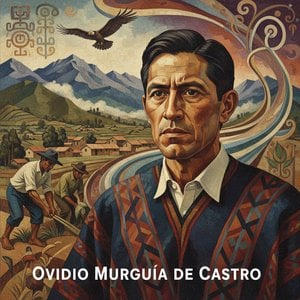
Ovidio Murguía de Castro: Ecuadorian Modernism & Social Realism's Indigenous Voice
Explore the captivating work of Ovidio Murguía de Castro, a pivotal figure in Ecuadorian Modernism. Discover his powerful Social Realist paintings and unique portrayal of Indigenous life – a compelling investment for discerning art collectors.
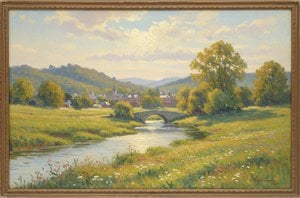
Henry Marvell Carr: A Study in American Impressionism's Evolving Landscape of Light and Form
Explore the captivating work of Henry Marvell Carr, a pivotal figure in American Impressionism. Discover his evocative realism, war art, and cultural depictions – a journey through light, form, and legacy.

Nature’s Sanctuary: Curating Enchanting Forest Artworks to Transform Your Home into a Serene Woodland Retreat
Transform your home into a serene woodland retreat with enchanting forest artworks. Discover museum-quality oil reproductions and custom landscape commissions designed to bring the peaceful beauty of nature indoors.