

 Megtekintés
 Küldés
 Megosztás
 Részletek

 Letöltés
 Hasonló darabok
 X-ray felvétel
 Diavetítés
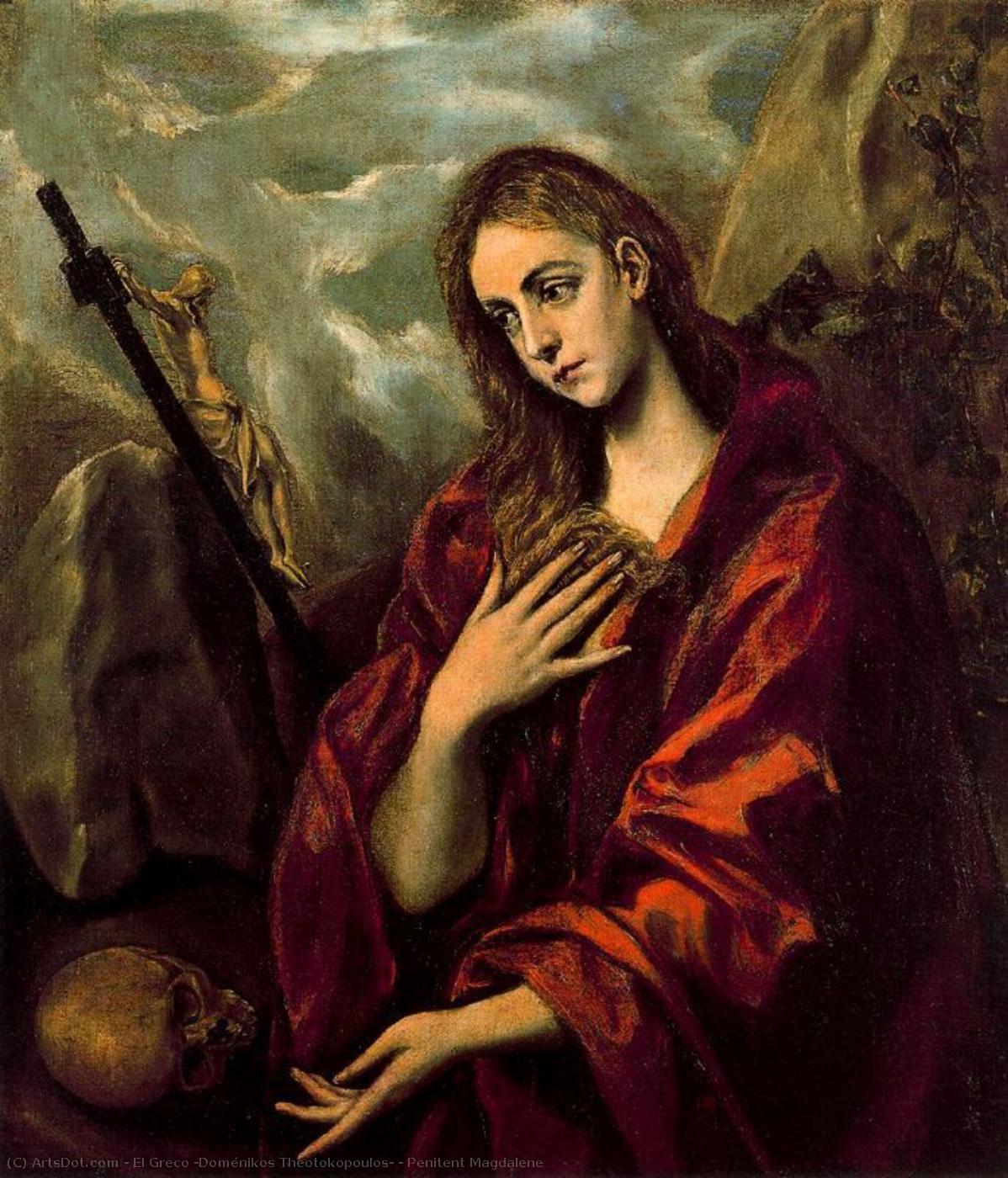
Penitent Magdalene
 Olajfestmény vászonon
- Falfeliratok és faldekoráció
- Late Renaissance Mannerism
 1590
1590- Reneszánsz
 109.0 x 96.0 cm
 Cau Ferrat Múzeum
 Összes részlet megjelenítése
Vásároljon nagy felbontású, javított digitális képet, amely minőségében messze felülmúlja az online előnézetet.
Minden fájlt szakembereink a legmodernebb eszközök és precíz, kézi retusálás segítségével készítenek el aprólékosan. Gondoskodunk arról, hogy minden kép kivételes tisztasággal, pontos színhelyességgel és részletgazdag finomsággal rendelkezzen.
A végleges fájl 72 órán belül e-mailben megérkezik, professzionális, szerkesztői és nyomtatási környezetbe optimalizálva az azonnali használathoz. Ez ugyanaz a minőség, amelyben a legmeghatározóbb tervezőstúdiók, kiadók és galériák is megbízhatnak.
Digitális kép
Töltsön le nagy felbontású fájlt személyes kiállításokhoz, nyomtatáshoz és kreatív projektekhez. ( Nyomat rendelése Kézzel festett másolat rendelése)
Minden digitális kép rendeléséhez tartozó extrák
Szakértői digitális kézbesítés, garantáltan
Amikor a ArtsDot.com szolgáltatást választja, nem csupán egy képet kap – professzionálisan felmagasított digitális műalkotást kap, amely precizitással készült, és amelyet megelégsedési gwarancia tesz biztoslássá. Az alábbiakban automatikusan minden benne 】

Gyors e-mail teslimítés
A nagy felbontású digitális képmásolatát a megrendelést követő 72 órán belül e-mailben elküldjük Önnek – azonnal használható formátumban.

MI-alapú digitális fejlesztésű fájl
Műve professzionális módon kerül optimalizálásra fejlett mesterséges intelligencia eszközök és manuális szerkesztés segítségével, biztosítva a maximális részletességet, tisztaságot és színpontosságot.

Örök életű ingyenes újradelivery
Véletlenül törölted vagy elvesztetted a fájlodat? Ne aggódj – bármikor ingyen újra megküldjük neked.

Nincs importköltség – soha
Élvezze műalkotásait azonnal, vám, illeték vagy szállítási költség nélkül – a digitális letöltések mindig adamentesek.

Színpontosság garantálása
Professzionális eszközök és színkezelés segítségével garantáljuk, hogy digitális képe a lehető legpontosabban tükrözze az eredeti színeket.

60 napos elégedettségi garancia
Ha nemມີ elégedett a digitális képpel, 60 napon belül átmunkáljuk azt, vagy 100% visszatérítjük az amountot – kérdés nélkül.

100% Pénzvisszatérítési garancia
Nem érheted el a teljes elégedettséget? 60 napon belül teljes visszatérítést kapsz a digitális fájlod megérkezése után – kérdés nélkül.

Tömegrendelési kedvezmények
Vásároljon 3 képet, spóroljon 10%-et - Vásároljon 5-öt, spóroljon 15%-et - Vásároljon 10+ képet, spóroljon 20%-at. Kiváló kreatív projektekhez, galériákhoz és ügynökségekhez.
A gyűjtemény részletei
Introduction to El Greco and The Penitent Magdalene
El Greco (Doménikos Theotokopoulos), born in Crete, was a Greek painter, sculptor, and architect of the Spanish Renaissance. He is renowned for his unique style that combines elements of Byzantine, Italian, and Spanish art. One of his most famous works, The Penitent Magdalene, is an exceptional example of his mastery in capturing emotion and spirituality.Details of The Penitent Magdalene
Created around 1580-1585, The Penitent Magdalene is an oil on canvas painting measuring approximately 39 x 31 inches (100 x 79 cm). This masterpiece showcases El Greco's innovative style and his ability to convey deep emotion through the use of color, light, and composition.Style and Analysis
The Penitent Magdalene is a powerful representation of Mary Magdalene in a state of deep penitence. El Greco's elongated figures, dramatic lighting, and vivid colors create an intense emotional atmosphere that draws the viewer into the scene. The artist's use of chiaroscuro (strong contrast between light and dark) highlights the figure of Mary Magdalene, making her the focal point of the composition. The painting is characterized by its dynamic movement, with Mary Magdalene's body twisting in a spiral as she turns away from worldly pleasures towards a life of devotion to God. Her facial expression and posture convey a profound sense of remorse and introspection, inviting the viewer to reflect on their own spiritual journey.Location and Significance
Originally created for private devotion, The Penitent Magdalene is now part of the permanent collection at the Nelson-Atkins Museum of Art in Kansas City, Missouri. This painting is considered one of El Greco's most important works and serves as a testament to his artistic genius and his ability to convey complex emotions through visual art.Conclusion
In conclusion, The Penitent Magdalene by El Greco is an exceptional example of Renaissance art that showcases the artist's unique style and mastery in capturing emotion and spirituality. This painting serves as a powerful reminder of the human capacity for transformation and redemption, making it a must-see for anyone interested in art, history, or spirituality.Discover More Masterpieces at ArtsDot.com
At ArtsDot.com, you can explore a wide range of hand-made oil painting reproductions, including works by El Greco and other renowned artists. Our team of expert artisans is dedicated to bringing these masterpieces to life with meticulous attention to detail and unmatched craftsmanship.- Explore our collection: Browse through our extensive catalog of oil painting reproductions, featuring works from various periods and styles.
- Customize your order: Choose the size, frame, and other customization options to make your artwork truly unique.
- Experience exceptional quality: Our team of expert artisans uses only the finest materials and techniques to create stunning reproductions that capture the essence of the original works.
Hasonló műalkotások


A művész életrajza
Doménikos Theotokópoulos, Known As El Greco – A Life Forged in Faith and Fire
Doménikos Theotokópoulos, universally recognized as El Greco – “the Greek” – stands apart from his contemporaries as a painter whose life and artistic output defied easy categorization. Born in Crete, Greece, around 1541, during the Venetian dominion, his artistic journey unfolded across Venice and Rome before ultimately finding its most profound expression within the spiritual landscape of Spain: Toledo. El Greco wasn’t merely shaped by these locations; he synthesized their diverse influences into a singular style – one that foreshadowed the emotive fervor of Expressionism and the fragmented forms characteristic of Cubism centuries ahead of time. His formative years immersed in Byzantine iconography instilled within him meticulous attention to detail and an instinctive grasp of religious symbolism, establishing a bedrock upon which his distinctive artistic explorations would build. Yet, he resolutely resisted confinement within established traditions, signing his canvases with Greek – “Krḗs” – as a defiant assertion of Cretan identity, even as he embraced new artistic horizons. The genesis of El Greco’s singular style wasn't solely rooted in technique; it stemmed from the fervent religious fervor permeating Crete and the rich artistic heritage bequeathed by Venetian masters.From Venice to Toledo: A Transformation Marked By Innovation
His relocation to Venice around 1567 constituted a pivotal juncture in his artistic trajectory. Surrounded by an exuberant artistic milieu, El Greco diligently studied the luminaries of his era – Titian, Tintoretto, Veronese – absorbing their mastery of color palettes, compositional strategies, and theatrical lighting effects. He deliberately loosened his brushwork, embracing the sensual qualities inherent in oil paint and elevating the expressive power of his depictions. This Venetian influence is palpably present in early works such as *St. Sebastian* (1600), where anatomical precision harmoniously blends with a dramatic illumination reminiscent of Caravaggio’s style – a testament to his ability to synthesize disparate artistic traditions. Subsequently, his sojourn in Rome exposed him to Mannerism, a stylistic movement characterized by elongated figures, distorted perspectives, and sophisticated compositional arrangements. While he demonstrated considerable talent within the competitive Roman art world, El Greco struggled to garner widespread acclaim due to prevailing aesthetic sensibilities of the time. It was his definitive settlement in Toledo – circa 1577 – that finally liberated him from artistic constraints and allowed his visionary artistic vision to flourish. The city’s fervent religious atmosphere during the Counter-Reformation provided both patronage and an environment conducive to portraying spiritual contemplation with unparalleled intensity.A Style Defined By Distortion, Emotion, And Spiritual Depth
El Greco's stylistic hallmark is instantly recognizable: figures rendered in elongated proportions—a deliberate departure from naturalistic representation—infused with palpable emotion and bathed in dramatic illumination. This isn’t mere stylistic embellishment; it represents a profound philosophical commitment to conveying the unseen realms of consciousness and experience – those realities beyond the confines of observable phenomena. He achieved this feat through masterful manipulation of color—often employing hues that deviated significantly from naturalistic standards—to heighten the emotional resonance of his canvases. Furthermore, El Greco’s lighting techniques—characterized by stark contrasts between light and shadow—created a theatrical effect, drawing viewers into the very core of the depicted scene and mirroring the dramatic narratives found in biblical texts. *The Burial of the Count of Orgaz* (1586-1588), arguably his magnum opus, exemplifies these stylistic principles flawlessly. This monumental painting portrays a miraculous event—the descent of saints to bury a nobleman—with remarkable realism interwoven with ethereal figures embodying divine intervention – demonstrating El Greco’s unparalleled ability to fuse artistic innovation with spiritual contemplation. His distinctive style transcended mere imitation; it constituted an audacious assertion of artistic individuality and a courageous rejection of prevailing aesthetic conventions.Influences And Artistic Legacy: Echoes Across Centuries
El Greco's artistic heritage extends far beyond his immediate contemporaries, resonating powerfully across subsequent artistic movements. Artists like Picasso and Braque recognized him as a precursor to Cubism—admiring his fragmented forms and unconventional perspectives—demonstrating the enduring influence of his stylistic innovations. Similarly, Expressionists embraced El Greco’s emotive intensity—capturing profound psychological states through bold color palettes and dramatic compositions—affirming his role as a pivotal figure in shaping modern artistic sensibilities. His oeuvre continues to inspire artists today, prompting explorations into themes of faith, spirituality, and human experience. Beyond the realm of art history, El Greco's stylistic legacy persists in contemporary visual culture, influencing designers and filmmakers alike. He remains an artist whose work transcends temporal boundaries—a testament to his enduring capacity for communicating universal truths about the human condition through a singular artistic voice.Notable Works: Icons Of Spiritual Expression
- The Burial of the Count of Orgaz (1586-1588): Considered El Greco’s masterpiece, this monumental painting embodies his stylistic hallmarks—elongated figures, dramatic lighting, and masterful blending of realism and spiritual symbolism.
- View of Toledo (1596-1600): This evocative landscape captures the spirit of Toledo with swirling atmospheric effects and a visionary perspective—a testament to El Greco’s ability to transform observation into profound artistic expression.
- The Opening of the Fifth Seal (1608-1614): Part of a series exploring biblical themes, this painting showcases El Greco's masterful use of color and composition to convey spiritual awe and existential contemplation.
- St. Sebastian (1600): This poignant depiction of St. Sebastian exemplifies El Greco’s stylistic prowess—anatomical precision combined with theatrical illumination—creating a powerfully emotive image.

El Greco
1541 - 1614 , Ελλάδα
Érdekességek
- Artistic Movement Or Style: Mannerizmus, Barrokok
- Artists Or Movements Influenced By This Artist:
- Expressionizmus
- Kubizmus
- Artists Who Influenced This Artist:
- Titian
- Tintoretto
- Date Of Birth: 1541 Cretében
- Date Of Death: 1614 Toledoában
- Full Name: Doménikos Theotokópoulos
- Nationality: Görög-spanyol
- Notable Artworks:
- A Szűz Mária tiszteletére
- Fray Hortensio Félix Paravicino
- El Espolio
- St. Sebastian
- Place Of Birth: Creta Görögországban

