

 Megtekintés
 Küldés
 Megosztás
 Részletek
 Útmutató

 Letöltés
 Hasonló darabok
 X-ray felvétel
 Diavetítés
 Kérdések és válaszok
 Statisztika
untitled (7884)


 Összes részlet megjelenítése
Giclée / Műnyomat
Múzeumi minőségű giclée vagy vászonnyomat, gyors gyártással és rugalmas finomítási lehetőségekkel. ( Kézzel festett másolat rendelése Áttérés digitális képre)




P118B Ft10

P118H Ft10

P118W Ft10

P438Z Ft10

P508JH Ft12

P508YH Ft12

P805H Ft10

P805Z Ft10

P919BZ Ft10

P919G Ft10

P919XJ Ft10

P959ZH Ft10

P968JZ Ft12

W106C Ft8

W218G Ft10

W218JH Ft8

W218Y Ft10

W307PJ Ft10

W316G Ft10

W316PJ Ft8

W316Y Ft10

W398PJ Ft8

W4111J Ft10

W500HY Ft15

W500JH Ft15

W692G Ft12

W849H Ft8

W940BG Ft15

W953PJ Ft8




Válasszon előre meghatározott méreteink közül, amelyek megfelelnek a műalkotás eredeti arányainak.

Írja be a keretének vagy a falának megfelelő szélességet és magasságot. A nyomatot csak le lehet vágni, soha nem tehető nagyobbá, mint az eredeti kép, így egy eltérő alakú méretnél a kép egy része elveszik. Mielőtt bármit kinyatintanánk, küldünk egy digitális próbamodellt jóváhagyásra. Az oldalon látható kép nem tartalmazza a valós levágást — ezt csak a próbamodell mutatja meg.
Világszerte történő kiszállítás területére mindössze 2 hét alatt, a szokásos 4-5 hét helyett. (4 november)

Ingyenes globális expressz szállítás

Prémium minőségű len vászon

Teljes körű szállítási biztosítás

Vámvisszatérítési Garancia

Hiteles színarányosság garancia

100 napos visszaküldési lehetőség (csak hibás termékek esetén)

100% pénzvisszatérítési garancia

Több darab vásárlásakor kedvezmény
 Az üvegkeretes opció csak 110 cm alatti méretben érhető el

untitled (7884)
Giclée / Műnyomat
Reprodukció mérete
-


Összesített ár
Ft 20641
Egon Schiele’s Unsettling Vision: “Untitled (7884)”
Egon Schiele's "Untitled (7884)," a profoundly unsettling yet undeniably captivating work, offers a glimpse into the tormented psyche of one of Expressionism’s most singular figures. Painted in 1918, just months before his untimely death at the age of 28, this piece embodies the artist’s signature style – a raw, visceral exploration of human vulnerability and the ever-present specter of mortality. The painting depicts a nude male figure seated on a chair, his hands raised in an ambiguous gesture, while two shadowy figures flank him, adding to the scene's sense of unease and isolation. The stark simplicity of the composition – a modest couch, a dining table, and a single apple – serves only to heighten the drama unfolding within the frame.
Schiele’s technique is immediately recognizable: bold, gestural lines dominate the canvas, conveying an intense emotional charge. He employs a rapid, almost frantic brushstroke, creating a sense of movement and instability. The figure's musculature is rendered with unflinching detail, emphasizing both its physical presence and its underlying fragility. The use of color is restrained – primarily earthy tones punctuated by the vibrant red of the apple – contributing to the painting’s overall mood of quiet desperation. It’s a deliberate departure from Klimt’s opulent style, reflecting Schiele's own rejection of decorative excess in favor of direct emotional expression.
A Portrait of Anxiety and Mortality
Born in Vienna in 1890, Egon Schiele’s life was tragically short but intensely productive. His early years were marked by illness and loss – the death of his father from syphilis at the age of fourteen profoundly shaped his artistic vision. This trauma fueled a lifelong preoccupation with themes of mortality, sexuality, and psychological distress. “Untitled (7884)” can be interpreted as a visual manifestation of this inner turmoil, capturing the artist’s own anxieties about life, death, and the human condition. The prominent depiction of the male form, particularly its exposed genitalia, is not merely anatomical; it's a symbolic representation of vulnerability and the inescapable reality of physical existence.
The inclusion of the two figures in the background adds another layer of complexity to the painting’s meaning. Their obscured identities suggest a sense of judgment or perhaps even complicity in the central figure’s isolation. The apple, a recurring motif in Schiele's work, often symbolizes temptation, knowledge, and the forbidden – hinting at themes of desire, transgression, and the consequences of human choices. It is believed that this painting was created during a period when Schiele was grappling with his own mortality and the anxieties associated with military service.
Symbolism and Interpretation
Beyond its immediate visual impact, “Untitled (7884)” invites multiple interpretations. The raised hands of the central figure could represent surrender, defiance, or perhaps a desperate plea for help. The overall atmosphere is one of profound loneliness and vulnerability, suggesting a character trapped within his own psychological landscape. Some scholars have linked the painting to Schiele’s personal relationships, particularly his troubled marriage to Edith Harms. The starkness of the setting – the simple chair, couch, and table – creates a stage-like quality, as if the scene is a tableau vivant capturing a fleeting moment of intense emotion.
Interestingly, this work aligns with Schiele’s broader artistic trajectory, which explored themes of sexuality, death, and psychological distress. His self-portraits, often depicting himself in unflinching detail, are particularly revealing of his inner world. “Untitled (7884)” stands as a powerful testament to Schiele's ability to translate personal anguish into a visually arresting and emotionally resonant work of art. It’s a haunting reminder of the fragility of human existence and the enduring power of artistic expression.
Bringing Schiele’s Vision Home
ArtsDot offers meticulously crafted, hand-painted reproductions of Egon Schiele's "Untitled (7884)," allowing you to experience the raw intensity and psychological depth of this iconic artwork in your own space. Our skilled artists faithfully recreate Schiele’s distinctive style – the bold lines, expressive brushstrokes, and evocative use of color – ensuring that your reproduction captures the essence of the original painting. Whether displayed as a statement piece or incorporated into a carefully curated interior design scheme, a ArtsDot reproduction of “Untitled (7884)” will serve as a constant source of contemplation and artistic inspiration. Explore our collection today and bring Schiele’s unsettling vision into your world.
Kérdések és válaszok
Erős fény-árnyék kontrasztot mutat-e a "untitled (7884)"?
A „untitled (7884)”, Egon Schiele alkotása Gentle kontrasztot mutat a világos és sötét részek között.
Hogyan írják le „untitled (7884)”, Egon Schiele alkotása színezetét?
A "untitled (7884)" színei egy Pastels palettát alkotnak. Ez a besorolás a domináns színek családjait írja le.
A "untitled (7884)" egy híres Expressionism művészeti alkotás?
A „untitled (7884)”, Egon Schiele alkotása a Recognized kategóriába tartozik, és a Expressionism irányzat részeként tekinthető.
Hasonló műalkotások


A művész életrajza
A Life Forged in Expression
Egon Schiele, született 1890. június 12-én Tulln an der Donau városban, Ausztriában, egy izgalmas és fájdalmas életre vágtak bele. Élete egyfajta viharos útra vezetett, melyben a rendkívüli művészi látás mellett mély személyes nehézségek is álltak fenn. Korai évei betegség és veszteség árnyékát vetették rá – édesapja, Adolph Schiele, a szifilisztől halt meg, amikor Egon csak tizennégy éves volt, egy tragédia, amely mélyen rémetelte az emlékezetét. Az anyjához, majd a nagybátyjáéhoz, Leopold Czihaczekhez került, aki kontrolláltabb módon nevelte, de ez a helyzet is formálta a fiú független szellemiségét. Már gyermekkorában vonzódott a vonatokhoz – egy motívum, ami később a festményein is megjelenik –, és mutatós kézügyességre tett gyanúságot, bár ezt az apja elutasította, mert azt tartotta, ez egy figyelmetlenség, ami távol sodorja a gyakorlatiabb foglalkozástól. A húgának, Elvira halálának is hosszú árnyékot vetett a fiatal művész lelke felett. Ezek a korai tapasztalatok mélyen beépültek az alkotói kifejezésébe – állandó küzdés élet, halál és emberi természet témáival.
The Crucible of Vienna: Artistic Development
Schiele formális művészi kiképzése a Kunstgewerbeschule (Művészeti Iskola)ban indult Bécsben, de hamar elégedetlen maradt a konzervatív megközelítéssel. Átment az Akademie der bildenden Künste-re (Művészeti Akadémia), ahol még inkább csalódott a szigorú tudományos hagyományokra. Ez a kielégületlenség vezetett odáig, hogy elhagyta a formális képzést, és saját utat tört be – ami bizonyítja a művészi hite áldozkodását. Gustav Klimt befolyása kulcsfontosságú volt ezekben az időszakokban; Schiele admirálta Klimt dekoratív stílusát és szimbólumok használatát, még annak is örvendett, hogy a megőrzött művész tanítványa volt. Azonban hamarosan elszaladt Klimt estétől, saját egyedi hangot fejlesztve, melyet a szigorú, objektív megjelenés helyett az érzelmi mélység és a pszichológiai intenzitás jellemzett. 1909-ben alapították a Neues Wiener Kunstgruppe-t (Új Bécsi Művészeti Csoportot), ahol egyértelműen a progresszív művészek sorába tartozott, akik kihívást gördítettek a korabeli művészi normák elé. Korai munkái gyakran zavaró portrék és önportrék voltak, melyek erőteljes érzelmi turbulenciát sugalltak, deformált alakokat és egy éles vágyat tükröztek az emberi lélek mélyén rejlő titkok feltárására. Nem egyszerűen a fizikai formák ábrázolását keresték, hanem az érzések kifejezését – mit *éreznek*, nem mit *látnak*.
Raw Emotion and Unflinching Truth
Egon Schiele művészete azonnal felismerhető a frissességben és pszichológiai mélységében. Merészebben foglalkozott olyan témákkal, amelyek az akkori időkben tabutartóak voltak – szexualitás, halál, félelem, izoláció – egy merész, nem vonakodó tekintettel. Egyedi stílusa karakterisztikái a meghosszabbított alakok, torzult pózok és kifejező vonalak, melyek egyfajta nyugtalanságot és érzelmi intenzitást sugallnak. Az emberi test, különösen a nátúrt, lett a művész központja, nem mint ideális szépség tárgya, hanem az emberi tapasztalatok összetettségének kifejezőjeként. Az önportrék jelentős részét képezik a művész oeuvre-jében, melyek intim betekintést engednek az ő belső világába – egy világ gyakran magányos és önbizonytalan.
A Legacy Cut Short: Achievements & Significance
Bár Szellemet megnehezítette a cenzúra és a jogi perek – beleértve egy rövid börtönbüntetést is, amiért ápoli fiatalokat állított képének köszönhetően –, elismerést szerzett Bécs avantgárd körében. Művei kihívást gördítettek a korabeli normák elé, melyek sokakat lenyűgöztek és felháborítottak. A halálos influenza járványakor, 28 éves korában, rövid idő alatt hunyt el, ami a művész életét egy tragikus befejezéssel zárta. Az ő munkássága azonban örök volt – jelentős alkotásai, mint például az *Self-Portrait with Physalis*, a *Couple Embracing* és a *Field Landscape (Kreuzberg near Krumau)* bizonyítékok a művészi géniuszára. Hatása a későbbi generációk művészeiére is látható – különösen azoknál, akik foglalkoznak pszichológiai témákkal és kihívják a hagyományos művészi normákat. Schiele alkotásai ma világszerte jelentős múzeumi gyűjteményekben találhatók, beleértve a Leopold Múzeum Bécsben és a Egon Schiele Művészeti Központot Českému Krumlovban, biztosítva művészi örökségének továbbvételét. A művész nem csak esztétikailag vonzó, hanem mélyen emberi alkotásokat hagyott hátra – egy bizonyíték azokra a képességekre, amelyekkel az művészet képes az élet összetettségével szembenézni őszinte, merészes és állhatatos látással.

Egon Schiele
1890 - 1918 , Ausztria
Rövid információk
- Artistic Movement Or Style: Kezdeti expresszionista
- Artists Or Movements Influenced By This Artist: ['Vienesi Secession']
- Artists Who Influenced This Artist: ['Gustav Klimt']
- Date Of Birth: 1890. június 12.
- Date Of Death: 1918. október 31.
- Full Name: Egon Schiele
- Nationality: Osztrák
- Notable Artworks:
- A híd
- Napnyugta
- Halál és lány
- Place Of Birth: Tulln, Ausztria
Kapcsolódó cikkek

A kifejezésművészet 10 ikonikus remekműve – Vászonképek és inspiráció a ArtsDot-tól
Fedezze fel a kifejezésművészet 10 legikonikusabb remekművét! Munch, Kirchner, Kandinsky és mások alkotásainak története. Vászonképek, faliképek inspirációval a ArtsDot-tól – minőségi műalkotások otthonába. Explore the full collection online!

Unlocking Emotion: A Beginner's Guide to the Raw Power of Symbolic Expressionism Art
Discover the raw emotion of Symbolic Expressionism. Our expert guide explores how masters like Munch use color and form to convey inner feelings, offering inspiration for collectors looking to bring powerful, soulful art into their modern homes.
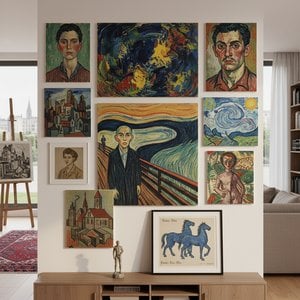
A kifejezésművészet 10 legikonikusabb remekműve – festmények otthonra a ArtsDot-tól
Fedezze fel a kifejezésművészet 10 legmeghatározóbb remekművét! Munch, Kirchner és Kandinsky alkotásainak története. Vászonképek otthonra – magas minőségű műalkotások a ArtsDot-tól. Explore the full collection online!
Egon Schiele 25 Mesterműve: Élet és Halál Vásznon – ArtsDot
Fedezze fel Egon Schiele 25 legikonikusabb művét! Mélyreható elemzések, a festő története és inspirációi. Expresszionista portrék, önarcképek és vászonképek – ArtsDot minőségi reprodukciókkal. Explore the full collection online!

Egon Schiele: Expressionism, Anxiety & the Modern Condition – A Comprehensive Exploration
Explore the emotionally charged world of Egon Schiele (1890-1918). Discover his Expressionist masterpieces, psychological themes, and lasting impact on modern art. A comprehensive guide for collectors & enthusiasts.


