

 Megtekintés
 Küldés
 Megosztás
 Részletek
 Útmutató

 Letöltés
 Hasonló darabok
 X-ray felvétel
 Diavetítés
 Kérdések és válaszok
 Statisztika
corn hill

 Összes részlet megjelenítése
Az ezen az oldalon megjelenített műalkotások szerzői jogi védelem alatt állnak, ami azt jelenti, hogy törvényileg nem készíthetünk és nem adhatunk el belőlük pontos másolatokat. Ez a védelem olyan nemzetközi megállapodások alapján érvényesül, mint például a Berni Egyezmény és a nemzeti jogszabályok által, beleértve azokat is, amelyeket meghatározott Az USA szerzői jogi törvénye – 17. cím.
Ez a módszer teljes mértékben megfelel a szerzői jogi szabályozásnak, mivel nem tartalmazza a védett műalkotás másolását vagy duplikálását. Ehelyett ez egy kreatív újinterpretáció – egy új festmény, amely az eredetivel való összefüggései miatt hatással van rá, de nem az az.
Giclée / Műnyomat
Múzeumi minőségű giclée vagy vászonnyomat, gyors gyártással és rugalmas finomítási lehetőségekkel. ( Kézzel festett másolat rendelése Áttérés digitális képre)




P118B Ft10

P118H Ft10

P118W Ft10

P438Z Ft10

P508JH Ft12

P508YH Ft12

P805H Ft10

P805Z Ft10

P919BZ Ft10

P919G Ft10

P919XJ Ft10

P959ZH Ft10

P968JZ Ft12

W106C Ft8

W218G Ft10

W218JH Ft8

W218Y Ft10

W307PJ Ft10

W316G Ft10

W316PJ Ft8

W316Y Ft10

W398PJ Ft8

W4111J Ft10

W500HY Ft15

W500JH Ft15

W692G Ft12

W849H Ft8

W940BG Ft15

W953PJ Ft8




Válasszon előre meghatározott méreteink közül, amelyek megfelelnek a műalkotás eredeti arányainak.

Írja be a keretének vagy a falának megfelelő szélességet és magasságot. A nyomatot csak le lehet vágni, soha nem tehető nagyobbá, mint az eredeti kép, így egy eltérő alakú méretnél a kép egy része elveszik. Mielőtt bármit kinyatintanánk, küldünk egy digitális próbamodellt jóváhagyásra. Az oldalon látható kép nem tartalmazza a valós levágást — ezt csak a próbamodell mutatja meg.
Világszerte történő kiszállítás területére mindössze 2 hét alatt, a szokásos 4-5 hét helyett. (15 november)

Ingyenes globális expressz szállítás

Prémium minőségű len vászon

Teljes körű szállítási biztosítás

Vámvisszatérítési Garancia

Hiteles színarányosság garancia

100 napos visszaküldési lehetőség (csak hibás termékek esetén)

100% pénzvisszatérítési garancia

Több darab vásárlásakor kedvezmény
 Az üvegkeretes opció csak 110 cm alatti méretben érhető el

corn hill
Giclée / Műnyomat
Reprodukció mérete
-


Összesített ár
Ft 20353
Corn Hill: A Study in Quietude and Rural Resonance
Edward Hopper’s “Corn Hill” (Truro, Cape Cod), painted circa 1952, isn't merely a depiction of a hillside landscape; it’s a masterful distillation of the American experience during the mid-century – a poignant meditation on solitude amidst the beauty of nature. This canvas captures a moment frozen in time, radiating an understated elegance that speaks volumes about Hopper’s artistic vision.
- Subject Matter: The painting portrays a gently sloping hill dotted with modest houses, bathed in diffused sunlight. A dirt road winds its way across the scene, guiding the viewer's gaze towards distant dwellings and hinting at human activity beyond the immediate vista.
- Style & Technique: Hopper’s signature style—characterized by sharp delineation of forms and a deliberate use of light—is evident throughout “Corn Hill.” The artist employs meticulous realism to render textures – from the rough earth of the hill to the weathered shingles of the houses – creating an immersive visual experience.
- Historical Context: Painted during Hopper’s prolific period, "Corn Hill" reflects the broader cultural anxieties of its time. Following World War II, American society grappled with questions of identity and displacement, themes subtly explored in Hopper's oeuvre. The painting embodies a sense of quiet contemplation—a reaction to the rapid pace of urbanization and industrialization.
Symbolism: Light, Shadow, and Emotional Distance
Hopper’s masterful manipulation of light is paramount to understanding “Corn Hill.” The dominant illumination casts long shadows across the hillside, emphasizing the isolation of the figures present. This interplay of light and darkness isn't merely aesthetic; it symbolizes emotional distance—the unspoken anxieties and uncertainties that permeate modern life. The solitary woman seated on the porch embodies a yearning for connection while simultaneously acknowledging the limitations imposed by circumstance.
Color Palette & Composition: Harmony Amidst Minimalism
The color palette is restrained, dominated by earthy tones – browns, greens, and muted yellows—that harmonize seamlessly with the natural environment. Hopper’s compositional choices contribute to the painting's overall mood of serenity. The placement of the figures and the road creates a visual rhythm that draws the eye inward, prompting reflection on themes of domesticity and contemplation.
Emotional Impact & Legacy
"Corn Hill" resonates deeply with viewers because it confronts us with uncomfortable truths about human experience—the pervasive feeling of loneliness despite being surrounded by others. Hopper’s ability to convey emotion through subtle visual cues elevates the painting beyond mere representation, transforming it into a timeless portrait of American consciousness. It remains an enduring testament to his artistic genius and continues to inspire artists and collectors alike.
Kérdések és válaszok
Milyen közös tulajdonságokat oszt meg a "corn hill" Edward Hopper további alkotásaival?
A "corn hill" megosztja Edward Hopper többi művével a Contemporary Realism stílust és a rögzített témákat: realism, light, urban spaces, solitude, hopper legacy.
Megtekinthető a "corn hill" teljes képernyős diaporámaként is?
A "corn hill" diaporámája megtekinthető a mű Diaváltás oldalán.
Milyen elhelyezés illik „corn hill”, Edward Hopper alkotása formátumához?
A formátum (Landscape) és a javasolt helyiség (Living Room) a „corn hill”, Edward Hopper alkotása alkotáshoz tartozó két elhelyezési adat.
Hasonló műalkotások


A művész életrajza
Az amerikai táj csendje
Edward Hopper az Egyesült Államokban, Upper Nyackban született. Korai éveit a világ megfigyelésével töltötte, folyamatos és megfigyelő tekintettel, egy olyan szokással, amely már gyermekkori vázlatokból indulva, pontos dátumokkal és aláírásokkal jegyzették meg. Bár szülei a grafikai ágazatban látott, praktikusabb utat javasoltak számára, ő a tiszta művészet felé helyezte el elméletét. A New York School of Art-on William Merritt Chase és Robert Henri alatt tanult. Ezek az évek megtanították őt azt a technikai fegyelmet, amely a világ őszinte és csiszolatlan ábrázolásához szükséges volt. Nem a párizsi impresszionisták pillanatnyi, elszálló ecsetvonala mögé törepedett; helyette egy olyan látásmódot fejlesztett ki, amely a tömeg mozgása helyett a pillanat megálltát és megzengető csendjét részesítette előbírnyedet.
Művészete gyakran a hétköznapi mundus körül forog. Házakat, éttermeket, irodákat és hotelmegszállásokat figyelte meg, és minden felesleges részletet elhagyva próbált meg tízezres mélységű érzelmi igazságot találni a jelenet mögött. Az House by the Railroad (1925) című művében egy egyszerű kompozíció titokzatos izoláltságot áraszt. A fényt és az árnyékot nem csupán a szoba leírására használta, hanem hangulatteremtő eszközként. Egy falon táncoló árnyék pontos megábrázolása vagy a fény módja, ahogy egy ablakon keresztül bezár, az ő módja lett a válságos, belső lelki állapotok közvetítésének.
A fény és az urbán belső világ
A fény, amely egy térbe árad, központi szereplővé vált festményeiben. A Nighthawks (1942) című alkotásban az éjszakai étterem éles, fluorescent fénye áttöri az elhagyatott városi utca sötétét. A bent lévő alakok fizikailag közel stojnak egymáshoz, mégis a saját gondolataikba elmerülve, egymástól elszigetelve tűnnek fel. A zsúfolt városban érezhető ez az anonimitas érzése vált műveinek ismétlődő témájává. Megtetszik benne az a feszültség, amely egy nyilvános helyen való egyedüllétből fakad, egy olyan érzés, amely az Automat és az Office in a Small City című műveiben is visszajelző. Különösen érdekli őt az a folyamat, amely során a mesterséges fény találkozásba kerül az éjszaka természetes, ősi sötétjével.
Felesége, Josephine Nivison Hopper állandó jelenet volt életében. Mint művész, gyakran szolgált modelljeiént is, és jelenléte a női alakok karakterizálásában érezhető. Együtt, szerény életet élték, gyakran töltve az év szüntetéseit Új-Angliában, ami jelentősen befolyásolta a festette tájakat. Amerikai tájképei – legyen szó vidéki vagy urbán környezetről – gyakran egyfajta ridegséget vagy ürességet árasztanak. Legyen szó a Gas (1940) című művben látható útmenti benzinstannapról vagy egy csendes hotelszobáról, a téma mindig az fizikai hely és a privát, belső élmény találkozása.
Az megfigyelés öröksége
Hopper hatása a filmek és az irodalom vizuális nyelvét is átszöszteje. Képesége a kompozíción keresztül pszichológiai feszültséget szerezni, azt számos olyan kutatót lenyűgöz, aki a történetmesélést vizuális elemeken keresztül vizsgálja. Festményei a világ számos neves múzeumaiban megtalálhatóak, például a Whitney Museum of American Art és a Museum of Fine Arts kollekcióiban, Bostonban. Nem a nagy történelmi narratívák után kutatott; inkább a hétköznapi élet csendes, elhagyott szegleteit választotta témájának, egy egyszerű ablakot vagy egy elhaladó idegenet is az emberi létezés tanulmányává emelve. Művészete a néma szavazat tanulmányozatának marad, amely az emberek közötti terekben rejlik.

Edward Hopper
1931 - 1967 , Egyesült Államok
Rövid információk
- Artistic Movement Or Style: Amerikai realizmus
- Artists Or Movements Influenced By This Artist: ['Pierre Sanford Ross']
- Artists Who Influenced This Artist:
- William Merritt Chase
- Robert Henri
- Edgar Degas
- Édouard Manet
- Date Of Birth: 1931
- Date Of Death: 1967
- Full Name: Edward Hopper
- Nationality: Amerikai
- Notable Artworks:
- Nighthawks
- Gas
- House by the Railroad
- Automat
- Office in a Small City
- Summertime
- Place Of Birth: Upper Nyack, Egyesült Államok
Kapcsolódó cikkek

Grounded in Pigment: The Enduring Serenity and Texture of Earth-Toned Palettes
Explore the profound power of earth tones through masterworks and texture. Discover the beauty of muted palettes today.

Az amerikai realizmus 10 ikonikus remekműve – festmények otthonra a ArtsDot kínálatából
Fedezze fel az amerikai realizmus 10 legikonikusabb remekművét! Ismerje meg Andrew Wyeth, Edward Hopper és más festők történetét. Múzeumi minőségű reprodukciók otthonra a ArtsDot kínálatából – inspiráló faliképek és dekorációk online.

Edward Hopper 25 Mesterműve: A Modern Magány és a Fény Játékai – ArtsDot
Fedezze fel Edward Hopper 25 legikonikusabb művét! Ismerje meg a modern magány, a fény és árnyék mesterét. Vászonképek, nyomatok – magas minőségben a ArtsDot.com-on. Inspirálódjon otthoni dekorációjához!

John Constable: Nature, Light & the Romantic Vision of Rural England
Explore the life & art of John Constable, the Romantic painter who revolutionized landscape with emotive scenes of rural England. Discover his techniques, legacy, and key works – perfect for collectors & enthusiasts.
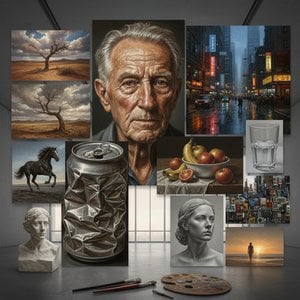
A kortárs realizmus 10 mesterműve – festmények, művészek és inspiráció otthonra
Fedezze fel a kortárs realizmus 10 legikonikusabb műalkotását! Ismerje meg a híres festők történetét, technikájukat és inspirációikat. Művészeti reprodukciók prémium minőségben – ArtsDot.com.


