


 Előnézet
 Megosztás
 Megosztás
 Részletek
 Útmutató

 Letöltés
 Hasonló darabok
 X-ray felvétel
 Diavetítés
 Statisztika
Study


 Tovább olvasom
Giclée / Műnyomat
Múzeumi minőségű giclée vagy vászonnyomat, gyors gyártással és rugalmas finomítási lehetőségekkel. ( Kézzel festett másolat vásárlása Áttérés digitális képre)




P118B Ft10

P118H Ft10

P118W Ft10

P438Z Ft10

P508JH Ft12

P508YH Ft12

P805H Ft10

P805Z Ft10

P919BZ Ft10

P919G Ft10

P919XJ Ft10

P959ZH Ft10

P968JZ Ft12

W106C Ft8

W218G Ft10

W218JH Ft8

W218Y Ft10

W307PJ Ft10

W316G Ft10

W316PJ Ft8

W316Y Ft10

W398PJ Ft8

W4111J Ft10

W500HY Ft15

W500JH Ft15

W692G Ft12

W849H Ft8

W940BG Ft15

W953PJ Ft8




Válasszon előre meghatározott méreteink közül, amelyek megfelelnek a műalkotás eredeti arányainak.

Írja be a keretének vagy a falának megfelelő szélességet és magasságot. A nyomatot csak le lehet vágni, soha nem tehető nagyobbá, mint az eredeti kép, így egy eltérő alakú méretnél a kép egy része elveszik. Mielőtt bármit kinyatintanánk, küldünk egy digitális próbamodellt jóváhagyásra. Az oldalon látható kép nem tartalmazza a valós levágást — ezt csak a próbamodell mutatja meg.
Világszerte történő kiszállítás területére mindössze 2 hét alatt, a szokásos 4-5 hét helyett. (19 október)

Ingyenes globális expressz szállítás

Prémium minőségű len vászon

Teljes körű szállítási biztosítás

Vámvisszatérítési Garancia

Tökéletes színarányosság garancia

100 napos visszaküldési garancia (csak gyártási hibás termékek esetén)

100% pénzvisszatérítési garancia

Több darab vásárlásakor kedvezmény
 Az üvegkeretes opció csak 110 cm alatti méretben érhető el

Study
Giclée / Műnyomat
Reprodukció méretei
-


Összesített ár
Ft 19686
Donato Bramante’s Umbrella Vault: A Synthesis of Byzantine Grandeur and Renaissance Innovation
Donato Bramante’s “Umbrella Vault,” executed in 1493 for the Basilica di San Pietro in Montorio, Rome, stands as a pivotal moment in architectural history—a testament to Bramante's masterful assimilation of influences from both Byzantine tradition and burgeoning Renaissance ideals. Situated atop the basilica’s central nave, this monumental fresco represents more than just decorative embellishment; it embodies a profound conceptual shift toward spatial representation that would profoundly impact subsequent artistic endeavors.
The vault itself is conceived as an inverted dome, mirroring the structure of Hagia Sophia in Constantinople—a daring departure from prevailing Roman architectural conventions. Bramante’s intention wasn't merely to replicate Byzantine aesthetics; rather, he sought to elevate them to a new level of sophistication by applying Renaissance geometric principles. The vault’s curvature is meticulously calculated using mathematical formulas derived from Euclid and Apollonius, reflecting the humanist fascination with rational order and demonstrating Bramante’s commitment to reviving classical ideals.
- Geometric Precision: Bramante employed advanced geometry—Euclidean circles and parabolas—to achieve unparalleled accuracy in its construction.
- Symbolic Resonance: The inverted dome symbolizes the heavens, mirroring the Byzantine cathedral’s soaring interior space and reinforcing the basilica's spiritual significance.
- Color Palette: Employing muted hues of ochre, umber, and ivory—characteristic of Renaissance fresco painting—Bramante created a serene atmosphere that complements the vault’s grandeur.
The Basilica Context: A Dialogue Between Faith and Reason
San Pietro in Montorio was originally conceived as a mausoleum for Pope Julius II, commemorating his deceased son Cesare Borgia. However, Bramante swiftly transformed it into a cathedral—a bold decision that underscored the humanist conviction that art could serve both aesthetic pleasure and moral instruction. This architectural undertaking exemplifies the Renaissance’s ambition to reconcile Christian piety with classical erudition.
The basilica's location on Janiculan Hill—one of Rome’s seven hills—holds symbolic importance, reflecting the biblical narrative of Jesus’ ascension into heaven. Bramante deliberately positioned the vault above the nave to emphasize this spiritual dimension, creating a visual metaphor for divine transcendence.
Technique and Artistic Innovation
Bramante's fresco technique involved layering pigments onto wet plaster—a method perfected by Giotto and Brunelleschi—to achieve remarkable luminosity and depth. The artist skillfully utilized sfumato—a subtle blending of colors—to soften contours and create an illusion of atmospheric perspective, enhancing the vault’s visual impact.
Furthermore, Bramante's masterful use of foreshortening—the depiction of objects receding into space—demonstrates his mastery of Renaissance perspectival principles. This technique contributes to the vault’s sense of realism and reinforces its monumental scale, immersing viewers in a captivating illusion of depth.
Emotional Impact: A Vision of Heavenly Harmony
"Umbrella Vault" transcends mere architectural representation; it aspires to evoke contemplation and inspire awe. The vault's harmonious proportions—derived from classical geometry—communicate an idealized vision of beauty and order, reflecting the Renaissance humanist belief in human reason’s capacity to grasp divine truth.
The fresco’s subdued color palette fosters a tranquil mood, inviting viewers to immerse themselves in the basilica’s spiritual atmosphere. Ultimately, Bramante's masterpiece embodies the Renaissance spirit—a celebration of artistic innovation coupled with reverence for religious tradition—leaving an indelible mark on architectural history and continuing to captivate audiences centuries later.
Gyakran Ismételt Kérdések
Elérhető diaporáma „Study”, Donato Bramante alkotása alkotáshoz?
A "Study" diaporámája megtekinthető a mű Diaváltás oldalán.
Mely művészeti irányba és mely korszakba sorolható a „Study”, Donato Bramante alkotása?
„Study”, Donato Bramante alkotása alkotásművében a Renaissance irányzat találkozik a Reneszánsz korszakkal.
Hová sorolható a Donato Bramante pályájának mely szakaszába a "Study"?
A "Study" Donato Bramante alkotói pályájának High Renaissance szakaszát képviseli.
Hasonló műalkotások


![Projeto De Um Orfanato Militar [itália, Projeto: Fachada, Corte E Estudo De Detalhes] — Auguste-henri-victor Grandjean De Montigny, Neoclassicism](/media/artworks/images-thumb/2f/d4/2fd44529898111ac2b1b9866f47323b4.jpg)

Kapcsolódó cikkek

A Neoklasszicizmus 10 Mesterműve: Klasszikus Stílusú Festmények és Dekorációk a ArtsDot-on
Fedezze fel a neoklasszicizmus 10 legikonikusabb műalkotását! Jacques-Louis David, Ingres és más mesterek klasszikus festményeinek története. Vászonképek, faliképek - inspirálja otthonát ArtsDot.com kínálatával! Fedezze fel a teljes gyűjteményt online.
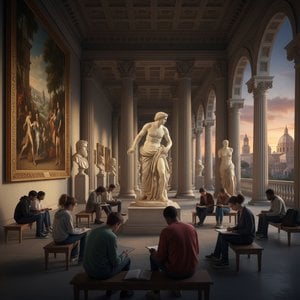
The Enduring Legacy of Classicism: Principles, Evolution & Influence in Western Art
Explore the enduring legacy of Classicism in Western art! Discover its historical context, key principles, iconic masterpieces & lasting influence. Learn about Renaissance and Neoclassical movements with ArtsDot.

The Nuances of Graphite: Exploring Emotional Depth & Technical Mastery in Pencil Drawing
Explore the captivating world of graphite drawing! Discover its rich history, master essential techniques like chiaroscuro, and learn how artists evoke emotion through this timeless medium. Expert insights for art enthusiasts.

The Alchemy of Graphite: An Expert Guide to Mastering Detail and Depth in Pencil Sketching
Unlock the secrets of graphite sketching with our expert guide for art students. Learn to master pencil grades, create realistic depth, and capture intricate textures through professional techniques designed to elevate your observational drawing skills.

The Eloquent Line: Exploring the Artistic Significance of Sketches Across Movements and Media
Explore the profound artistic significance of sketches throughout history. From Renaissance masters to modern innovators like Van Gogh & Guston, discover how these foundational works reveal technique, emotion, and vision. Learn more at ArtsDot.


