


 Előnézet
 Megosztás
 Megosztás
 Részletek
 Útmutató

 Letöltés
 Hasonló darabok
 X-ray felvétel
 Diavetítés
 Statisztika
untitled (3012)

 Tovább olvasom
Kézzel készített olajfestmény reprodukció
Kézzel festett olajvastú vászon, az Ön által választott méretben és keretben, művészeink készítik meglévőre. ( Váltás nyomtatványra Áttérés digitális képre)




































Válasszon előre meghatározott méreteink közül, amelyek megfelelnek a műalkotás eredeti arányainak.

Ön megadhat saját méreteket egy adott kerethez vagy térhez igazításhoz. Ha a kiválasztott méret nem egyezik az eredeti kép arányával, akkor a műalkotást levágjuk, vagy további kézzel festett elemekkel meghosszabbítjuk a festményt. A gyártás megkezdése előtt küldünk Önnek egy digitális előnézetet jóváhagyásra.
Kérjük, vegye figyelembe, hogy a képernyőn megjelenő előnézet nem tükrözi a tényleges vágást vagy kiterjesztést. Csak az előnézet fog pontosan mutatni a végső kompozíciót.
Bár egyedi méretek állnak rendelkezésre, javasoljuk, hogy válasszon egy méretet az előre meghatározott listából az eredeti arányok megőrzése érdekében.
A rendelést követően a ArtsDot.com csapata e-mailt küld az ügyfélnek az instrukciókért, és biztosít egy előnézeti képet (mockup).
Világszerte elérhető szállítás () 3-4 hét alatt a szokásos 5 hét helyett. (23 szeptember). A minőség nem kérdőjelezhető.

Ingyenes globális expressz szállítás

Prémium minőségű len vászon

Teljes körű szállítási biztosítás

Vámvisszatérítési Garancia

Tökéletes színarányosság garancia

100 napos visszaküldési garancia (csak gyártási hibás termékek esetén)

100% pénzvisszatérítési garancia

Több darab vásárlásakor kedvezmény
 Az üvegkeretes opció csak 110 cm alatti méretben érhető el

untitled (3012)
Reprodukciós technika
Reprodukció méretei
-


Összesített ár
$ 263
Hasonló műalkotások


A művész életrajza
A Florentine Garland: The Life and Art of Domenico Ghirlandaio
Domenico di Tommaso Curradi di Doffo Bigordi, a known to history as Domenico Ghirlandaio, emerged from the vibrant artistic landscape of Florence in 1449. His very nickname, “Il Ghirlandaio” – the garland-maker – speaks volumes about his origins and early influences. It wasn’t a reference to floral arrangements but rather to the exquisite, jewel-like headdresses crafted by his father, a goldsmith, that adorned Florentine women of the era. This familial connection to craftsmanship instilled in young Domenico an appreciation for detail, precision, and the beauty of ornamentation – qualities that would profoundly shape his artistic vision. Initially apprenticed to his father, learning the intricacies of metalwork, he soon transitioned to painting under Alesso Baldovinetti, absorbing the techniques of fresco and mosaic that defined Florentine art. Some scholars also suggest a formative period with Andrea del Verrocchio, placing him amongst a generation of masters who would redefine Renaissance aesthetics.Early Years and Influences
Ghirlandaio’s artistic journey began in Florence, a city brimming with creativity and innovation during the early Renaissance. His father's profession—the creation of elaborate floral headpieces—provided an initial visual vocabulary that subtly influenced his later work. This connection to ornamentation wasn’t merely aesthetic; it represented a deep understanding of beauty, luxury, and the importance of presentation – values highly prized in Florentine society at the time. He received his formal artistic training under Alesso Baldovinetti, a master known for his refined style and mastery of fresco painting. However, whispers suggest a period spent learning alongside Andrea del Verrocchio, one of the most influential artists of the era, further broadening Ghirlandaio’s technical skills and exposure to diverse artistic approaches. This early mentorship instilled in him a rigorous approach to technique and a keen eye for detail, elements that would become hallmarks of his distinctive style.Bridging the Sacred and the Secular
Domenico Ghirlandaio's most remarkable contribution to art lay in his ability to seamlessly blend religious narrative with contemporary life. He didn’t populate biblical scenes with idealized figures from antiquity; instead, he populated them with recognizable Florentines – merchants, townsfolk, even members of the patron families themselves. This innovative approach brought a startling realism and immediacy to his work, grounding the sacred in the everyday world. It was a deliberate departure from the prevailing artistic conventions of the time, which often favored classical mythology or idealized representations of religious figures. His workshop, a bustling hub of creativity, included not only his brothers Davide and Benedetto but also his brother-in-law Sebastiano Mainardi and, most famously, the young Michelangelo Buonarroti. The sheer efficiency and productivity of this studio allowed Ghirlandaio to undertake large-scale commissions that cemented his reputation as one of Florence’s leading artists. Notable examples include the stunning fresco cycles in the Sassetti Chapel of Santa Trinita (1482-1485), a vibrant tapestry of biblical stories interwoven with scenes of Florentine commerce and society, and the *Apotheosis of St. Zenobius* in the Palazzo Vecchio, showcasing his mastery of perspective and composition.Rome and the Sistine Chapel
The pinnacle of Ghirlandaio’s career arrived in 1481 with a summons to Rome from Pope Sixtus IV. The pontiff sought to assemble a team of Florence's most talented artists – including Botticelli, Perugino, and Rossetti – to decorate the walls of the newly constructed Sistine Chapel. Ghirlandaio’s contribution was *The Vocation of the Apostles*, a dynamic scene depicting Christ calling Peter and Andrew to follow him. While overshadowed by Michelangelo’s later ceiling frescoes, Ghirlandaio's work in the chapel demonstrates his skill in narrative storytelling and his ability to create compelling compositions filled with expressive figures. It also provided a crucial learning experience for the young Michelangelo, who observed Ghirlandaio’s techniques firsthand, absorbing lessons that would inform his own artistic development. This period marked a significant shift in Ghirlandaio's style, incorporating elements of the Northern European naturalism that was gaining popularity at the time.Legacy and Influence
Domenico Ghirlandaio’s untimely death in 1494 at the age of forty-five cut short a promising career, but his impact on Renaissance art was profound. He left behind a legacy not only through his numerous frescoes and paintings but also through the artists he trained, most notably Michelangelo. His emphasis on realism, his ability to portray contemporary life within religious contexts, and his masterful use of color and composition influenced generations of painters. While perhaps less celebrated than some of his contemporaries like Leonardo da Vinci or Raphael, Ghirlandaio’s work offers a unique window into the world of Renaissance Florence – a world where faith, commerce, and artistic innovation converged to create an era of unparalleled cultural achievement. His paintings remain as vibrant testaments to his skill, offering viewers a glimpse into the lives and beliefs of those who lived centuries ago.Notable Works
- St. Jerome in His Study (1480): A companion piece to Botticelli’s *Saint Augustine*, showcasing Ghirlandaio's skill with fresco and attention to detail.
- The Last Supper (Ognissanti, 1480): A groundbreaking work that influenced later depictions of this iconic scene, including Leonardo da Vinci’s masterpiece.
- Frescoes in the Sassetti Chapel (Santa Trinita, 1482-1485): A comprehensive cycle illustrating the life of St. Francis, celebrated for its realistic portrayal of Florentine society.
- The Vocation of the Apostles (Sistine Chapel, 1483): A significant contribution to one of the world’s most iconic artistic spaces.
- Adoration of the Magi (Uffizi Gallery, 1487): A vibrant and detailed depiction showcasing Ghirlandaio's mastery of composition and color.

Domenico Ghirlandaio
1449 - 1494 , Olaszország
Gyors információk
- Artistic Movement Or Style: Korai reneszánsza
- Artists Or Movements Influenced By This Artist: ['Michelangelo']
- Artists Who Influenced This Artist:
- Alesso Baldovinetti
- Andrea del Verrocchio
- Date Of Birth: 1449. június 2.
- Date Of Death: 1494. január 11.
- Full Name: Domenico di Tommaso Curradi
- Nationality: Olasz
- Notable Artworks:
- St. Jerome
- Utolsó vacsora
- Sassetti fsz.
- Szabadság hívása
- Place Of Birth: Firenze, Olaszország
Kapcsolódó cikkek

Azure Visions: Exploring Representations of the Blue Dress in Western Art History
Explore the rich history of the blue dress in Western art! Discover its symbolism, from Renaissance masterpieces to modern interpretations by artists like Martin & Schiele. Uncover cultural meanings and artistic techniques.
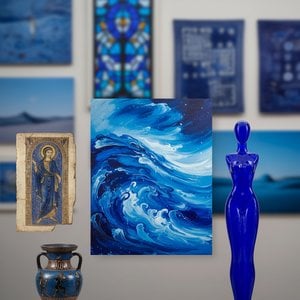
The Allure of Azure: Exploring the Symbolic & Aesthetic Depths of Blue in Art History
Explore the rich history of blue in art! Discover its symbolism, from ancient pigments to modern masterpieces by Kandinsky & Seurat. Uncover the psychological impact and cultural meanings behind this captivating hue.

Crimson Threads of Narrative: Exploring Symbolism & Representation in Artworks Featuring the Red Dress
Explore the rich symbolism of the red dress in art history! From ancient power displays to iconic portraits like Cézanne’s 'Madame Cezanne', discover the cultural and artistic significance behind this captivating color. Expert analysis & insights.

A kék árnyalatai: 10 ikonikus festmény a Slate Blue szín jegyében | ArtsDot.com
Fedezze fel a 10 legikonikusabb festményt, melyeket a Slate Blue szín ural! Monet, Renoir és más mesterek művei inspirálnak. Vászonképek eladás, otthon dekoráció tippek a ArtsDot.com-on. Explore the full collection online!

Serene Blue Backgrounds: Discover Soulful Art to Transform Your Space with Timeless Elegance
Transform your home with soulful blue art. From serene Monet impressions to modern textured sculptures, discover curated masterpieces designed to inspire calm. Explore expert art consultations and bespoke hand-painted reproductions to create your personal sanctuary.


