


 Megtekintés
 Küldés
 Megosztás
 Részletek

 Letöltés
 Hasonló darabok
 X-ray felvétel
 Diavetítés
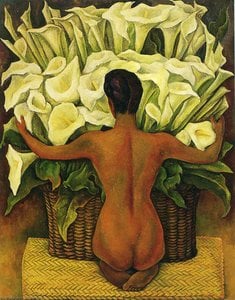
Ofrenda I
 Acrylic On Paper
- WallArt
- Mexican Muralism
 1954
1954 37.0 x 26.0 cm
 Museo Dolores Olmedo
 Összes részlet megjelenítése
Giclée / Műnyomat
Múzeumi minőségű giclée vagy vászonnyomat, gyors gyártással és rugalmas finomítási lehetőségekkel. ( Kézzel festett másolat rendelése Kép letöltése)




P118B $10

P118H $10

P118W $10

P438Z $10

P508JH $12

P508YH $12

P805H $10

P805Z $10

P919BZ $10

P919G $10

P919XJ $10

P959ZH $10

P968JZ $12

W106C $8

W218G $10

W218JH $8

W218Y $10

W307PJ $10

W316G $10

W316PJ $8

W316Y $10

W398PJ $8

W4111J $10

W500HY $15

W500JH $15

W692G $12

W849H $8

W940BG $15

W953PJ $8




Válasszon előre meghatározott méreteink közül, amelyek megfelelnek a műalkotás eredeti arányainak.

Megadhat saját méreteket is egy konkrét kerethez vagy helyszínhez igazítva. Amennyiben a kiválasztott méret nem egyezik az eredeti kép arányokkal, a műalkotást le fogjuk vágni, vagy kiegészítjük a képet tükrözött vagy egyszínű szélekkel. A gyártás megkezdése előtt egy digitális tervezetet küldünk jóváhagyásra.
Kérjük, vegye figyelembe, hogy a képernyőn látható előnézet nem tükrözi a tényleges levágást vagy kiegészítést. Csak a tervezet mutatja pontosan a végső kompozíciót.
Bár az egyedi méretek is elérhetőek, az eredeti arányok megőrzése érdekében azt javasoljuk, hogy válasszon a előre meghatározott listából származó méretet.
Világszerte történő kiszállítás területére mindössze 2 hét alatt, a szokásos 4-5 hét helyett. (5 szeptember)

Ingyenes globális expressz szállítás

Prémium minőségű len vászon

Teljes körű szállítási biztosítás

Vámvisszatérítési Garancia

Hiteles színpontosság garancia

60 napos visszaküldési lehetőség (csak hibás termékek esetén)

100% pénzvisszatérítési garancia

Több darab vásárlása esetén kedvezmény
 Az üvegkeretes opció csak 110 cm alatti méretben érhető el

Ofrenda I
Giclée / Műnyomat
Reprodukció mérete
-


Összesített ár
$ 62
A Portrait of Quiet Reverie: Unveiling Diego Rivera’s “Ofrenda I”
Diego Rivera's charcoal sketch, "Ofrenda I," isn’t merely a depiction of an elderly woman; it’s a poignant window into the heart of Día de Muertos – Day of the Dead – a deeply rooted Mexican tradition celebrating remembrance and honoring departed loved ones. Created in 1954, during a period of intense artistic exploration for Rivera, this intimate work transcends simple portraiture, offering a glimpse into the solemn beauty of ancestral veneration. The image immediately draws the viewer in with its restrained palette and the woman’s subtly expressive face, hinting at a lifetime of stories and experiences.
Rivera's style here is deliberately rooted in realism, yet infused with an unmistakable emotional depth. He eschews photographic precision, instead favoring gestural charcoal strokes that imbue the scene with texture and movement. The loose application of the medium creates a sense of immediacy, as if we’ve stumbled upon this quiet moment of contemplation. The composition itself is carefully considered – the woman's slight turn towards the viewer establishes an immediate connection, inviting us to share in her silent reflection. Notice how Rivera masterfully uses shadow to sculpt her features, lending weight and dignity to her posture.
The Ritual of Remembrance: Symbolism Within the Sketch
“Ofrenda I” is inextricably linked to the traditions surrounding Día de Muertos. The sketch captures a fragment of the elaborate altars – or *ofrendas* – meticulously constructed in homes and cemeteries throughout Mexico. These aren’t simply displays; they are carefully curated spaces designed to welcome returning spirits, laden with offerings intended to nourish and comfort them on their journey back home. The woman's shawl, draped across her shoulders, suggests a protective embrace, while the simple arrangement of objects – a subtle nod to the elements of an *ofrenda* – speaks volumes about the reverence for life and death that underpins this celebration.
Key symbolic elements are subtly present. The muted tones evoke a sense of melancholy and remembrance, mirroring the solemnity of All Saints’ Day and All Souls’ Day. The woman's bowed head suggests introspection and perhaps even a connection to those who have passed. It is important to note that Rivera himself was deeply influenced by Mexican indigenous culture and spirituality, which profoundly shaped his artistic vision.
A Legacy in Charcoal: Technique and Historical Context
Rivera’s choice of charcoal as the medium is significant. Charcoal's ability to create rich textures and subtle gradations of tone perfectly captures the mood of quiet contemplation that permeates the sketch. The rough, uneven surface reflects the artist’s direct approach – a rejection of overly polished or idealized representations in favor of raw emotional honesty. “Ofrenda I” was created during a pivotal period in Rivera's career, as he increasingly focused on depicting social and cultural realities through monumental murals and intimate sketches like this one.
The sketch’s creation in 1954 also provides context for understanding Rivera’s evolving artistic philosophy. Following his exile from the United States due to his political affiliations, Rivera returned to Mexico and continued to explore themes of social justice and cultural identity through his art. “Ofrenda I” can be seen as a reflection of this renewed commitment to representing the traditions and values of his homeland.
Bringing "Ofrenda I" Home: Reproduction and Artistic Inspiration
ArtsDot offers meticulously crafted, hand-painted reproductions of Diego Rivera’s “Ofrenda I,” ensuring that the artist's vision is faithfully preserved. These high-quality prints capture the essence of the original sketch – its emotional depth, textural richness, and subtle symbolism – while providing a stunning addition to any home or office space. Consider how this evocative image can serve as a reminder of loved ones lost, a celebration of cultural heritage, or simply a source of quiet contemplation.
Hasonló műalkotások




A művész életrajza
Early Life and Artistic Awakening
Diego Rivera, born Diego María de la Concepción Juan Nepomuceno Estanislao de la Rivera y Barrientos Acosta y Rodríguez in Guanajuato, Mexico, on December 8, 1886, entered a world already imbued with artistic sensibility. From the tender age of three, an undeniable fascination with art blossomed within him, nurtured by parents who recognized and encouraged his burgeoning talent. His early years were marked by a formal education at the Academy of San Carlos in Mexico City, where he diligently honed his skills in traditional painting and sculpture. A pivotal moment arrived in 1907 when Teodoro A. dehesa Méndez generously sponsored Rivera’s studies abroad, launching him into the heart of Europe's artistic ferment.
His initial sojourn took him to Madrid, Spain, where he studied under Eduardo Chicharro, absorbing the tenets of Realism. The Spanish landscape and classical art profoundly influenced his early work, demonstrating a meticulous attention to detail and a respect for established techniques. However, it was Paris that truly ignited his creative evolution. Immersed in the vibrant Montparnasse community, Rivera encountered a kaleidoscope of artistic perspectives, most notably the revolutionary principles of Cubism after 1912. The influence of Pablo Picasso and Georges Seurat became palpable in his work, as he began to deconstruct forms and explore intersecting planes—a departure from traditional representation that would define a significant phase of his artistic journey. Rivera’s early Parisian paintings reflected this shift, moving away from the rigid realism of his Spanish training towards more fragmented and abstract compositions.
The Return to Mexico and the Mural Renaissance
A profound shift occurred in 1921 when Rivera returned to his homeland, a nation grappling with the aftermath of revolution. This homecoming wasn’t merely a geographical relocation; it was an ideological awakening. He became a central figure in the burgeoning Mexican Mural Movement, a powerful artistic response to the social and political upheaval of the time. The movement aimed to democratize art, bringing it out of elite circles and into public spaces accessible to all citizens. Rivera embraced this mission wholeheartedly, believing that art should serve as a tool for social commentary and education.
Rivera’s murals weren't simply decorative; they were potent narratives of Mexican history, culture, and societal struggles. His early masterpieces, such as “Creation” (1922), showcased his innovative use of encaustic technique—a mixture of wax and pigments that allowed for rich colors and textural effects. The monumental works at the Secretaría de Educación Pública in Mexico City reflected a distinctive style characterized by large, simplified figures and bold colors—a deliberate homage to Aztec art and pre-Columbian aesthetics. These murals weren’t just paintings; they were visual manifestos, proclaiming a new national identity forged from its indigenous roots and revolutionary spirit. Rivera sought to depict the struggles of the common people, celebrating their resilience and highlighting the injustices they faced.
A Style Forged in Social Consciousness
Diego Rivera's artistic style is instantly recognizable—a monumental scale that commands attention, simplified forms that convey powerful messages, vibrant colors that evoke the richness of Mexican culture, and an unwavering focus on social and historical narratives. His work wasn’t confined to aesthetic concerns; it was deeply intertwined with his political beliefs, particularly his Marxist convictions. Rivera believed in using art as a means of social change, advocating for the rights of workers and promoting socialist ideals.
The “Dreams of a Sunday in the Alameda” is perhaps one of his most iconic works, though also controversial for its depiction of atheism. The mural portrays a scene of everyday life in Mexico City, featuring historical figures and allegorical representations of social classes. His Detroit Industry Murals (1933), commissioned for the Detroit Institute of Arts, stand as a testament to his ability to capture the dynamism and complexity of industrial life, portraying both the power of machinery and the dignity of the workers who operated it. Rivera seamlessly blended elements of Mexican folk art with pre-Columbian imagery, creating a visual language that was uniquely his own—a powerful synthesis of tradition and modernity.
Notable Works
- Creation (1922): His first significant mural, utilizing the encaustic technique.
- Dreams of a Sunday in the Alameda: A controversial piece known for its depiction of atheism and historical figures.
- Secretaría de Educación Pública Murals: Showcasing his unique style with large, simplified forms and vibrant colors influenced by Aztec art.
- Detroit Industry Murals (1933): Commissioned for the Detroit Institute of Arts, depicting industrial processes and workers.
Legacy and Enduring Influence
Diego Rivera’s impact on 20th-century art is immeasurable. He isn't merely remembered as one of Mexico’s most important artists, but as a global icon whose work continues to resonate with audiences today. His murals are not just artistic achievements; they are significant examples of social realism and public art—powerful statements about the human condition and the struggle for social justice.
He played a pivotal role in establishing Mexican Muralism as an influential artistic movement, inspiring generations of artists to use their work as a vehicle for social commentary. His personal life, particularly his passionate and often tumultuous relationship with Frida Kahlo, has further cemented his place in popular culture, adding another layer of intrigue to his already captivating legacy.
Rivera’s commitment to portraying the lives and struggles of ordinary people, combined with his innovative artistic techniques, ensures that his work will continue to inspire and provoke thought for generations to come. He left behind a body of work that is not only visually stunning but also deeply meaningful—a testament to the power of art to shape our understanding of history, culture, and ourselves.

Diego Rivera
1886 - 1957 , Mexikó
A művészről röviden
- Artistic Movement Or Style: Mexikói Muralizmus
- Artists Or Movements Influenced By This Artist: ['Mexikói Muralizmus']
- Artists Who Influenced This Artist:
- Picasso
- Seurat
- Date Of Birth: 1886. december 8.
- Date Of Death: 1957. november 24.
- Full Name: Diego Rivera
- Nationality: Mexikói
- Notable Artworks:
- Creação
- Sueños de un domingo en la Alameda
- Murais da Indústria Detroit
- Place Of Birth: Guanajuato, Mexikó
Kapcsolódó cikkek

Diego Rivera: A Revolutionary Vision of Mexican Identity Through Muralism
Explore the revolutionary murals of Diego Rivera and his profound impact on Mexican art & identity. Discover his techniques, iconic works like 'Man at the Crossroads,' and lasting legacy with ArtsDot.

Revolution on Canvas: Exploring the Socio-Political Power & Artistic Legacy of Mexican Muralism
Explore the powerful world of Mexican muralism! Discover Diego Rivera, Frida Kahlo & Orozco's revolutionary art, social impact & lasting legacy. Expert insights & high-quality reproductions at ArtsDot.

Hogyan emelik a konyhák és fürdőszobák hangulatát a falfestmények – A funkcionális terek átalakítása művészettel
Emlékeztető: A konyha és fürdőszoba hangulatát falfestményekkel alakítsa át! Szakértői tanácsok, prémium minőségű kézzel festett műalkotások a -tól. Inspirációk és egyedi megoldások otthona számára.

José Clemente Orozco: A Revolutionary Vision of Mexican Muralism & the Human Condition
Explore the powerful world of José Clemente Orozco, a key figure in Mexican Muralism. Discover his revolutionary art, social commentary, and lasting impact on 20th-century painting. Learn about his unique style & legacy.

A dzsungel jelenetektől az aranylevél geometriáig: A mai legkeresettebb falfestési stílusok
Fedezze fel a legújabb falfestési trendeket! Szakértői útmutatókkal segítünk megtalálni a tökéletes faldekorációt otthonába vagy üzletébe. Prémium minőség, egyedi tervezés – inspirálódjon velünk!



