


 Megtekintés
 Küldés
 Megosztás
 Részletek

 Letöltés
 Hasonló darabok
 X-ray felvétel
 Diavetítés
Lace sample


 Összes részlet megjelenítése
Kézzel készített olajfestmény reprodukció
Kézzel festett olajvastú vászon, az Ön által választott méretben és keretben, művészeink készítik meglévőre. ( Nyomat rendelése Kép letöltése)




































Válasszon előre meghatározott méreteink közül, amelyek megfelelnek a műalkotás eredeti arányainak.

Ön megadhat saját méreteket egy adott kerethez vagy térhez igazításhoz. Ha a kiválasztott méret nem egyezik az eredeti kép arányával, akkor a műalkotást levágjuk, vagy további kézzel festett elemekkel meghosszabbítjuk a festményt. A gyártás megkezdése előtt küldünk Önnek egy digitális előnézetet jóváhagyásra.
Kérjük, vegye figyelembe, hogy a képernyőn megjelenő előnézet nem tükrözi a tényleges vágást vagy kiterjesztést. Csak az előnézet fog pontosan mutatni a végső kompozíciót.
Bár egyedi méretek állnak rendelkezésre, javasoljuk, hogy válasszon egy méretet az előre meghatározott listából az eredeti arányok megőrzése érdekében.
A rendelést követően a ArtsDot.com csapata e-mailt küld az ügyfélnek az instrukciókért, és biztosít egy előnézeti képet (mockup).
Világszerte elérhető szállítás () 3-4 hét alatt a szokásos 5 hét helyett. (6 szeptember). A minőség nem kérdőjelezhető.

Ingyenes globális expressz szállítás

Prémium minőségű len vászon

Teljes körű szállítási biztosítás

Vámvisszatérítési Garancia

Hiteles színpontosság garancia

60 napos visszaküldési lehetőség (csak hibás termékek esetén)

100% pénzvisszatérítési garancia

Több darab vásárlása esetén kedvezmény
 Az üvegkeretes opció csak 110 cm alatti méretben érhető el

Lace sample
Reprodukciós technika
Reprodukció mérete
-


Összesített ár
$ 263
Hasonló műalkotások


A művész életrajza
The Soul of New Orleans: The Visionary Artistry of Christopher Porché West
To encounter the work of Christopher Porché West (1958–2023) is to step into a sacred space where the boundaries between photography and sculpture dissolve. Emerging from the artistic landscape of California, West found his true calling in the humid, rhythm-filled streets of New Orleans, becoming a profound chronicler of Louisiana’s cultural soul. His lens did not merely capture images; it sought out the invisible threads that bind diverse peoples through shared faith, ritual, and resilience. Through his eyes, the city was not just a location, but a living, breathing entity—a tapestry of history, struggle, and enduring grace.
West’s artistic journey is most famously defined by his deep, decades-long engagement with the Mardi Gras Indians. Recognizing these communities as vital symbols of African American resistance and cultural preservation, he embarked on a mission to document their secretive, elaborate rituals. His photographs of these magnificent processions—characterized by intricate beadwork and towering feather headdresses—transcended simple documentation. They became narratives of lineage and devotion, capturing the very essence of ancestral pride. In his hands, the camera served as a tool for cultural curatorialism, honoring the artistry and unwavering spirit of those who keep tradition alive through every stitch and bead.
The Convergence of Form and Memory
What truly set West apart from his contemporaries was his rejection of the "flat" photograph. He famously contended that a standard frame could tell a story, but it lacked the dimensionality required to convey the true depth of human experience. This belief led to the development of his signature photographic sculpture. In this innovative approach, West would "house" his dramatic grayscale images within salvaged architectural elements—weathered door casings, antique window frames, floorboards, and ornate knobs. By incorporating these physical fragments of New Orleans's decaying grandeur, he anchored his photographs in a tangible sense of place.
This technique created an additive effect where the sum was always greater than its parts:
- Texture and Depth: The use of grayscale photography prioritized form and texture over color, allowing the subtle nuances of skin, fabric, and wood to emerge with striking clarity.
- Symbolic Assemblage: By adorning his sculptural frames with symbolic objects and candles, West transformed his studio into an installation-like environment, reminiscent of a sacred shrine.
- Authenticity through Decay: The use of architectural debris provided an organic authenticity, suggesting that the art itself was born from the very soil and history of the city it depicted.
A Legacy of Humanist Observation
Beyond the grand spectacle of the Mardi Gras Indians, West’s work remained deeply rooted in a humanist philosophy. He possessed an uncanny ability to find the universal within the particular, seeking out the "faces that hold something that invites reflection." His portraits of everyday New Orleanians were studies in existential grace; he looked into the hearts of his subjects to discover the lightness and beauty that persist despite the burdens of history. His aesthetic favored a quiet intensity, using light and shadow to emphasize the dignity of the human visage.
The historical significance of Christopher Porché West lies in his ability to act as both an artist and an archivist. He did not just observe change; he captured the tension between a city grappling with its past and one embracing its future. Through his meticulous craftsmanship and profound empathy, West left behind a visual legacy that serves as a permanent testament to the resilience of the human spirit and the indelible beauty of Louisiana’s cultural heritage. His work remains a vital bridge between the ephemeral moment of a photograph and the enduring weight of history.

christopher charles 'porché' west
1958 - 2023 , United States of America
A művészről röviden
- Artistic Movement Or Style: Photography
- Date Of Birth: California, United States of America (1958)
- Full Name: Christopher Charles 'Porché' West
- Nationality: American
- Notable Artworks: ['Mardi Gras Indian']
- Place Of Birth: California
Kapcsolódó cikkek

A Fekete Szín Mesterei: 10 Híres Festmény, Amelyek Elvarázsolnak – ArtsDot.com
Fedezze fel a 10 leghíresebb, fekete tónusú festményt! Rembrandt, Goya és Manet remekművei elvarázsolják. Művészettörténet, inspiráció otthonába – ArtsDot.com kínálatából. Fedezze fel a teljes gyűjteményt online!

Woven Wonders: A Beginner's Guide to Elevating Your New Home with Timeless Textile Art
Discover how to transform your new home with the warmth of textile art. Our expert guide for newlyweds explores handwoven tapestries, tactile fibers, and timeless ways to curate a soulful, sophisticated interior through beautiful woven wonders.
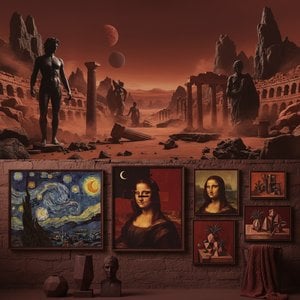
A sötét szépség: 10 híres festmény a 'Mars Black' árnyalataiban | ArtsDot
Fedezze fel a 10 leghíresebb festményt, melyeket a 'Mars Black' mély árnyalatai dominálnak! Rembrandt, Goya és Picasso remekművei – történetük, technikájuk és időtlenségük. Múzeumi minőségű művészeti reprodukciók otthonába. Fedezze fel a teljes gyűjteményt a ArtsDot.com-on!

A sötétség művészete: 10 ikonikus festmény lámpfekete árnyalataiban | ArtsDot.hu
Fedezze fel a 10 legikonikusabb festményt, melyeket a lámpfekete mély árnyalatai jellemeznek! Rembrandt, Caravaggio és más mesterek művészete. Művészeti reprodukciók otthonába – ArtsDot.com.

Echoes of Time: Nostalgia, Technique & Cultural Significance in Vintage Paintings
Explore the captivating world of vintage paintings! Discover key styles, cultural significance & collecting tips from art experts at ArtsDot. Find authentic reproductions and elevate your home décor.

