


 Megtekintés
 Küldés
 Megosztás
 Részletek

 Letöltés
 Hasonló darabok
 X-ray felvétel
 Diavetítés
 Statisztika
Colombo


 Összes részlet megjelenítése
Kézzel készített olajfestmény reprodukció
Kézzel festett olajvastú vászon, az Ön által választott méretben és keretben, művészeink készítik meglévőre. ( Áttérés Nyomtatványra Áttérés digitális képre)




P118B $10

P118H $10

P118W $10

P438Z $10

P508JH $12

P508YH $12

P805H $10

P805Z $10

P919BZ $10

P919G $10

P919XJ $10

P959ZH $10

P968JZ $12

W106C $8

W218G $10

W218JH $8

W218Y $10

W307PJ $10

W316G $10

W316PJ $8

W316Y $10

W398PJ $8

W4111J $10

W500HY $15

W500JH $15

W692G $12

W849H $8

W940BG $15

W953PJ $8




Válasszon előre meghatározott méreteink közül, amelyek megfelelnek a műalkotás eredeti arányainak.

Ön megadhat saját méreteket egy adott kerethez vagy térhez igazításhoz. Ha a kiválasztott méret nem egyezik az eredeti kép arányával, akkor a műalkotást levágjuk, vagy további kézzel festett elemekkel meghosszabbítjuk a festményt. A gyártás megkezdése előtt küldünk Önnek egy digitális előnézetet jóváhagyásra.
Kérjük, vegye figyelembe, hogy a képernyőn megjelenő előnézet nem tükrözi a tényleges vágást vagy kiterjesztést. Csak az előnézet fog pontosan mutatni a végső kompozíciót.
Bár egyedi méretek állnak rendelkezésre, javasoljuk, hogy válasszon egy méretet az előre meghatározott listából az eredeti arányok megőrzése érdekében.
A rendelést követően a ArtsDot.com csapata e-mailt küld az ügyfélnek az instrukciókért, és biztosít egy előnézeti képet (mockup).
Világszerte elérhető szállítás () 3-4 hét alatt a szokásos 5 hét helyett. (18 szeptember). A minőség nem kérdőjelezhető.

Ingyenes globális expressz szállítás

Prémium minőségű len vászon

Teljes körű szállítási biztosítás

Vámvisszatérítési Garancia

Hiteles színpontosság garancia

100 napos visszaküldési lehetőség (csak hibás termékek esetén)

100% pénzvisszatérítési garancia

Több darab vásárlása esetén kedvezmény
 Az üvegkeretes opció csak 110 cm alatti méretben érhető el

Colombo
Reprodukciós technika
Reprodukció mérete
-


Összesített ár
$ 263
A Window Into Colombo’s Soul: Charles Edward Conder's Masterpiece
The painting “Colombo” by Charles Edward Conder isn’t merely a depiction of a bustling street scene; it’s an encapsulation of Melbourne’s artistic spirit at the turn of the century and a testament to Conder’s extraordinary ability to capture not just what he saw, but how he felt about it. Completed in 1890, this oil on panel resides proudly within the National Gallery of Victoria, inviting viewers into a moment frozen in time—a snapshot of Colombo's vibrant energy against the backdrop of colonial Australia.- The Scene: Conder’s gaze focuses squarely on Galle Face Green, Colombo’s waterfront promenade, teeming with life. Horse-drawn carriages jostle alongside bicycles and pedestrians, creating a dynamic tableau that speaks volumes about the city's commercial activity and social interactions. The artist meticulously rendered the details—the dappled sunlight filtering through the trees, the faces of passersby absorbed in their daily routines—transforming an ordinary street into a stage for human drama.
- Style & Technique: Conder’s approach aligns perfectly with the Heidelberg School's ethos – Impressionism infused with Australian landscapes. He employs loose brushstrokes and vibrant color palettes to convey atmosphere rather than precise representation. Notice how Conder utilizes tonal variations to sculpt the forms of buildings and trees, creating a sense of depth that draws the eye into the canvas.
Historical Context: Melbourne’s Artistic Renaissance
The Heidelberg School emerged during a period of significant artistic experimentation in Australia. Influenced by Impressionism originating in France, artists like Conder sought to depict the Australian landscape with unprecedented sensitivity and immediacy. This movement challenged academic conventions and championed plein air painting—working outdoors directly from nature—a radical departure from studio practice at the time.
- The Heidelberg School’s Influence: Conder's work stands alongside masterpieces by Albert Henry Fullwood and Frank Mahony, establishing a distinct Australian artistic identity. The Heidelberg School championed a humanist aesthetic that celebrated the beauty of everyday life and the natural world—values that resonate powerfully with contemporary audiences.
- National Gallery Victoria’s Significance: The National Gallery of Victoria houses an impressive collection of Australian art, showcasing artists from across generations. “Colombo” occupies a prominent position within this gallery, ensuring its enduring legacy as one of Melbourne's most celebrated artworks.
Symbolism Beyond the Surface
More than just a record of Colombo’s cityscape, Conder’s painting carries symbolic weight. The abundance of trees represents resilience and vitality—a reflection of Australia’s pioneering spirit during its formative years. Furthermore, the figures depicted embody the diverse tapestry of society—representing both wealth and poverty, ambition and contemplation.
- Light & Atmosphere: Conder skillfully captures the interplay of light and shadow, conveying a palpable sense of warmth and optimism. The dappled sunlight illuminates the scene, casting an ethereal glow over the buildings and trees—creating an emotional resonance that transcends mere visual observation.
- Reflection of Victorian Values: “Colombo” embodies the Victorian ideals of industriousness and moral responsibility—values that underpinned Melbourne’s burgeoning prosperity during Conder's time. The painting serves as a poignant reminder of a bygone era, capturing its spirit in vivid detail.
Emotional Impact & Legacy
“Colombo” continues to captivate viewers with its evocative depiction of urban life and its masterful execution. Conder’s ability to convey emotion through color and brushwork elevates the painting beyond a simple visual record—transforming it into an experience that stirs the imagination and invites contemplation.
- A Timeless Masterpiece: The painting's enduring appeal speaks to its universal themes of human connection, beauty, and observation. It remains a cornerstone of Australian art history, inspiring artists and collectors alike.
- Exploring Conder’s Oeuvre: For those eager to delve deeper into Charles Edward Conder’s artistic vision, the National Gallery of Victoria website offers invaluable resources—including biographical information and reproductions of his other celebrated works like “Springtime” and “Rickett’s Point.”
Discover more about Conder's extraordinary talent at ArtsDot.com.
Hasonló műalkotások





A művész életrajza
korai életút és művészeti utazás
Charles Edward Conder, a británában született festő, litografus és tervező maradandót hagyott a művészet világában. 1868. október 24-én született Tottenham, Middlesex megyében; korai gyermekét tragikus veszteség kísérte, hiszen édesanyja Indiában hunyt el, amikor Conder mindössze négy éves volt.művészeti karrier Ausztráliában
1884-ben, mindössze 16 éves korán Conder Ausztrália, Sydney mellett telepedett le, ahol nagybátyja mellett dolgozott földmérőként. Azonban hamar rájött, hogy valódi szenvedélye nem a tájak felmérése, hanem azok ecsetvonalakká varázsolása. 1886-ra időre már olyan neves művészek mellett dolgozott, mint Albert Henry Fullwood és Frank Mahony, mint az Illustrated Sydney News festőművésze.a heidelberg iskola és meghatározó alkotások
Conder mesterműve, a Departure of the Orient – Circular Quay (1888), megmutatta formateremtő képességeinek és virtuóz ecsetvezetésének új diadalonát. Ez a dokkoló parti jelenet, amely a Sydney Cove nyüzsgő kikötőjét ábrázolja, rögtön megvételt nyert a New South Wales Művészeti Galériában, így Conder első alkotása került be egy állami gyűjteménybe.- A holiday at Mentone (1888), egy vidám, életre ábrázoló festmény, amely férfiakat és nőket mutat be a tengerparton pihenő módban, szintén Conder munkásságának egyik kiemelkedő példája.
- A művész kapcsolata G. P. Nerli, egy vándorló olasz festő munkásságával jelentős mélységet adott fejlődésének.
- Melbournei 9 by 5 Impression kiállításban mutatkozott be Tom Roberts és Arthur Streeton mellett, ami végleg rögzítette helyét a heidelberg iskola mozgalmában.
örökség és későbbi évek
Conder későbbi éveit súlyos egészségügyi problémák sújtották, köztük bénulás és a delirium tremens okozta rohamok. Ennek ellenére nem hagyta abba a festést, és a heidelberg iskola kulcsfontosságú alakjaként örök belegondolni a művészetbe. Művészete Angliában kedvesebben fogadták, mint Párizsban; 1892-ben Henri de Toulouse-Lautrec is megfestette portréját. Tekintse meg Conder műveit a New South Wales Művészeti Galériában, vagy fedezze fel a heidelberg iskola további titkait az ArtsDot Charles Edward Conder oldalán.- Tudjon meg többet Conder életéről és munkáiról a Wikipedia Charles Conder oldalán.
- Böngésszen a Conder festményeinek gyűjteményében az ArtsDot kínálatában, beleértve az A holiday at Mentone (1888) és a Departure of the Orient – Circular Quay (1888) alkotásokat az ArtsDot weboldalán.
konklúzió
Charles Edward Conder hatása az ausztrál impresszionizmusra tagadhatatlan. Öröksége, amelyet lenyűgöző festményei és a heidelberg iskola iránti elkötelezettsége meghatároz, ma is inspirációt nyújt a művészettudósoknak és az alkotás szerelmeseinek a világ minden tájáról.
Charles Edward Conder
1868 - 1909 , Egyesült Királyság
A művészről röviden
- Artistic Movement Or Style: Heidelberg School
- Artists Who Influenced This Artist:
- Alfred Daplyn
- Victor Mann
- Julian Ashton
- Date Of Birth: 1868. október 24.
- Full Name: Charles Edward Conder
- Nationality: brit
- Notable Artworks:
- Departure of the Orient – Circular Quay
- A holiday at Mentone
- Under The Southern Sun
- Place Of Birth: Tottenham, Egyesült Királyság
Kapcsolódó cikkek

Echoes of Time: Exploring the Enduring Appeal & Historical Context of Vintage Art Prints
Explore the captivating world of vintage art prints! Discover their history, collecting tips & enduring appeal. Expert insights on chromolithography and building a legacy collection with ArtsDot.

The Enduring Legacy of Fine Art Prints: Technique, History & Aesthetic Impact
Explore the rich history & techniques of fine art prints. Discover investment potential, assess authenticity, and learn how to preserve your collection with expert guidance. Trusted insights for discerning collectors.

Giclée Prints: Archival Quality & Aesthetic Nuances for the Discerning Collector
Explore the world of giclée prints with ArtsDot. Learn about archival quality, aesthetic nuances & investment potential. Expert guidance for discerning art collectors seeking museum-quality reproductions and lasting value.
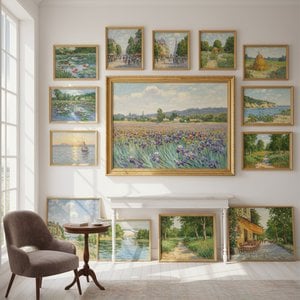
A 10 legikonikus impresszionista tájkép: Művészeti remekművek otthonába – ArtsDot.com
Fedezze fel a 10 legikonikus impresszionista tájkép festményt! Monet, Renoir és más mesterek alkotásainak története. Olajfestmények, vászonképek otthonába – ArtsDot.com kínálatából. Explore the full collection online!

Renoir Mesterek: A 25 Leglenyűgözőbb Kép a Francia Impresszionizmus Gyöngyszemeiből | ArtsDot
Fedezze fel Pierre-Auguste Renoir 25 legszebb művét! Ismerje meg az impresszionizmus gyöngyszemeit, a színek és fény játékát. Vásároljon exkluzív Renoir reprodukciókat otthonába a ArtsDot.com kínálatából – minőségi faliképek és inspiráló dekoráció.


