
- Főoldal

- Olajfestmény reprodukció
- chaim gross
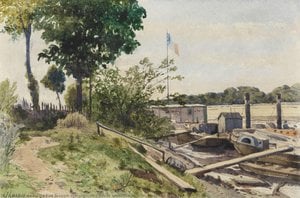
- Squatters

 Nyomat vásárlása Kép letöltése
 Megosztás
 Megosztás
 Részletek
 Kedvencekhez ad

 Letöltés
 Hasonló alkotások
 X-ray felvétel
 Diavetítés
Squatters
 Impressionism
 1932
1932 19.0 x 34.0 cm
 Tovább olvasom
Kézzel készített olajfestmény reprodukció
Kézzel festett olajvastú vászon, az Ön által választott méretben és keretben, művészeink készítik meglévőre.




































Válasszon előre meghatározott méreteink közül, amelyek megfelelnek a műalkotás eredeti arányainak.

Ön megadhat saját méreteket egy adott kerethez vagy térhez igazításhoz. Ha a kiválasztott méret nem egyezik az eredeti kép arányával, akkor a műalkotást levágjuk, vagy további kézzel festett elemekkel meghosszabbítjuk a festményt. A gyártás megkezdése előtt küldünk Önnek egy digitális előnézetet jóváhagyásra.
Kérjük, vegye figyelembe, hogy a képernyőn megjelenő előnézet nem tükrözi a tényleges vágást vagy kiterjesztést. Csak az előnézet fog pontosan mutatni a végső kompozíciót.
Bár egyedi méretek állnak rendelkezésre, javasoljuk, hogy válasszon egy méretet az előre meghatározott listából az eredeti arányok megőrzése érdekében.
A rendelést követően a ArtsDot.com csapata e-mailt küld az ügyfélnek az instrukciókért, és biztosít egy előnézeti képet (mockup).
Világszerte elérhető szállítás () 3-4 hét alatt a szokásos 5 hét helyett. (23 július). A minőség nem kérdőjelezhető.

Ingyenes globális expressz szállítás

Prémium minőségű len vászon

Teljes szállítási biztosítás

Vámvisszatérítési Garancia

Tökéletes színpontosság garancia

60 napos visszaküldési lehetőség (csak gyártási hibák esetén)

100%-os pénzvisszatérítési garancia

Kedvezmény több termény esetén
 Az üvegkeretes opció csak 110 cm alatti méretben érhető el

Squatters
Reprodukciós technika
A reprodukció mérete
-


Összesített ár
-
Hasonló műalkotások


A művész életrajza
Chaim Gross: Sculptor of Emotion and Family
Chaim Gross (1902 – 1991) stands as a singular figure in American sculpture, recognized for his uncompromising approach to carving wood and bronze—a method he termed “direct carving.” Unlike many sculptors of his era who relied on molds or preparatory sketches, Gross meticulously shaped his figures from raw material, allowing the inherent qualities of the wood itself to inform the final form. This technique wasn’t merely stylistic; it represented a profound philosophical commitment to capturing the essence of human experience and familial bonds. Born in Brooklyn, New York, Gross's early life was marked by intellectual curiosity and a fascination with Jewish mysticism—Kabbalah—which profoundly shaped his artistic vision. He studied at Pratt Institute and later pursued postgraduate studies at Yale University under Josef Albers, absorbing influences from Bauhaus principles and exploring the intersection of abstraction and figuration. These formative experiences instilled in him a belief that art should strive for psychological depth and honesty. Gross’s sculptural output spanned decades, encompassing monumental works alongside intimate portraits. He consistently tackled themes of family—particularly mothers and daughters—often depicting figures intertwined in poses conveying tenderness, vulnerability, and unspoken emotion. His sculptures aren't simply representations of the human form; they are explorations of inner life, striving to convey feelings rather than merely replicating external appearances. Consider “Two Girls (11),” a poignant pencil drawing that exemplifies this dedication to capturing psychological nuance—a piece currently housed at the Smithsonian Institution. The delicate lines and subtle shading reveal Gross’s masterful ability to distill complex emotions onto paper. His artistic style evolved over time, moving from early Expressionist influences toward a more refined aesthetic characterized by organic forms and textured surfaces. However, his core conviction remained steadfast: sculpture should serve as a conduit for conveying profound human truths. Works like “Mother Playing,” completed in 1967, exemplify this commitment to capturing the palpable warmth of maternal love—a piece available for reproduction at ArtsDot.com. The artist’s meticulous attention to detail and his masterful manipulation of material contribute to an enduring impression of emotional resonance. Gross's legacy extends beyond his individual artworks. He championed a sculptural method that prioritized intuition and responsiveness to the material, rejecting academic conventions in favor of a more visceral engagement with artistic creation. Furthermore, he established the Chaim Gross Sculpture Studio in Rye Brook, New York, fostering a tradition of teaching and mentoring aspiring sculptors—a testament to his belief in the transformative power of art education. Ultimately, Chaim Gross remains an artist whose work continues to inspire contemplation on themes of family, emotion, and the enduring beauty of honest artistic expression.
chaim gross
1902 - 1991
Rövid tények
- Artistic Movement Or Style: Expressionism
- Artists Who Influenced This Artist:
- Henri Matisse
- Pablo Picasso
- Date Of Birth: 1902
- Date Of Death: 1991
- Full Name: Chaim Gross
- Nationality: American
- Notable Artworks:
- Untitled (2 reclining women)
- Two Girls ( 11)
- Mother Playing
- Place Of Birth: Vienna, Austria
Kapcsolódó cikkek

Edward Hopper 25 Mesterműve: A Modern Magány és a Fény Játékai – ArtsDot
Fedezze fel Edward Hopper 25 legikonikusabb művét! Ismerje meg a modern magány, a fény és árnyék mesterét. Vászonképek, nyomatok – magas minőségben a ArtsDot.com-on. Inspirálódjon otthoni dekorációjához!

Edwin Deakin: A Victorian Topographer's Vision of Landscape, Industry & Social Change
Explore the captivating world of Edwin Deakin, a Victorian artist who masterfully captured California's landscapes, Spanish missions & Chinatown. Discover his legacy and influence on art history.

Ephemeral Visions: Exploring the History & Emotional Resonance of Watercolor Painting
Explore the captivating history of watercolor painting, from ancient techniques to modern masters like Kandinsky & Blake. Discover essential artists, collecting tips & the emotional power of this luminous medium. Expert insights for art enthusiasts.
Ephemeral Visions: Exploring the Artistic Legacy & Nuances of Watercolor Painting
Explore the captivating world of watercolor painting! Discover its rich history, essential techniques, influential artists & collecting tips from art experts. A comprehensive guide for enthusiasts.

Ephemeral Echoes: Exploring the Aesthetic & Historical Significance of Vintage Watercolor Painting
Explore the captivating world of vintage watercolor painting! Discover its rich history, techniques, influential artists & collecting tips. Expert insights for enthusiasts and collectors at ArtsDot.

