


The picture follows your choices: , .
A gyűjtemény leírása
Discover 'The Alchemist' by Carl Spitzweg! A captivating black & white painting depicting an old alchemist at work, showcasing Biedermeier artistry and a touch of whimsical charm.
 Összes részlet megjelenítése
A művész életrajza
Fedezze fel Carl Spitzweg (1808-1885) munkásságát, a német romantika vezető képviselőjét! Élvezze bájos zsánerképeit, humoros ábrázolásait a mindennapi életről és ikonikus alkotásait, mint például "A szegény költő". Biedermeier stílus, 19. századi művészet.
Kézzel készített olajfestmény reprodukció
Kézzel festett olajvastú vászon, az Ön által választott méretben és keretben, művészeink készítik meglévőre. ( Váltás nyomtatványra Áttérés digitális képre)
More about this painting
 Megtekintés
 Küldés
 Megosztás
 Részletek
 Útmutató

 Letöltés
 Hasonló darabok
 X-ray felvétel
 Diavetítés
 Q&A
Q&A Statisztika
Order your painting in four simple steps
Take your time. You can change any answer; the price in your order card follows each choice.
1 Step one of four
Which size would you like?
These sizes keep the proportions of the original painting. The drawing shows your choice on a wall, above a two-metre sofa.
Or give your own measurements
Válasszon előre meghatározott méreteink közül, amelyek megfelelnek a műalkotás eredeti arányainak.

Írja be a kívánt szélességet és magasságot, hogy illeszkedjen a keretéhez vagy a falához. Mivel ez kézzel festett alkotás, egy eltérő formájú méret esetén a művész akár festhet is valamivel többet a kép körül, vagy korolathat is belőle — az Ön döntésének megfelelően. A festés megkezdése előtt küldünk egy digitális tervezetet jóváhagyásra. Az oldalon látható kép nem tartalmazza a végeredményt — csak a tervezet mutatja meg a valódi eredményt.
2 Step two of four
How should it be prepared: rolled, stretched or framed?
The prices below are for the size you chose in step one.
Choose the edges of the stretched canvas
Choose your frame

White Ft1

Blurside Ft1

Extended Ft1

P118B Ft10

P118H Ft10

P118W Ft10

P438Z Ft10

P508JH Ft12

P508YH Ft12

P805H Ft10

P805Z Ft10

P919BZ Ft10

P919G Ft10

P919XJ Ft10

P959ZH Ft10

P968JZ Ft12

W106C Ft8

W218G Ft10

W218JH Ft8

W218Y Ft10

W307PJ Ft10

W316G Ft10

W316PJ Ft8

W316Y Ft10

W398PJ Ft8

W4111J Ft10

W500HY Ft15

W500JH Ft15

W692G Ft12

W849H Ft8

W940BG Ft15

W953PJ Ft8

H24-GOLD Ft30

H24-SILVER Ft30

H36-GOLD Ft45

H36-SILVER Ft45
Keretezett
Moulding: . Overall size with the frame: .
3 Step three of four
Would you like anything changed in the painting?
Most people answer no. Because each painting is made by hand, our artist can also adapt it for you.
After order, ArtsDot.com team will email client for instructions and provide a mockup preview
4 Step four of four
A few finishing options
All of them are optional. The answers already selected cost nothing extra.
Who paints it?
Világszerte elérhető szállítás () 3-4 hét alatt a szokásos 5 hét helyett. (30 október). A minőség nem kérdőjelezhető.
A nameplate, as in a museum?
A gravírozott bronztábla részletei
This elegant plaque features the artist's name and the title of the artwork, finely engraved for a timeless presentation.
It is made from bronze with a refined, elegant finish. The text is precisely laser-engraved for a sharp and permanent result. Measuring 9x2 cm, the plaque is compact yet easy to read. It's built to be durable and scratch-resistant, offering a professional, museum-quality look. Mounting is simple thanks to the included adhesive backing.
Átlátszó akril tábla részletei
The plaque includes essential engraved details such as the artist's name, the title of the artwork, the date it was created, the type of media used-like oil on canvas or watercolor-a brief description of the piece, and a QR code that links to the complete artwork information.
It is crafted from clear acrylic, offering a sleek, modern appearance. The text is UV-engraved in black to ensure strong visual contrast. With a size of 10x15 cm, it ensures optimal readability. It comes equipped with two metal hooks for secure wall mounting. The plaque is designed to be weather-resistant, making it suitable for various environments, and it includes interactive features that work seamlessly with smartphone scanning.
Fekete akril tábla részletei
This elegant plaque includes engraved information such as the artist's name, the title of the artwork, the date it was created, the type of media used (like oil on canvas or watercolor), a short description of the artwork, and a QR code for quick access to more information.
The plaque itself is made from refined black acrylic with a premium finish. The text is laser-engraved in white for high contrast and readability. Its size is 10x15 cm, designed to be easy to read. It comes with two metal hooks for professional mounting. The design is sleek and fits any interior style. It is also weather-resistant and durable, with built-in digital integration for mobile compatibility.
A protective varnish?
When do you need it?
✓ Check and order
Your painting, as you ordered it

The Alchemist
Reprodukciós technika
Reprodukció mérete
-

Kiváló mesterművész
Nagyobb részletesség, finomság és bővített gyártási idő
-

Reprodukció keretezése
-
-
A bármely oldalsó méretét túlszálaló 105 cm (kb. 41 hüvelyk) meghaladó műalkotások vagy reprodukciók esetében a keret összeszerelhető készletként, szétszerelve kerül szállításra. Ez a módszer biztosítja a biztonságos szállítást, és megakadályozza a szállítás során fellépő sérüléseket.
Szakmész összeszerelést igényel – ez nem DIY (önösszeszerelhető) termék.
A készletet egy tapasztalt keretező szakembernek kell összeszerelnie és a vásznat feszítenie kell, fa ragasztó (nem tartalmazza a csomag), vásznfeszítő fogó és szorítók használatával, amelyek a ragasztó száradásáig a keretrészeket egymáshoz vuôngjba tartják. A helytelen összeszerelés vagy a nem egyenletes vásznfeszítés maradandó károsíthatja a műalkotást, és ez nem része a garanciánknak.
 A bármely oldalsó méretét túlszálaló 105 cm (kb. 41 hüvelyk) meghaladó műalkotások vagy reprodukciók esetében a keret összeszerelhető készletként, szétszerelve kerül szállításra. Ez a módszer biztosítja a biztonságos szállítást, és megakadályozza a szállítás során fellépő sérüléseket.
A készlet tartalmazza az összes tömörfa rudat, pontosan méretre vágva.
A mellékelt csavarokkal, valamint a sarokszerekhez szükséges faütő ragasztóval kell összeszerelnie (ez nem tartalmazható a csomagban), így a keretrendezőnek külön kell beszereznie.
A csomag nem tartalmazza a szükséges professzionális eszközöket: egy vászonfeszítőt és klipseket a rácsok vízszintes tartásához a ragasztó megszáradásáig.
Fontos:
A sarokcsatlakozásokhoz fánylagra van szükség, a keretrudakat szorítókapcsokkal kell rögzíteni, amíg a rag teljesen meg nem szárad, a kész keretre feszített vászonhoz pedig vászonfeszítő fogat szükséges. Ezek egyike sem található meg a készletben. Kérjük, rendelés előtt győződjön meg róla, hogy rendelkezik tapasztalt keretező szakemberrel.

Névtábla
-
-

Védőréteg (Lakk)
Fényes lakk (intenzívabb színek, védelem a fény és a nedvesség hatása ellen)
-

Műalkotásom egyedi igényre szabása
Példák a módosíthatóságra: az arc kicserélése az ügyfél fotójára; háziállat hozzáadása (pl. macska helyett kutya); rejtett üzenet elhelyezése a háttérben; a háttér tájainak vagy elemeinek megváltoztatása.
-

Sürgős
Világszerte szóló szállítás () mindössze 3-4 hét alatt, a szokásos 5 hét helyett. (30 október). A minőség nem kérdőjelezhető.
-
Express szállítás
Világszerte elérhető szállítás területre 5 héten belül. (6 november).
A szállítás díja tartalmazza
Összesített ár
Ft 85993
Az üvegkeretes opció csak 110 cm alatti méretben érhető el
Included with every order
- Ingyenes globális expressz szállítás
- Prémium minőségű len vászon
- Teljes körű szállítási biztosítás
- Vámvisszatérítési Garancia
- Hiteles színarányosság garancia
- 100 napos visszaküldési lehetőség (csak hibás termékek esetén)
- 100% pénzvisszatérítési garancia
- Több darab vásárlásakor kedvezmény


A Glimpse into the Soul of a Biedermeier Master
Carl Spitzweg’s “The Alchemist,” painted circa 1860, isn't merely a depiction of an old man amidst alchemical apparatus; it’s a carefully constructed tableau brimming with quiet observation and subtle social commentary. Born in the Bavarian village of Unterpfaffenhofen, Spitzweg’s artistic journey was initially dictated by familial expectations – a path toward pharmacy rather than brushstrokes. Yet, a sudden illness ignited within him a passion for painting, one that he nurtured through diligent study of Flemish masters, absorbing their meticulous detail and atmospheric depth. “The Alchemist” embodies this early influence, showcasing a mastery of light and shadow, characteristic of the Biedermeier style – a movement defined by its intimate scenes of everyday life, often imbued with a gentle melancholy and a focus on domestic interiors.
A Study in Atmosphere: Technique and Composition
Spitzweg’s technique is deceptively simple, yet profoundly effective. He employs a muted palette of browns, greys, and ochres, creating an atmosphere of subdued warmth within the dimly lit attic space. The painting's composition draws the eye immediately to the central figure – the alchemist himself – a man lost in his work, oblivious to the world around him. The arrangement of objects—the copper kettle, the glass globe, the long pipe—is meticulously rendered, suggesting both functionality and a hint of arcane mystery. Notice how Spitzweg utilizes chiaroscuro, contrasting areas of light and shadow, to sculpt the forms and create a sense of depth within the confined space. The placement of the large window, partially obscured by the apparatus, allows a sliver of golden light to penetrate the darkness, illuminating the alchemist’s face and hinting at the potential rewards—or dangers—of his pursuit.
Decoding the Symbolism: Beyond the Surface
“The Alchemist” is more than just a portrait; it's a subtle critique of societal priorities. The alchemist, absorbed in his solitary work, represents a retreat from the concerns of the outside world – a deliberate choice to prioritize intellectual pursuits over social engagement. His attire—a simple, almost monastic robe—further emphasizes this detachment. The partially cut oven and copper kettle evoke images of alchemy, but also suggest a process of transformation, hinting at the alchemist’s desire to manipulate matter and perhaps even achieve immortality. The inclusion of the clock on the wall serves as a poignant reminder of time passing, a subtle commentary on the fleeting nature of earthly pursuits.
Historical Context: Biedermeier and the Spirit of Observation
Painted in 1860, “The Alchemist” reflects the broader cultural landscape of the Biedermeier era. Following the upheavals of the Napoleonic Wars, Europe experienced a period of relative stability and conservative sentiment. The Biedermeier style emerged as a reaction against the grandiosity of Neoclassicism and Romanticism, favoring intimate scenes of everyday life and focusing on the domestic sphere. Spitzweg’s work embodies this spirit of observation, capturing the quiet dignity and understated charm of ordinary people. His paintings offer a glimpse into the lives of merchants, artisans, and intellectuals—individuals who sought solace and meaning within their own worlds.
A Timeless Masterpiece: Reproduction and Inspiration
“The Alchemist” remains a captivating work of art, offering endless possibilities for interpretation. Its evocative atmosphere, meticulous detail, and subtle symbolism continue to resonate with viewers today. Reproductions, such as the high-quality Giclée prints available through reputable sources, allow us to appreciate Spitzweg’s artistry in our own homes, bringing a touch of quiet contemplation and historical charm to any space. Consider how this painting's themes of introspection, pursuit of knowledge, and detachment from worldly concerns can inform interior design choices – creating spaces that foster both productivity and serenity.
Kérdések és válaszok
Melyik helyiségbe illik jól a "The Alchemist" reprodukciója az otthonunkban?
A „The Alchemist”, Carl Spitzweg alkotása számára a javasolt helyszín egy Living Room. Természetesen ez az ajánlás az Ön belső terehez is igazítható.
Milyen hangulatot áraszt a "The Alchemist"?
A "The Alchemist" Romantic hangulatú.
Milyen felhasználásra ajánlott a "The Alchemist" nyomata?
A „The Alchemist” nyomtatvány ajánlott felhasználása: Statement.
Hasonló műalkotások


Carl Spitzweg
1808 - 1885, Németország
A művész életrajza
Carl Spitzweg élete és művészete: A finom megfigyelés világa
Carl Spitzweg, akinek útja a hírnévig nem volt zökkenőmentes, 1808. február 5-én született Unterpfaffenhofenben, München közelében. Kezdetben egy gyakorlatias életet szántak neki – apja kívánságára gyógyszerészinas lett –, de a betegség és a felépülés során rejtett festészeti szenvedélye virágba borult. Ez nem volt hirtelen átalakulás, hanem egy fokozatos fejlődés, melyet a flamand mesterek műveinek másolása táplált, azok aprólékos részleteit és atmoszféráját szívta magába. Az első években apja terveihez való engedelmesség jellemezte az életét, de még a gyógyszerészeti tanulmányok keretein belül is megmaradtak művészi hajlamai, melyek egy kreatív kifejezésre vágyó lelket jeleztek. Családja anyagi jólétben élt; apja, Simon Spitzweg, sikeres kereskedő, és anyja, Franziska Schmutzer, tehetős családból származott, stabil alapot biztosítottak számára, bár kezdetben talán nem értették meg fiuk művészi törekvéseit. Az öröksége később kulcsfontosságúvá vált, lehetővé téve számára, hogy 1833-tól teljes egészében a festészetnek szentelje magát.A gyógyszertárból a palettára: Egyedi művészi hang fejlesztése
Spitzweg önoktatása kulcsfontosságú volt sajátos stílusának kialakításában. Nem kötötte semmilyen akadémiai korlátozás, vagy az uralkodó történelmi festészet trendjei, hanem a maga útját járta, a hétköznapi emberek életére koncentrálva finom humorral és éles megfigyelőkészséggel. Európán keresztül tett utazásai – Prágába, Velencébe, Párizsba, Londonba és Belgiumba – nem csupán városnéző túrák voltak, hanem a fény, a szín és az emberi karakter mélyreható tanulmányozása. Ezek az utazások tágították művészi látókörét, de továbbra is gyökerezett a biedermeier esztétikában, egy olyan stílusban, amelyet intimitás, otthonosság és a polgári életre való összpontosítás jellemez. Befolyást gyakoroltak rá a holland aranykor festői, mint Nicolaes Berchem és Gonzales Coques, ami látható az aprólékos részletességére és a meleg, földszínek használatára való hajlamában. Azonban Spitzweg nem egyszerűen utánozott; ezeket a befolyásokat valami egyedülállóvá ötvözte – a realizmus, a fantázia és a finom irónia keverékét, amely megragadta kora szellemét. Későbbi hozzájárulása szatirikus magazinokhoz élesítette képességét, hogy összetett megfigyeléseket tömör, vizuálisan vonzó narratívákba sűrítsje.A biedermeier varázsa: Témák és technikák
Spitzweg festményei ablakok egy elmúlt korra, ábrázolva a 19. századi német élet pillanatait elbájoló varázzsal. Kiválóan ábrázolta az excentrikus karaktereket – a könyvmoly elmerülve tanulmányában, a hipochondriás szorongásoktól fogva, a pillangóvadász szenvedélyesen kergető –, olyan egyéneket, akik az emberi természet sajátosságait és sérülékenységét testesítik meg. Ezek nem karikatúrák voltak, amelyek gúnyolódni akartak, hanem szeretetteljes portrék, amelyek az egyéniséget ünnepelték. A szegény költő, talán leghíresebb műve, példázza ezt a megközelítést; megható ábrázolása a magányról és a szellemi szenvedélyről, figyelemre méltó érzékenységgel megfestve. Technikája az aprólékos részletesség, a finom ecsetkezek és a fény és árnyék mesteri használatát jellemzi a hangulat és a légkör megteremtése érdekében. Nem drámai narratívákra vagy nagyszabású gesztusokra törekedett; ehelyett szépséget és jelentést talált a mindennapokban, emelve a hétköznapi jeleneteket művészet szintre. Festményei nem csupán a valóság ábrázolásai, hanem értelmezések, melyekbe saját finom humora és empatikus megértése van beágyazva.Hagyaték és tartós vonzereje
Carl Spitzweg hatása túlmutat a 19. századi német festészet határain. Bár gyakran figyelmen kívül hagyják a mainstream művészettörténeti narratívákban, munkája generációk művészeit és nézőit egyaránt lenyűgözte. Képessége, hogy humorral és együttérzéssel ragadja meg a hétköznapi élet lényegét, továbbra is elbűvöli a közönséget ma is. A pillangóvadász és Az apácaiskola kirándulása című festmények tartós népszerűsége tanúskodik időtálló vonzerejükről. Spitzweg örökségét Norman Rockwell munkájában is felismerhetjük, aki a A szegény költőnek adózott saját változatával. Festményei kiemelkedő múzeumokban és gyűjteményekben találhatók világszerte, beleértve a müncheni Schackgaleriét és az ausztriai Wolfgang-gurlitt-múzeumot, biztosítva, hogy művészi látásmódja továbbra is inspiráljon és örömet okozzon az elkövetkező években. 1885. szeptember 23-án hunyt el, maga mögött gazdag életművet hagyva – több mint 1500 festményt és rajzot –, amely egyedülálló tehetségének és a művészet világához való tartós hozzájárulásának bizonyítéka.


Kapcsolódó cikkek
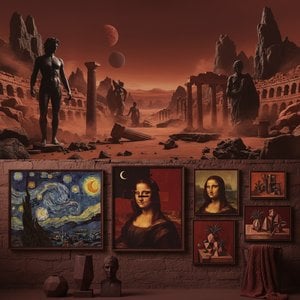
A sötét szépség: 10 híres festmény a 'Mars Black' árnyalataiban | ArtsDot
Fedezze fel a 10 leghíresebb festményt, melyeket a 'Mars Black' mély árnyalatai dominálnak! Rembrandt, Goya és Picasso remekművei – történetük, technikájuk és időtlenségük. Múzeumi minőségű művészeti reprodukciók otthonába. Fedezze fel a teljes gyűjteményt a ArtsDot.com-on!

A Fekete Szín Mesterei: 10 Híres Festmény, Amelyek Elvarázsolnak – ArtsDot.com
Fedezze fel a 10 leghíresebb, fekete tónusú festményt! Rembrandt, Goya és Manet remekművei elvarázsolják. Művészettörténet, inspiráció otthonába – ArtsDot.com kínálatából. Fedezze fel a teljes gyűjteményt online!
The Subtleties of White: Exploring Absence, Light & Symbolism in Art History
Explore the profound symbolism & history of white in art! From ancient purity to modern abstraction, discover how artists have used absence & light. Expert insights from ArtsDot.