


 Előnézet
 Megosztás
 Megosztás
 Részletek
 Útmutató

 Letöltés
 Hasonló darabok
 X-ray felvétel
 Diavetítés
 Statisztika
Vénusz és Mars
 Olajfestmény vászonon
- Falfeliratok és faldekoráció
- Early Renaissance
 1483
1483- Reneszánsz
 69.0 x 173.0 cm
 Nemzeti Képtár (London)
 Tovább olvasom
Giclée / Műnyomat
Múzeumi minőségű giclée vagy vászonnyomat, gyors gyártással és rugalmas finomítási lehetőségekkel. ( Kézzel festett másolat vásárlása Áttérés digitális képre)




P118B Ft10

P118H Ft10

P118W Ft10

P438Z Ft10

P508JH Ft12

P508YH Ft12

P805H Ft10

P805Z Ft10

P919BZ Ft10

P919G Ft10

P919XJ Ft10

P959ZH Ft10

P968JZ Ft12

W106C Ft8

W218G Ft10

W218JH Ft8

W218Y Ft10

W307PJ Ft10

W316G Ft10

W316PJ Ft8

W316Y Ft10

W398PJ Ft8

W4111J Ft10

W500HY Ft15

W500JH Ft15

W692G Ft12

W849H Ft8

W940BG Ft15

W953PJ Ft8




Válasszon előre meghatározott méreteink közül, amelyek megfelelnek a műalkotás eredeti arányainak.

Írja be a keretének vagy a falának megfelelő szélességet és magasságot. A nyomatot csak le lehet vágni, soha nem tehető nagyobbá, mint az eredeti kép, így egy eltérő alakú méretnél a kép egy része elveszik. Mielőtt bármit kinyatintanánk, küldünk egy digitális próbamodellt jóváhagyásra. Az oldalon látható kép nem tartalmazza a valós levágást — ezt csak a próbamodell mutatja meg.
Világszerte történő kiszállítás területére mindössze 2 hét alatt, a szokásos 4-5 hét helyett. (21 október)

Ingyenes globális expressz szállítás

Prémium minőségű len vászon

Teljes körű szállítási biztosítás

Vámvisszatérítési Garancia

Tökéletes színarányosság garancia

100 napos visszaküldési garancia (csak gyártási hibás termékek esetén)

100% pénzvisszatérítési garancia

Több darab vásárlásakor kedvezmény
 Az üvegkeretes opció csak 110 cm alatti méretben érhető el

Vénusz és Mars
Giclée / Műnyomat
Reprodukció méretei
-


Összesített ár
Ft 19590
Sandro Botticelli és a Szerelmes Háború: A "Venus és Mars" Mesterpéce
Sandro Botticelli, a reneszánszi Firenze egyik legkiemelkedőbb festőművésze, 1483-ban alkotott meg a "Venus és Mars" című, lenyűgöző művét. Ez a festmény nem csupán egy klasszikus mitológiai jelenet ábrázolása, hanem Botticelli egyedi stílusának, a szépség, a szerelem és a harc közötti örök küzdelem szimbolikus kifejezésének is. A kép a görög istennő, Venus (Afrodité) és az isten háború, Mars (Ares) között zajló, titokzatos találkozását jeleníti meg, egy olyan dinamikus interakciót, amely a művész gondolatait és érzéseit tükrözi.
Botticelli stílusa a késő gotikai és az korai reneszánsz között helyezkedik el. A festményben a vonalok eleganciája, a részletekre való odafigyelés és a harmonikus kompozíció egyaránt kiemelkedő. Botticelli mesteresen használta a tempera technikát panelon, ami lehetővé tette a precíz felvonásokat és a gazdag színek használatát. A festményben a finom részletekre való odafigyelés, a fények és árnyékok játékai mind hozzájárulnak ahhoz, hogy a néző teljesen elmerüljön a jelenetben.
A Szimbolizmus Rejtélyei
A "Venus és Mars" rendkívül gazdag szimbolikával rendelkezik. Venus a szerelem és szépség istennője, míg Mars a harcisten. A festményük együttélése az örök küzdelem jelképe, amely a szeretet és a háború közötti konfliktust mutatja be. A luxus szőnyegek, a bonyolult minták és a részletes textúrák mind hozzájárulnak a jelenet opulens hangulatához. A háttérben megjelenő kisebb alakok pedig további narratív rétegeket adnak a művész gondolataival.
Egy különleges elem a festmény, egy gyermek, aki páncélban látható. Szimbolikusan a harcok sebezhetősége vagy a szeretet védelemre szándékozó ereje lehet. A virágok, a csillagok és a levelek is fontos szimbólumok, amelyek a termékenységet, a szépséget és az életet jelképezik. Botticelli gondosan válogatta meg minden elemet, hogy a műve egyedülállóan kifejezze a reneszánsz eszméit.
Érzelmi Hatás és Történeti Kontekstus
A "Venus és Mars" nyugodt és szenvedélyes hangulatot sugall, a festők ábrázolása pedig egy pihenés vagy elmélkedés pillanatát idézi meg. A meleg színpaletta, amelyben dominálnak a vörös, arany és barna tónusok, opulens és nagyszerű hangulatot teremt. A lágy fények és árnyékok mélységet és realisztikus hatást kölcsönöznek a jelenetnek, arra ösztönizve a nézőt, hogy elmerüljön a művész érzelmi üzenetében.
A festmény a reneszánsz korának kulturális és művészi ideáljait tükrözi. Botticelli műve eleinte árnyékba merült, de a kilencvenes években a Pre-Raphaelites új életre keltették. Ma már "Venus és Mars" egyaránt a művészművek kedvelt témája, és a reneszánsz művészet egyik legfontosabb darabjának számít. A festmény mérete 69 x 173 cm, és 1483-ban készült.
Technikai Mestermű
Botticelli olasz reneszánszi mestere volt, aki a tempera technikát mesteri szinten alkalmazta. A festményben a finom felvonások, a részletes textúrák és a fények játékai mind hozzájárulnak ahhoz, hogy a művész gondolatait és érzéseit kifejezze. A festő a színek használatában is kiemelkedően ügyes volt, és a gazdag, opulens színpaletta egyedülállóan vonzza a nézőt.
- Olajfestmény
- Paneltechnika
- Tempera
A "Venus és Mars" egy igazi mestermű, amely Botticelli művészete legkiemelkedőbb alkotásai közé tartozik. A festmény a reneszánsz korának szépségét, szerelemét és harcát ünnepli, és örök élvezetet nyújt minden nézőnek.
Gyakran Ismételt Kérdések
Hová sorolható a "Vénusz és Mars" Botticelli ismétlődő témái közé?
A "Vénusz és Mars" mythology, venus, mars, love, war, botticelli, renaissance, symbolism-t ábrázol, míg Botticelli dokumentált témái a classical antiquity, love-war duality, medici patronage, botticelli’s style, renaissance beauty. A kettő összevetése megmutatja, hogyan kapcsolódik ez a mű a művész megszokott motívumaihoz.
Honnan érkeznek „Vénusz és Mars”, Botticelli alkotása látogatói?
A „Vénusz és Mars”, Botticelli alkotása statisztikái a mű Statisztika oldalán érhetőek el: a mű havi látogatottsága, a művész alkotásainak megtekintése, valamint az utóbbi időszaki látogatók országos és nyelvi lebontása.
„Vénusz és Mars”, Botticelli alkotása színei tel愈tek vagy fakók?
A „Vénusz és Mars”, Botticelli alkotása alkotás Finom színtónusok telítettségű színekkel készült.
Hasonló műalkotások


A művész életrajza
Early Life and Florentine Beginnings
Sandro Botticelli, born Alessandro di Mariano di Vanni Filipepi around 1445 in Florence, Italy, emerged during a period of extraordinary cultural ferment—the Early Renaissance. His life was deeply rooted in the city’s artistic and social fabric; he never strayed far from his neighborhood of Ognissanti, a testament to both familial ties and the vibrant creative ecosystem that nurtured him. His father, Mariano Filipepi, initially a goldsmith and later a tanner, provided an early exposure to craftsmanship and meticulous detail—qualities that would profoundly influence Botticelli’s artistic approach. Though initial reports suggested training as a goldsmith, he soon found his calling under the tutelage of Fra Filippo Lippi, a leading painter of the time. This apprenticeship proved pivotal, immersing him in the techniques and aesthetics of the Florentine school while also connecting him to influential patrons like the Medici family. Botticelli’s nickname, ‘Botticelló,’ is believed to have originated from his small stature – a fitting description for the artist who would later create works of such monumental beauty.A Style Defined by Grace and Myth
Botticelli’s artistic style is instantly recognizable for its lyrical beauty, characterized by elegant linearity, flowing contours, and a delicate use of color. He masterfully bridged the gap between the late Gothic traditions and the burgeoning Renaissance aesthetic, absorbing influences from masters like Fra Angelico and Paolo Uccello yet forging a uniquely personal vision. His figures possess an ethereal quality, often depicted with elongated proportions and graceful poses that convey both serenity and a subtle melancholy. A defining feature of his work is the frequent incorporation of classical mythology—a reflection of the humanist interests sweeping through Renaissance Florence. He didn’t merely illustrate these ancient tales; he imbued them with new layers of meaning, exploring themes of love, beauty, and spiritual longing. Botticelli's technique was innovative for its time. He often employed a silverpoint drawing method underpainting his canvases, contributing to the luminosity and delicate detail seen in his finished works. His use of tempera paint allowed for precise rendering and vibrant colors, while his later experiments with oil paints broadened his expressive possibilities.Iconic Masterpieces and Artistic Development
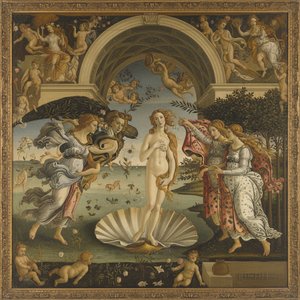
Botticelli’s legacy rests upon a handful of iconic paintings that continue to captivate audiences centuries later. The Birth of Venus, completed around 1486, stands as perhaps his most celebrated work—an allegorical depiction of the goddess emerging from a seashell, embodying Renaissance ideals of beauty and harmony. The painting’s graceful composition, delicate color palette, and evocative symbolism have made it an enduring symbol of the era. Equally renowned is Primavera, created around 1482, a complex and enigmatic painting celebrating spring and love, populated with symbolic figures drawn from classical mythology. These works showcase Botticelli’s mastery of composition, his ability to create atmospheric depth, and his profound understanding of human emotion. His early work often focused on religious subjects, honing his technical skills and establishing a reputation for skillful execution. The 1480s marked the peak of his creative powers, with the creation of these mythological masterpieces. However, the late 1490s witnessed a shift in his style, influenced by the fervent preaching of Girolamo Savonarola—a Dominican friar who condemned what he saw as the decadence and moral corruption of Florence. This period resulted in more austere and emotionally charged works, reflecting a growing spiritual intensity.Historical Significance and Rediscovery
Following his death in 1510, Botticelli’s reputation gradually faded into obscurity. For nearly three centuries, his work was largely forgotten, overshadowed by the achievements of High Renaissance masters like Leonardo da Vinci and Michelangelo. However, a remarkable rediscovery occurred in the late 19th century with the rise of the Pre-Raphaelite Brotherhood—a group of English artists who rejected academic conventions and sought inspiration in the art of the early Italian Renaissance. They were captivated by Botticelli’s linear grace, vibrant colors, and poetic sensibility, recognizing him as a kindred spirit. This renewed appreciation sparked a widespread reassessment of his work, establishing him as one of the most important artists of the Early Renaissance. Today, Botticelli is celebrated for his unique artistic vision, his masterful technique, and his enduring ability to evoke beauty, emotion, and spiritual contemplation. His influence can be seen in subsequent generations of artists who have sought to capture the same sense of grace and elegance in their own work. He remains a symbol of Florentine artistic achievement and a testament to the power of Renaissance humanism.Major Works
- The Birth of Venus (c. 1486): An iconic depiction embodying Renaissance ideals of beauty.
- Primavera (c. 1482): A complex allegorical painting celebrating spring and love.
- Adoration of the Magi (1475-1476): Demonstrates early mastery of composition and perspective.
- Mystic Nativity (1501): Reflects a shift towards spiritual themes in his later career.

Botticelli
1445 - 1510 , Olaszország
Gyors információk
- Artistic Movement Or Style: Korai reneszánsza
- Artists Or Movements Influenced By This Artist: ['Pre-Raffaellit']
- Artists Who Influenced This Artist:
- Fra Filippo Lippi
- Paolo Uccello
- Date Of Birth: 1445 körül
- Date Of Death: 1510
- Full Name: Alessandro di Mariano Filipepi
- Nationality: Olasz
- Notable Artworks:
- Születés Zeppirinnél
- Tavasz
- Szentek imádása
- Place Of Birth: Firenze, Olaszország
Kapcsolódó cikkek

A művészettörténet 10 legikonikusabb tempera festménye – ArtsDot
Fedezze fel a művészettörténet 10 legjelentősebb tempera festményét! Giotto, Botticelli és más mesterek alkotásainak története – technikák, színek, inspiráció. Múzeumminőségű reprodukciók otthonába a ArtsDot-on. Explore the full collection online!

A Neoklasszicizmus 10 Mesterműve: Klasszikus Stílusú Festmények és Dekorációk a ArtsDot-on
Fedezze fel a neoklasszicizmus 10 legikonikusabb műalkotását! Jacques-Louis David, Ingres és más mesterek klasszikus festményeinek története. Vászonképek, faliképek - inspirálja otthonát ArtsDot.com kínálatával! Fedezze fel a teljes gyűjteményt online.

Echoes of Olympus: Mythological Narratives in Western Art Through the Ages
Explore the captivating history of mythological narratives in Western art! From ancient Greece to modern masterpieces, discover iconic artworks & symbolism. Expert analysis and high-quality reproductions at ArtsDot.
Botticelli Mesterművek: A 25 Leglenyűgözőbb Kép a Reneszánsz Gyöngyszemeiből | ArtsDot
Fedezze fel Sandro Botticelli 25 legpazarabb műalkotását! Merüljön el a reneszánsz festészet világában, ismerje meg a Primavera és Vénusz születése történetét. Museum-minőségű reprodukciók és inspiráló dekorációs ötletek a ArtsDot.com oldalon.

A Reneszánsz Korai Gyöngyszemei: 10 Mestermű, Ami Megváltoztatta a Világot
Fedezze fel a korai reneszánsz 10 legikonikusabb műalkotását! Leonardo, Michelangelo és Botticelli remekművei elmesélnek egy új korszak történetét. Vászonképek, faliképek – inspirálódjon ArtsDot.com-on!


