

 Megtekintés
 Küldés
 Megosztás
 Részletek
 Útmutató

 Letöltés
 Hasonló darabok
 X-ray felvétel
 Diavetítés
 Kérdések és válaszok
 Statisztika
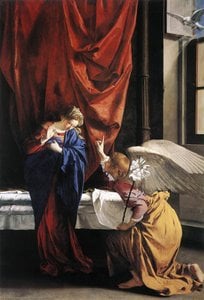
The Annunciation

- 145.0 x 120.0 cm


 Összes részlet megjelenítése
Giclée / Műnyomat
Múzeumi minőségű giclée vagy vászonnyomat, gyors gyártással és rugalmas finomítási lehetőségekkel. ( Kézzel festett másolat rendelése Áttérés digitális képre)




P118B Ft10

P118H Ft10

P118W Ft10

P438Z Ft10

P508JH Ft12

P508YH Ft12

P805H Ft10

P805Z Ft10

P919BZ Ft10

P919G Ft10

P919XJ Ft10

P959ZH Ft10

P968JZ Ft12

W106C Ft8

W218G Ft10

W218JH Ft8

W218Y Ft10

W307PJ Ft10

W316G Ft10

W316PJ Ft8

W316Y Ft10

W398PJ Ft8

W4111J Ft10

W500HY Ft15

W500JH Ft15

W692G Ft12

W849H Ft8

W940BG Ft15

W953PJ Ft8




Válasszon előre meghatározott méreteink közül, amelyek megfelelnek a műalkotás eredeti arányainak.

Írja be a keretének vagy a falának megfelelő szélességet és magasságot. A nyomatot csak le lehet vágni, soha nem tehető nagyobbá, mint az eredeti kép, így egy eltérő alakú méretnél a kép egy része elveszik. Mielőtt bármit kinyatintanánk, küldünk egy digitális próbamodellt jóváhagyásra. Az oldalon látható kép nem tartalmazza a valós levágást — ezt csak a próbamodell mutatja meg.
Világszerte történő kiszállítás területére mindössze 2 hét alatt, a szokásos 4-5 hét helyett. (17 november)

Ingyenes globális expressz szállítás

Prémium minőségű len vászon

Teljes körű szállítási biztosítás

Vámvisszatérítési Garancia

Hiteles színarányosság garancia

100 napos visszaküldési lehetőség (csak hibás termékek esetén)

100% pénzvisszatérítési garancia

Több darab vásárlásakor kedvezmény
 Az üvegkeretes opció csak 110 cm alatti méretben érhető el

The Annunciation
Giclée / Műnyomat
Reprodukció mérete
-


Összesített ár
Ft 20381
The Divine Encounter: An Examination of The Annunciation
To stand before this depiction of The Annunciation is to step across the threshold into a moment suspended between the earthly and the divine. Bernardo Strozzi, master of the Italian Baroque, has captured not merely an event, but a profound spiritual resonance. The scene unfolds with breathtaking narrative tension: the Virgin Mary, poised in contemplation, receiving the monumental news that will alter the course of human history. Her gentle focus upon the book she holds suggests a life already steeped in sacred knowledge, grounding the miraculous within the realm of scholarly devotion.
The composition is richly populated, drawing the viewer into its intimate drama. The angel, an embodiment of celestial messenger, extends his hand with palpable grace toward Mary. This gesture is more than mere communication; it is a conduit for divine will, rendered with Strozzi’s characteristic dramatic flair. Observe the surrounding figures—those witnesses on either side—whose varied gazes and postures serve to amplify the gravity of the moment, creating a vibrant tapestry of human reaction to the sublime.
Baroque Drama and Venetian Light
Painted in 1643, this work sits squarely within the heart of the Baroque period, an era defined by emotional intensity, dramatic movement, and heightened theatricality. Strozzi, whose career saw him traverse Genoa and ultimately flourish in Venice, masterfully employs the techniques that characterize this style. While his early training provided a solid foundation, it is here that his mature handling of light and shadow—the very essence of Baroque drama—shines through. The interplay between illuminated skin tones and the deeper, more shadowed folds of drapery gives the scene an almost tangible dimensionality.
The technique itself speaks to skilled craftsmanship. Strozzi’s ability to render textures—from the soft fall of Mary's garments to the implied sheen on the angel's robes—is remarkable. It is a painting that demands close viewing, rewarding the observer with details that reveal layers of artistic intention.
Symbolism Woven into Sacred Space
Every element within this canvas seems imbued with symbolic weight. The book Mary studies represents scripture and divine law, suggesting that her acceptance of God's plan is an act both miraculous and intellectually understood. The presence of the decorative object near the bottom right corner, perhaps a vase or altar piece, anchors the sacred narrative within a recognizable, richly furnished domestic or chapel setting. These details prevent the scene from feeling purely ethereal; instead, they root the divine mystery in a tangible, beautiful reality.
The overall emotional impact is one of hushed awe. It is not the bombast of pure ecstasy, but rather the profound quietude that follows revelation—a moment where the soul stills itself before the infinite. This balance between dramatic action and serene contemplation makes it endlessly captivating to the modern eye.
A Statement for the Collector's Space
For those seeking an artwork that transcends mere decoration, this reproduction offers a window into Counter-Reformation spirituality rendered with unparalleled artistic vigor. Its scale (145 x 120 cm) allows it to command attention in a grand hall or a richly appointed study, serving as the focal point for contemplation. Owning a piece echoing Strozzi’s genius means acquiring not just pigment on canvas, but a narrative of faith, drama, and masterful technique—a timeless conversation starter that speaks volumes about an appreciation for history's greatest artistic achievements.
Kérdések és válaszok
Milyen helyet foglal el a művészettörténelemben a "The Annunciation"?
A „The Annunciation”, Bernardo Strozzi alkotása a Baroque irányzat alkotása, a Early Modern korszakból. Ezek együtt adják meg a mű helyét a művészettörténetben.
Hol találhatok olyan műalkotásokat, amelyek hasonlóak a(z) „The Annunciation”, Bernardo Strozzi alkotása alkotáshoz?
A "The Annunciation" alkotással hasonló művek a festmény Hasonló alkotások oldalán találhatók.
A „The Annunciation” Bernardo Strozzi pályájának mely szakaszát képviseli?
A "The Annunciation" Bernardo Strozzi alkotói pályájának Later work in Venice szakaszát képviseli.
Hasonló műalkotások




A művész életrajza
korai élet és képzés
Bernardo Strozzi, más néven il cappuccino vagy il prete genovese, az olasz barokk korszak egyik legkiemelkedőbb festője és metszője volt, aki 1581-ben született Génovában, Olaszországban. Művészete alapjai egy kisebb rangú génovai festő, Cesare Corte műtermében formálódtak; 1596-ig az ő irányítása alatt finomította készségeit. Később a sienai születésű, innovatív festő, Pietro Sorri műhelyéhez csatlakodott, aki Strozzi stílusát egy természetközelibb irány felé terelte.művészeti karrier
Strozzi pályafutása két meghatározó szakaszra osztható: a génovai korai évekre és a velenciában alkotott későbbi munkásságra. Génovában számos jelentős projektben vett részt, köztük a Doria család tagjai által megbízott freskók készítésében a San Domenico templom kórusába.- főbb alkotások:
- Szent Domonkos visãoja (paradicsom) (egy előkészítő olajfesték bozzetto a mennyezethez, amely a génovai Museo dell’Accademia Ligustica társaságban található)
- Doge Francesco Erizzo portréja (a velenciába érkezése után röviddel készült)
hatás és örökség
Strozzi erőteljes művészete, amelyet a gazdag színek és a széles, magabiztos ecsetvonások jellemznek, jelentős hatást gyakorolt a művészeti fejlődésre mind Génovában, mind Velencében. Őt a velenciei barokk stílus egyik legfőbb alapítójaként tekintik.- jelentős megbízói:
- Doge Francesco Erizzo
- Federico Baldissera, a velenciei patriarcha és katolikus kardinalsz
- kiemelt velenciei művészek, köztük Claudio Monteverdi és Barbara Strozzi
későbbi évek és halál
Strozzi későbbi éveit már mérnöki tevékenysége meghatározta. 1644-ben, Velencében hunyt el, sokszínű és prolific művész örökséget hagyva hátra. Tekintsen meg további alkotásokat a Bernardo Strozzi-ról az ArtsDot oldalán: [https://ArtsDot.com/@/bernardo-sterczi](https://ArtsDot.com/@/bernardo-strozzi) Fedezze fel az olaszországi Pinacoteca di Vicenza gyűjteményét, amely különböző korszakok és stílusok remekműveit tartalmazza: /hu/art/show/art-d3afpd-hu/
Bernardo Strozzi
1581 - 1644 , Olaszország
Rövid információk
- Artistic Movement Or Style: Barokk
- Artists Or Movements Influenced By This Artist: ['Velencei barokk']
- Artists Who Influenced This Artist:
- Cesare Corte
- Pietro Sorri
- Date Of Birth: 1581
- Date Of Death: 1644
- Full Name: Bernardo Strozzi
- Nationality: Olasz
- Notable Artworks:
- Szent Domonkos visãoja
- Erizzo dózs portréja
- Szent Lőrenc könybegyelővel
- Place Of Birth: Genoa, Olaszország
Kapcsolódó cikkek

Sacred Narratives: Decoding the Iconography and Artistry of the Annunciation
Explore the profound symbolism and mastery behind Renaissance Annunciation paintings. Discover the secrets of these sacred masterpieces now.

Mastering the Divine: The Top 25 Artworks by Duccio di Buoninsegna
Journey through the divine elegance of Duccio di Buoninsegna. Explore 25 iconic masterpieces of the Sienese School, from gold-leafed icons to humanized sacred narratives. Find museum-quality art reproductions and decor inspiration. Discover all masterpieces on ArtsDot.com.

A Hollandi Barokk 10 Mesterműve: Festmények, Amelyek Megváltoztatták a Világot | ArtsDot
Fedezze fel a holland barokk 10 legikonikusabb műalkotását! Rembrandt, Vermeer és más mesterek festményeinek története, technikája és időtálló szépsége. Művészeti reprodukciók prémium minőségben – ArtsDot.com.

Shadows of Piety: The Artistry of Prayer and Devotion in the Classical Canon
Explore the profound mastery of Baroque religious art through masters like Zurbarán. Journey into the divine with our expert guide.

Fra Angelico Mesterek: A 25 Legszebb Műalkotás a Lelki Békeért – ArtsDot.com
Fedezze fel Fra Angelico 25 legszebb műalkotását! Reneszánsz festmények, angyalok és spirituális ikonfestészet a firenzei iskola mesterétől. Vásároljon exkluzív olajfestmény reprodukciókat otthonába a ArtsDot.com-on. Explore the full collection online!
