


 Előnézet
 Megosztás
 Megosztás
 Részletek
 Útmutató

 Letöltés
 Hasonló darabok
 X-ray felvétel
 Diavetítés
 Statisztika
Untitled (DD2DKZ)


 Tovább olvasom
Kézzel készített olajfestmény reprodukció
Kézzel festett olajvastú vászon, az Ön által választott méretben és keretben, művészeink készítik meglévőre. ( Váltás nyomtatványra Áttérés digitális képre)




































Válasszon előre meghatározott méreteink közül, amelyek megfelelnek a műalkotás eredeti arányainak.

Ön megadhat saját méreteket egy adott kerethez vagy térhez igazításhoz. Ha a kiválasztott méret nem egyezik az eredeti kép arányával, akkor a műalkotást levágjuk, vagy további kézzel festett elemekkel meghosszabbítjuk a festményt. A gyártás megkezdése előtt küldünk Önnek egy digitális előnézetet jóváhagyásra.
Kérjük, vegye figyelembe, hogy a képernyőn megjelenő előnézet nem tükrözi a tényleges vágást vagy kiterjesztést. Csak az előnézet fog pontosan mutatni a végső kompozíciót.
Bár egyedi méretek állnak rendelkezésre, javasoljuk, hogy válasszon egy méretet az előre meghatározott listából az eredeti arányok megőrzése érdekében.
A rendelést követően a ArtsDot.com csapata e-mailt küld az ügyfélnek az instrukciókért, és biztosít egy előnézeti képet (mockup).
Világszerte elérhető szállítás () 3-4 hét alatt a szokásos 5 hét helyett. (26 szeptember). A minőség nem kérdőjelezhető.

Ingyenes globális expressz szállítás

Prémium minőségű len vászon

Teljes körű szállítási biztosítás

Vámvisszatérítési Garancia

Tökéletes színarányosság garancia

100 napos visszaküldési garancia (csak gyártási hibás termékek esetén)

100% pénzvisszatérítési garancia

Több darab vásárlásakor kedvezmény
 Az üvegkeretes opció csak 110 cm alatti méretben érhető el

Untitled (DD2DKZ)
Reprodukciós technika
Reprodukció méretei
-


Összesített ár
$ 263
Hasonló műalkotások


A művész életrajza
Ashikaga Yoshimitsu: A Life of Power and Patronage
Early Life and Ascension
- Ashikaga Yoshimitsu (September 25, 1358 – May 31, 1408) was the third shōgun of the Ashikaga shogunate, ruling Japan during the Muromachi period.
- Born in Kyoto as Haruō, he was the oldest surviving son of Ashikaga Yoshiakira.
- He ascended to the position of shōgun at the young age of ten in 1368, inheriting a hereditary title that commanded the military estate.
- By twenty, Yoshimitsu had gained prominence within the imperial court, serving as acting grand counselor (gon dainagon).
Political and Institutional Reforms
- In 1379, Yoshimitsu initiated a significant reorganization of the *gozan zen* (Five Mountain Zen) establishment, solidifying its institutional framework.
- He broke precedent in 1381 by becoming the first member of the samurai class to host a reigning emperor at his private residence – a demonstration of growing shogunal power.
- A pivotal achievement was his successful negotiation in 1392, bringing an end to the Nanboku-chō imperial schism that had divided Japan for over half a century.
- Further elevating his status, he became grand chancellor of state (daijō daijin) in 1394, the highest rank within the imperial court.
Retirement and Cultural Flourishing
- Yoshimitsu retired from public office in 1395, taking religious vows and retreating to his lavish retirement villa, Kitayama-dono.
- Kitayama-dono was renowned for its opulence, most notably the Kinkaku Shariden (Golden Pavilion), two-thirds covered in gold leaf – a symbol of Yoshimitsu’s wealth and power.
- During his retirement, he received envoys from both the Ming and Joseon courts on at least six occasions, establishing crucial trade relations with China that lasted over a century.
Diplomacy and Recognition
- Yoshimitsu skillfully navigated diplomatic complexities, often employing displays of subservience to secure favorable terms from the Ming dynasty.
- In recognition of his efforts, the Chinese sovereign bestowed upon him the title “King of Japan” (Nihon Kokuō).
- In 1407, he ambitiously attempted to assume the title *daijō tenno* – a designation typically reserved for retired emperors. Though unrealized due to his death, this move underscored his desire for ultimate authority.
Artistic and Religious Legacy
- Late in his career, Yoshimitsu increasingly sought to legitimize his power through the lens of Buddhist kingship.
- He employed elaborate rituals, symbolic imagery, and monumental architecture – like Kitayama-dono – to portray himself as a universal monarch or *dharma king*, mirroring rulers in Southeast Asia.
- His posthumous name was Rokuon'in (鹿苑院), further cementing his place in Japanese history.
Historical Significance
- Yoshimitsu’s reign marked a golden age for Zen Buddhism, art, and architecture during the Muromachi period.
- His diplomatic achievements fostered cultural exchange and economic prosperity.
- He is remembered as a complex figure – a powerful shogun who skillfully balanced political ambition with artistic patronage and religious devotion.
- His legacy continues to influence Japanese culture and aesthetics today.

Ashikaga Yoshimitsu
1358 - 1408 , Japan
Gyors információk
- Birth Date: September 25, 1358
- Birth Place: Kyoto, Japan
- Death Date: May 31, 1408
- Movement: Muromachi period art & architecture
- Name: Ashikaga Yoshimitsu
- Nationality: Japanese
- Notable Works: Kitayama-dono villa (Kinkaku-ji)
Kapcsolódó cikkek
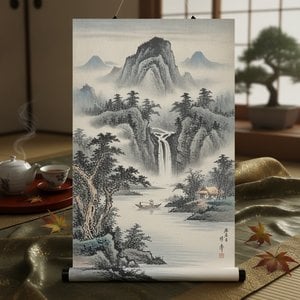
Serenity on Canvas: A Guide to the Timeless Beauty of Japanese Landscape Painting
Discover the serene beauty of Japanese landscape painting. From Hokusai's iconic woodblock prints to meditative sumi-e ink washes, explore a visual journey through the 'floating world' and learn how to bring this timeless Zen aesthetic into your modern home decor.

Floating World: The Captivating Art and Legacy of Japanese Ukiyo-e
Explore the profound beauty of Japanese Ukiyo-e. Discover the history, masters like Hokusai, and the enduring legacy of the 'Floating World' through an expert art-historical lens.

Katsushika Hokusai 25 Mesterműve: A Japán Art Élmény, Otthonodban – ArtsDot
Fedezze fel Katsushika Hokusai 25 legikonikusabb műalkotását! Merüljön el a japán ukiyo-e világában, ismerje meg a 'Nagy Hullám' történetét és más remekműveket. Museum minőségű reprodukciók otthonába – ArtsDot.com.

Japonisme: How Japanese Woodblock Prints Revolutionized Western Art
Explore the profound impact of Japonisme on Western art. Discover how Japanese ukiyo-e woodblock prints revolutionized perspective, color, and composition for masters like Monet and Van Gogh, forever changing the course of modern art history.
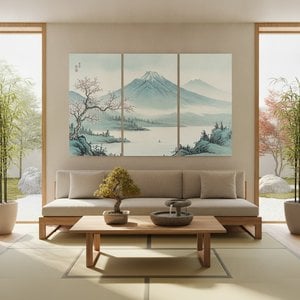
Serene Zen: Transforming Your New Home with the Timeless Elegance of Japanese Landscape Art
Transform your new home into a sanctuary of peace with stunning Japanese landscape art. Discover the beauty of Ukiyo-e and hand-painted Zen masterpieces designed to bring harmony and timeless elegance to your shared space. Expertly curated for modern lovers of fine art.