

 Megtekintés
 Küldés
 Megosztás
 Részletek
 Útmutató

 Letöltés
 Hasonló darabok
 X-ray felvétel
 Diavetítés
 Kérdések és válaszok
 Statisztika
Plaza, Twilight

- 19.0 x 18.0 cm

 Összes részlet megjelenítése
Az ezen az oldalon megjelenített műalkotások szerzői jogi védelem alatt állnak, ami azt jelenti, hogy törvényileg nem készíthetünk és nem adhatunk el belőlük pontos másolatokat. Ez a védelem olyan nemzetközi megállapodások alapján érvényesül, mint például a Berni Egyezmény és a nemzeti jogszabályok által, beleértve azokat is, amelyeket meghatározott Az USA szerzői jogi törvénye – 17. cím.
Ez a módszer teljes mértékben megfelel a szerzői jogi szabályozásnak, mivel nem tartalmazza a védett műalkotás másolását vagy duplikálását. Ehelyett ez egy kreatív újinterpretáció – egy új festmény, amely az eredetivel való összefüggései miatt hatással van rá, de nem az az.
Giclée / Műnyomat
Múzeumi minőségű giclée vagy vászonnyomat, gyors gyártással és rugalmas finomítási lehetőségekkel. ( Kézzel festett másolat rendelése Áttérés digitális képre)




P118B Ft10

P118H Ft10

P118W Ft10

P438Z Ft10

P508JH Ft12

P508YH Ft12

P805H Ft10

P805Z Ft10

P919BZ Ft10

P919G Ft10

P919XJ Ft10

P959ZH Ft10

P968JZ Ft12

W106C Ft8

W218G Ft10

W218JH Ft8

W218Y Ft10

W307PJ Ft10

W316G Ft10

W316PJ Ft8

W316Y Ft10

W398PJ Ft8

W4111J Ft10

W500HY Ft15

W500JH Ft15

W692G Ft12

W849H Ft8

W940BG Ft15

W953PJ Ft8




Válasszon előre meghatározott méreteink közül, amelyek megfelelnek a műalkotás eredeti arányainak.

Írja be a keretének vagy a falának megfelelő szélességet és magasságot. A nyomatot csak le lehet vágni, soha nem tehető nagyobbá, mint az eredeti kép, így egy eltérő alakú méretnél a kép egy része elveszik. Mielőtt bármit kinyatintanánk, küldünk egy digitális próbamodellt jóváhagyásra. Az oldalon látható kép nem tartalmazza a valós levágást — ezt csak a próbamodell mutatja meg.
Világszerte történő kiszállítás területére mindössze 2 hét alatt, a szokásos 4-5 hét helyett. (4 november)

Ingyenes globális expressz szállítás

Prémium minőségű len vászon

Teljes körű szállítási biztosítás

Vámvisszatérítési Garancia

Hiteles színarányosság garancia

100 napos visszaküldési lehetőség (csak hibás termékek esetén)

100% pénzvisszatérítési garancia

Több darab vásárlásakor kedvezmény
 Az üvegkeretes opció csak 110 cm alatti méretben érhető el

Plaza, Twilight
Giclée / Műnyomat
Reprodukció mérete
-


Összesített ár
Ft 20641
Hasonló műalkotások


A művész életrajza
A Life Bridging Worlds: The Artistic Journey of Arthur Millier
Arthur Millier, born in the coastal town of Weston-super-Mare, Somerset, England in 1893, embarked on a remarkable artistic path that spanned continents and disciplines. His story is one of adaptation, resilience, and a deep commitment to capturing the beauty of the American landscape through both his art and his insightful writing. Immigrating with his family to Los Angeles in 1908, Millier initially pursued commercial art, a pragmatic choice for a young newcomer navigating a new world. However, this early foray into applied design would soon give way to a more profound exploration of artistic expression, fueled by experiences that shaped both his aesthetic vision and his critical voice. The shadow of the First World War loomed large over his formative years; sources differ on whether he served in the Canadian or American Army in France, but it’s clear this period profoundly impacted him, leading to a renewed focus on art upon his return to California in 1919 and enrollment at the prestigious California School of Fine Arts in San Francisco.From Etchings to Eloquent Criticism
Millier quickly distinguished himself as a gifted printmaker, particularly excelling in etching and drypoint. His early work focused on the bustling urban scenes of San Francisco, capturing the energy and dynamism of city life with a keen eye for detail. However, it was his growing fascination with the California landscape that would become the defining characteristic of his artistic output. He wasn’t merely documenting scenery; he sought to evoke its atmosphere, its light, and its inherent tranquility. This sensitivity earned him recognition from the California Society of Etchers in both 1922 and 1928, establishing him as a rising talent within the regional art community. But Millier possessed a unique gift that extended beyond his technical skill with a burin or brush – he was an exceptional writer. In 1926, he transitioned into a career as an art critic for the *Los Angeles Times*, a position he held for an impressive thirty-five years. This role allowed him to not only share his own artistic sensibilities but also to shape public discourse around art in Southern California and beyond. He became known as “the Dean of American Art Critics,” receiving the first Frank Jewett Mather Citation from the College Art Association for outstanding newspaper criticism, a testament to his insightful analyses and eloquent prose.Capturing Twilight and Rural Beauty
Millier’s paintings are characterized by their evocative depictions of twilight plazas, serene willows, and quiet rural scenes. He masterfully captured the subtle nuances of light and shadow, creating an atmosphere of timeless beauty and peaceful contemplation. His work often features a sense of solitude, inviting viewers to immerse themselves in the tranquility of the natural world. While he worked in watercolor primarily during his later years in San Luis Obispo, California, the influence of his earlier printmaking training is evident in the precision of his lines and the careful attention to detail. He wasn’t interested in grand, sweeping vistas; instead, he focused on intimate moments—a quiet street corner bathed in golden light, a lone tree silhouetted against a darkening sky. These scenes resonate with a sense of nostalgia and longing, evoking a simpler time and a deeper connection to the land.Legacy and Lasting Influence
Arthur Millier’s contributions extend beyond his own artistic creations. As an educator at institutions like Chouinard Art Institute, Otis Art Institute, the University of Southern California, and the Pasadena Art Institute from 1922 to 1926, he mentored a generation of artists, fostering their creativity and encouraging them to explore their own unique voices. His work is now held in the permanent collections of numerous museums across the United States, including the Dallas Museum of Art, the Los Angeles County Museum of Art, the Philadelphia Museum of Art, and the Art Institute of Chicago—a testament to his enduring legacy as a significant figure in American art history. He was an active member of several prestigious art societies, including the Chicago Society of Etchers, The California Society of Etchers, and the California Art Club, further solidifying his position within the artistic community. Millier’s life, which concluded in Hackensack, New Jersey, in 1975 at the age of 81, represents a fascinating intersection of artistic practice, critical analysis, and educational leadership—a bridge between worlds that continues to inspire artists and art lovers today.Themes and Techniques
- Landscape as Emotional Space: Millier’s landscapes are not simply representations of places; they are imbued with emotion, reflecting a sense of peace, solitude, and nostalgia.
- Mastery of Light and Shadow: His paintings demonstrate a remarkable sensitivity to the subtle nuances of light and shadow, creating an atmosphere of depth and tranquility.
- Printmaking Influence: The precision of his lines and attention to detail in his watercolors are directly influenced by his earlier training as an etcher and drypoint artist.
- The Power of Eloquent Criticism: Millier’s career as an art critic for the *Los Angeles Times* shaped public discourse around art and established him as a leading voice in American art commentary.
- Rural vs. Urban Dichotomy: His artistic journey reflects a shift from capturing the energy of city life to finding solace and beauty in the quietude of the California countryside.

Arthur Millier
1893 - 1975
Rövid információk
- Full Name: Arthur Henry Thomas Millier
- Nationality: British
- Date Of Birth: 1893
- Date Of Death: 1975
- Place Of Birth: Weston-super-Mare, England
- Notable Artworks:
- Plaza, Twilight
- North Main Street
- Tarquitz Wall
- Artistic Movement Or Style: American Landscape
- Artists Who Influenced This Artist:
- Hugo Friedhofer
- Edward Weston
- Millard Sheets
Kapcsolódó cikkek

The Eloquent Line: Exploring the Artistic Significance of Sketches Across Movements and Media
Explore the profound artistic significance of sketches throughout history. From Renaissance masters to modern innovators like Van Gogh & Guston, discover how these foundational works reveal technique, emotion, and vision. Learn more at ArtsDot.

A fekete művészete: 10 ikonikus festmény, melyek elbűvölnek – ArtsDot.com
Merüljön el a fekete művészet lenyűgöző világában! Fedezze fel 10 ikonikus festményt Rembrandttól Goyáig, melyek elbűvölnek sötét hangulatukkal és mély érzelmeikkel. Műalkotások online – ArtsDot.com

A Fekete Szín Mesterei: 10 Híres Festmény, Amelyek Elvarázsolnak – ArtsDot.com
Fedezze fel a 10 leghíresebb, fekete tónusú festményt! Rembrandt, Goya és Manet remekművei elvarázsolják. Művészettörténet, inspiráció otthonába – ArtsDot.com kínálatából. Fedezze fel a teljes gyűjteményt online!
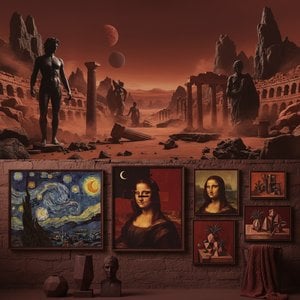
A sötét szépség: 10 híres festmény a 'Mars Black' árnyalataiban | ArtsDot
Fedezze fel a 10 leghíresebb festményt, melyeket a 'Mars Black' mély árnyalatai dominálnak! Rembrandt, Goya és Picasso remekművei – történetük, technikájuk és időtlenségük. Múzeumi minőségű művészeti reprodukciók otthonába. Fedezze fel a teljes gyűjteményt a ArtsDot.com-on!

A sötétség művészete: 10 ikonikus festmény lámpfekete árnyalataiban | ArtsDot.hu
Fedezze fel a 10 legikonikusabb festményt, melyeket a lámpfekete mély árnyalatai jellemeznek! Rembrandt, Caravaggio és más mesterek művészete. Művészeti reprodukciók otthonába – ArtsDot.com.