

 Megtekintés
 Küldés
 Megosztás
 Részletek
 Útmutató

 Letöltés
 Hasonló darabok
 X-ray felvétel
 Diavetítés
 Q&A
Q&A Statisztika
Teacher

 Összes részlet megjelenítése
Giclée / Műnyomat
Múzeumi minőségű giclée vagy vászonnyomat, gyors gyártással és rugalmas finomítási lehetőségekkel. ( Kézzel festett másolat rendelése Áttérés digitális képre)




P118B Ft10

P118H Ft10

P118W Ft10

P438Z Ft10

P508JH Ft12

P508YH Ft12

P805H Ft10

P805Z Ft10

P919BZ Ft10

P919G Ft10

P919XJ Ft10

P959ZH Ft10

P968JZ Ft12

W106C Ft8

W218G Ft10

W218JH Ft8

W218Y Ft10

W307PJ Ft10

W316G Ft10

W316PJ Ft8

W316Y Ft10

W398PJ Ft8

W4111J Ft10

W500HY Ft15

W500JH Ft15

W692G Ft12

W849H Ft8

W940BG Ft15

W953PJ Ft8




Válasszon előre meghatározott méreteink közül, amelyek megfelelnek a műalkotás eredeti arányainak.

Írja be a keretének vagy a falának megfelelő szélességet és magasságot. A nyomatot csak le lehet vágni, soha nem tehető nagyobbá, mint az eredeti kép, így egy eltérő alakú méretnél a kép egy része elveszik. Mielőtt bármit kinyatintanánk, küldünk egy digitális próbamodellt jóváhagyásra. Az oldalon látható kép nem tartalmazza a valós levágást — ezt csak a próbamodell mutatja meg.
Világszerte történő kiszállítás területére mindössze 2 hét alatt, a szokásos 4-5 hét helyett. (3 november)

Ingyenes globális expressz szállítás

Prémium minőségű len vászon

Teljes körű szállítási biztosítás

Vámvisszatérítési Garancia

Hiteles színarányosság garancia

100 napos visszaküldési lehetőség (csak hibás termékek esetén)

100% pénzvisszatérítési garancia

Több darab vásárlásakor kedvezmény
 Az üvegkeretes opció csak 110 cm alatti méretben érhető el

Teacher
Giclée / Műnyomat
Reprodukció mérete
-


Összesített ár
Ft 20306
Hasonló műalkotások


A művész életrajza
A Glimpse into a Renaissance Life Cut Short: Ambrosius Holbein
Born in the vibrant artistic hub of Augsburg, Germany, in 1494, Ambrosius Holbein emerged from a family already steeped in creative legacy. His father, Hans Holbein the Elder, was a pivotal figure transitioning German art from the intricate detail of the Gothic period towards the burgeoning Renaissance ideals sweeping across Europe. This familial environment wasn’t merely one of proximity to artistry; it was an immersive training ground where young Ambrosius, alongside his younger brother—the more renowned Hans Holbein the Younger—absorbed not only painting techniques but also the skills of goldsmithing, jewelry making, and printmaking. The workshop resonated with a collaborative spirit, evidenced by their inclusion in a panel of their father’s 1504 altar-piece triptych, “The Basilica of St. Paul,” a testament to the Holbein family's unified artistic vision. Augsburg itself provided fertile ground for development; a thriving center of commerce and culture, it exposed Ambrosius to diverse influences that would shape his early style.Basel and Artistic Flourishing
Around 1515, Ambrosius’s path led him to Stein am Rhein in Switzerland, where he collaborated with Thomas Schmid on murals within the St. George Monastery. This project showcased his aptitude for large-scale decorative painting, a skill honed through years of familial instruction. However, it was Basel that truly became the center of his artistic activity. Arriving around 1516, he initially worked as a journeyman in the studio of Hans Herbster, immersing himself further into the local art scene. His dedication and talent quickly earned him recognition; by 1517, Ambrosius was enrolled in the register of the Basel painters' guild, solidifying his position within the artistic community. A year later, in 1518, he achieved citizenship in Basel, a testament to his integration into the city’s social and professional life. This period marked a significant blossoming of his individual style, moving beyond familial influence towards a unique voice characterized by delicate realism and sensitive portraiture.A Legacy in Paint: Notable Works and Artistic Style
Though his career was tragically brief, Ambrosius Holbein left behind a body of work that reveals a masterful talent poised for even greater achievements. Among his most celebrated paintings are the companion pieces, “Portrait of a Boy with Blond Hair” and “Portrait of a Boy with Brown Hair,” both housed in the Basel Kunstmuseum. These portraits exemplify his skill in capturing not merely likeness but also the individual character and inner life of his subjects. Beyond portraiture, Ambrosius explored religious themes with works like "Death of the Virgin", demonstrating a command of composition and narrative storytelling. He was also recognized as an important illustrator, creating “small format” artworks that reveal a meticulous attention to detail and a refined aesthetic sensibility. His style reflects the growing influence of Renaissance ideals in Northern Europe—a focus on realism, detailed observation, and a burgeoning humanism. He skillfully blended these influences with the existing traditions of German painting, resulting in works that are both innovative and deeply rooted in his artistic heritage. "The Island of Utopia" and “Signboard for a Schoolmaster” further demonstrate this range, showcasing his versatility across different genres and formats.A Pivotal Figure: Historical Significance and Lasting Influence
Sadly, Ambrosius Holbein’s promising career was cut short by his death around 1519, at the young age of approximately twenty-five. This untimely passing left behind a relatively small but remarkably significant body of work. Despite its brevity, his artistic contribution played an important role in the transition from Gothic to Renaissance art not only in Basel but also beyond. He served as a crucial link between the older traditions and the new aesthetic sensibilities that were transforming European art. Perhaps most importantly, his contributions likely influenced the development of his younger brother, Hans Holbein the Younger, who would go on to become one of the most celebrated portrait painters of the Renaissance. Ambrosius’s legacy extends beyond his individual paintings; he is remembered as a key figure among Basel’s illustrators and artists specializing in “small format” works—a testament to his skill, innovation, and enduring impact on the artistic landscape of his time. His work continues to offer a fascinating glimpse into a pivotal moment in art history, revealing the talent and potential of an artist whose life was tragically cut short.
Ambrosius Holbein
1494 - 1519 , Germany
Rövid információk
- Full Name: Ambrosius Holbein
- Nationality: German
- Date Of Birth: 1494
- Date Of Death: 1519
- Place Of Birth: Augsburg, Germany
- Notable Artworks:
- Portrait of a Boy with Blond Hair
- Portrait of a Boy with Brown Hair
- The Island of Utopia
- Death of the Virgin
- Signboard for a Schoolmaster
- Artistic Movement Or Style: Renaissance
- Artists Who Influenced This Artist: ['Hans Holbein the Elder']
- Artists Or Movements Influenced By This Artist: ['Hans Holbein the Younger']
Kapcsolódó cikkek

Mark Rothko 25 Mesterműve: Érzelmek és Színek a Modern Művészetben | ArtsDot
Fedezze fel Mark Rothko 25 legikonikusabb művét! Ismerje meg az absztrakt expresszionizmus mesterének érzelmi világát, színeit és technikáit. Múzeumi minőségű reprodukciók a ArtsDot-on – inspirálja otthonát egyedi faliképekkel! Explore the full collection online.

Crimson Threads of Narrative: Exploring Symbolism & Representation in Artworks Featuring the Red Dress
Explore the rich symbolism of the red dress in art history! From ancient power displays to iconic portraits like Cézanne’s 'Madame Cezanne', discover the cultural and artistic significance behind this captivating color. Expert analysis & insights.

A Louvre gyöngyszemei: 25 műalkotás, melyek inspirálják otthonát – ArtsDot
Fedezze fel a Louvre múzeum 25 legikonikusabb műalkotását! Leonardo da Vinci, Delacroix és más mesterek festményeinek története. Inspirálja otthonát klasszikus szépséggel – ArtsDot.
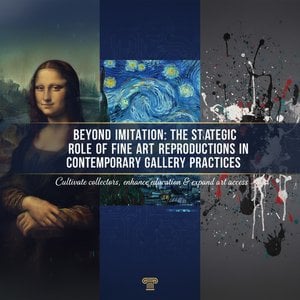
A presztízs művészete: Reprodukciók, amelyek megállják a helyüket az elit galériákban – Bevezető darabok feltörekvő gyűjtőknek, oktatási kiállítások és gondosan válogatott mellékiállítások kompromisszumok nélkül
Prémium művészeti reprodukciók elit galériák minőségében! Kézműves másolatok, egyedi megrendelések és szakértői tanácsadás. Tökéletes választás gyűjtőknek, oktatási célokra vagy elegáns otthoni dekorációhoz.

Beyond Imitation: The Cultural Resonance of Fine Art Reproduction & Discerning Collectors
Explore the cultural significance of fine art reproduction & its appeal to discerning collectors. Discover how reproductions enhance aesthetics, build collections, and signal status. Expert insights & museum-quality artistry.