

 Megtekintés
 Küldés
 Megosztás
 Részletek
 Útmutató

 Letöltés
 Hasonló darabok
 X-ray felvétel
 Diavetítés
 Kérdések és válaszok
 Statisztika
March

 Összes részlet megjelenítése
Giclée / Műnyomat
Múzeumi minőségű giclée vagy vászonnyomat, gyors gyártással és rugalmas finomítási lehetőségekkel. ( Kézzel festett másolat rendelése Áttérés digitális képre)




P118B Ft10

P118H Ft10

P118W Ft10

P438Z Ft10

P508JH Ft12

P508YH Ft12

P805H Ft10

P805Z Ft10

P919BZ Ft10

P919G Ft10

P919XJ Ft10

P959ZH Ft10

P968JZ Ft12

W106C Ft8

W218G Ft10

W218JH Ft8

W218Y Ft10

W307PJ Ft10

W316G Ft10

W316PJ Ft8

W316Y Ft10

W398PJ Ft8

W4111J Ft10

W500HY Ft15

W500JH Ft15

W692G Ft12

W849H Ft8

W940BG Ft15

W953PJ Ft8




Válasszon előre meghatározott méreteink közül, amelyek megfelelnek a műalkotás eredeti arányainak.

Írja be a keretének vagy a falának megfelelő szélességet és magasságot. A nyomatot csak le lehet vágni, soha nem tehető nagyobbá, mint az eredeti kép, így egy eltérő alakú méretnél a kép egy része elveszik. Mielőtt bármit kinyatintanánk, küldünk egy digitális próbamodellt jóváhagyásra. Az oldalon látható kép nem tartalmazza a valós levágást — ezt csak a próbamodell mutatja meg.
Világszerte történő kiszállítás területére mindössze 2 hét alatt, a szokásos 4-5 hét helyett. (6 november)

Ingyenes globális expressz szállítás

Prémium minőségű len vászon

Teljes körű szállítási biztosítás

Vámvisszatérítési Garancia

Hiteles színarányosság garancia

100 napos visszaküldési lehetőség (csak hibás termékek esetén)

100% pénzvisszatérítési garancia

Több darab vásárlásakor kedvezmény
 Az üvegkeretes opció csak 110 cm alatti méretben érhető el

March
Giclée / Műnyomat
Reprodukció mérete
-


Összesített ár
Ft 20580
Hasonló műalkotások


A művész életrajza
Alexei Stepanov: A Pioneer of Impressionist Landscape Painting
Alexei Stepanovich Stepanov (1858 – 1923) stands as a significant figure in late nineteenth and early twentieth-century Russian art, particularly recognized for his contribution to the Peredvizhniki movement and his role as a formative teacher. Born into a noble family whose officers served valiantly during the Crimean War, Stepanov’s upbringing instilled within him a deep appreciation for observation and detail—qualities that would profoundly shape his artistic vision. Tragically orphaned at the tender age of six when his parents succumbed to illness, he was entrusted to the Moscow Orphanage for Children from Military Families, an institution founded by Count Razumovsky, providing him with a stable environment amidst challenging circumstances. His academic pursuits continued at Konstantin Surveying Institute where he honed his technical skills and secured a position as an official surveyor in 1879—a profession that would later inform his meticulous approach to landscape painting. From 1880 to 1883, Stepanov immersed himself in the teachings of Ilya Repin and Evgraf Sorokin at Moscow School of Painting, Sculpture and Architecture, fostering connections with fellow artists who would become lifelong collaborators. Notably, he befriended Leonid Sabaneyev, whose literary magazine Природа и охота showcased Stepanov’s artistic talent through over a hundred drawings between 1883 and 1895—a period marked by considerable stylistic experimentation. The pivotal moment in Stepanov's artistic trajectory arrived in 1888 when he joined the Peredvizhniki group, spearheaded by Repin and Vasily Surikov. This association propelled him into a vibrant artistic community dedicated to depicting Russian life with unflinching realism and capturing the beauty of the natural world. His painting “Moose Herd,” completed in that year, swiftly gained acclaim from Pavel Tretyakov—a testament to his ability to convey emotion through careful observation and masterful brushwork. Subsequently, Stepanov accepted an invitation to lecture at Moscow School of Fine Arts established by Anatoly Gunst, furthering his commitment to artistic education and nurturing the talents of future generations. He remained a professor until 1918, shaping the careers of artists like Sergey Gerasimov, Boris Ioganson, Pavel Korin, and Leonard Turzhansky—artists who would carry forward Stepanov’s legacy. A transformative journey to Europe in 1903 alongside Nikolai Medyntsev and his family exposed Stepanov to the influence of Impressionist painters such as Claude Monet and Pierre-Auguste Renoir. This experience solidified his stylistic preferences, emphasizing luminous color palettes and fleeting moments of light—characteristics that define many of his landscapes. His marriage to Medyntsev’s daughter, Lyudmila, provided him with a supportive home life allowing him to continue his artistic endeavors. Stepanov's enduring contribution to Russian art lies in his ability to synthesize realism with Impressionist aesthetics, resulting in evocative depictions of rural Russia that resonate with timeless beauty and convey profound emotional depth. He remains an important figure in the history of landscape painting and a symbol of Peredvizhniki’s dedication to portraying authentic life experiences.
Alexei Stepanov
1858 - 1923
Rövid információk
- Artistic Movement Or Style: Peredvizhniki; Impressionism
- Artists Or Movements Influenced By This Artist: ['Impressionists']
- Artists Who Influenced This Artist:
- Illarion Pryanishnikov
- Evgraf Sorokin
- Date Of Birth: 1858
- Date Of Death: 1923
- Full Name: Alexei Stepanovich Stepanov
- Nationality: Russian
- Notable Artworks:
- Moose herd
- Morning greeti
- Place Of Birth: Moscow, Russia
Kapcsolódó cikkek

Beyond the Horizon: A Curated Guide to Integrating Post-Impressionist Landscapes into Modern Interiors
Transform your home with the emotive power of Post-Impressionist landscapes. Discover expert tips on selecting hand-painted oil reproductions to create a soulful, vibrant interior that reflects your unique style and connection to nature.

A Romantikus Tájképfestészet 10 Legikonikusabb Műalkotása – ArtsDot.com
Fedezze fel a romantikus tájképfestészet 10 legikonikusabb műalkotását! Caspar David Friedrich, J.M.W. Turner és más mesterek festményeinek története – inspiráló olajfestmények otthonába. ArtsDot.com: múzeumi minőségű reprodukciók és egyedi dekorációk online.
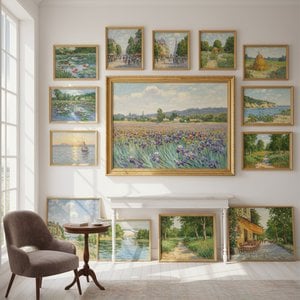
A 10 legikonikus impresszionista tájkép: Művészeti remekművek otthonába – ArtsDot.com
Fedezze fel a 10 legikonikus impresszionista tájkép festményt! Monet, Renoir és más mesterek alkotásainak története. Olajfestmények, vászonképek otthonába – ArtsDot.com kínálatából. Explore the full collection online!

A 10 legikonikus impresszionista tájkép: művészeti remekművek otthonába | ArtsDot.com
Fedezze fel a 10 legikonikus impresszionista tájkép festményt! Monet, Renoir, Degas és más művészek remekművei. Vászonképek, faliképek otthonába – inspirálódjon ArtsDot.com-on! Explore the full collection online.

Evocations of Place: A Historical Journey Through Landscape Art
Explore the rich history of landscape art with ArtsDot. Discover renowned artists, movements like Impressionism & Romanticism, and expert guidance for collecting timeless pieces. Find your perfect serene escape today!