


The picture follows your choices: , .
A gyűjtemény leírása
Fedezze fel Albrecht Dürer ikonikus „Hase” (Nyúl) című művét, a német reneszánsz 1502-es remekművét. Csodálja meg részletgazdag ábrázolását, és ismerje meg az Albertina Múzeum lenyűgöző gyűjteményét.
 Összes részlet megjelenítése
A művész életrajza
Fedezd fel Albrecht Dürer nagyszerű művészetét! Kézzel festett reprodukcióinkkal élj utólag a német reneszánszi mester ikonikus gravúráit, önportréit és a precíz alkotásait. ArtsDot.
Kézzel készített olajfestmény reprodukció
Kézzel festett olajvastú vászon, az Ön által választott méretben és keretben, művészeink készítik meglévőre. ( Váltás nyomtatványra Áttérés digitális képre)
More about this painting
 Megtekintés
 Küldés
 Megosztás
 Részletek
 Útmutató

 Letöltés
 Hasonló darabok
 X-ray felvétel
 Diavetítés
 Q&A
Q&A Statisztika
Order your painting in four simple steps
Take your time. You can change any answer; the price in your order card follows each choice.
1 Step one of four
Which size would you like?
These sizes keep the proportions of the original painting. The drawing shows your choice on a wall, above a two-metre sofa.
Or give your own measurements
Válasszon előre meghatározott méreteink közül, amelyek megfelelnek a műalkotás eredeti arányainak.

Írja be a kívánt szélességet és magasságot, hogy illeszkedjen a keretéhez vagy a falához. Mivel ez kézzel festett alkotás, egy eltérő formájú méret esetén a művész akár festhet is valamivel többet a kép körül, vagy korolathat is belőle — az Ön döntésének megfelelően. A festés megkezdése előtt küldünk egy digitális tervezetet jóváhagyásra. Az oldalon látható kép nem tartalmazza a végeredményt — csak a tervezet mutatja meg a valódi eredményt.
2 Step two of four
How should it be prepared: rolled, stretched or framed?
The prices below are for the size you chose in step one.
Choose the edges of the stretched canvas
Choose your frame

White Ft1

Blurside Ft1

Extended Ft1

P118B Ft10

P118H Ft10

P118W Ft10

P438Z Ft10

P508JH Ft12

P508YH Ft12

P805H Ft10

P805Z Ft10

P919BZ Ft10

P919G Ft10

P919XJ Ft10

P959ZH Ft10

P968JZ Ft12

W106C Ft8

W218G Ft10

W218JH Ft8

W218Y Ft10

W307PJ Ft10

W316G Ft10

W316PJ Ft8

W316Y Ft10

W398PJ Ft8

W4111J Ft10

W500HY Ft15

W500JH Ft15

W692G Ft12

W849H Ft8

W940BG Ft15

W953PJ Ft8

H24-GOLD Ft30

H24-SILVER Ft30

H36-GOLD Ft45

H36-SILVER Ft45
Keretezett
Moulding: . Overall size with the frame: .
3 Step three of four
Would you like anything changed in the painting?
Most people answer no. Because each painting is made by hand, our artist can also adapt it for you.
After order, ArtsDot.com team will email client for instructions and provide a mockup preview
4 Step four of four
A few finishing options
All of them are optional. The answers already selected cost nothing extra.
Who paints it?
Világszerte elérhető szállítás () 3-4 hét alatt a szokásos 5 hét helyett. (30 október). A minőség nem kérdőjelezhető.
A nameplate, as in a museum?
A gravírozott bronztábla részletei
This elegant plaque features the artist's name and the title of the artwork, finely engraved for a timeless presentation.
It is made from bronze with a refined, elegant finish. The text is precisely laser-engraved for a sharp and permanent result. Measuring 9x2 cm, the plaque is compact yet easy to read. It's built to be durable and scratch-resistant, offering a professional, museum-quality look. Mounting is simple thanks to the included adhesive backing.
Átlátszó akril tábla részletei
The plaque includes essential engraved details such as the artist's name, the title of the artwork, the date it was created, the type of media used-like oil on canvas or watercolor-a brief description of the piece, and a QR code that links to the complete artwork information.
It is crafted from clear acrylic, offering a sleek, modern appearance. The text is UV-engraved in black to ensure strong visual contrast. With a size of 10x15 cm, it ensures optimal readability. It comes equipped with two metal hooks for secure wall mounting. The plaque is designed to be weather-resistant, making it suitable for various environments, and it includes interactive features that work seamlessly with smartphone scanning.
Fekete akril tábla részletei
This elegant plaque includes engraved information such as the artist's name, the title of the artwork, the date it was created, the type of media used (like oil on canvas or watercolor), a short description of the artwork, and a QR code for quick access to more information.
The plaque itself is made from refined black acrylic with a premium finish. The text is laser-engraved in white for high contrast and readability. Its size is 10x15 cm, designed to be easy to read. It comes with two metal hooks for professional mounting. The design is sleek and fits any interior style. It is also weather-resistant and durable, with built-in digital integration for mobile compatibility.
A protective varnish?
When do you need it?
✓ Check and order
Your painting, as you ordered it

Nyúl
Reprodukciós technika
Reprodukció mérete
-

Kiváló mesterművész
Nagyobb részletesség, finomság és bővített gyártási idő
-

Reprodukció keretezése
-
-
A bármely oldalsó méretét túlszálaló 105 cm (kb. 41 hüvelyk) meghaladó műalkotások vagy reprodukciók esetében a keret összeszerelhető készletként, szétszerelve kerül szállításra. Ez a módszer biztosítja a biztonságos szállítást, és megakadályozza a szállítás során fellépő sérüléseket.
Szakmész összeszerelést igényel – ez nem DIY (önösszeszerelhető) termék.
A készletet egy tapasztalt keretező szakembernek kell összeszerelnie és a vásznat feszítenie kell, fa ragasztó (nem tartalmazza a csomag), vásznfeszítő fogó és szorítók használatával, amelyek a ragasztó száradásáig a keretrészeket egymáshoz vuôngjba tartják. A helytelen összeszerelés vagy a nem egyenletes vásznfeszítés maradandó károsíthatja a műalkotást, és ez nem része a garanciánknak.
 A bármely oldalsó méretét túlszálaló 105 cm (kb. 41 hüvelyk) meghaladó műalkotások vagy reprodukciók esetében a keret összeszerelhető készletként, szétszerelve kerül szállításra. Ez a módszer biztosítja a biztonságos szállítást, és megakadályozza a szállítás során fellépő sérüléseket.
A készlet tartalmazza az összes tömörfa rudat, pontosan méretre vágva.
A mellékelt csavarokkal, valamint a sarokszerekhez szükséges faütő ragasztóval kell összeszerelnie (ez nem tartalmazható a csomagban), így a keretrendezőnek külön kell beszereznie.
A csomag nem tartalmazza a szükséges professzionális eszközöket: egy vászonfeszítőt és klipseket a rácsok vízszintes tartásához a ragasztó megszáradásáig.
Fontos:
A sarokcsatlakozásokhoz fánylagra van szükség, a keretrudakat szorítókapcsokkal kell rögzíteni, amíg a rag teljesen meg nem szárad, a kész keretre feszített vászonhoz pedig vászonfeszítő fogat szükséges. Ezek egyike sem található meg a készletben. Kérjük, rendelés előtt győződjön meg róla, hogy rendelkezik tapasztalt keretező szakemberrel.

Névtábla
-
-

Védőréteg (Lakk)
Fényes lakk (intenzívabb színek, védelem a fény és a nedvesség hatása ellen)
-

Műalkotásom egyedi igényre szabása
Példák a módosíthatóságra: az arc kicserélése az ügyfél fotójára; háziállat hozzáadása (pl. macska helyett kutya); rejtett üzenet elhelyezése a háttérben; a háttér tájainak vagy elemeinek megváltoztatása.
-

Sürgős
Világszerte szóló szállítás () mindössze 3-4 hét alatt, a szokásos 5 hét helyett. (30 október). A minőség nem kérdőjelezhető.
-
Express szállítás
Világszerte elérhető szállítás területre 5 héten belül. (6 november).
A szállítás díja tartalmazza
Összesített ár
Ft 85993
Az üvegkeretes opció csak 110 cm alatti méretben érhető el
Included with every order
- Ingyenes globális expressz szállítás
- Prémium minőségű len vászon
- Teljes körű szállítási biztosítás
- Vámvisszatérítési Garancia
- Hiteles színarányosság garancia
- 100 napos visszaküldési lehetőség (csak hibás termékek esetén)
- 100% pénzvisszatérítési garancia
- Több darab vásárlásakor kedvezmény


Egy nyúl csendes megfigyelése: Albrecht Dürer „Hase” című művének története
A bécsi Albertina Múzeum a reneszánsza egyik legbecsapósan egyszerű, mégis mélyen rezonáló alkotását őrzi – Albrecht Dürer „Hase” (Nyúl) című művét, amely 1502-ben készült. Első pillantásra csupán a földön pihenő nyúl aprólékos módon megmintált ábrázolásának tűnik. Azonban ez a nyugodt felszín alatt bőséges művészi innováció és szimbolikus jelentőség rejtőzik, amely évszázadok múltja után is lenyűgözi a nézőket. Ez nem csupán egy rajz; Dürer gravírozási technikájának mesteri tudásáról szóló bizonyíték, és egy ablak volt az akkori európai művészetet formáló intellektuális áramlatokba.A technika: A gravírozás mesterosztálya
Dürer forradalmi módszert alkalmazott „Hase” című alkotásánál, 이용olva a száraztűs metszést – egy technikát, amelyet maga is fejlesztett ki. Ellentétben a mezzotintával, amely a fényesen csiszolással elért tónusos árnyozásra támaszkodik, a száraztűs technika magában foglalja a vonalak közvetlen megkarcolását egy rézplatekba, egy festékbe mártott tű segítségével. Ez a folyamat hihetetlenül finom, élesen határolt vonalakat hoz létre, amelyek sötétségét még a platek megtisztítása után is megőrzik. Az eredmény módon egy összehasonlítthatatlan részletességű és fényűző kép születik, amely lenyűgöző pontossággal örökíti meg a szőr és a föld finom textúráit. Dürer aprólékos precizitása a kézműves munka iránti elkötelezettségéről tanúskodik, amellyel folyamatosan kiterjesztette a művészi kifejezés határoit. Megapixelnyi gondossággal készítette elő a felületet, biztosítva az optimális festékátmenetet, és elérve a tárgy megismétlhetetlenül valóságos ábrázolását.Történelmi kontextus: Humanizmus és szimbolika
A „Hase” egy olyan korszakban született, amelyet virágzó humanista gondolkodás jellemezett – egy olyan intellektuális mozgalom, amely a klasszikus tudomány mellett a reason-t és a megfigyelést helyezte előtérbe. Dürerhez hasonló művészek egyre inkább érintettek voltak a tudományos felfedezések által, különösen Vesalius anatomiai tanulmányai, amelyek kihívták a középkori dogmákat az emberi testról. Azonban a „Hase” túlmutat a puszta akadémiai érdeken; a reneszánsz művészetben elterjedt összetett szimális reprezentációkat testesít meg. A nyulakat, amelyeket hagyományosan a termékenységgel és a tavaszi megújulással asszociálnak, mély emlékeztetőként szolgáltak az élet és a halál ciklikus természetére – témák, amelyek a humanista filozófia központi elemei voltak. Emellett Dürer egy aprólékosan ábrázolt koponya beemelése a nyúl mellett finoman hangsúlyozza a halandóság elkerülhetetlenségét, egymás mellé helyezve a szépséget és a romlást egyetlen kereten belül. Ez az élek közötti kontraszt jellemző a reneszánsz művészetre, amely az emberi tapasztalás teljes egészében történő felfedezését célozta.Érzelmi rezonancia: Nyugalom a komplexitás közepette
Intellektuális mélységétől ellenére a „Hase” megkérdőjelezhetetlen békét áraszt. A nyúl tekintete – amely látszólag felfelé irányul – inkább invitáció a kontemplációra, mintsem az azonnali ítélkezésre. Testtartása a mozdulatlan s végtelen megfigyelés érzetét kelti, tükrözve a humanista ideált a belső béke eléréséről a megfontolt reflexió útján. Dürer mesteri ábrázolása nemcsak az állat fizikai megjelenését ragadja meg, hanem pszichológiai esszenciáját is – egy olyan teljesítmény, amelyet figyelemre méltó finomsággal ért el. A mű tartós vonzereje abban rejlik, hogy képes nyugodt gondolkodásra és a természet szépségének értékelésére ösztönözni, emlékeztetve minket arra, hogy a mély felismerések a látszólag egyszerű formákból is kinyerhetők.A reprodukciókon keresztül élő örökség
Napjainkban a „Hase” kiváló minőségű reprodukciói világszerte díszítik a galériákat és otthonokat, lehetővé téve mindenütt a közönség számára, hogy elsőدős élményként tapasztalják meg Dürer művészi zsenialitását. Legyen szó a tavasz ünnepének vagy a halandóságról szóló meditációnak tekinteni, ez az ikonikus kép továbbra is inspirálja a művészeket és a gyűjtőket egyaránt – bizonyítéka annak a tartós erőnek, amellyel a művészet képes összetett gondolatokat lélegzetelállító eleganciával és precizitással közvetíteni.Kérdések és válaszok
Hol tudok nyomtatványt vásárolni a(z) „Nyúl”, Albrecht Dürer alkotása alkotásból?
A "Nyúl" minőségi giclée nyomat pamutvászonon vagy archiváló vászonpapíron formátumban is elérhető. A rendelést a Művészeti nyomtatvány oldalon lehet megtenni, a kívánt méretben.
Milyen kontraszt jellemzi a „Nyúl”, Albrecht Dürer alkotása alkotást?
A „Nyúl”, Albrecht Dürer alkotása kontrasztját Egyensúlyozott teszi.
Milyen szín vezeti a „Nyúl”, Albrecht Dürer alkotása kompozícióját?
A(z) "Nyúl" alkotásban leginkább a Szürke-bézs (#d9cfae) szín tűnik ki. A domináns szín hasznos, amikor egy műalkotást össze kell egyeztetni egy belső térrel.
Hasonló műalkotások


Albrecht Dürer
1471 - 1528, Olaszország
A művész életrajza
A Life Forged in Nuremberg: The Early Years and Apprenticeship
Albrecht Dürer, a name synonymous with the German Renaissance, emerged from the bustling artisan city of Nuremberg in 1471. His father, Albrecht Dürer the Elder, was a successful goldsmith who had immigrated from Hungary, bringing with him a lineage steeped in craftsmanship. It was within this environment—the scent of metal and the meticulous precision of handiwork—that young Albrecht’s artistic inclinations first took root. Though his father envisioned a similar path for him, apprenticing him initially in the family trade, it soon became undeniable that Albrecht possessed an exceptional gift for drawing. At thirteen, he transitioned to the workshop of Michael Wolgemut, Nuremberg's leading artist at the time. This was no mere technical training; it was immersion into a world of illuminated manuscripts, painted panels, and—crucially—the burgeoning art of woodcut illustration. The sheer volume of work produced by Wolgemut’s workshop, including the extensive illustrations for the *Nuremberg Chronicle*, provided Dürer with an unparalleled foundation in design, composition, and the mechanics of image-making. A remarkable silverpoint self-portrait from 1484, created when he was barely a teenager, stands as astonishing evidence of his precocious talent—a testament to a burgeoning artistic identity already taking shape. This early work demonstrates a keen eye for detail, an understanding of perspective, and a nascent desire to capture the essence of human form – qualities that would define his entire career.The Italian Influence and Artistic Maturation
Dürer’s ambition extended far beyond the confines of Nuremberg. Driven by an insatiable curiosity and a desire to master the art of painting, he embarked on his first journey to Italy in 1494. This was not simply a sightseeing trip; it was a pilgrimage to the heart of the Renaissance. He encountered the works of masters like Raphael, Giovanni Bellini, and Leonardo da Vinci—artists who were redefining the possibilities of form, perspective, and human expression. The impact of this exposure was profound. Dürer absorbed the classical motifs, harmonious compositions, and subtle sfumato techniques that characterized Italian art, yet he never abandoned his Northern European sensibility for meticulous detail and symbolic depth. He was particularly fascinated by the use of light and shadow in Venetian painting, which would later influence his own work. A second sojourn to Italy between 1505 and 1507 further solidified these influences, allowing him to study ancient Roman ruins and refine his understanding of anatomy and proportion. This synthesis of Northern precision and Italian grace became the hallmark of Dürer’s unique artistic style. He returned from Italy not just with new techniques but also with a renewed sense of purpose – to synthesize the best elements of both traditions into a distinctly German Renaissance art.Mastering the Mediums: Painting, Engraving, and Woodcut
Dürer was a master of multiple mediums, each offering him distinct avenues for creative expression. His paintings, though fewer in number than his prints, demonstrate a remarkable command of oil paint and an ability to capture both physical likeness and psychological depth. Works like the *Feast of the Rose Garlands* (1506) reveal a vibrant palette influenced by Venetian colorism, showcasing his growing mastery of layering pigments and creating luminous effects. However, it was in the realm of printmaking—particularly engraving and woodcut—that Dürer truly revolutionized artistic practice. He elevated these techniques from mere reproductive methods to independent art forms, capable of conveying complex narratives and profound emotions. The *Apocalypse* series (1498), a collection of fourteen woodcuts illustrating the Book of Revelation, showcased his mastery of this medium despite its inherent limitations – he skillfully used hatching and cross-hatching to create dramatic contrasts of light and shadow. Later engravings like *Melencolia I* (1514) and *Saint Jerome in His Study* (1514) are testaments to his unparalleled skill—intricate compositions filled with symbolic meaning and executed with breathtaking precision. He didn’t just depict reality; he imbued it with layers of intellectual and spiritual significance, transforming the printed image into a powerful vehicle for artistic expression.A Theorist and Innovator: The Legacy of Albrecht Dürer
Dürer was not merely an artist; he was a scholar, a theorist, and an innovator who sought to understand the underlying principles governing artistic creation. He believed in the mathematical foundations of art and dedicated himself to establishing a scientific approach to representation. His treatises on geometry, proportion, and human anatomy—most notably *Four Books of Human Proportion* (1528)—were groundbreaking for their time, demonstrating his commitment to rigorous observation and rational analysis. These writings were not simply academic exercises; they were intended to elevate the status of artists from mere craftsmen to intellectual practitioners. Dürer’s work on perspective, in particular, laid the groundwork for future generations of artists and architects. He meticulously documented the rules of linear perspective, providing a systematic approach to creating realistic spatial illusions. His theoretical writings, combined with his artistic achievements, cemented his reputation as one of the most influential figures in the history of Northern Renaissance art. He remains, to this day, one of the most important figures in the history of Western art.Influences and Enduring Impact
- Michael Wolgemut: Dürer’s initial mentor, providing foundational skills in drawing, painting, and woodcut techniques.
- Leonardo da Vinci: Inspired Dürer’s exploration of anatomy, perspective, and sfumato—the subtle blending of tones.
- Raphael: Influenced Dürer’s compositional harmony and idealized forms.
- Giovanni Bellini: Contributed to Dürer's understanding of color and Venetian painting traditions.
Dürer’s influence reverberates through centuries of art history. His meticulous realism, his innovative use of printmaking, and his theoretical writings continue to inspire artists and scholars alike. He demonstrated that art could be both technically masterful and intellectually rigorous—a legacy that continues to shape the artistic landscape today.


Kapcsolódó cikkek

Albrecht Dürer 25 Mesterműve: A Reneszánsz Zsenialitása – Vászonképek és Nyomatok a ArtsDot-on
Fedezze fel Albrecht Dürer 25 legpárásabb műalkotását! A német reneszánsz zsenijének festményei, gravírozásai és ikonikus képei – vászonképeken és nyomatokon. Művészeti dekoráció otthonába a ArtsDot-on. Explore the full collection online!
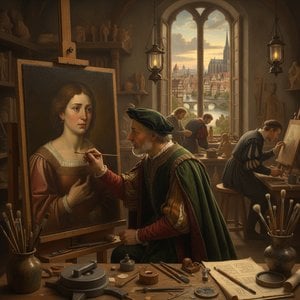
The Northern Awakening: Artistic Innovation & Cultural Transformation in the German Renaissance
Explore the artistic innovation of the German Renaissance! Discover Dürer, the Danube School & Reformation art. Learn about techniques, materials & lasting influence. Find museum-quality reproductions at ArtsDot.

A British Museum gyöngyszemei: 25 műalkotás, melyek inspirálnak – ArtsDot.com
Fedezze fel a British Museum 25 legikonikusabb műalkotását! Ismerje meg a festmények történetét, technikáját és inspirációját. Klasszikus képek, reneszánsz remekművek, antik szobrok – minden otthonba. Vászonképeket rendeljen a ArtsDot.com-on!