


 Megtekintés
 Küldés
 Megosztás
 Részletek

 Letöltés
 Hasonló darabok
 X-ray felvétel
 Diavetítés
 Stats
Statsaoi ooinu
 Oil On Canvas
- WallArt
- Contemporary Art
 2012
2012- Contemporary
 110.0 x 110.0 cm
 Meiji Jingu Forest Festival of Art
 Összes részlet megjelenítése
Giclée / Műnyomat
Múzeumi minőségű giclée vagy vászonnyomat, gyors gyártással és rugalmas finomítási lehetőségekkel. ( Kézzel festett másolat rendelése Switch to Digital Image)




P118B $10

P118H $10

P118W $10

P438Z $10

P508JH $12

P508YH $12

P805H $10

P805Z $10

P919BZ $10

P919G $10

P919XJ $10

P959ZH $10

P968JZ $12

W106C $8

W218G $10

W218JH $8

W218Y $10

W307PJ $10

W316G $10

W316PJ $8

W316Y $10

W398PJ $8

W4111J $10

W500HY $15

W500JH $15

W692G $12

W849H $8

W940BG $15

W953PJ $8




Válasszon előre meghatározott méreteink közül, amelyek megfelelnek a műalkotás eredeti arányainak.

Megadhat saját méreteket is egy konkrét kerethez vagy helyszínhez igazítva. Amennyiben a kiválasztott méret nem egyezik az eredeti kép arányokkal, a műalkotást le fogjuk vágni, vagy kiegészítjük a képet tükrözött vagy egyszínű szélekkel. A gyártás megkezdése előtt egy digitális tervezetet küldünk jóváhagyásra.
Kérjük, vegye figyelembe, hogy a képernyőn látható előnézet nem tükrözi a tényleges levágást vagy kiegészítést. Csak a tervezet mutatja pontosan a végső kompozíciót.
Bár az egyedi méretek is elérhetőek, az eredeti arányok megőrzése érdekében azt javasoljuk, hogy válasszon a előre meghatározott listából származó méretet.
Világszerte történő kiszállítás területére mindössze 2 hét alatt, a szokásos 4-5 hét helyett. (8 szeptember)

Ingyenes globális expressz szállítás

Prémium minőségű len vászon

Teljes körű szállítási biztosítás

Vámvisszatérítési Garancia

Hiteles színpontosság garancia

100 napos visszaküldési lehetőség (csak hibás termékek esetén)

100% pénzvisszatérítési garancia

Több darab vásárlása esetén kedvezmény
 Az üvegkeretes opció csak 110 cm alatti méretben érhető el

aoi ooinu
Giclée / Műnyomat
Reprodukció mérete
-


Összesített ár
$ 62
Hasonló műalkotások


A művész életrajza
Akira Yamaguchi: Bridging Tradition and Innovation in Yamato-e Painting
Akira Yamaguchi (山口晃, *Yamaguchi Akira*; born 1969 in Tokyo, Japan) stands at the intersection of Japanese artistic heritage and contemporary visual expression. His distinctive style—characterized by a masterful fusion of Yamato-e tradition with oil painting techniques—has garnered international acclaim and cemented his place as one of Japan’s most compelling artists working today. While biographical details remain relatively sparse beyond confirmed birthdate, Yamaguchi's artistic journey has been marked by a profound engagement with Buddhist iconography and a dedication to exploring themes of femininity and spirituality.- Early Life & Artistic Beginnings: Yamaguchi’s formative years were spent in Tokyo, fostering an early appreciation for Japanese art history and aesthetics. He honed his skills through rigorous training in traditional Yamato-e painting—a genre deeply rooted in Buddhist symbolism and known for its serene landscapes and stylized depictions of deities—before transitioning to oil painting as a medium. This deliberate choice reflects a desire not merely to replicate established forms but to reinterpret them with fresh perspectives.
The Influence of Yamato-e Tradition
Yamato-e, originating in the Edo period (1603–1868), represents more than just a stylistic preference for Yamaguchi; it’s an intellectual bedrock. The genre's emphasis on capturing the essence of nature—often imbued with spiritual significance—directly informs his artistic vision. Specifically, Yamaguchi draws inspiration from depictions of Buddhist guardians, or *Shintenno*, transforming them into powerful female figures rendered in luminous watercolor and oil blends. This reimagining isn’t simply decorative; it’s a deliberate challenge to conventional representations, elevating feminine strength and embodying the core tenets of Buddhist philosophy.- Notable Works & Artistic Style: Yamaguchi's oeuvre showcases a remarkable versatility across mediums. He is particularly recognized for his dresses—elaborate textile designs that combine intricate patterns with symbolic imagery—and his contributions to the film ‘Lost in Translation,’ where he created stunning illustrations capturing the melancholic beauty of Tokyo. His technique distinguishes itself through a layered approach: watercolor serves as an initial foundation, establishing tonal harmony and atmospheric depth before being overlaid with oil paint for textural richness and luminosity. This blending process allows him to achieve unparalleled visual impact—capturing both subtle nuances and grand vistas simultaneously.
Exploring Themes of Femininity & Spirituality
Yamaguchi’s artistic explorations consistently grapple with concepts of femininity and spirituality, mirroring the core values of Yamato-e. Recurring motifs – such as lotus blossoms symbolizing purity and enlightenment—underscore his commitment to conveying profound philosophical ideas through visual language. His depictions often portray women not merely as subjects but as active agents embodying resilience and grace, reflecting a broader humanist perspective.- Recognition & Legacy: Yamaguchi’s work has garnered critical acclaim internationally, appearing in prestigious exhibitions and publications. He continues to push boundaries within the contemporary art landscape while honoring the legacy of Yamato-e tradition. His enduring contribution lies in demonstrating how artistic innovation can simultaneously engage with deep cultural roots—a testament to his singular talent and vision.
Further Exploration
For a deeper understanding of Akira Yamaguchi’s artistic practice, consider examining his pieces ‘Shintenno,’ ‘aoi ooinu’, and ‘mata au hi ni’. These artworks exemplify his distinctive style and thematic concerns. You can find more information about his work on ArtsDot.
akira yamaguchi
1969 - , Japan
A művészről röviden
- Artistic Movement Or Style: Yamato-e & Contemporary Oil Painting
- Date Of Birth: 1969
- Full Name: Akira Yamaguchi
- Nationality: Japanese
- Notable Artworks:
- Shintenno
- aoi ooinu
- mata au hi ni
- Place Of Birth: Tokyo, Japan
Kapcsolódó cikkek
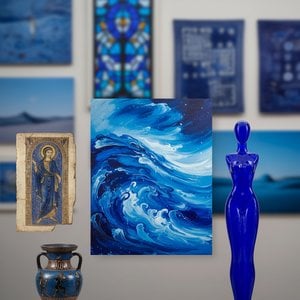
The Allure of Azure: Exploring the Symbolic & Aesthetic Depths of Blue in Art History
Explore the rich history of blue in art! Discover its symbolism, from ancient pigments to modern masterpieces by Kandinsky & Seurat. Uncover the psychological impact and cultural meanings behind this captivating hue.

A kék árnyalatai: 10 ikonikus festmény a Slate Blue szín jegyében | ArtsDot.com
Fedezze fel a 10 legikonikusabb festményt, melyeket a Slate Blue szín ural! Monet, Renoir és más mesterek művei inspirálnak. Vászonképek eladás, otthon dekoráció tippek a ArtsDot.com-on. Explore the full collection online!
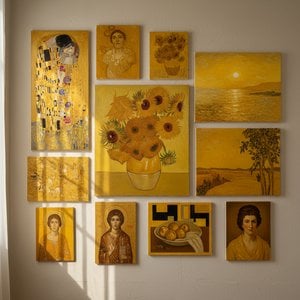
A sárgaokker aranykora: 10 híres festmény, melyek elbűvölnek | ArtsDot.com
Fedezze fel a sárgaokker festmények aranykorát! 10 híres műalkotás – Van Gogh, Rembrandt, Monet és más mesterek remekművei. Művészettörténet, inspiráció otthonába. Prémium minőségű reprodukciók a ArtsDot.com-on!

The Golden Hue: Exploring Symbolism & Emotion in Yellow Art
Explore the rich symbolism & emotional power of yellow in art history! From Van Gogh to Kandinsky, discover how artists used this vibrant hue. Expert analysis & high-quality reproductions at ArtsDot.
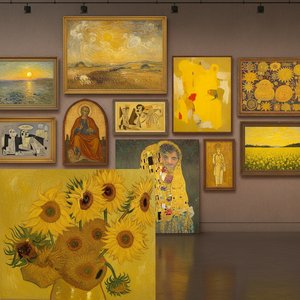
A 'króm sárga' tónusok 10 legikonikusabb mesterműve – Festmények, művészek és inspiráció otthonra
Fedezze fel a 'króm sárga' tónusok 10 leggyönyörűbb festményét! Van Gogh, Monet és más híres művészek remekművei inspiráló történetekkel. Múzeumminőségű reprodukciók otthonra – ArtsDot.com.