
- Főoldal

- Olajfestmény reprodukció
- Agnolo Bronzino
- Venus, Cupid and Envy

 Nyomat vásárlása Kép letöltése
 Megosztás
 Megosztás
 Details
 Kedvencekhez ad

 Letöltés
 Hasonló alkotások
 X-Ray
X-Ray
 Diavetítés
Venus, Cupid and Envy
 Oil On Canvas
- WallArt
- Mannerism
 1548
1548 192.0 x 142.0 cm
 Szépművészeti Múzeum
Kézzel készített olajfestmény reprodukció
Kézzel festett olajvastú vászon, az Ön által választott méretben és keretben, művészeink készítik meglévőre.




P118B $10

P118H $10

P118W $10

P438Z $10

P508JH $12

P508YH $12

P805H $10

P805Z $10

P919BZ $10

P919G $10

P919XJ $10

P959ZH $10

P968JZ $12

W106C $8

W218G $10

W218JH $8

W218Y $10

W307PJ $10

W316G $10

W316PJ $8

W316Y $10

W398PJ $8

W4111J $10

W500HY $15

W500JH $15

W692G $12

W849H $8

W940BG $15

W953PJ $8




 Olvasson tovább
Válasszon előre meghatározott méreteink közül, amelyek megfelelnek a műalkotás eredeti arányainak.

Ön megadhat saját méreteket egy adott kerethez vagy térhez igazításhoz. Ha a kiválasztott méret nem egyezik az eredeti kép arányával, akkor a műalkotást levágjuk, vagy további kézzel festett elemekkel meghosszabbítjuk a festményt. A gyártás megkezdése előtt küldünk Önnek egy digitális előnézetet jóváhagyásra.
Kérjük, vegye figyelembe, hogy a képernyőn megjelenő előnézet nem tükrözi a tényleges vágást vagy kiterjesztést. Csak az előnézet fog pontosan mutatni a végső kompozíciót.
Bár egyedi méretek állnak rendelkezésre, javasoljuk, hogy válasszon egy méretet az előre meghatározott listából az eredeti arányok megőrzése érdekében.
A rendelést követően a ArtsDot.com csapata e-mailt küld az ügyfélnek az instrukciókért, és biztosít egy előnézeti képet (mockup).
Világszerte elérhető szállítás () 3-4 hét alatt a szokásos 5 hét helyett. (1 július). A minőség nem kérdőjelezhető.

Ingyenes globális expressz szállítás

Prémium minőségű len vászon

Teljes szállítási biztosítás

Vámvisszatérítési Garancia

Tökéletes színpontosság garancia

60 napos visszaküldési lehetőség (csak gyártási hibák esetén)

100%-os pénzvisszatérítési garancia

Kedvezmény több termény esetén
 Az üvegkeretes opció csak 110 cm alatti méretben érhető el

Venus, Cupid and Envy
Reprodukciós technika
A reprodukció mérete
-


Összesített ár
-
A műalkotás leírása
Agnolo Bronzino’s *Venus, Cupid and Envy*: A Study in Mannerist Elegance
Painted in 1548 by the Florentine master Agnolo Bronzino, *Venus, Cupid and Envy* is a captivating embodiment of Mannerist aesthetics – a style characterized by its deliberate artifice, elongated forms, and an intense focus on refined beauty. This exquisite oil painting, measuring 192 x 142 cm, transports the viewer to a world of classical mythology, sensual allure, and subtly unsettling emotion. Bronzino’s reputation as “the Master of Reserved Elegance” is perfectly realized here; he eschews the overtly emotional fervor of his contemporaries like Pontormo, instead crafting an image steeped in cool composure and meticulously rendered detail.
Composition and Technique
- Dynamic Arrangement: The composition immediately draws the eye to Venus, reclining with a languid grace upon a draped couch. Her pose is deliberately theatrical, reflecting the influence of Renaissance stagecraft and emphasizing her role as the goddess of love.
- Mannerist Distortion: Bronzino masterfully employs Mannerist techniques – notably elongated figures, subtly distorted perspectives, and an emphasis on elegant lines – to create a sense of visual tension and complexity. The putti flanking Venus are not merely decorative; their gestures and expressions contribute to the overall narrative of desire and potential conflict.
- Masterful Brushwork: The painting’s remarkable realism is achieved through Bronzino's incredibly precise brushwork. He meticulously builds up layers of oil paint, creating a rich texture that captures the nuances of skin tones, the flowing movement of drapery, and the subtle reflections of light. This technique demonstrates an unparalleled command of color blending and application.
Symbolism and Mythological Narrative
*Venus, Cupid and Envy* is rich in symbolic meaning rooted in classical mythology. Venus, as the goddess of love, is depicted with a bow and arrow, signifying her power to both bestow and inflict passion. The putti, representing Cupid (Eros), embody youthful desire and fertility. However, the inclusion of the partially visible satyr beneath Venus introduces an element of envy – a potent emotion often associated with beauty and unattainable love. This subtle detail elevates the painting beyond a simple depiction of mythological figures; it becomes a meditation on human vulnerability and the destructive nature of jealousy.
Historical Context and Artistic Influences
Bronzino’s work emerged during a period of significant artistic change in Florence. While influenced by the High Renaissance masters like Leonardo da Vinci and Michelangelo, he moved decisively into Mannerism, rejecting the idealized forms and harmonious compositions favored by his predecessors. His training under Pontormo initially shaped his style, but Bronzino quickly developed his own distinctive voice – one characterized by a cool detachment and an almost obsessive attention to detail. This painting reflects the artistic climate of 16th-century Florence, where artists sought to explore new aesthetic possibilities and challenge traditional notions of beauty.
Emotional Impact and Aesthetic Value
*Venus, Cupid and Envy* continues to resonate with viewers centuries after its creation. The painting’s sensual atmosphere, combined with its intellectual complexity, evokes a powerful emotional response – a blend of fascination, desire, and perhaps even a touch of melancholy. Bronzino's ability to capture both the physical beauty of his subject and the underlying psychological tensions makes this work a timeless masterpiece. Its meticulous detail and elegant composition make it an ideal subject for a high-quality reproduction, offering a window into the world of Renaissance art and the genius of Agnolo Bronzino.
Hasonló műalkotások


A művész életrajza
Agnolo Bronzino – Florentine Mannerist Master & Court Painter
Agnolo di Cosimo, known to history as Bronzino, emerged from the vibrant artistic landscape of Renaissance Florence in 1503, a period already brimming with genius. Born the son of a butcher, his path diverged sharply from familial trade, guided instead by an innate talent that would see him become one of the most sought-after portraitists of his era and a defining figure of Mannerism. His early training began with Raffaellino del Garbo, but it was under the tutelage of Jacopo da Pontormo that Bronzino’s artistic sensibilities truly took shape. While absorbing Pontormo's innovative style, he ultimately forged his own distinct voice—one characterized by a cool composure and refined detail markedly different from his teacher’s often emotionally charged works. This early period was also influenced by studies with Andrea del Sarto, exposing him to the legacies of Michelangelo and Leonardo da Vinci, foundational influences that would subtly permeate his mature style. The young Bronzino quickly demonstrated an aptitude for capturing not just physical likeness but a certain psychological depth, even in his earliest commissions.Early Influences & Artistic Formation
Bronzino’s formative years were marked by exposure to the artistic currents of Florence under Pontormo and Sarto. Pontormo's expressive style—characterized by swirling draperies, distorted perspectives, and emotionally charged figures—challenged the prevailing aesthetic conventions of the time and instilled in Bronzino a fascination with unconventional techniques. Simultaneously, Sarto’s mastery of anatomical realism served as a counterbalance to Pontormo’s stylistic daring, grounding Bronzino's artistic vision in observation and meticulous craftsmanship. These contrasting influences shaped his developing style—a synthesis of dynamism and restraint that would become the hallmark of his oeuvre. His apprenticeship with Pontormo proved particularly crucial, fostering an understanding of how to convey emotion through visual means while simultaneously achieving technical precision.Ascension at the Medici Court
Bronzino’s career ascended dramatically with the patronage of Cosimo I de’ Medici, Duke of Tuscany. This relationship, solidified after Bronzino contributed to the lavish decorations celebrating Cosimo’s wedding to Eleonora di Toledo in 1539—a spectacle designed to impress European dignitaries and assert Florentine dominance—cemented his position as the official court painter for much of his life. It was a role he fulfilled with unwavering dedication and remarkable skill. The portraits emanating from this period are not merely likenesses; they are carefully constructed statements of power, status, and dynastic ambition. Cosimo and Eleonora themselves became frequent subjects, immortalized in paintings that exude an aristocratic aloofness and polished elegance. These works weren’t simply about capturing physical resemblance but crafting enduring symbols of Medici authority—visual representations intended to convey prestige and reinforce the ruler's position within the hierarchy of European courts. He undertook numerous commissions for the Medici family, including monumental frescoes adorning Villa Medici and elaborate ceremonial decorations commemorating significant events.The Mannerist Style – Elegance & Restraint
Bronzino’s artistic style is quintessentially Mannerist—a movement that flourished in Italy during the mid-16th century as a reaction against the High Renaissance's emphasis on naturalism and harmonious balance. He embraced elongated forms, stylized poses, and an often cool, detached emotionality. His figures are rarely caught in moments of spontaneous action; instead, they appear carefully posed, almost sculptural in their stillness. This deliberate simplification of form—a rejection of idealized beauty—was a defining characteristic of Mannerist art and reflected Bronzino’s profound understanding of artistic principles. Unlike his teacher Pontormo, whose paintings pulsed with turbulent emotion, Bronzino achieved an unparalleled level of composure and refinement. His palette favored muted tones—often dominated by cool blues and greens—creating an atmosphere of serenity and intellectual contemplation. The meticulous attention to detail—the textures of fabrics, the gleam of jewels, the subtle nuances of expression—all rendered with an almost enamel-like precision—further distinguished Bronzino’s work from that of his contemporaries. He wasn't interested in merely replicating reality; he sought to elevate it through artifice and stylistic control.Notable Works & Legacy
Bronzino produced a remarkable body of artistic output, encompassing portraits, mythological paintings, and religious commissions—each demonstrating his mastery of technique and intellectual sophistication. Among his most celebrated achievements are *Venus, Cupid, Folly and Time* (c. 1544–45), a complex allegorical masterpiece that embodies the movement’s fascination with symbolism and stylized representation; *The Holy Family*, a serene depiction of Mary, Joseph, and Jesus—a testament to Bronzino's ability to convey spiritual contemplation through visual means; and *Portrait of Eleonora di Toledo*—a portrait that captures the dignity and composure of Cosimo I’s wife with remarkable subtlety. His influence extended far beyond Florence, shaping court portraiture throughout Europe for decades after his death in 1572. Bronzino's legacy as one of the foremost Mannerist painters continues to inspire artists today—a testament to his unwavering commitment to stylistic innovation and intellectual rigor. He remains a symbol of Florentine artistic excellence and a cornerstone of Renaissance art history.
Agnolo Bronzino
1503 - 1572 , Olaszország
Rövid tények
- Artistic Movement Or Style: Mannerizmus
- Artists Who Influenced This Artist:
- Pontormo
- Michelangelo
- Date Of Birth: November 17, 1503
- Date Of Death: November 23, 1572
- Full Name: Agnolo di Cosimo
- Nationality: Olaszország
- Notable Artworks:
- Vénusz és Kupidón
- Guidobaldo Della Rovere portréta
- Place Of Birth: Florence, Italy
Kapcsolódó cikkek

From Renaissance Memes to Viral Portraits: The Rise of Customized Classical Paintings in the Age of Instagram
Discover the captivating world of customized classical paintings! Explore how memes sparked a renaissance & learn to commission your own personalized portrait. Expert art consultation & museum-quality reproductions at ArtsDot.


Agnolo Bronzino: Mastering Courtly Portraiture & the Enigmatic Gaze of Renaissance Florence
Explore the captivating world of Agnolo Bronzino, Renaissance master portraitist. Discover his elegant style, symbolic depth & lasting influence on art history. Expert insights for collectors.
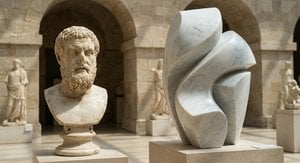
The Enduring Allure of Marble in Art History: From Classical Sculpture to Modern Abstraction
Explore the captivating history of marble sculpture from ancient Greece to modern art. Discover renowned artists like Canova & Michelangelo, carving techniques, and investment insights at ArtsDot.

Reneszánsz Humanizmus 10 Mesterműve: A Szellemiség Újjászületése a Falakon
Fedezze fel a Reneszánsz Humanizmus 10 legikonikusabb műalkotását! Leonardo da Vinci, Michelangelo és más mesterek festményeinek története. Vászonképek reprodukciói otthonába – ArtsDot.com kínálatából. Explore the full collection online!

A Reneszánsz Korai Gyöngyszemei: 10 Mestermű, Ami Megváltoztatta a Világot
Fedezze fel a korai reneszánsz 10 legikonikusabb műalkotását! Leonardo, Michelangelo és Botticelli remekművei elmesélnek egy új korszak történetét. Vászonképek, faliképek – inspirálódjon ArtsDot.com-on!



