


 Megtekintés
 Küldés
 Megosztás
 Részletek

 Letöltés
 Hasonló darabok
 X-ray felvétel
 Diavetítés
Faith


 Összes részlet megjelenítése
Giclée / Műnyomat
Múzeumi minőségű giclée vagy vászonnyomat, gyors gyártással és rugalmas finomítási lehetőségekkel. ( Kézzel festett másolat rendelése Kép letöltése)




































Válasszon előre meghatározott méreteink közül, amelyek megfelelnek a műalkotás eredeti arányainak.

Megadhat saját méreteket is egy konkrét kerethez vagy helyszínhez igazítva. Amennyiben a kiválasztott méret nem egyezik az eredeti kép arányokkal, a műalkotást le fogjuk vágni, vagy kiegészítjük a képet tükrözött vagy egyszínű szélekkel. A gyártás megkezdése előtt egy digitális tervezetet küldünk jóváhagyásra.
Kérjük, vegye figyelembe, hogy a képernyőn látható előnézet nem tükrözi a tényleges levágást vagy kiegészítést. Csak a tervezet mutatja pontosan a végső kompozíciót.
Bár az egyedi méretek is elérhetőek, az eredeti arányok megőrzése érdekében azt javasoljuk, hogy válasszon a előre meghatározott listából származó méretet.
Világszerte történő kiszállítás területére mindössze 2 hét alatt, a szokásos 4-5 hét helyett. (28 augusztus)

Ingyenes globális expressz szállítás

Prémium minőségű len vászon

Teljes körű szállítási biztosítás

Vámvisszatérítési Garancia

Hiteles színpontosság garancia

60 napos visszaküldési lehetőség (csak hibás termékek esetén)

100% pénzvisszatérítési garancia

Több darab vásárlása esetén kedvezmény
 Az üvegkeretes opció csak 110 cm alatti méretben érhető el

Faith
Giclée / Műnyomat
Reprodukció mérete
-


Összesített ár
$ 62
Hasonló műalkotások


A művész életrajza
A Milanese Bridging Worlds: The Life and Art of Adolfo Wildt
Adolfo Wildt, born in Milan on March 1st, 1868, to a Swiss family who had embraced Lombardy as their new home, emerged as a pivotal figure in Italian sculpture during a period of profound artistic transition. His journey was one marked by early hardship and relentless dedication, beginning not within the hallowed halls of an academy but amidst the practical demands of labor. Leaving school at the tender age of nine, Wildt’s initial forays into the working world saw him apprenticed first as a hairdresser, then as a goldsmith – experiences that instilled in him a meticulous attention to detail and a nascent understanding of form. However, it was his apprenticeship at eleven with Giuseppe Grandi, a prominent sculptor associated with the Scapigliatura movement, that truly ignited his artistic calling. Under Grandi’s tutelage, Wildt began to master the demanding art of sculpting marble, laying the foundation for a career defined by technical brilliance and emotional depth. By eighteen, his talent was already garnering recognition within Milanese artistic circles, foreshadowing the significant contributions he would make to the world of sculpture. He continued his education at the Brera Academy of Fine Arts, solidifying his theoretical knowledge alongside his burgeoning practical skills.Early Life and Apprenticeships: From Hairdressing to Marble
Wildt’s formative years were characterized by a pragmatic upbringing that contrasted sharply with the artistic pursuits of his time. Born into a Swiss family residing in Lombardy, he faced considerable difficulties early on, abandoning formal schooling at just nine years old to earn a living through tradesmanship. His initial occupations as a hairdresser and goldsmith provided invaluable experience in precision and craftsmanship—skills that would prove instrumental in shaping his sculptural technique. The influence of Giuseppe Grandi, a sculptor deeply rooted in the Scapigliatura movement, proved decisive. Grandi recognized Wildt’s innate talent and welcomed him into his workshop at eleven, introducing him to the intricacies of marble sculpting. This mentorship fostered not only technical proficiency but also an appreciation for sculptural form and expression—elements that would permeate Wildt’s entire artistic oeuvre. By eighteen, he had already established himself as a respected artist within Milanese circles, demonstrating an exceptional aptitude for mastering complex artistic concepts.The Influence of Grandi and the Scapigliatura Movement
Giuseppe Grandi’s guidance was paramount in shaping Wildt's artistic sensibilities. Grandi championed a sculptural style that prioritized emotional intensity and psychological depth—characteristics that resonated powerfully with the Scapigliatura movement, which sought to challenge conventional artistic norms and explore unconventional themes. The Scapigliatura artists rejected academic conventions and embraced expressive gestures and dramatic compositions, mirroring the turbulent social and intellectual landscape of late nineteenth-century Italy. Wildt absorbed these influences wholeheartedly, incorporating them into his own creative vision—a fusion that would distinguish him from many of his contemporaries. Grandi’s insistence on capturing human emotion through sculpture instilled in Wildt a profound understanding of psychological realism—a cornerstone of his artistic approach throughout his career.Recognition and Patronage: The Galleria Nazionale d'Arte Moderna
Wildt’s burgeoning talent swiftly gained recognition, culminating in the prestigious acquisition of his portrait of his wife by the Galleria Nazionale d’Arte Moderna in Rome in 1893. This sale served as an affirmation of Wildt’s artistic promise and signaled to the wider art world that he was destined for greatness. However, perhaps the most transformative moment arrived in 1894 when he forged an extraordinary alliance with Franz Rose, a Prussian collector possessing discerning taste and considerable financial resources. For eighteen years, Rose provided Wildt with unwavering support—both economic security and preferential access to artistic commissions—liberating him from commercial pressures and allowing him to dedicate himself entirely to his creative endeavors. This patronage enabled Wildt to participate regularly in exhibitions across Europe – Milan, Munich, Zurich, Berlin, and Dresden – introducing his work to an international audience and establishing him as one of the foremost sculptors of his era.Style and Technique: Marble Transparency and Gothic Forms
Wildt’s sculptural style evolved over time, reflecting both Romantic sensibilities and the burgeoning currents of Secessionism and Art Nouveau. He achieved remarkable success in capturing human emotion through marble sculpture—a feat that captivated viewers and distinguished him from many of his peers. Wildt's signature technique involved creating an almost translucent quality within the stone—a masterful manipulation of light and texture that conveyed a sense of ethereal beauty and psychological depth. Sculptors like Adolf von Hildebrand and Auguste Rodin themselves recognized Wildt’s innovative approach, praising his ability to achieve this extraordinary effect—a testament to his technical brilliance and artistic vision. His sculptures often employed gothic forms—characterized by dramatic lighting and expressive gestures—reflecting the influence of Romanticism while simultaneously embracing modernist aesthetics. The recurring motif of veiled faces or obscured features in his work added another layer of mystery and invited viewers to contemplate profound themes of faith, sorrow, and human existence.Major Achievements and Legacy: From Tombstones to Brera Academy
Wildt’s artistic legacy extends far beyond individual commissions; he profoundly impacted the landscape of Italian sculpture and art education. He created monumental tombs and monuments that stand as enduring symbols of his skill and sensitivity—works that continue to inspire awe and contemplation. Among his most celebrated creations are *Fulcieri Paulucci de’ Calboli*, *Saint Lucia*, *St. Francis of Assisi*, and *Mask of Sorrow*—all housed in the Civic Museums of Forlì – masterpieces that exemplify Wildt’s masterful command of marble and his ability to convey complex emotions. Furthermore, Wildt established his own Marble School in Milan in 1921, imparting his knowledge and expertise to aspiring sculptors—a contribution that ensured his artistic influence would endure for generations. He was subsequently appointed as a professor at the Brera Academy – where he continued to teach until his death in 1931 – cementing his place as one of Italy’s most influential artists and educators. Wildt's sculptures remain powerful reminders of the enduring human quest for beauty, truth, and spiritual connection—a testament to his artistic genius and a cornerstone of Italian Modernism.
Adolf Wildt
1868 - 1931 , Olaszország
A művészről röviden
- Artistic Movement Or Style: Romanticism, Modernism
- Artists Or Movements Influenced By This Artist:
- Lucio Fontana
- Auguste Rodin
- Artists Who Influenced This Artist:
- Giuseppe Grandi
- Federico Villa
- Date Of Birth: March 1, 1868
- Date Of Death: March 12, 1931
- Full Name: Adolfo Wildt
- Nationality: Italian
- Notable Artworks:
- Fulcieri Paulucci de’ Calboli
- Saint Lucia
- St. Francis of Assisi
- Mask of Sorrow
- Place Of Birth: Milan, Italy
Kapcsolódó cikkek
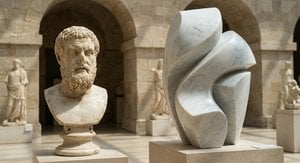
The Enduring Allure of Marble in Art History: From Classical Sculpture to Modern Abstraction
Explore the captivating history of marble sculpture from ancient Greece to modern art. Discover renowned artists like Canova & Michelangelo, carving techniques, and investment insights at ArtsDot.

A művészettörténet 10 legikonikusabb bronzszobra – ArtsDot.com
Fedezze fel a művészettörténet 10 legikonikusabb bronzszobrát! Ismerje meg Rodint, Michelangelót és más mestereket. Luxus minőségű nyomatok otthonába – ArtsDot.com.

The Enduring Form: Exploring Themes & Techniques in Sculpture Across Historical Periods
Explore the rich history of sculpture from ancient masterpieces to contemporary innovations. Discover key techniques, influential artists & investment potential for discerning art collectors.

A művészettörténet 10 legikonikusabb bronzszobra – ArtsDot.com
Fedezze fel a művészettörténet 10 legikonikusabb bronzszobrát! Ismerje meg Rodin, Michelangelo és más mesterek alkotásait. Luxus minőségű reprodukciók otthonába – ArtsDot.com.

The Enduring Legacy of Marble: A Comprehensive Exploration of Technique, Symbolism & Artistic Expression
Explore the rich history of marble sculpture from antiquity to the Renaissance! Discover key techniques, influential artists & enduring themes in classical art. Expert insights for collectors and enthusiasts at ArtsDot.

