


 Megtekintés
 Küldés
 Megosztás
 Részletek

 Letöltés
 Hasonló darabok
 X-ray felvétel
 Diavetítés
Dancing Peasants
 Oil On Canvas
- WallArt
- Baroque
 1660
1660 28.0 x 38.0 cm
 Hermitázsmúzeum
 Összes részlet megjelenítése
Giclée / Műnyomat
Múzeumi minőségű giclée vagy vászonnyomat, gyors gyártással és rugalmas finomítási lehetőségekkel. ( Kézzel festett másolat rendelése Kép letöltése)




P118B $10

P118H $10

P118W $10

P438Z $10

P508JH $12

P508YH $12

P805H $10

P805Z $10

P919BZ $10

P919G $10

P919XJ $10

P959ZH $10

P968JZ $12

W106C $8

W218G $10

W218JH $8

W218Y $10

W307PJ $10

W316G $10

W316PJ $8

W316Y $10

W398PJ $8

W4111J $10

W500HY $15

W500JH $15

W692G $12

W849H $8

W940BG $15

W953PJ $8




Válasszon előre meghatározott méreteink közül, amelyek megfelelnek a műalkotás eredeti arányainak.

Megadhat saját méreteket is egy konkrét kerethez vagy helyszínhez igazítva. Amennyiben a kiválasztott méret nem egyezik az eredeti kép arányokkal, a műalkotást le fogjuk vágni, vagy kiegészítjük a képet tükrözött vagy egyszínű szélekkel. A gyártás megkezdése előtt egy digitális tervezetet küldünk jóváhagyásra.
Kérjük, vegye figyelembe, hogy a képernyőn látható előnézet nem tükrözi a tényleges levágást vagy kiegészítést. Csak a tervezet mutatja pontosan a végső kompozíciót.
Bár az egyedi méretek is elérhetőek, az eredeti arányok megőrzése érdekében azt javasoljuk, hogy válasszon a előre meghatározott listából származó méretet.
Világszerte történő kiszállítás területére mindössze 2 hét alatt, a szokásos 4-5 hét helyett. (1 szeptember)

Ingyenes globális expressz szállítás

Prémium minőségű len vászon

Teljes körű szállítási biztosítás

Vámvisszatérítési Garancia

Hiteles színpontosság garancia

60 napos visszaküldési lehetőség (csak hibás termékek esetén)

100% pénzvisszatérítési garancia

Több darab vásárlása esetén kedvezmény
 Az üvegkeretes opció csak 110 cm alatti méretben érhető el

Dancing Peasants
Giclée / Műnyomat
Reprodukció mérete
-


Összesített ár
$ 62
Dancing Peasants by Abraham Teniers
Abraham Teniers II (1610–90) stands as one of Flanders’ most prolific Baroque painters, leaving behind an astonishing oeuvre that encompasses genre scenes, portraits, landscapes and mythological compositions. Yet, it is his dedication to capturing the everyday life of rural communities—particularly through his celebrated peasant genre—that cemented his legacy as a pivotal figure in Northern Renaissance art. Teniers' artistic journey began under the tutelage of his father, David Teniers I, establishing a familial tradition of artistic excellence that would extend across generations. His brother, Abraham Teniers I (1629–97), also pursued painting with considerable success, furthering the family’s renown within Antwerp’s artistic circles.- Subject Matter: Teniers' canvases frequently depict scenes from rural life—peasants engaged in festive gatherings, celebrations of harvest festivals, and lively social interactions. These depictions weren’t merely observational; they served as a conduit for exploring themes of community spirit, religious piety, and the complexities of human relationships within a pastoral setting.
- Style: Teniers' artistic style embodies the Baroque aesthetic—characterized by dynamism, theatrical lighting, and an emphasis on emotional expression. He skillfully employed illusionistic techniques to create depth and realism, mirroring the grandeur and drama prevalent in contemporary art.
- Technique: Primarily working with oil paint on canvas, Teniers mastered the impasto technique—applying thick layers of pigment onto the surface—to imbue his paintings with textural richness and visual impact. This method allowed him to convey not only form but also mood and atmosphere, capturing the vibrancy of rural life with remarkable precision.
- Historical Context: Teniers’ work flourished during a period marked by significant artistic innovation and intellectual ferment in Antwerp—a city that served as a hub for Flemish art production. His paintings reflect the broader cultural currents of the Baroque era, mirroring the fascination with theatricality and grandeur that defined the time.
- Symbolism: Recurring motifs within Teniers’ compositions—such as musical instruments, dancing figures, and depictions of religious rituals—carried symbolic significance, conveying moral lessons and reinforcing societal values. These elements underscored the artist's belief in art's capacity to illuminate human experience and inspire contemplation.
Hasonló műalkotások


Kapcsolódó cikkek
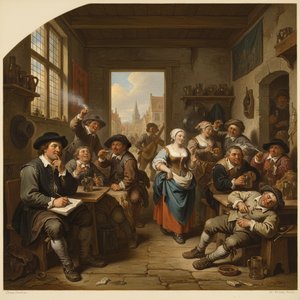
David Teniers the Younger: Genre Painting & Social Commentary in Baroque Flanders
Explore the captivating world of David Teniers the Younger, a leading Flemish Baroque painter. Discover his genre scenes, social commentary, and lasting influence on 17th-century art. Learn about his life, techniques & legacy.

Golden Age Reflections: Dutch Baroque Painting & Cultural Innovation
Explore the Dutch Golden Age of painting! Discover key artists like Vermeer & ter Borch, their innovative techniques, and the rich cultural context behind these Baroque masterpieces. Learn about collecting & appreciating this iconic art period.

A Hollandi Barokk 10 Mesterműve: Festmények, Amelyek Megváltoztatták a Világot | ArtsDot
Fedezze fel a holland barokk 10 legikonikusabb műalkotását! Rembrandt, Vermeer és más mesterek festményeinek története, technikája és időtálló szépsége. Művészeti reprodukciók prémium minőségben – ArtsDot.com.
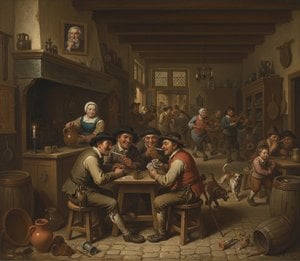
David Teniers II: Master of Flemish Genre & Social Commentary
Explore the captivating world of David Teniers II, a leading Flemish Baroque painter renowned for his lively genre scenes & insightful social commentary. Discover his masterpieces and legacy with ArtsDot.

Adriaen Brouwer: Capturing Dutch Life & Social Commentary Through Genre Painting
Explore the captivating world of Adriaen Brouwer, a master of Dutch Golden Age genre painting. Discover his vivid depictions of peasant life, social commentary, and lasting influence on art history. Learn more at ArtsDot.

